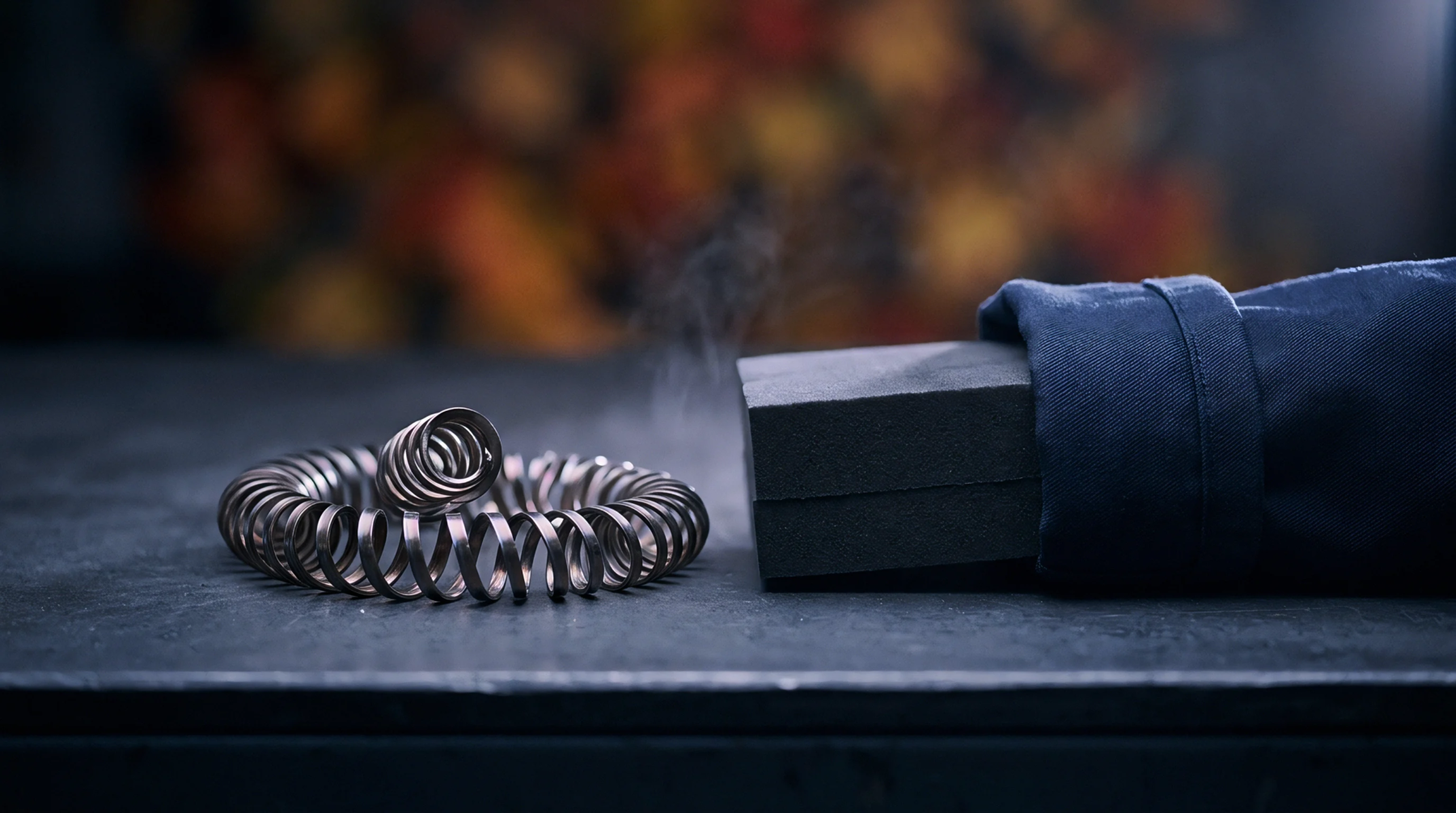
Thermal Fatigue Failure Mechanisms in Laser Welded Tool Steel Cores
Mitigate core thermal fatigue by preheating substrates above 280°C, selecting maraging filler wires, and double tempering to eliminate tensile residual stress.
Mitigate core thermal fatigue by preheating substrates above 280°C, selecting maraging filler wires, and double tempering to eliminate tensile residual stress.

Melt flow length scales with cavity thickness raised to the third power while cycle time increases quadratically, forcing tight nominal wall control.
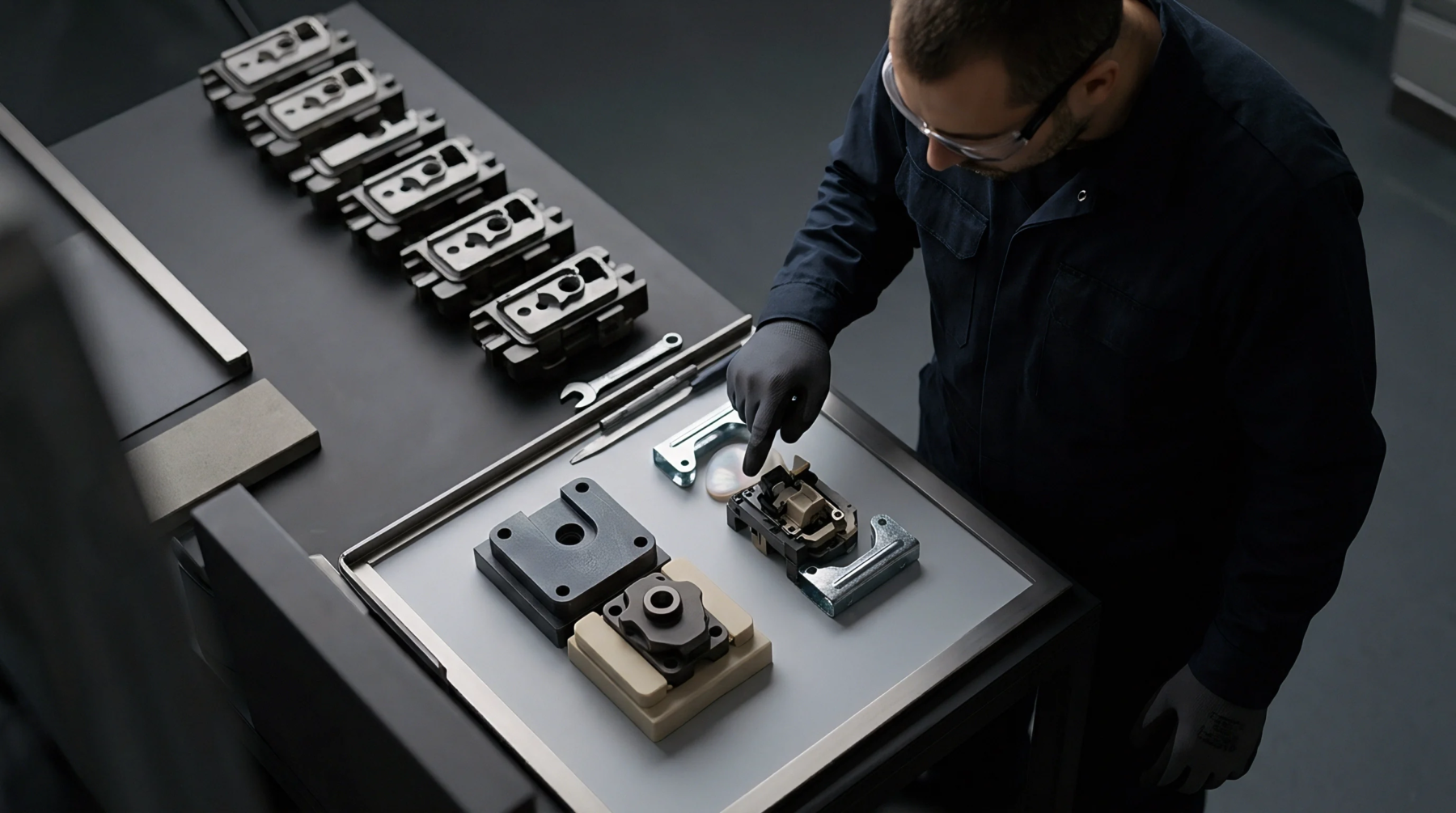
Predicting warpage in semicrystalline inserts requires coupling transient thermal FEA with crystallization kinetics to balance core-cavity heat flux.
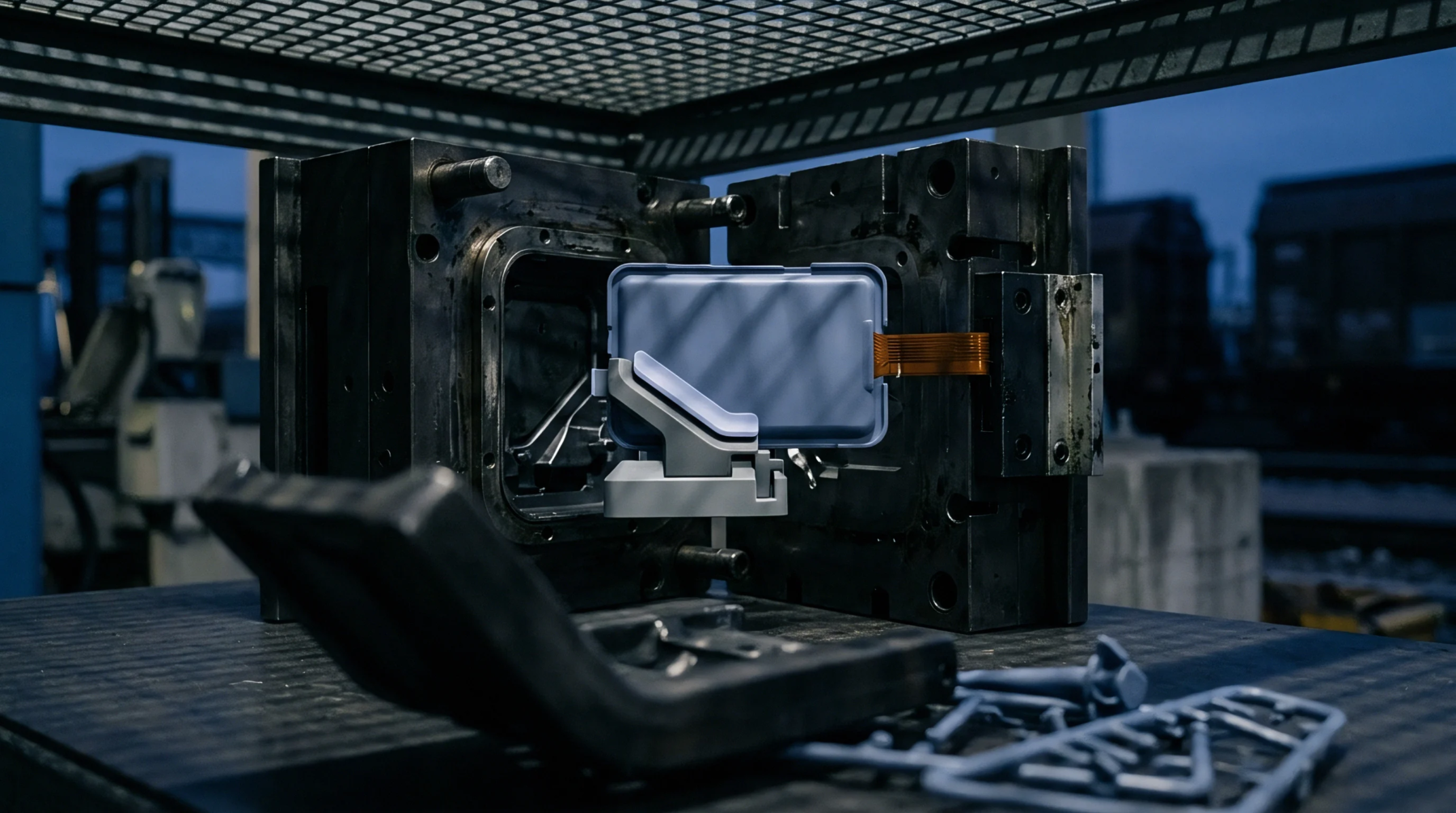
Inter-cavity thermal drift in high-cavitation steel tooling shifts part dimensions; turbulent coolant flow and conductive inserts eliminate temperature spreads.
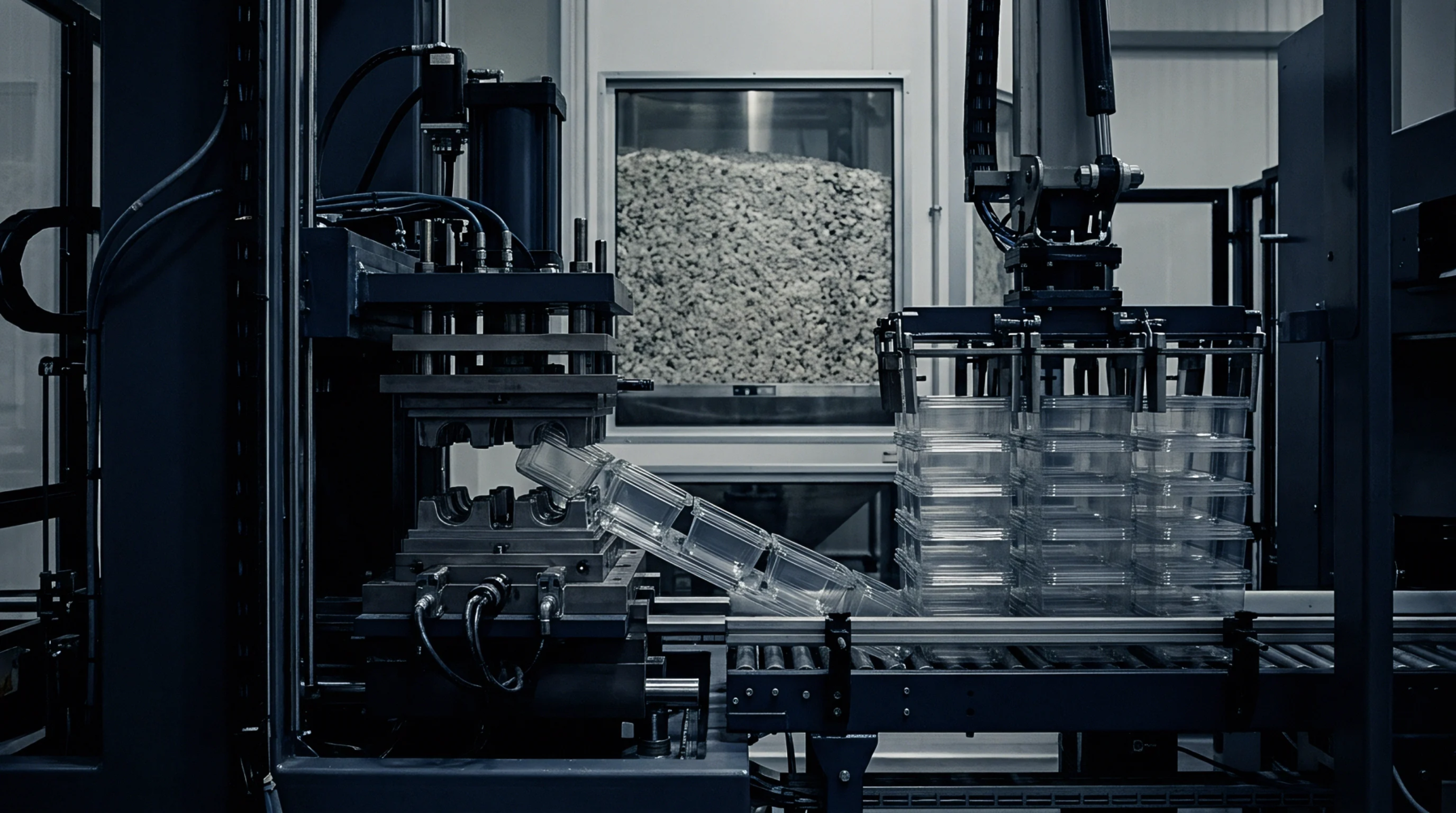
High-volume injection moulding baseline tooling demands martensitic stainless or pre-hardened steels matched to polymer abrasiveness and cycle volume.

Match tool steel hardness and chemistry directly to committed shot counts and resin abrasiveness to prevent premature cavity failure and tooling cost overruns.
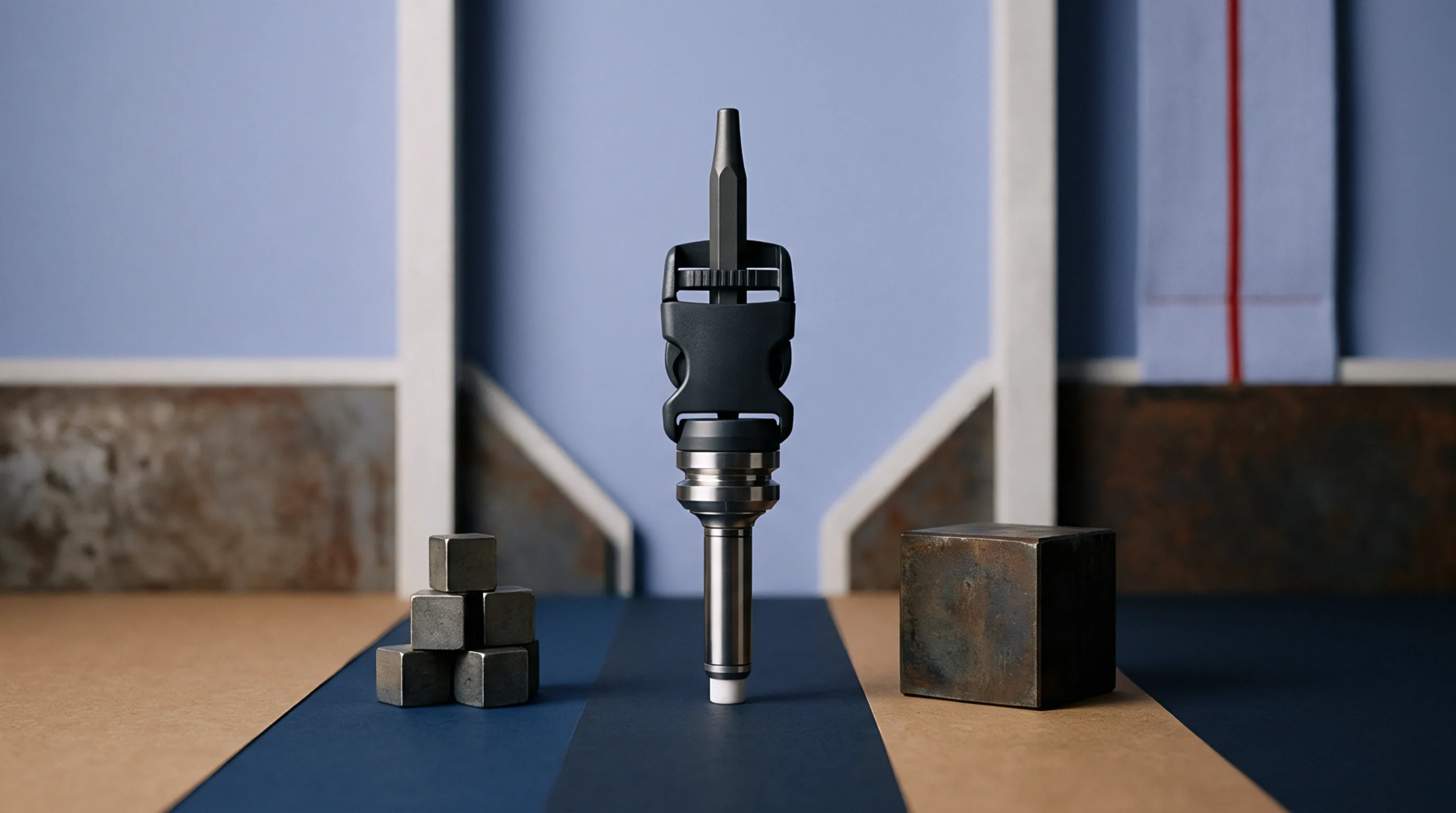
Non-uniform tool steel thermal expansion creates spatial cavity temperature deltas that drive measurable dimensional drift across multi-cavity molds.
Expertise is a utility, not a secret. sentiention™ publishes its working knowledge as open reference: intelligence layer covering the materials it sources, the markets it enters, and the reference that serves both.