
Optimizing Mechanical Restraint Forces in Non-Rigid Polymer Metrology under ISO 5459 Guidelines
Balancing restraint forces under ISO 5459 ensures accurate datum seating without distorting non-rigid polymer part features during coordinate metrology.
Balancing restraint forces under ISO 5459 ensures accurate datum seating without distorting non-rigid polymer part features during coordinate metrology.

Hydrolytic degradation thresholds require drying virgin polyesters below 0.02 percent and polyamides below 0.10 percent water before melt processing.
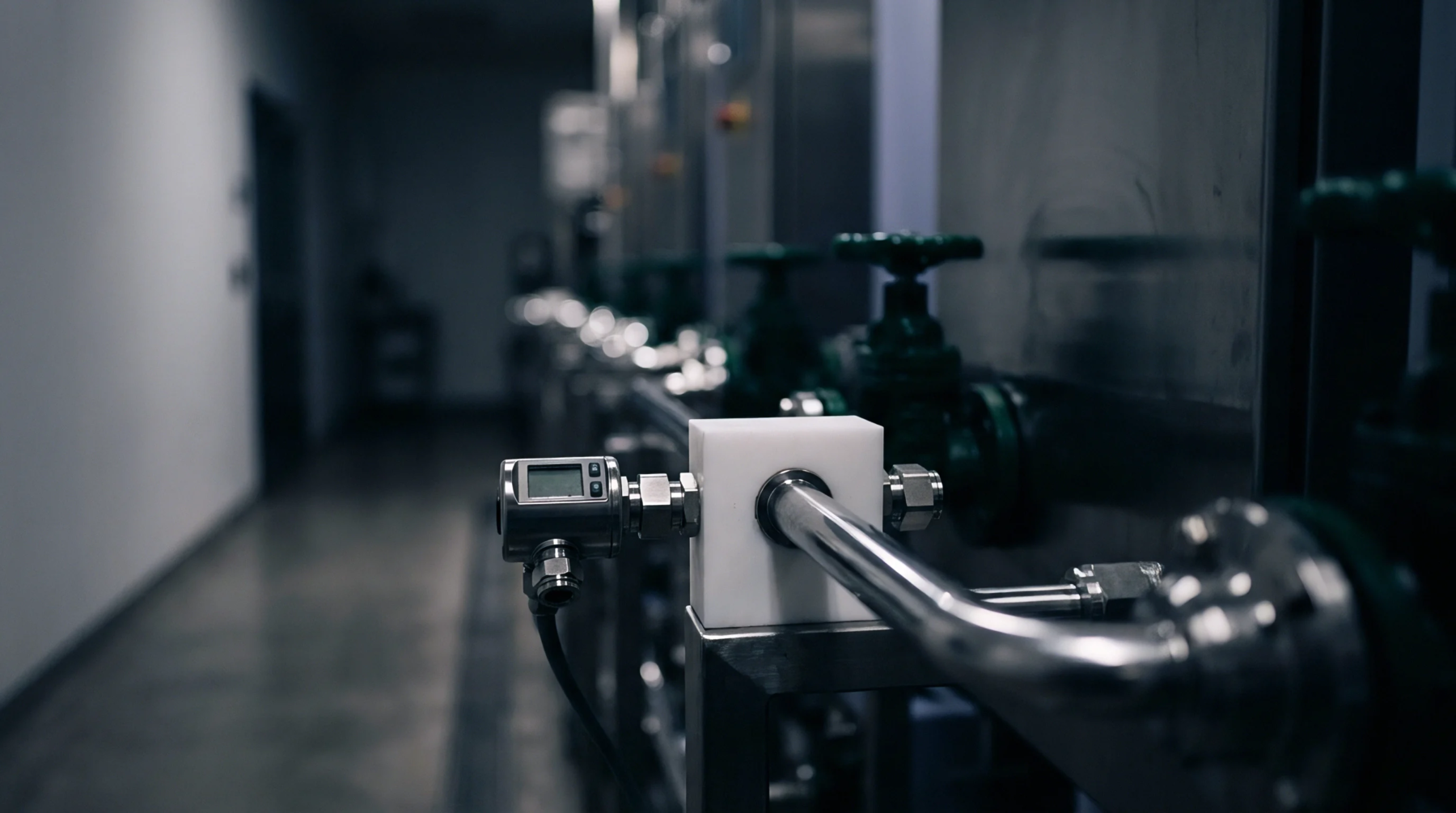
Recutting tool steel establishes a stable process window that lowers long-term scrap costs and cycle times compared to forced parameter tuning.
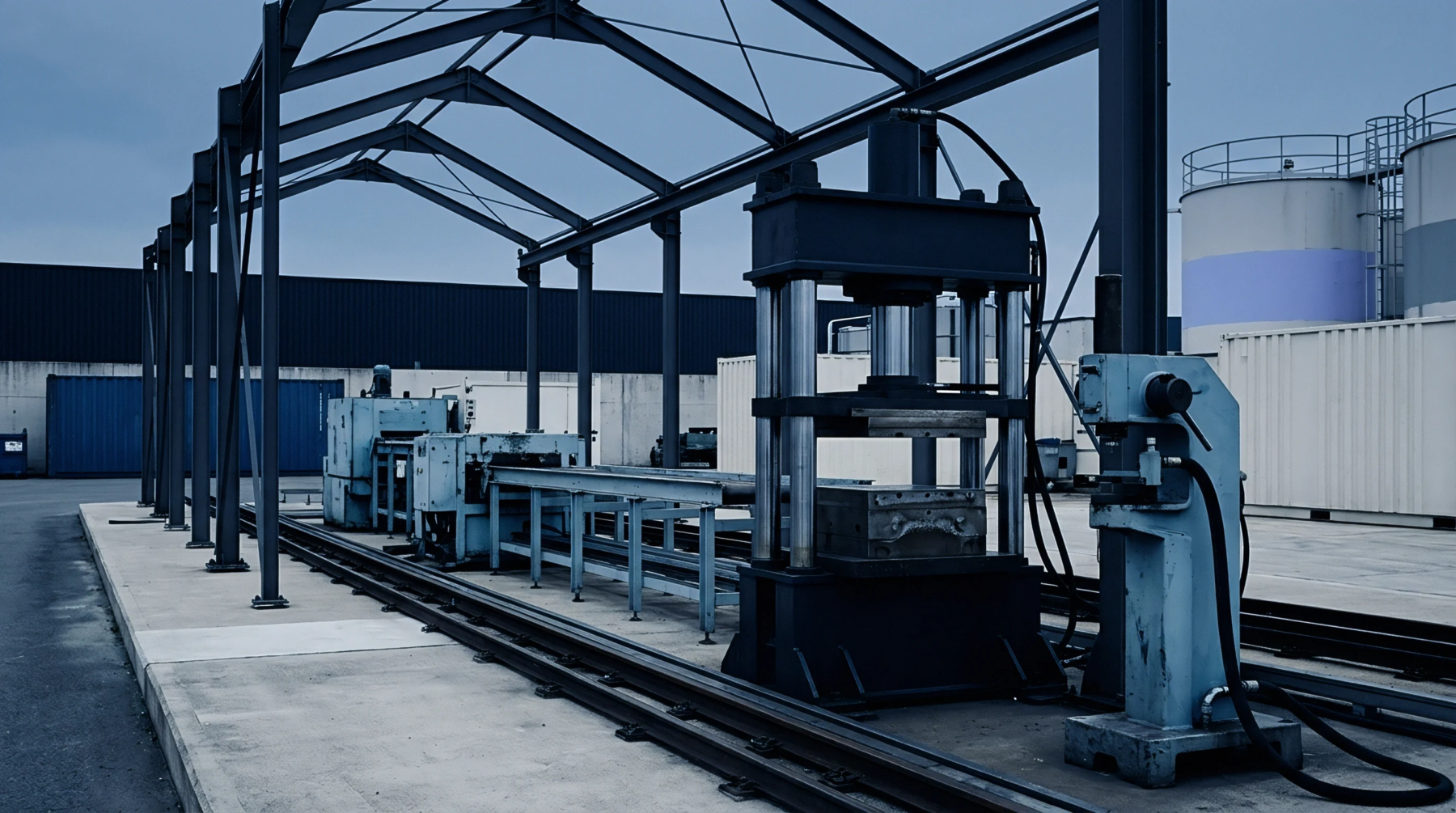
Suppress heavy wall thermal defects by sizing gates to 80% wall thickness, holding pack pressure past core freeze, and deploying conformal high-conductivity chill circuits.

Temperature-stepped vaporization coulometry isolates physical water desorption from catalytic transesterification to ensure accurate low-ppm moisture determination.

Visual inspection of pellet geometry, color shift, specks, and cross-polar optics rapidly identifies reprocessed additions in engineering resin lots.

Multi-party moisture disputes depend on ISO 15512 Method C baseline sampling at loading and container dew point tracking before silo transfer.

Incoming resin qualification mandates physical sampling, melt rheology auditing, and CoA validation to prevent off-spec polymer from entering production.
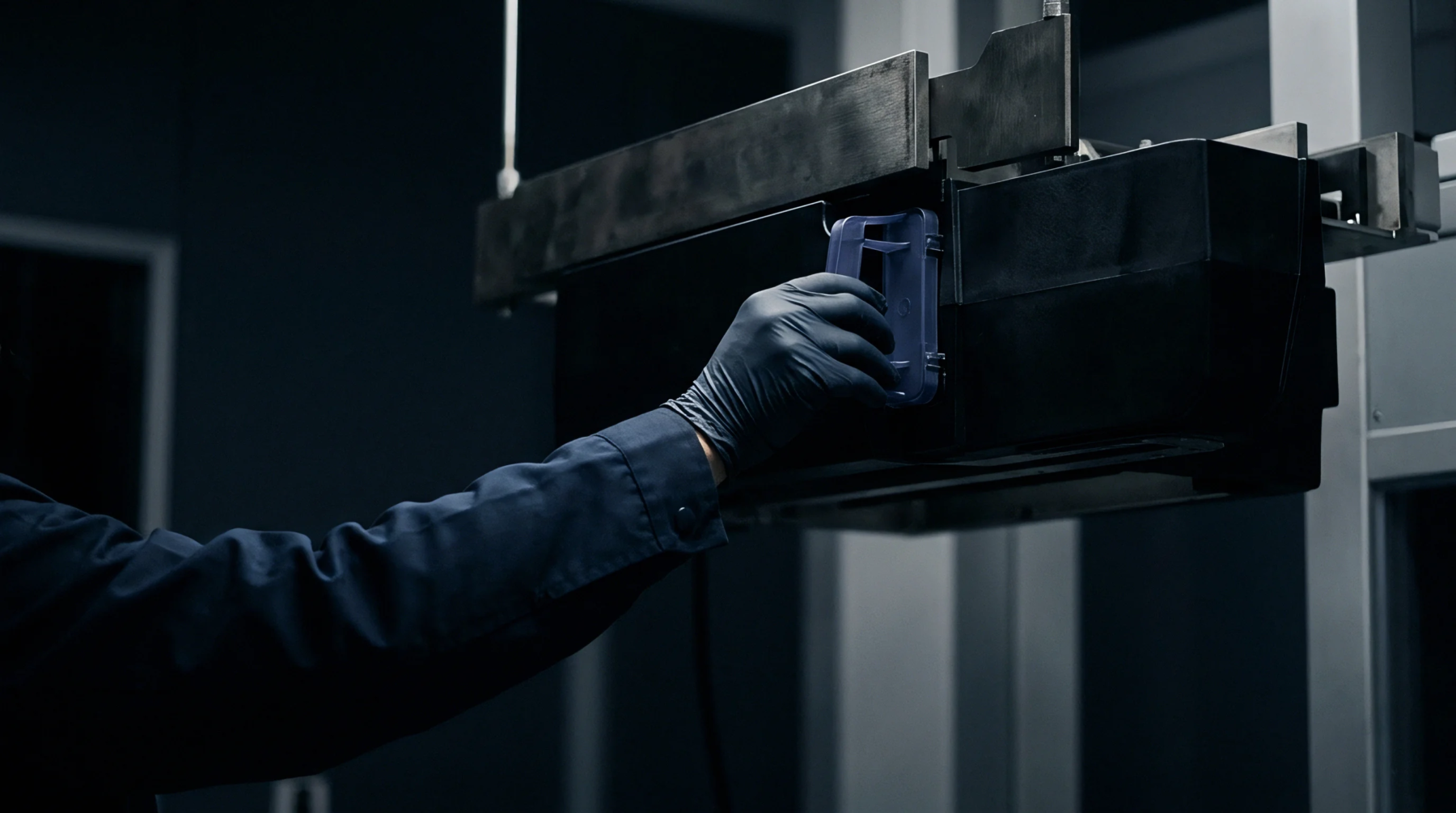
Calculate downtime penalties by summing unabsorbed press hourly burden, loaded labor, scrapped resin mass, purge cycles, and hot runner clearing expenses.
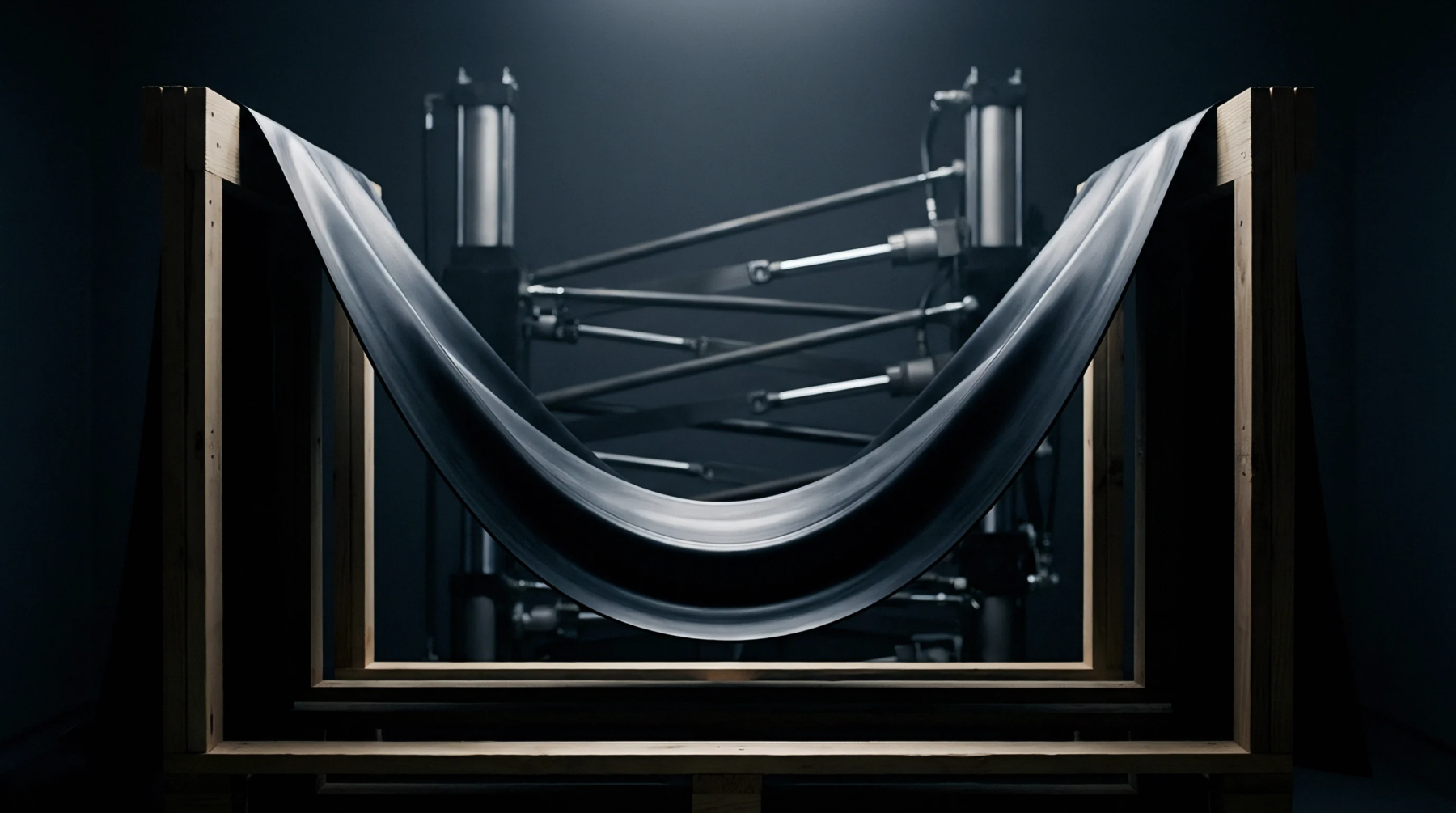
Uniaxial tensile tests misrepresent multi-axial yield, physical aging, and strain-rate sensitivity in amorphous polymers, causing structural failure in real parts.
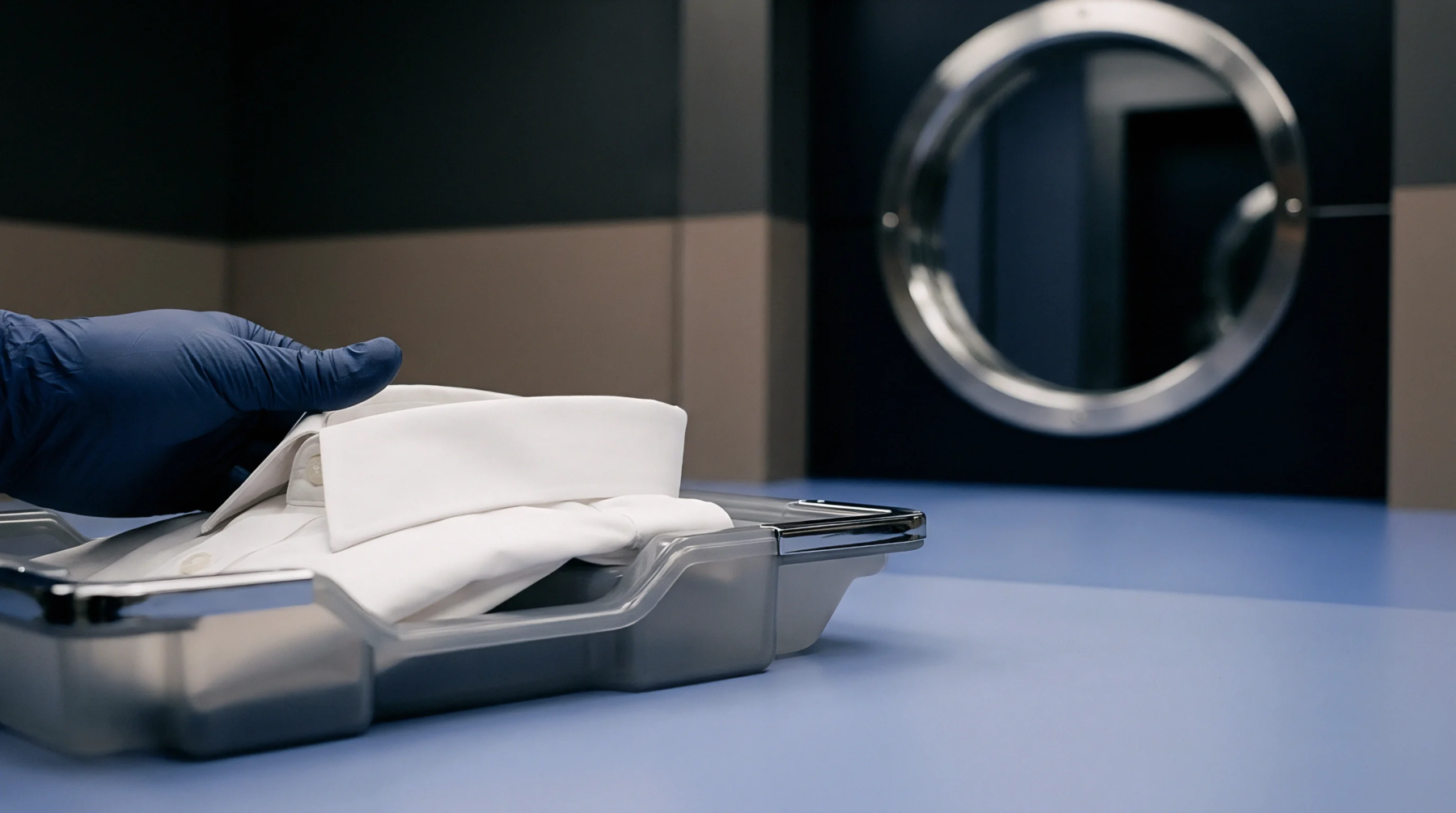
Cavity surface texture increases interfacial thermal contact resistance, delaying resin skin freeze and increasing semi-crystalline thermoplastic shrinkage.
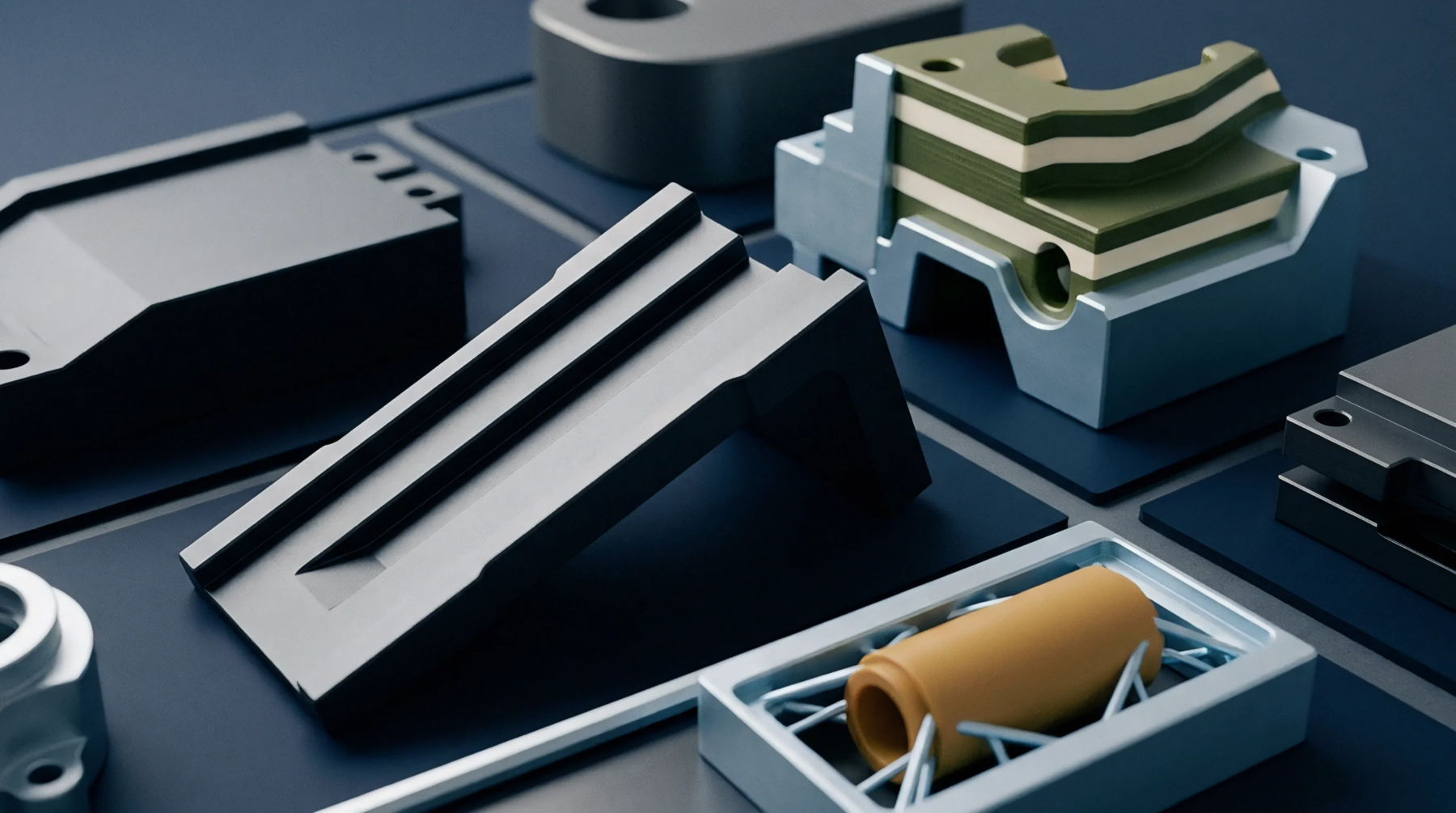
Detecting post-industrial additions relies on combining differential scanning calorimetry, high-shear viscosity sweeps, and oxidative induction testing on arrival.

Biaxial stretch testing above glass transition yields multiaxial strain hardening data essential for accurate finite element wall thickness prediction in amorphous polymer thermoforming.

Amorphous extrusate swell dynamics depend on first normal stress differences; controlling land L/H ratio and calender drawdown balances web gauge and shrinkage.
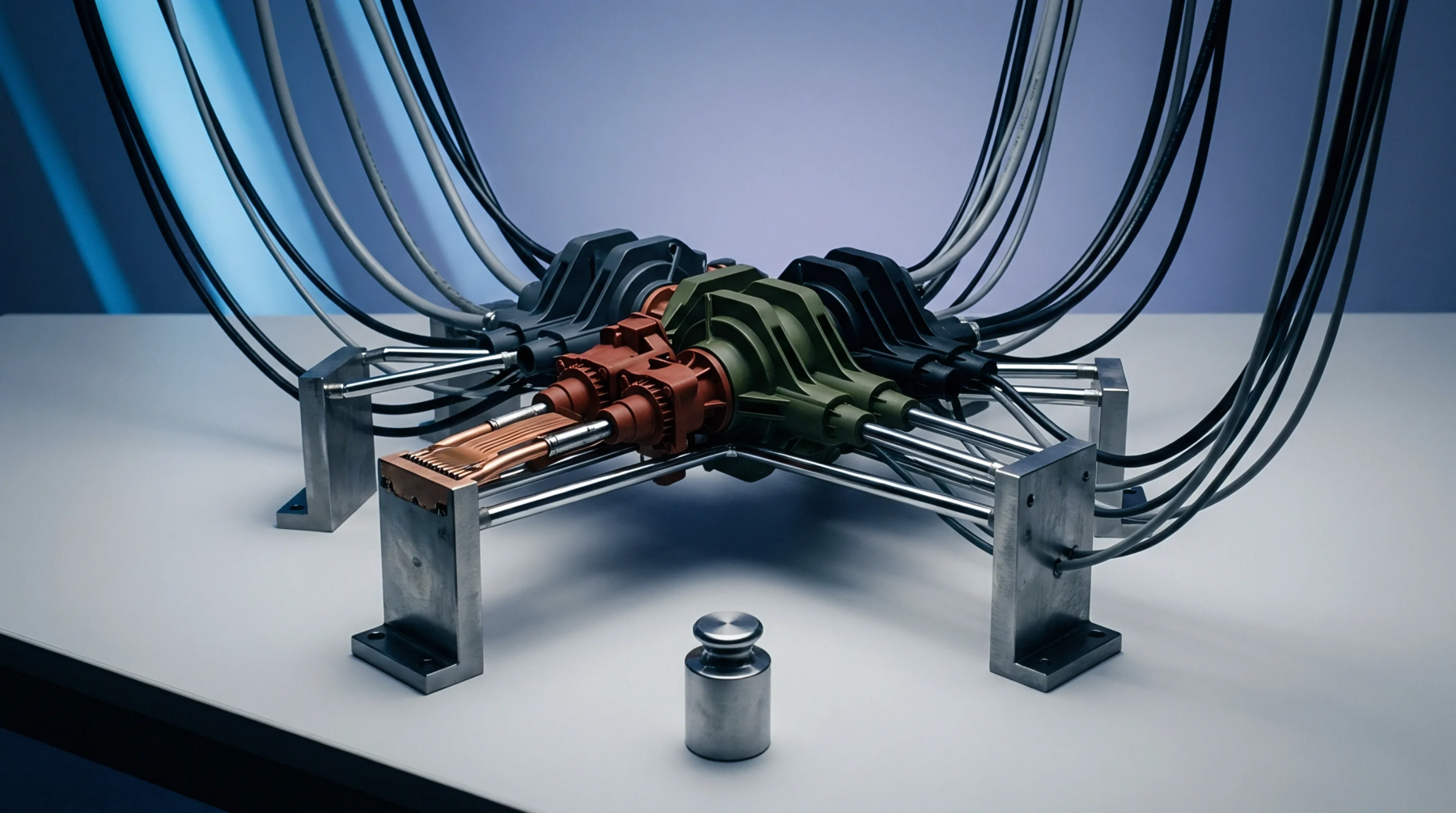
Engineering change notices require simultaneous CAD propagation, physical steel re-stamping, and metrology re-qualification across all secondary assembly fixtures.
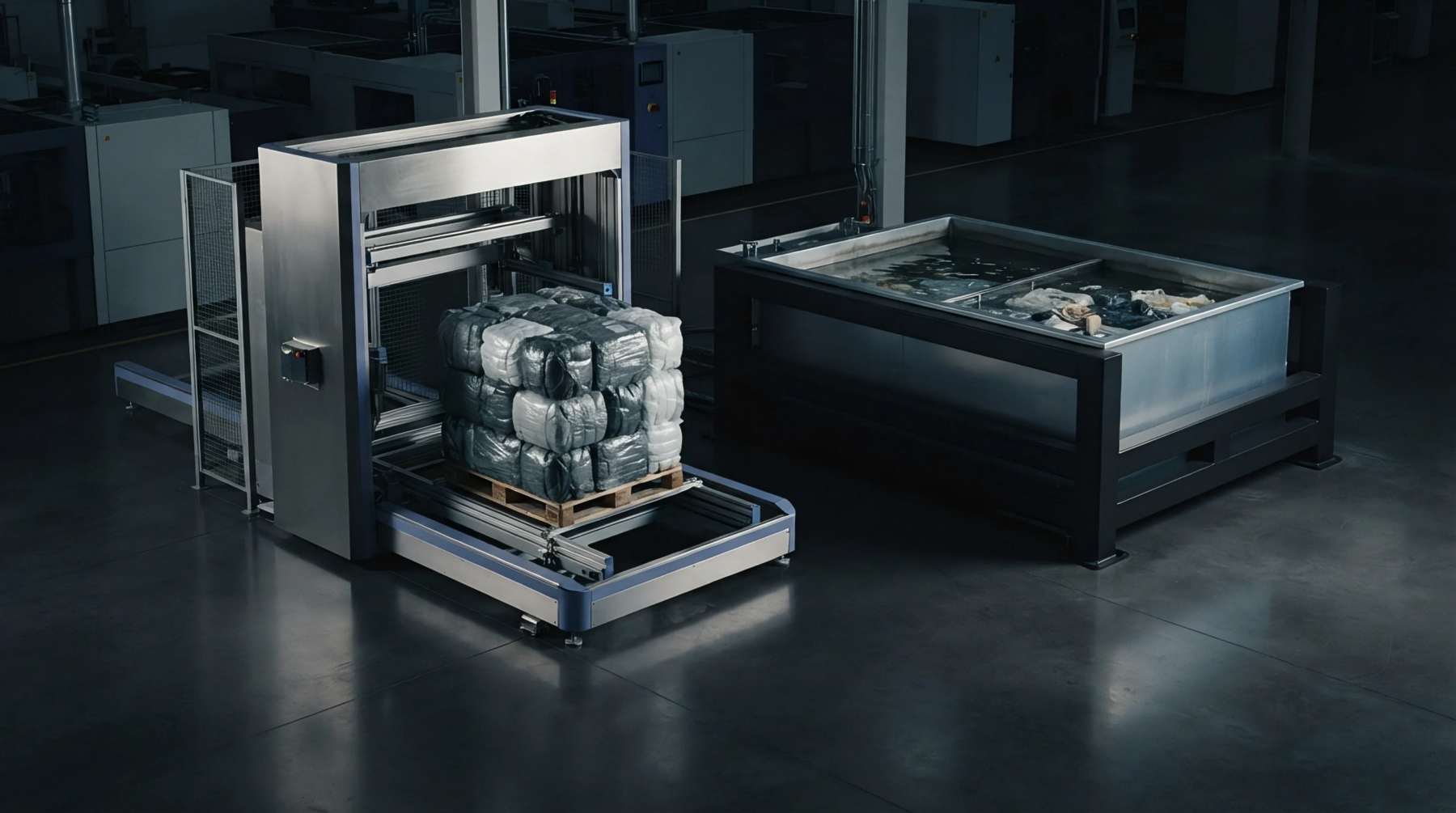
Amorphous sheet stretch dynamics depend on strain hardening and thermal saturation to prevent localized necking and corner blowout during deep thermoforming.
Expertise is a utility, not a secret. sentiention™ publishes its working knowledge as open reference: intelligence layer covering the materials it sources, the markets it enters, and the reference that serves both.