
Basic Technical Criteria for High Flow Polypropylene Homopolymer Selection
Select high flow polypropylene homopolymers by balancing melt flow rate against impact loss, verifying narrow molecular weight distribution and peroxide residues.
Select high flow polypropylene homopolymers by balancing melt flow rate against impact loss, verifying narrow molecular weight distribution and peroxide residues.

Balancing restraint forces under ISO 5459 ensures accurate datum seating without distorting non-rigid polymer part features during coordinate metrology.

Restrained state fixtures simulate final assembly fasteners with calibrated clamps on datum targets to measure flexible plastic profiles accurately.

Datum target placement on compliant plastic parts requires locating pads on rigid structural features and using restrained-state inspection standards.

Polypropylene impact copolymers for frozen containers balance rubber content and viscosity matching to prevent cold brittle failure at minus twenty degrees.
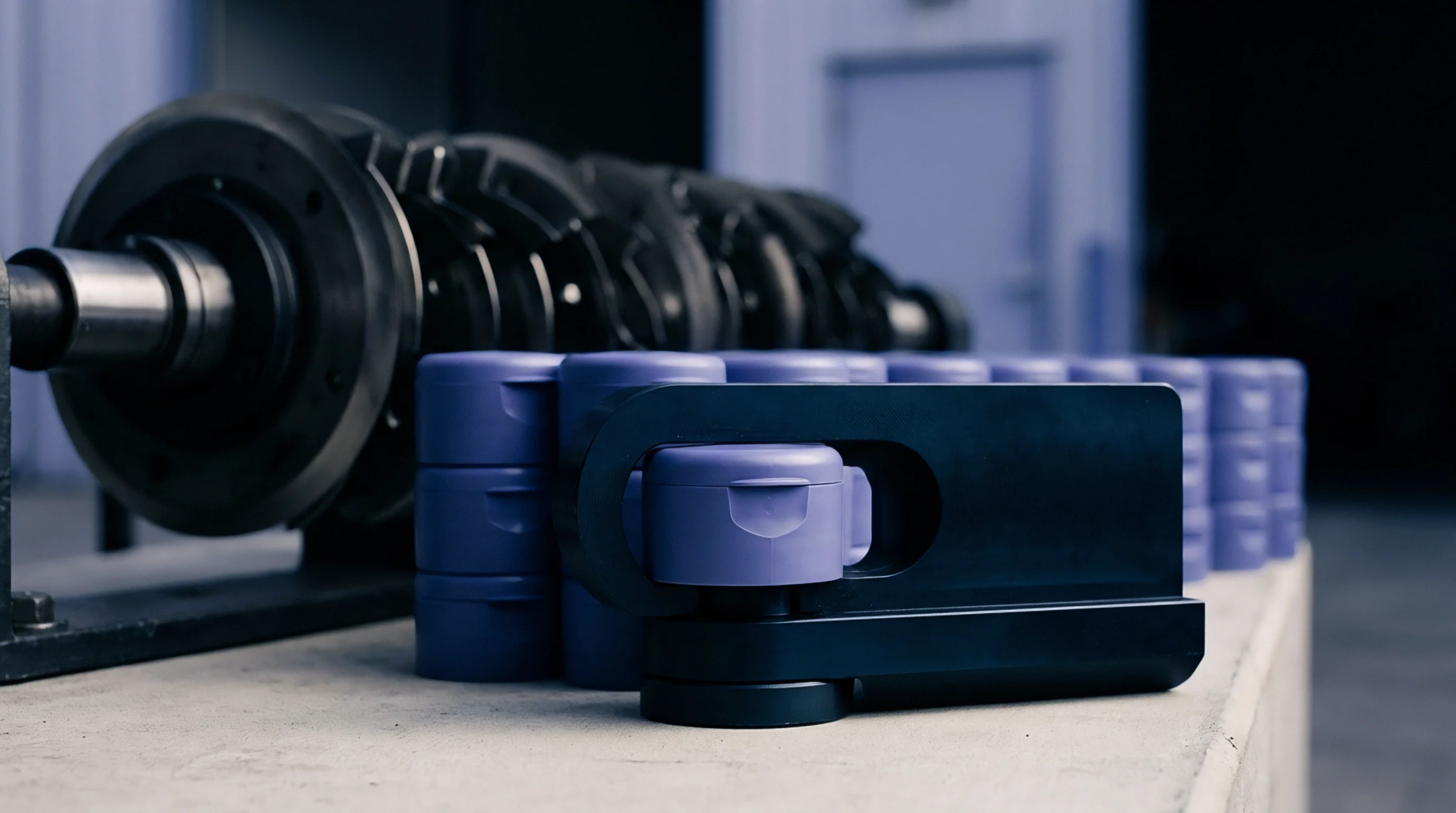
Quantifying ethylene rubber dispersion boundaries via DSC and microphase analysis prevents impact failure and controls scrap rates in heterophasic polypropylene.

Polypropylene impact copolymers sacrifice flexural modulus to gain sub-zero toughness through dispersed ethylene-propylene rubber domains in an isotactic matrix.

Sourcing thin-wall PP homopolymer demands qualifying melt flow rates above 60 g/10 min while auditing peroxide residues to protect mechanical impact.

Heterophasic polypropylene copolymers with controlled rubber dispersion prevent brittle container shattering during sub-zero cold chain transport and drop impact.

Position reference targets on flexible plastic parts at high-stiffness rib intersections using explicit 3-2-1 restraint forces to eliminate gravity sag and inspection disputes.
Evidencing post-consumer recyclate requires batch-level physical mass balance audit trails, independent radiocarbon or DSC testing, and rigorous dock-side sampling before silos accept delivery.
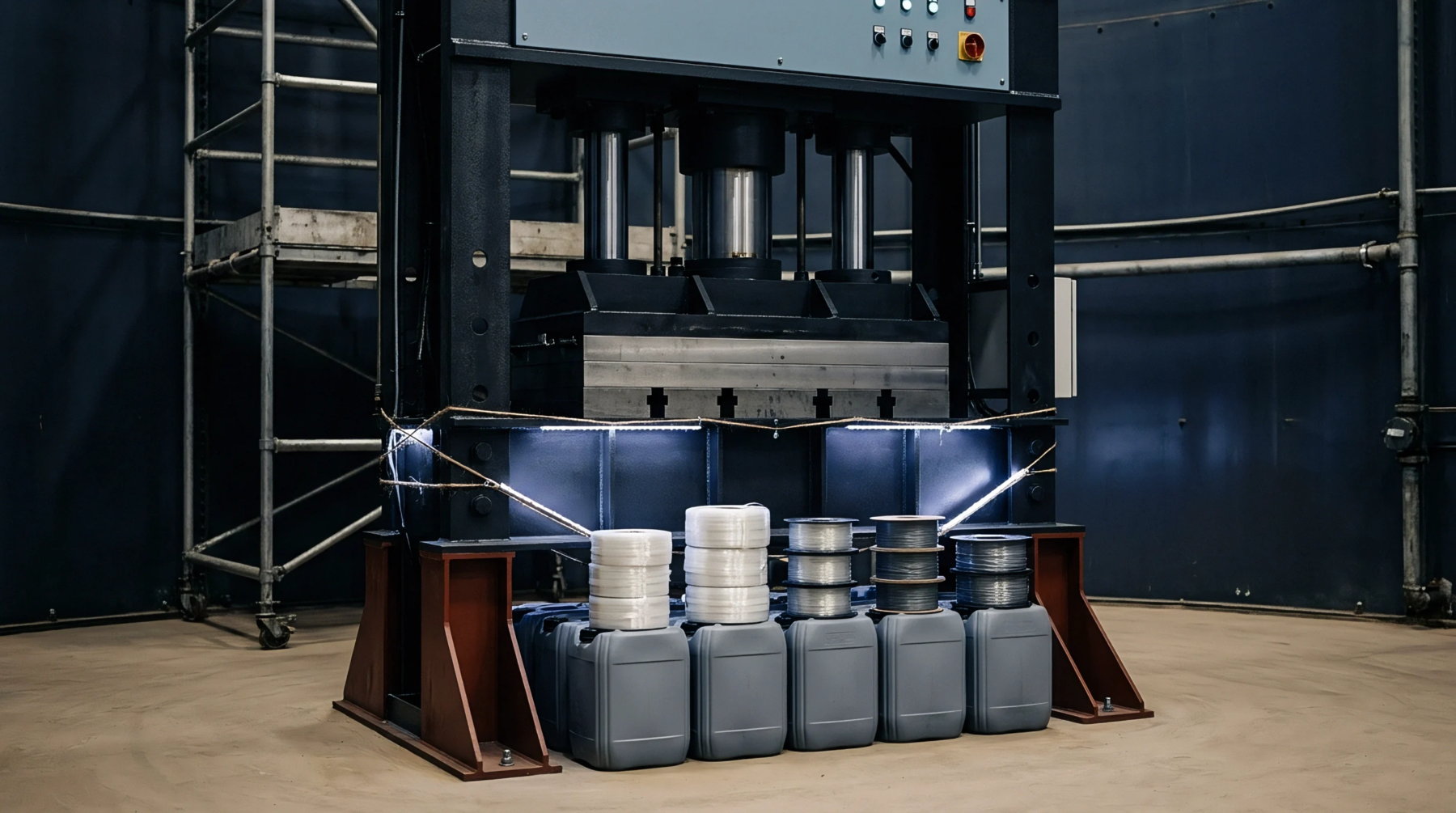
Polymer grade selection fixes mechanical properties, tool shrinkage, cycle time, compliance limits, and final landed part cost across production runs.
Expertise is a utility, not a secret. sentiention™ publishes its working knowledge as open reference: intelligence layer covering the materials it sources, the markets it enters, and the reference that serves both.