Meaning
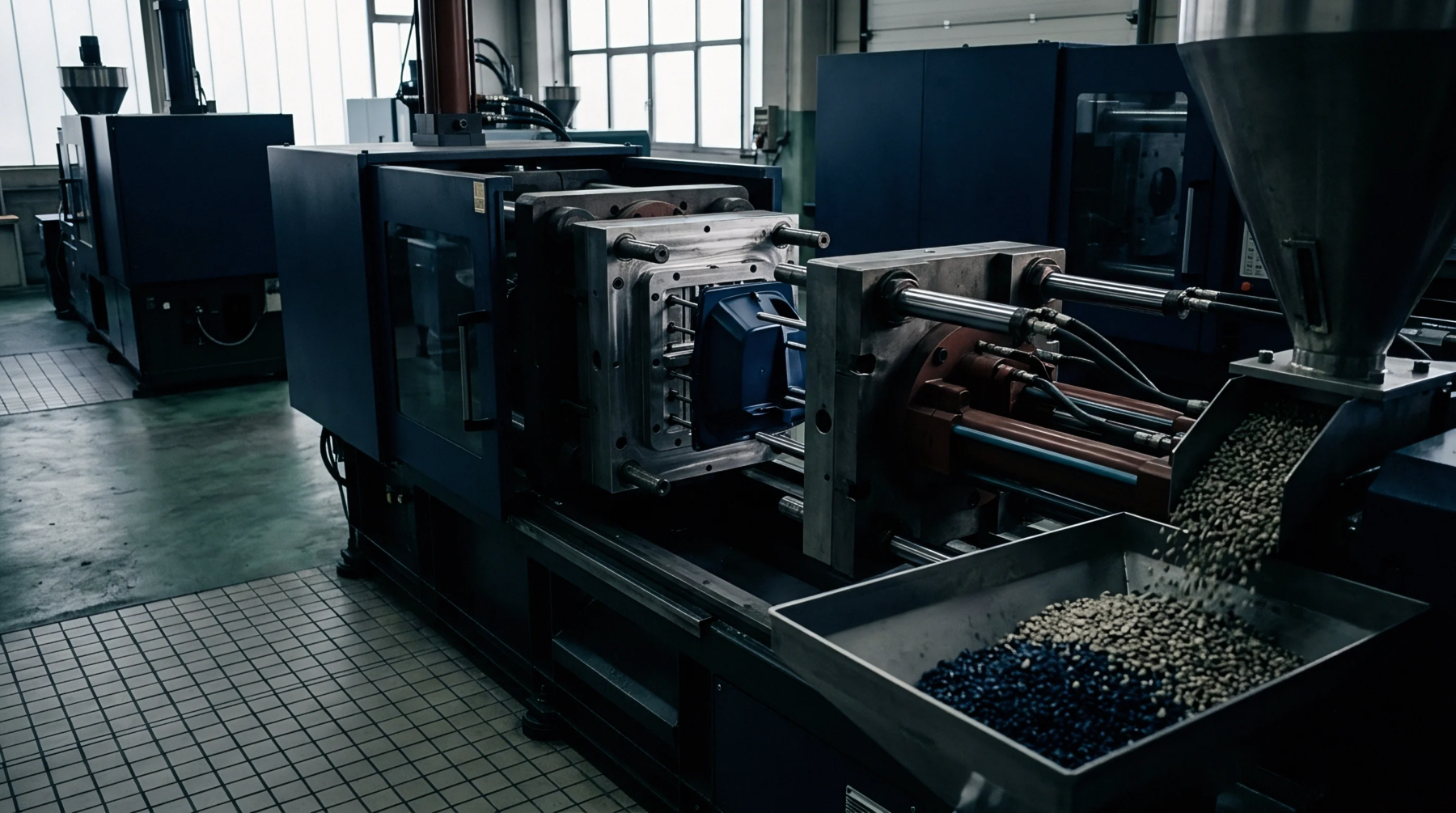
Quality control standards mandate dimensional evaluation of unconstrained flexible parts to determine baseline geometric fidelity. During part approval, free state inspection measures injection moulded plastics without holding fixtures or mechanical restraints. Standard metrology fixtures restrain flexible parts to mimic final assembly positions, but unconstrained testing exposes raw residual stresses.
Polypropylene and nylon parts exhibit significant shape variation when released from mould cavities.
Fixtureless Measurement
Non contact optical scanners capture surface geometry while the part rests on minimal support points. Performing free state inspection requires holding ambient temperature and humidity within narrow bands to prevent thermal drift during measurement sweeps.
Gravity Effect
Gravitational forces deflect low stiffness plastic structures under their own mass. Metrology protocols compensate for gravitational sagging by orienting parts in gravity neutral vectors or applying mathematical deflection models derived from finite element analysis. Heavy sectioned mouldings experience greater gravitational droop than thin walled ribs.
Distinguishing gravitational deformation from internal moulding stress requires taking repeated scans in inverted orientations.
Defect Attribution
Spatial data from unconstrained scans reveal whether warpage originates from differential cooling or mould orientation. When free state inspection confirms that an unconstrained part exceeds drawing tolerances, process engineers adjust pack pressure or cooling line temperatures to balance volumetric shrinkage. Parts that fail unconstrained checks may still pass downstream gauge tests if assembly forces bring the plastic within drawing limits.