Meaning
Differential volumetric contraction creates anisotropic shrinkage in injection moulded semi-crystalline polymers, where molecular orientation along the melt flow channel forces the part to pull away from the cavity walls faster longitudinally than transversely. Toolmakers compensate for this directional disparity during the initial design phase by scaling cavity dimensions unequally along and across the primary molecular alignment vector. Uncontrolled polymer chain relaxation during the cooling phase causes severe warpage and dimensional failure outside the drawing tolerance stack.
When barrel temperature profiles fluctuate, the resulting viscosity shift alters crystallization kinetics, shifting the local volumetric reduction balance and destroying part flatness across the production run.
Tooling Compensation
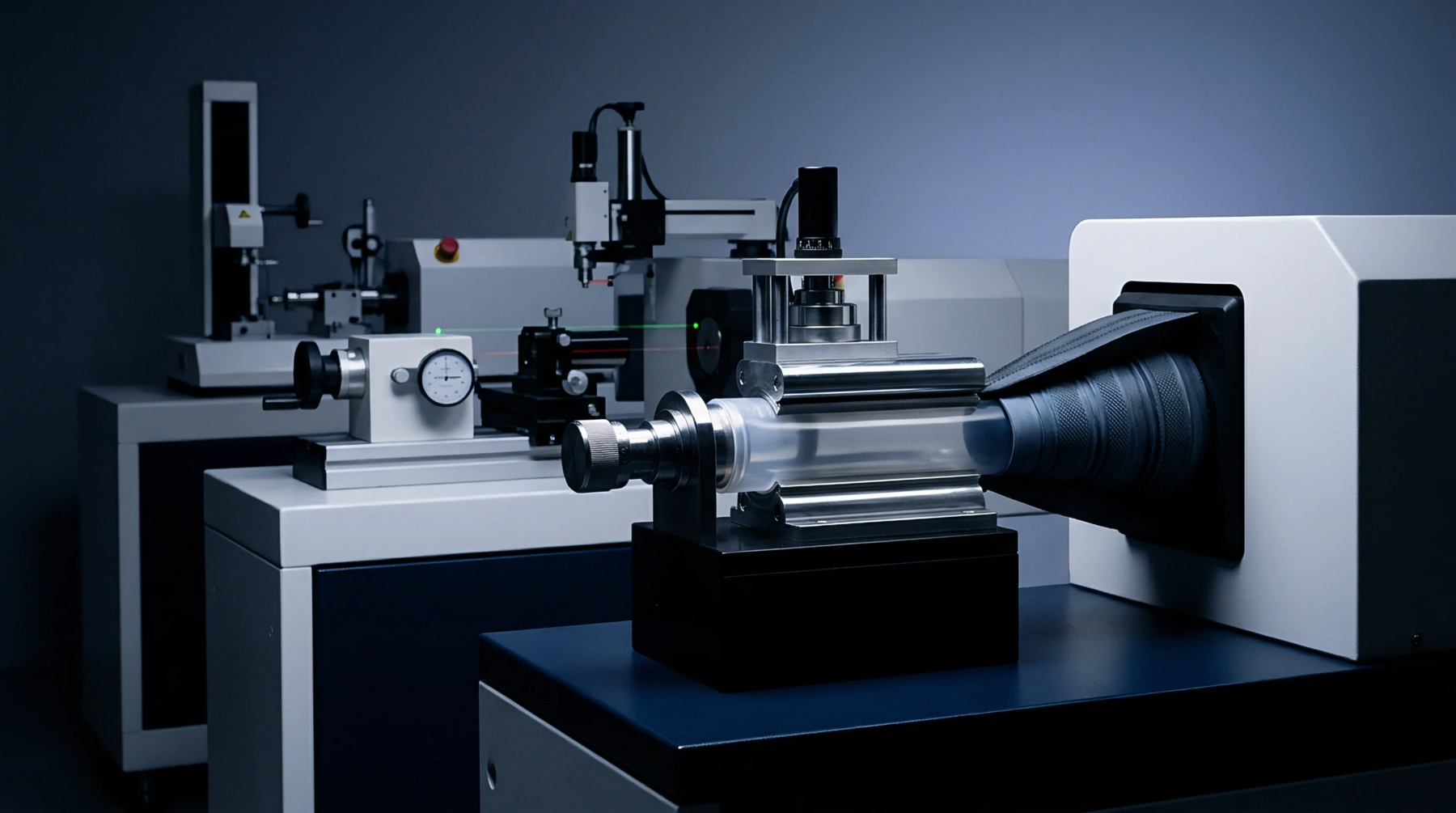
Cavity geometry adjustments rely on thermal expansion coefficients derived from material suppliers during initial tool cutting operations, dictating how much steel must remain on the core block before the first sampling trials. Machinists oversize the gate end deliberately to counter the downstream fibre orientation effect, establishing a baseline geometry that anticipates polymer restriction under high injection pressure. Production engineers measure trial components using coordinate measuring machines to verify whether the actual volumetric relaxation matches the predicted computer simulation output.
Virgin polymer batches exhibit predictable directional ratios, whereas regrind fractions introduce viscosity variations that skew the contraction profile away from the nominal simulation model.
Process Stability
Melt temperature manipulation directly alters the cooling rate, governing the time available for spherulite growth within the core of the moulding machine barrel. Injection speed determines the shear rate experienced by the polymer chains as they pass through the narrow runner system, locking in residual stresses that dictate subsequent part deformation. Holding pressure maintains material density inside the closed mould until the gate freezes completely, counteracting immediate volume loss while the thermal front retreats inward.
Hydraulic pressure loss inside the accumulator circuit produces immediate density gradients across the molded article, inducing localized distortion that destroys assembly tolerances.
Economic Cost
Scrap rates escalate rapidly when directional movement forces rejected parts outside customer specifications during high-volume automotive component production runs. Tool steel modification expenses mount whenever sampling reveals that preliminary steel removal was insufficient to correct the angular distortion of the finished moulding. Material grade substitutions disrupt established machine parameters, forcing lengthy tool trials that consume valuable production hours and inflate manufacturing overhead.
Accurate prediction of directional cavity movement prevents expensive steel welding and recutting cycles, protecting tooling budgets and maintaining predictable part delivery schedules.