
In Situ Optical Surface Profilometry for Narrow Injection Mold Cavities
In situ optical profilometry resolves sub-micron cavity wear in narrow tool ribs using fiber-coupled chromatic sensors sealed behind purged sapphire windows.
In situ optical profilometry resolves sub-micron cavity wear in narrow tool ribs using fiber-coupled chromatic sensors sealed behind purged sapphire windows.

Recutting tool steel establishes a stable process window that lowers long-term scrap costs and cycle times compared to forced parameter tuning.

Cavity cooling rate drives polyamide skin-core spherulitic growth, setting local crystalline phase balance, volumetric shrinkage, and achievable DIN 16742 tolerances.
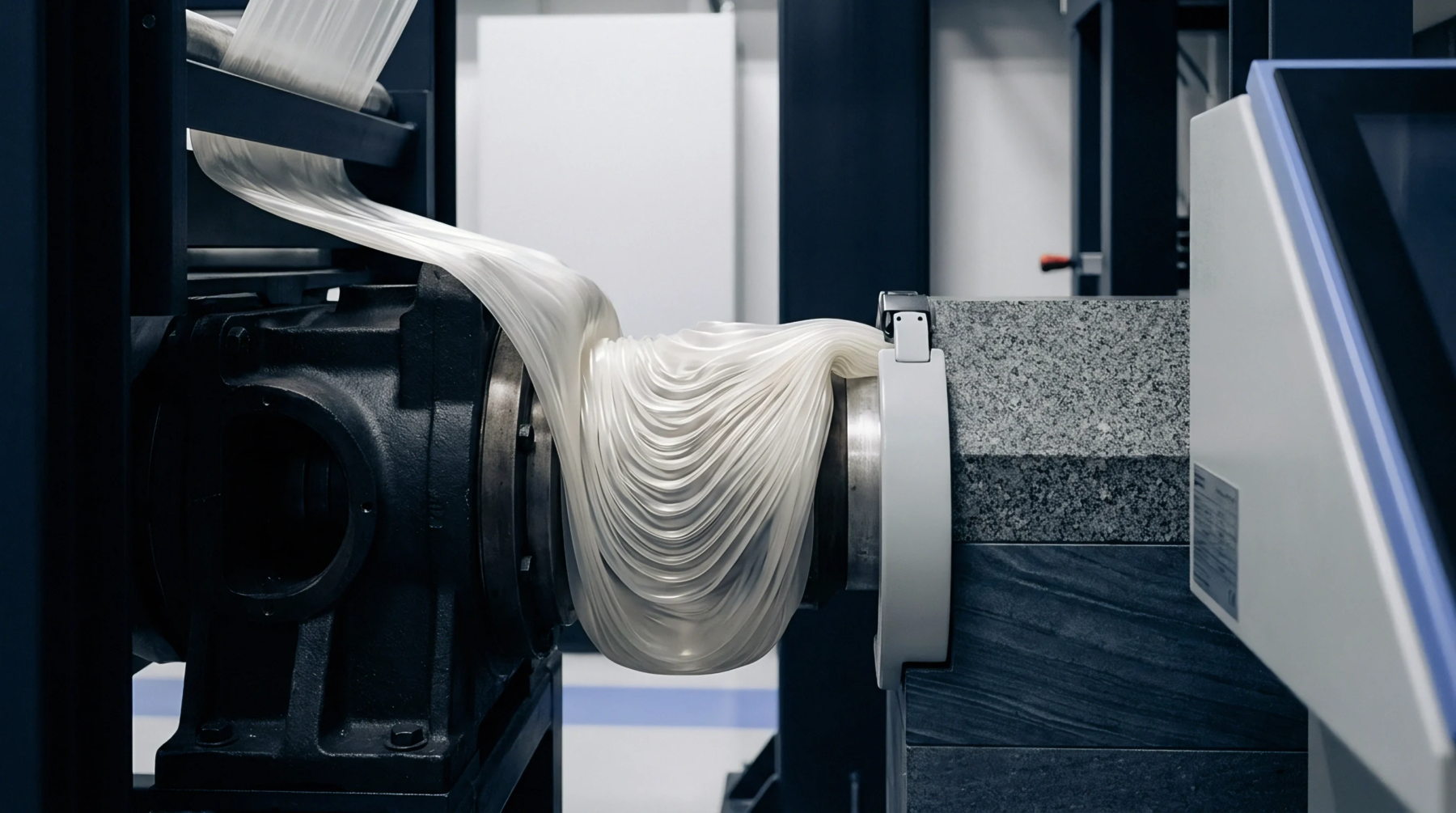
Calibrating transfer points via press-side viscosity curves optimizes fill pressure, cuts part mass variation, and locks in DIN 16742 tolerance bands.
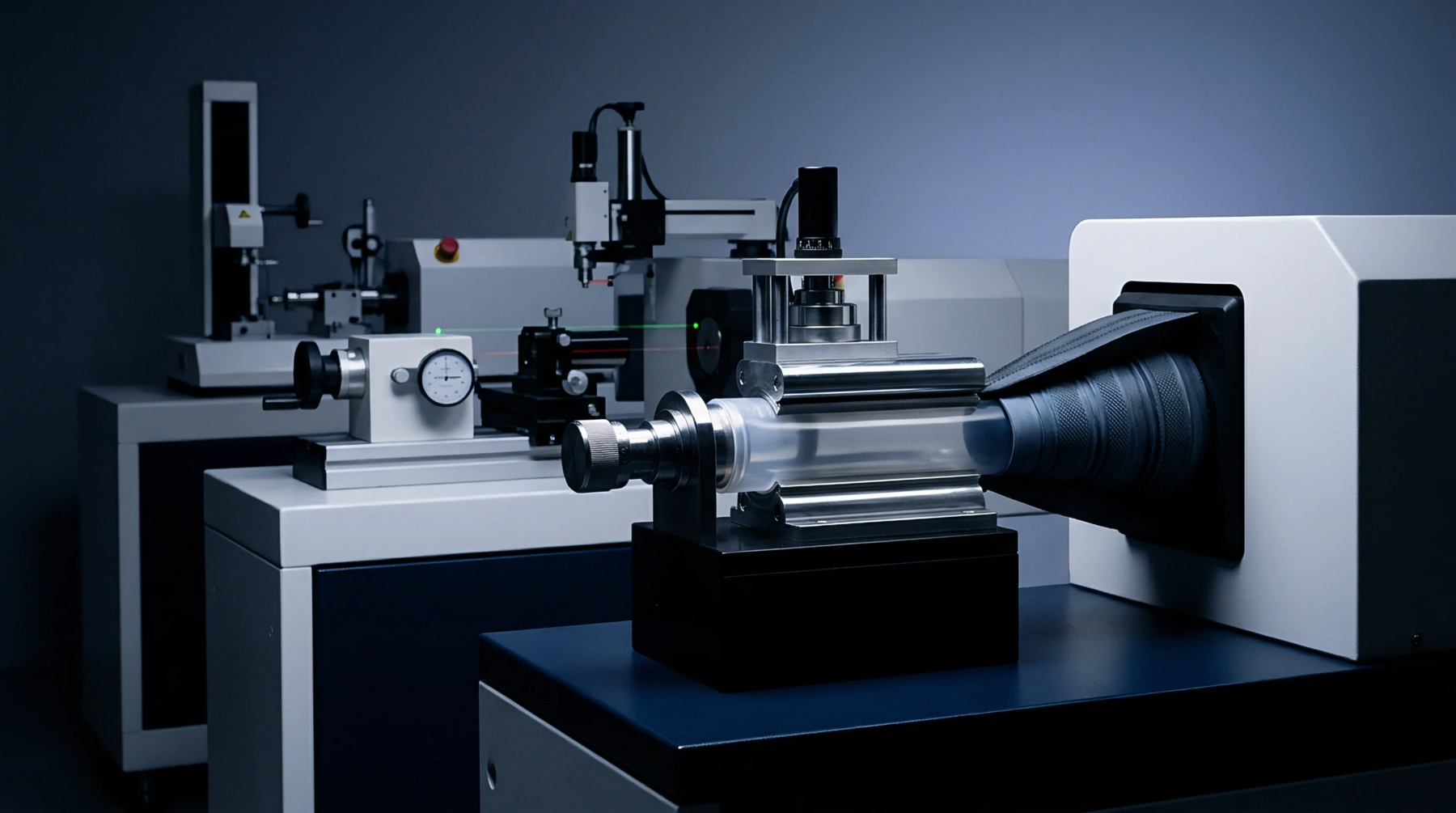
Controlled steel modifications require process window locking, metal-safe geometry audits, and metallurgical stress relief before qualified production release.

Closed loop ultrasonic drift compensation tracks phase angle shifts to decouple thermal steel expansion from polymer melt density during variothermal cycling.

Sub-micron replication requires peak cavity pressures above 180 MPa paired with dynamic mold heating exceeding polymer Tg before melt arrival.

Managing shear imbalance across high-density cavities depends on rotating channel boundary layers at runner splits to equalize melt viscosity before gating.

Predicting multi-cavity shutoff fatigue using Weibull B10 modeling prevents parting line flash by scheduling pre-load insert replacement before steel spalling occurs.
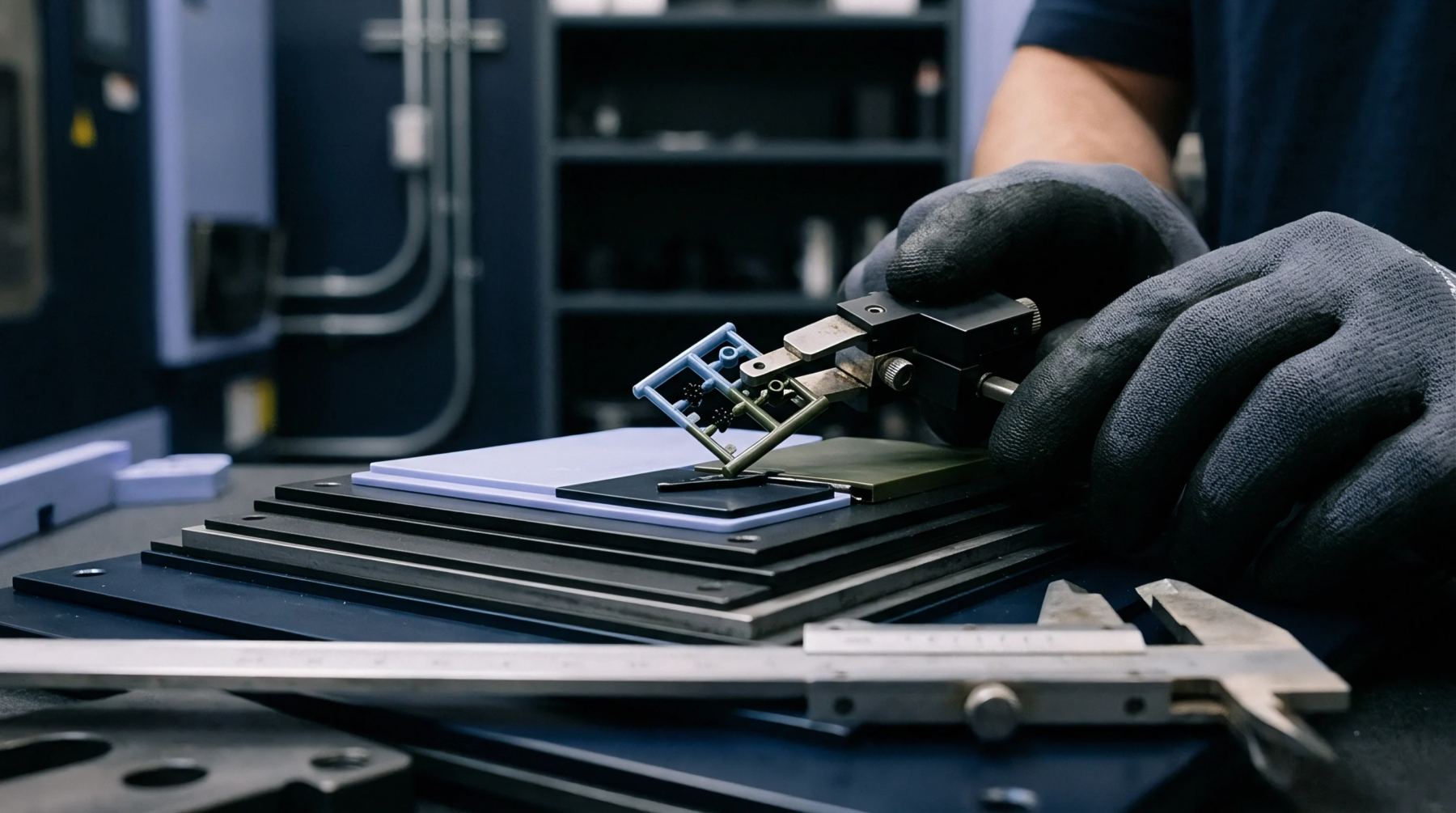
Cavity pressure measurement in micro-injection tooling decouples machine dynamics from cavity fill, eliminating part weight variance and micro-defects.
Wireless cavity pressure arrays quantify real-time rheological imbalance in multi-cavity molds to optimize tool steel tuning and eliminate scrap.

Cavity surface texture increases interfacial thermal contact resistance, delaying resin skin freeze and increasing semi-crystalline thermoplastic shrinkage.

Resolving rheological imbalance in high cavitation manifolds demands shear-decoupled runner geometry, active zone heating, and cavity pressure monitoring.
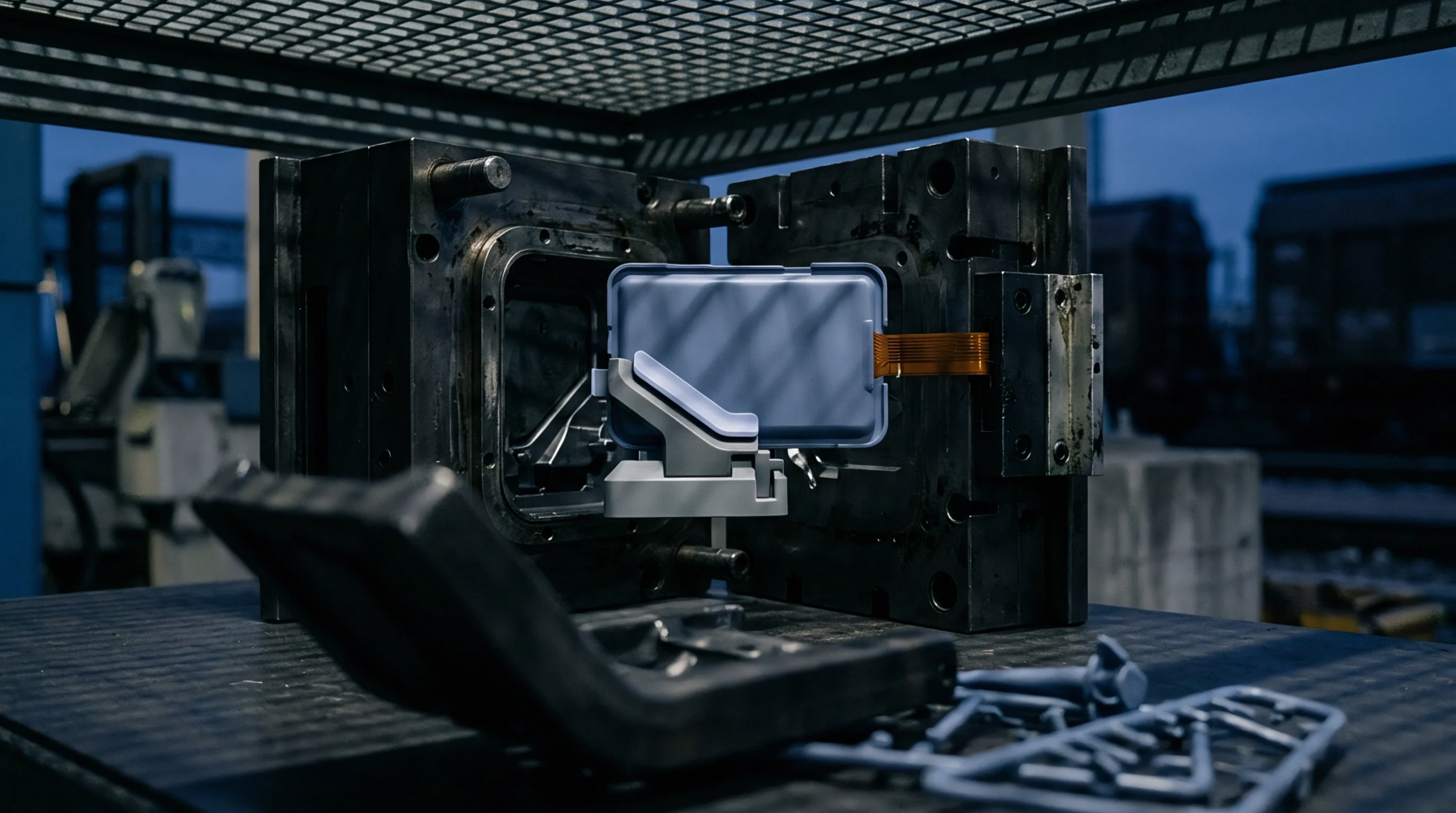
Cooling circuit design dictates actual injection cycle time; quotes assuming unrealistically fast cooling cause part warpage or forced piece-price increases.

Predicting adiabatic shear banding during high-velocity preform inflation requires coupled thermomechanical models evaluating strain hardening against rate-dependent thermal dissipation.
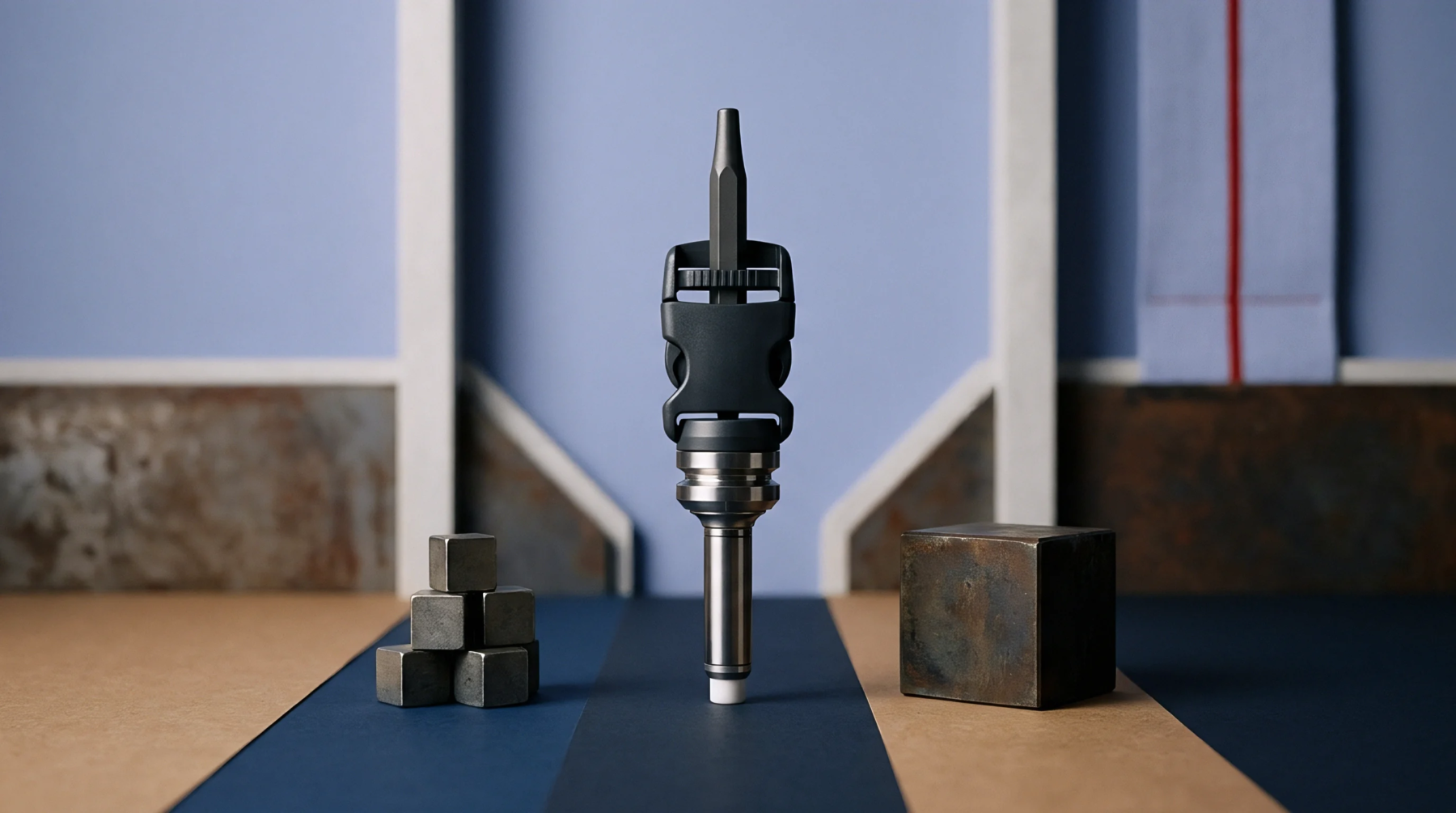
Non-uniform tool steel thermal expansion creates spatial cavity temperature deltas that drive measurable dimensional drift across multi-cavity molds.
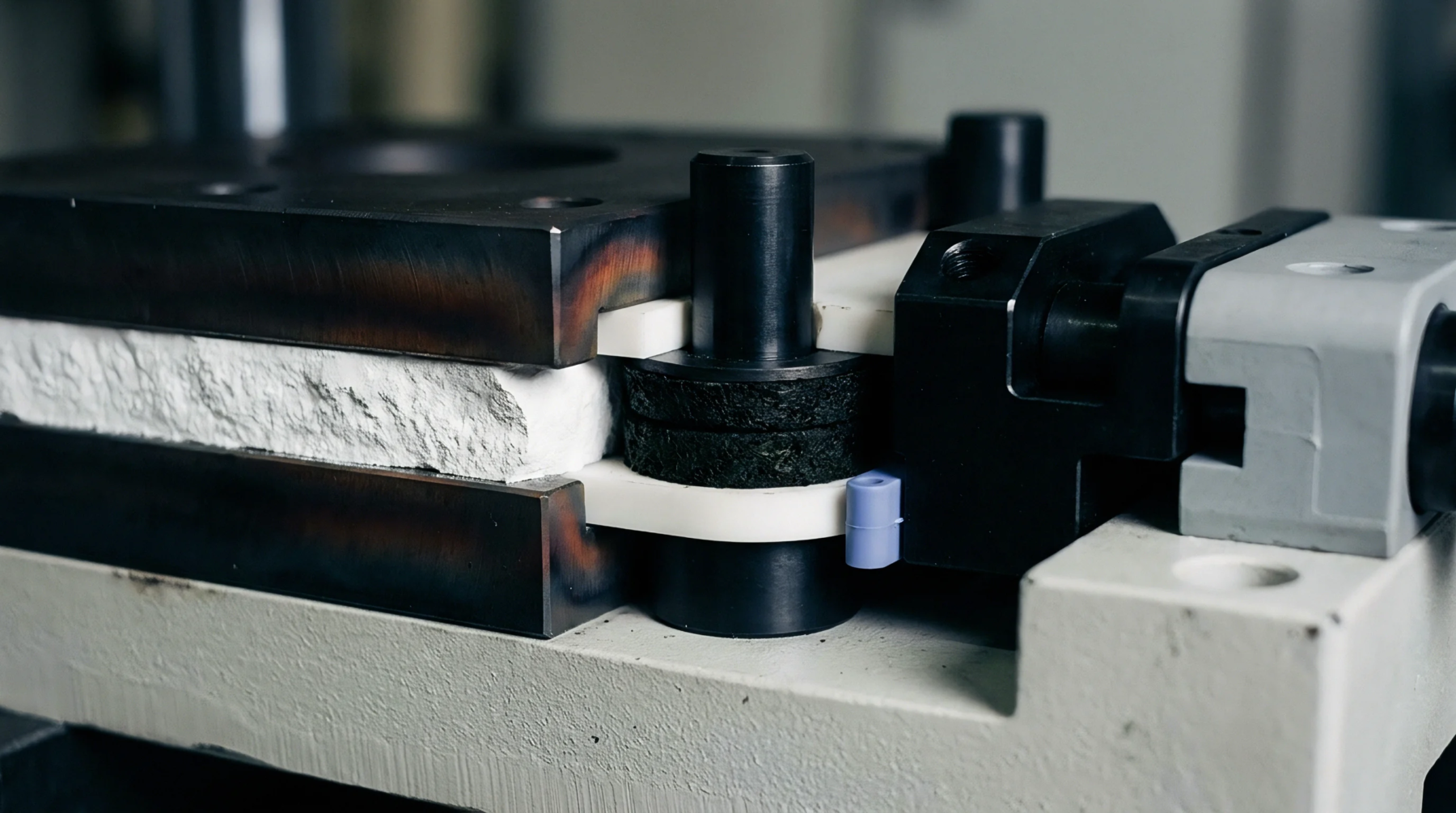
Cavity telemetry degrades in PEEK moulds as 200°C heat collapses sensor insulation resistance, demanding gallium phosphate crystals and cooled preamplifiers.

Cavity pressure directly controls polyamide crystallization and volumetric shrink, requiring precise transducer monitoring to hold DIN 16742 tolerances.
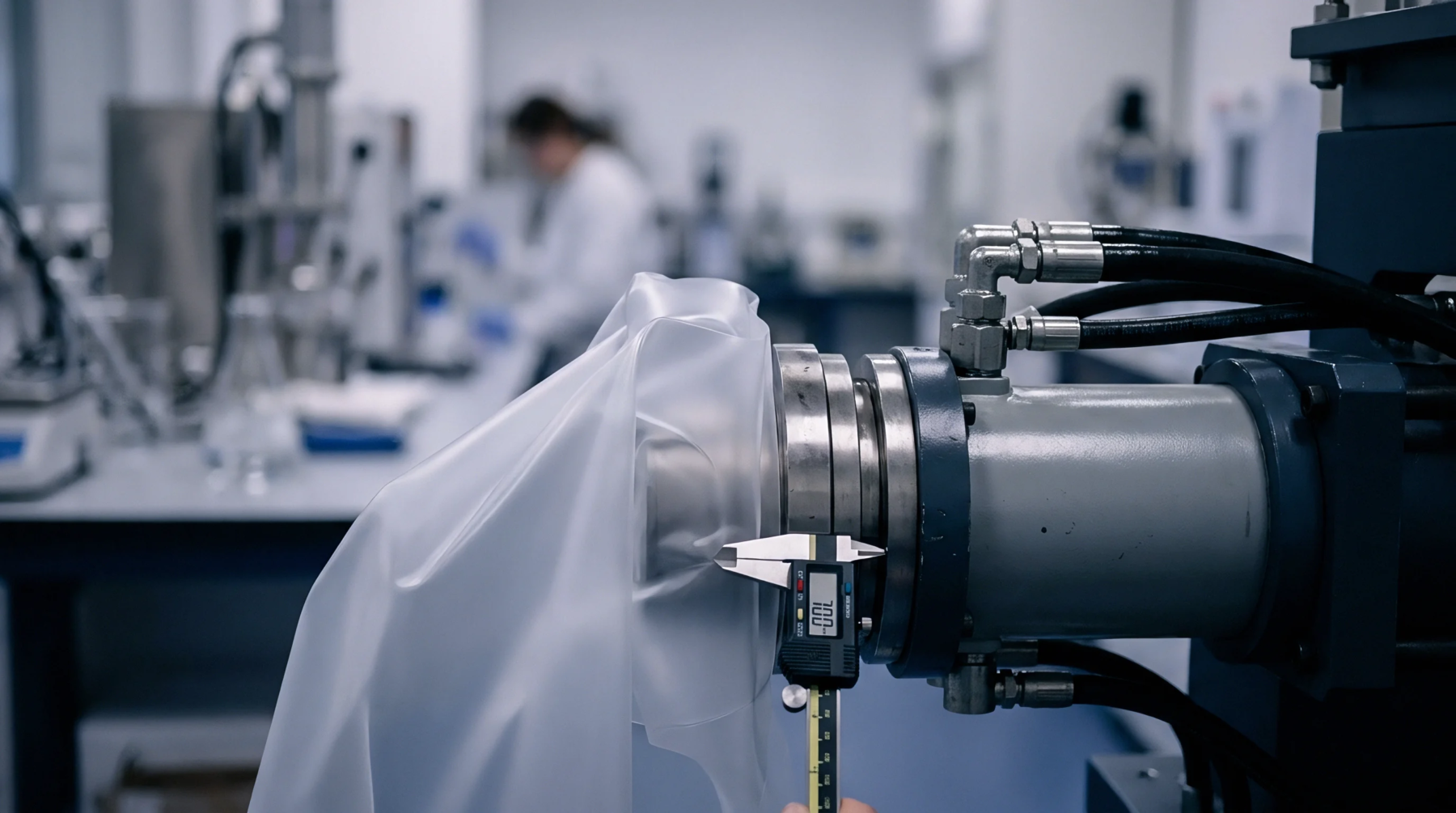
Non-isothermal Moldflow viscoelastic stress mapping converts frozen-in injection shear and thermal gradients into Abaqus structural FEA to prevent boss root yield.

Modifying nominal wall sections during tooling qualification requires balancing flow pressure drops against cooling cycle delays and steel-safe machining routes.

Statistical process control tracking of parting line wear prevents mold shutoff hobbing and reduces plastic part flash scrap.
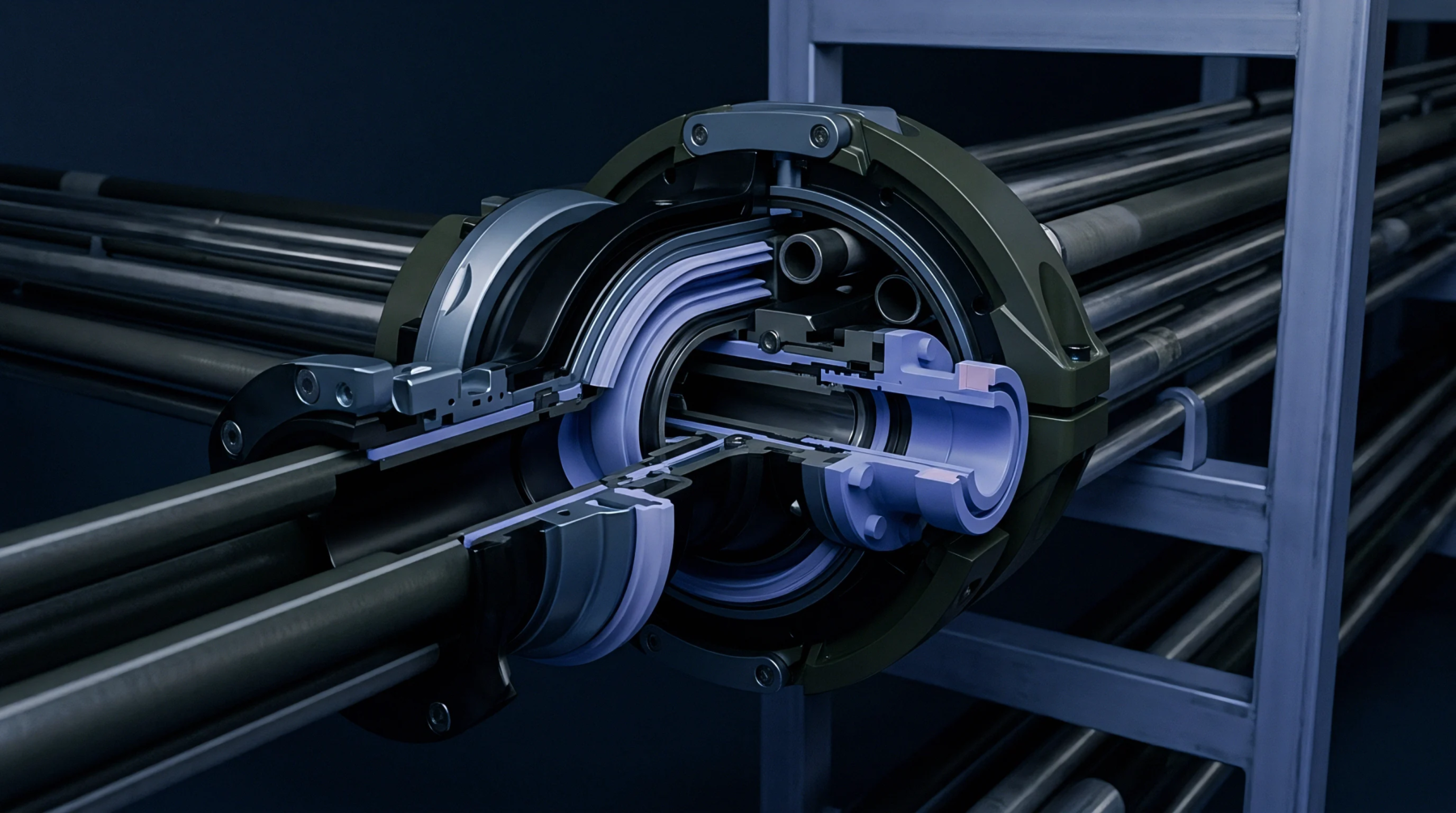
Post-cut wall section increases require steel removal that permanently alters cooling dynamics, cycle time, and dimensional stack-ups.
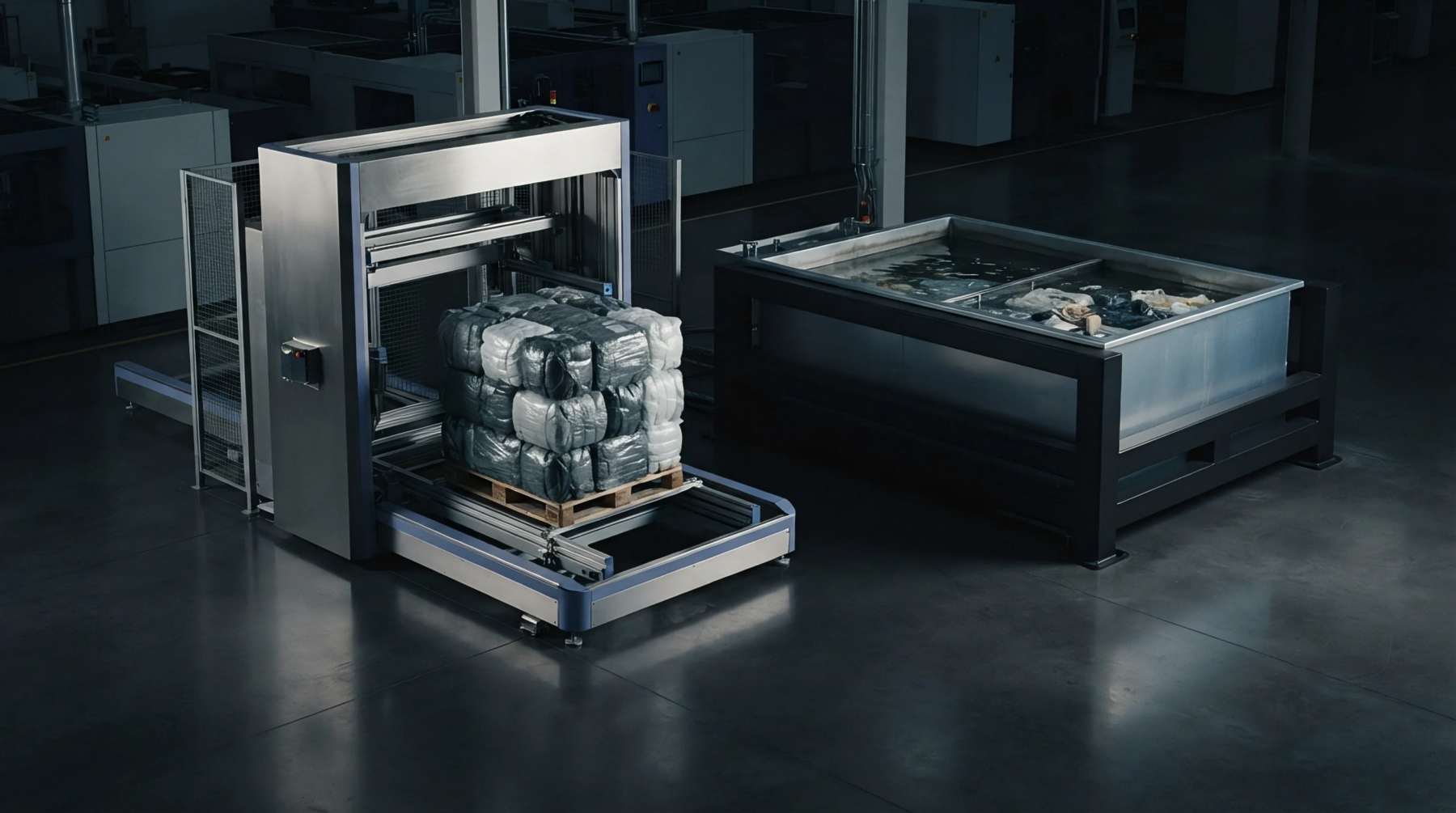
Amorphous sheet stretch dynamics depend on strain hardening and thermal saturation to prevent localized necking and corner blowout during deep thermoforming.

Thermoforming delivers lower total landed cost below fifteen thousand units by saving upfront tooling capital, beyond which injection piece price efficiency dominates.
Expertise is a utility, not a secret. sentiention™ publishes its working knowledge as open reference: intelligence layer covering the materials it sources, the markets it enters, and the reference that serves both.