Meaning
A physical measurement describes the temperature drop across the interface between two solid objects pressed together. Thermal contact resistance quantifies the obstruction to heat flow occurring at microscopic gaps where uneven surfaces meet. Trapped air pockets or partial material contact impede conduction across the junction.
This value provides a baseline for heat transfer analysis in polymer tool design or component housing. The phenomenon ceases to dominate when high pressure flattens these asperities or when thermally conductive grease fills the voids.
Interface Physics
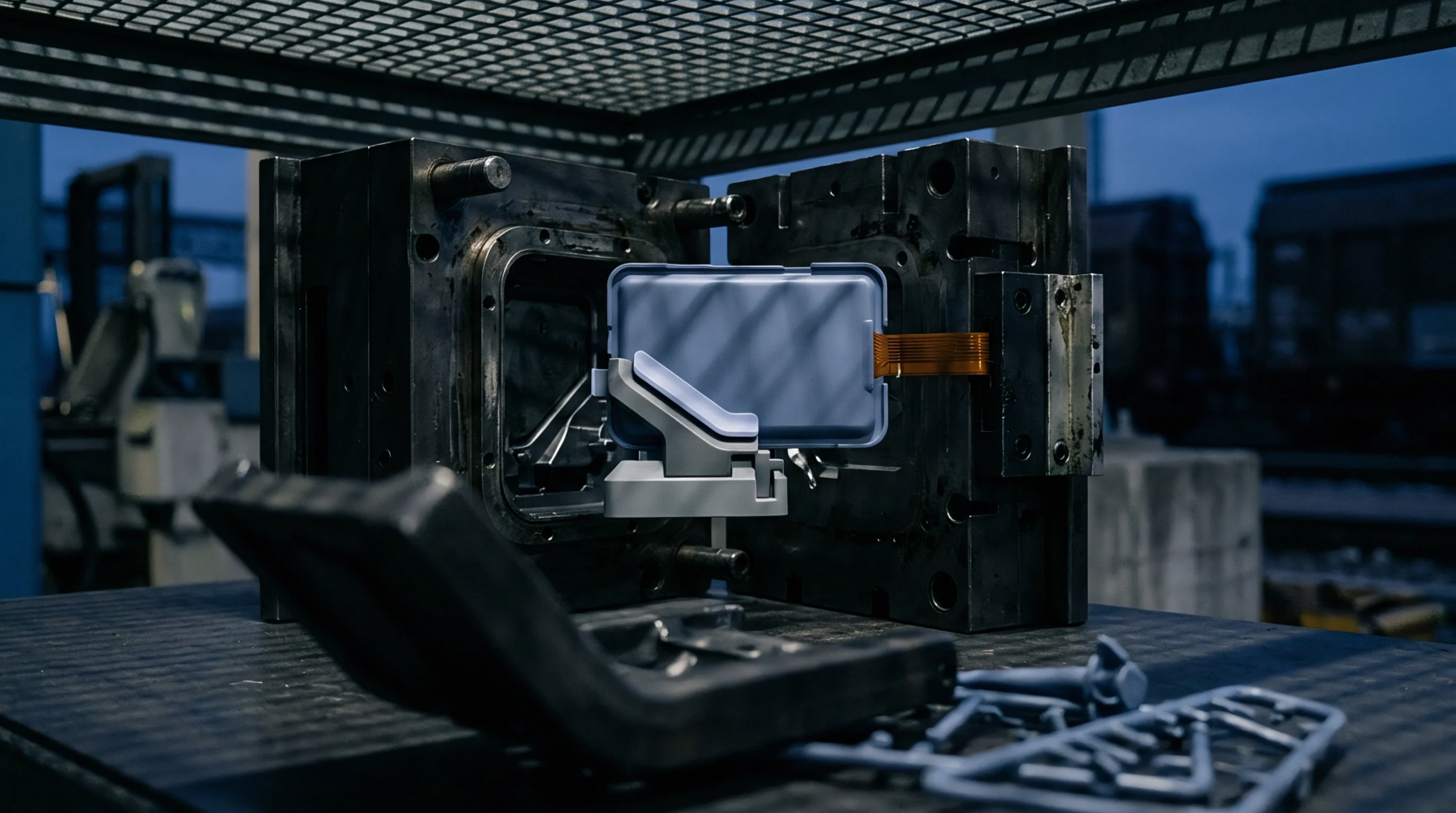
Surface topography dictates the magnitude of this impedance during the moulding cycle. Microscopic peaks on a steel mould cavity touch the cooling plastic part only at discrete points. Most of the interface area remains occupied by insulating gas layers that prevent rapid heat dissipation.
A moulder calculates the cooling time based on the conductivity of the bulk polymer but often neglects the bottleneck at the wall. This oversight leads to warping or cycle time drift if the clamping force varies between batches. Precision cooling channels depend on the intimacy of contact between the insert and the carrier block to maintain uniform heat extraction.
Variations in the roughness of the metal surface directly change the rate of cooling through the wall.
Assembly Factors
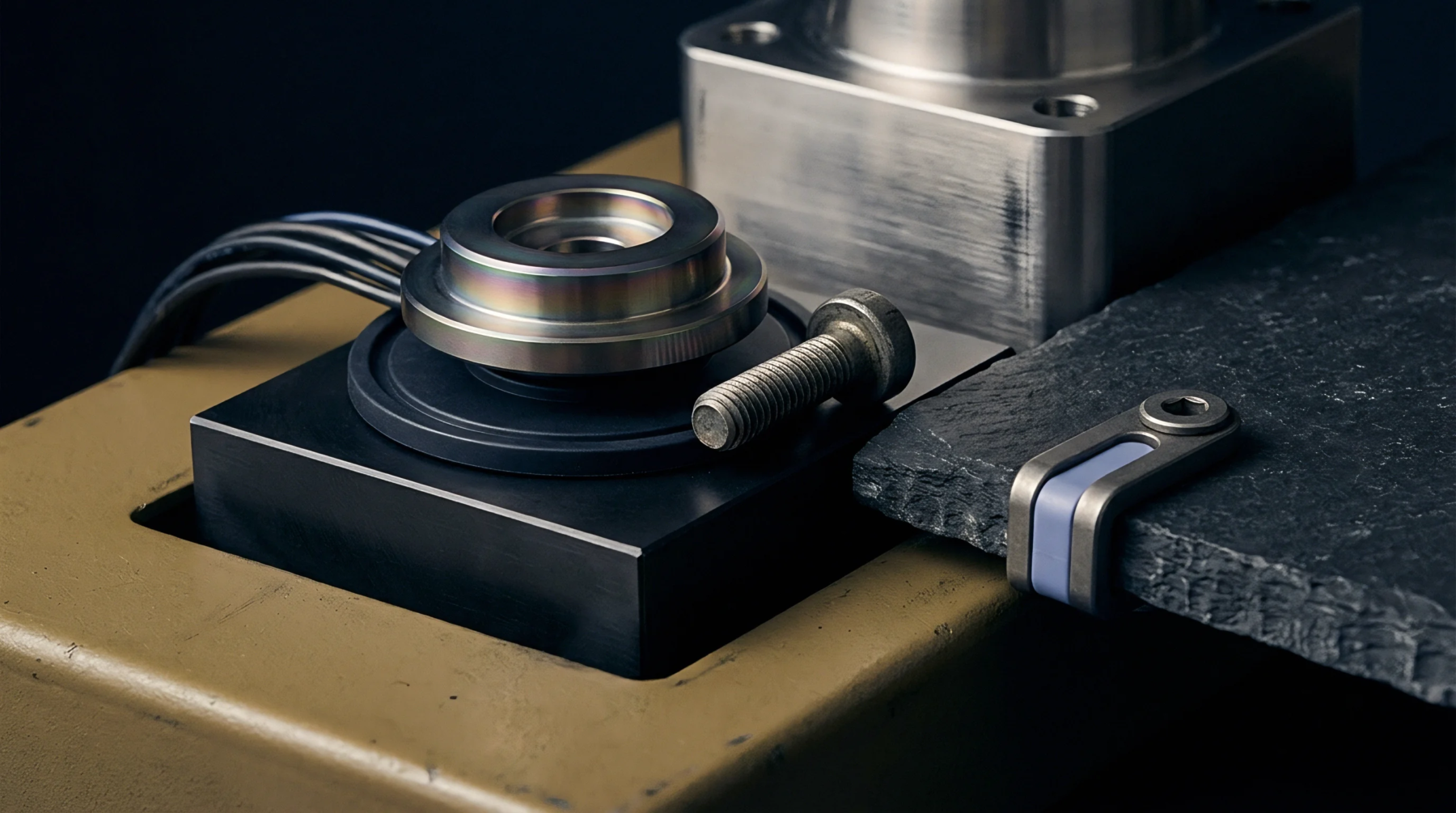
Machine clamping pressure influences the total heat transmission across the junction of a polymer part and its metallic heat sink. Higher force reduces the size of trapped air pockets by collapsing the rough profiles of the mating components. Heat flow improves as the real area of contact increases under load.
Standard specifications for heat sinks assume a flat surface but actual moulded parts often possess slight curvature or warpage that ruins this assumption. Moulders address this risk by applying thin films or heat transfer compounds to eliminate air gaps. Virgin resin behaves differently than regrind material under these constraints because regrind typically introduces inconsistent morphology that alters surface finish.
A datasheet provides values derived from idealized laboratory specimens. Real production environments rarely hit these figures because surface oxidation or microscopic debris creates an additional insulating barrier.
Performance Impacts
Excess heat retention near the surface causes localized degradation in the polymer chain during high speed cycling. This heat accumulation forces a slower cycle to prevent sticking or internal voids within the finished part. Designers compensate by selecting materials with higher thermal conductivity yet the interface bottleneck often negates these improvements.
Cost increases arise when technicians attempt to machine the surfaces to higher levels of flatness to improve conduction. Production records indicate that a stable clamping environment is the primary determinant of consistent cooling. Effective heat transfer relies more on the integrity of the mechanical junction than on the intrinsic thermal property of the bulk material.