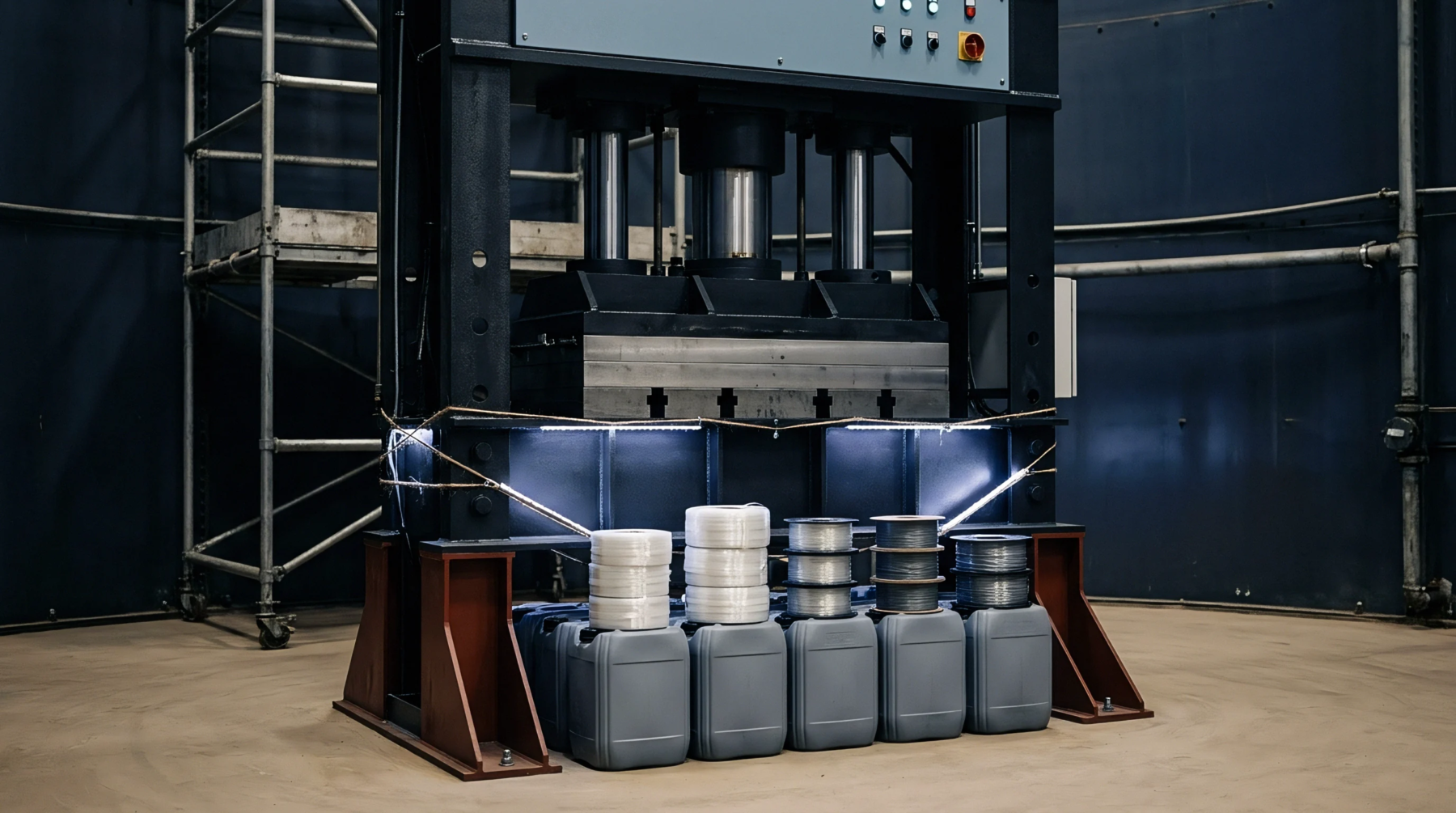
Thermal Expansion and Mold Frame Deflection Adjustments for Angled Hydraulic Shutoffs
Angled hydraulic shutoffs demand deliberate cold clearances and mechanical preloads to balance thermal expansion against frame deflection and prevent flash.
Angled hydraulic shutoffs demand deliberate cold clearances and mechanical preloads to balance thermal expansion against frame deflection and prevent flash.
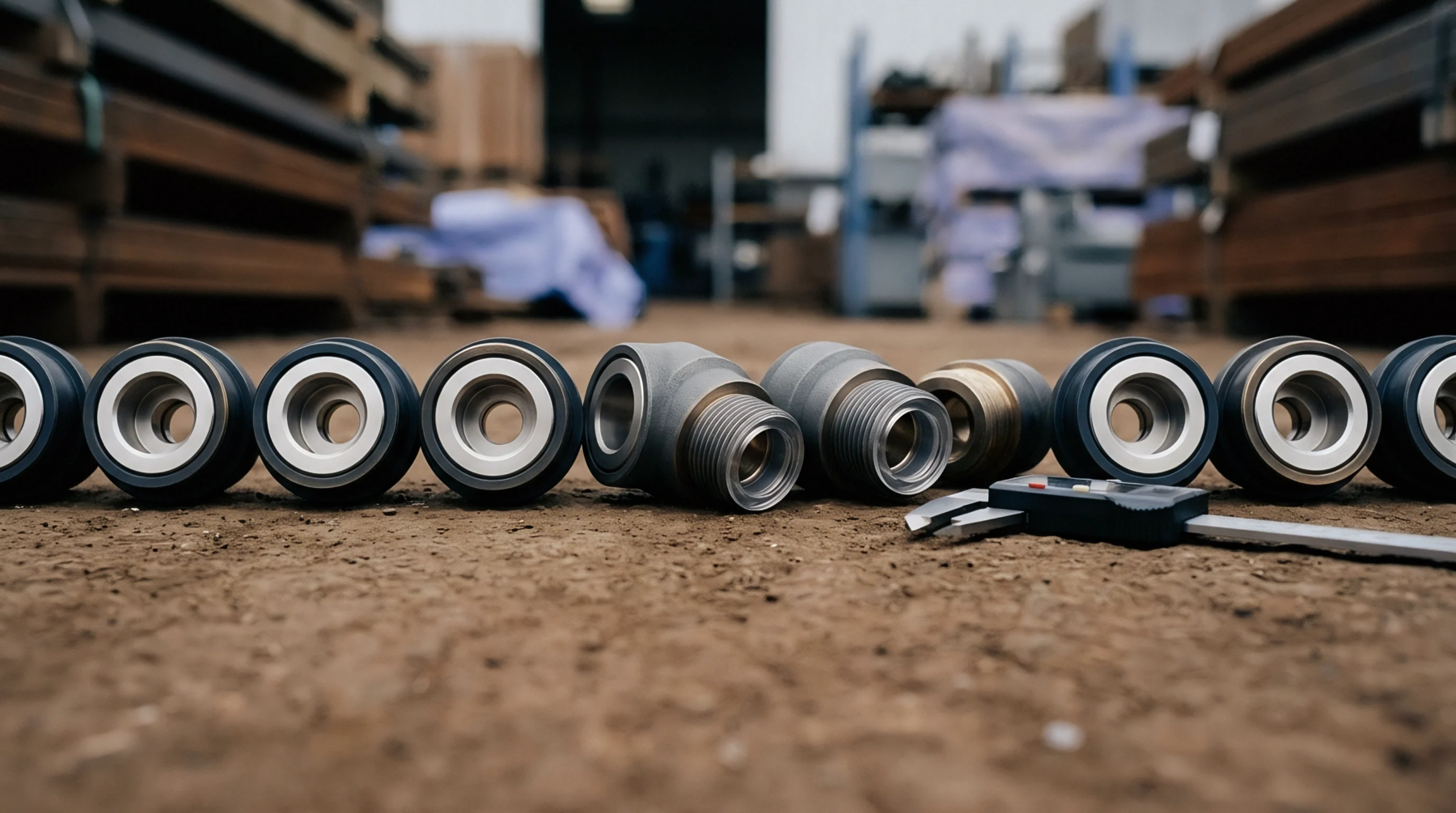
Verify shutoff lands by balancing land contact area to machine tonnage and confirming 85 percent contact via pressure film and hot-mold wire crush testing.

Trans-steel sensor arrays require dielectric waveguides or acoustic paths to bypass extreme RF loss, maintaining a 15 dB link margin under full clamp tonnage.
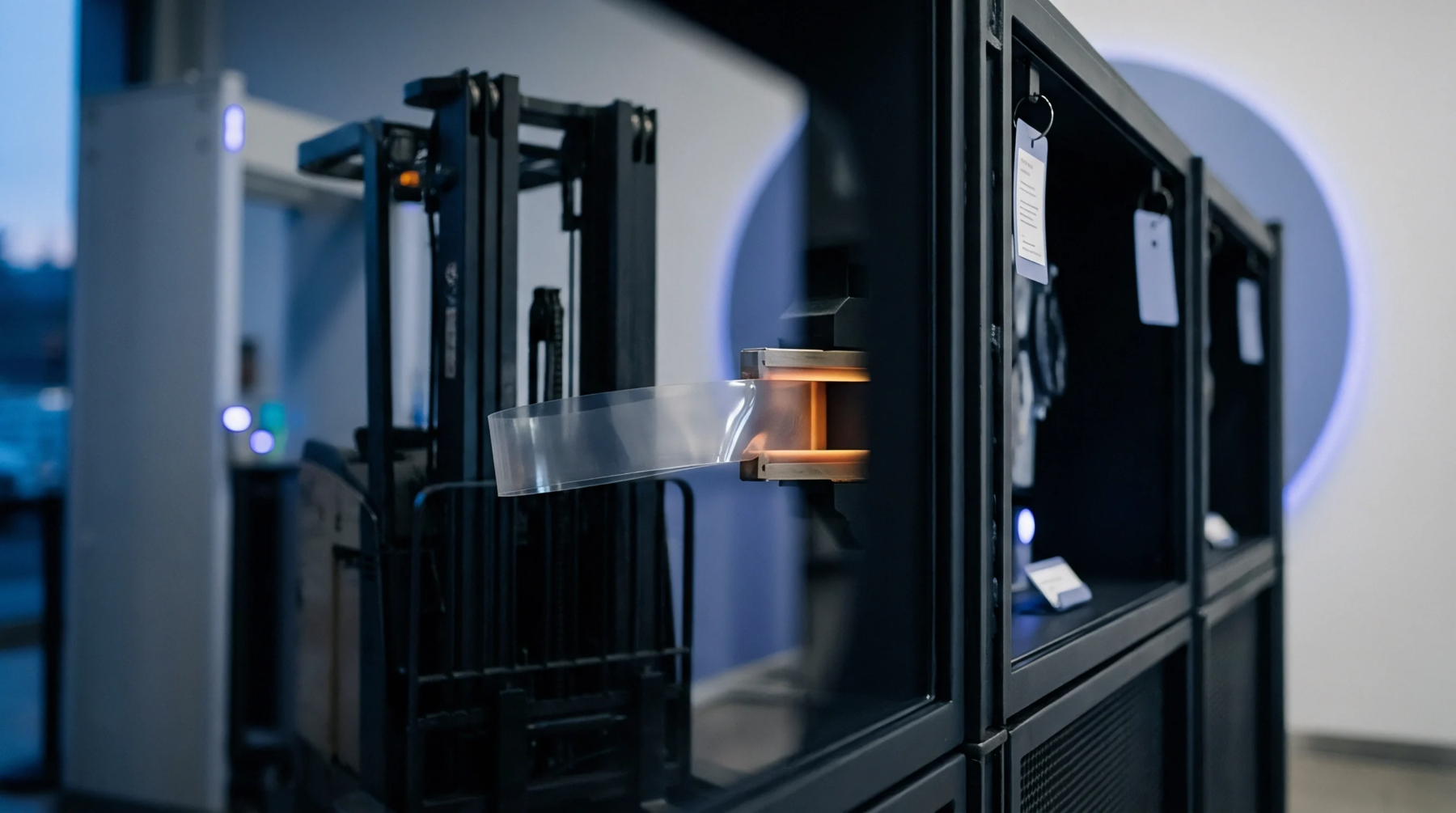
Rigid sensor pocket tolerances and in-press dynamic charge calibration isolate melt viscosity shifts from thermal pin deflection across multi-cavity tools.

Balancing standing steel thickness below sixty percent of nominal wall and maintaining turbulent cooling prevents cosmetic sink marks.

Injection mold land recession requires SPC tracking of shut-off steps to schedule laser micro-welding before parting line wear causes flash.

Enforceable injection tooling bailment combines clear contract title and UCC filings with permanent steel asset plaques and tamper-proof cycle monitors.

Deterministic TDMA wireless telemetry across multi-cavity tooling eliminates fragile wiring harnesses while preserving sub-millisecond pressure curve tracking.
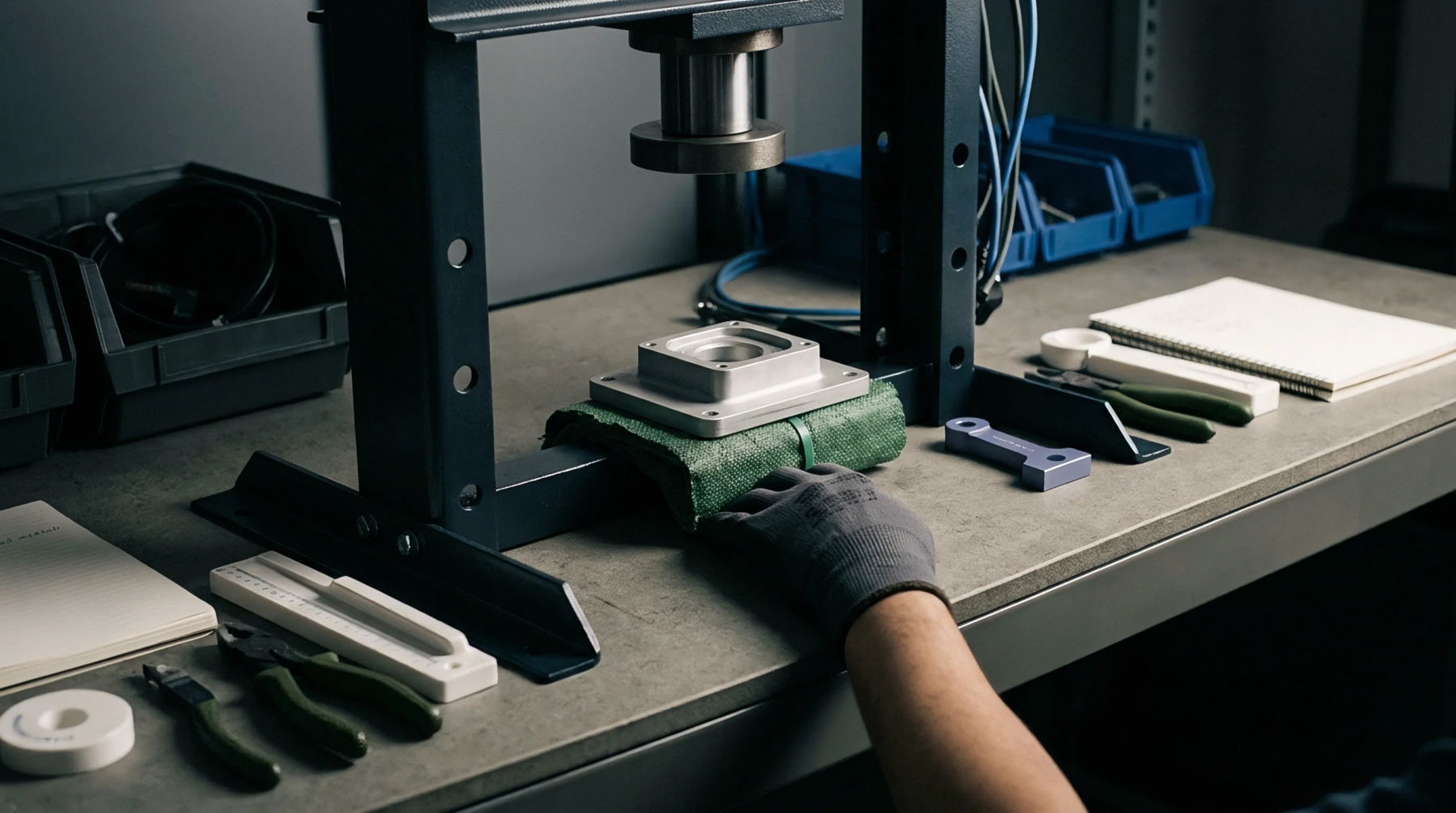
Predicting parting line wear and deflection requires balancing support pillar layouts, steel hardness, and thermal expansion gaps against resin flash limits.

Stepped packing pressure profiles decay holding force to match gate solidification, preventing secondary shear flow and mitigating glass fiber alignment warpage.

Calculate multi-cavity dimension drift by subtracting thermal steel plate expansion profiles from localized polymer shrinkage values across operating temperature zones.

Cross-border bailment structures protect overseas injection tooling through explicit legal title separation, permanent asset marking, and enforceable repossession protocols.

Foreign tooling assets used for production abroad demand accurate assist value declaration on part entry and permanent steel ownership plates on the mold.

Auditing foreign tooling retention claims combines physical steel inspection, financial deconstruction of amortisation ledgers, and escrow settlement.

Foreign bailment registration requires permanent steel identification tags, regional customs filings, and explicit non-title contracts before offshore tooling entries.

Polymer wall conductance on smooth tool steel peaks above 3500 W/m²K under packing pressure and drops below 600 W/m²K upon thermal gap detachment.

Structure high-cavitation tooling capital through modular inserts and explicit true-up clauses to eliminate unamortized debt exposure during demand swings.

Cross-border injection mould bailment requires progressive title vesting, registered public security filings, and explicit lien waivers before moving steel.
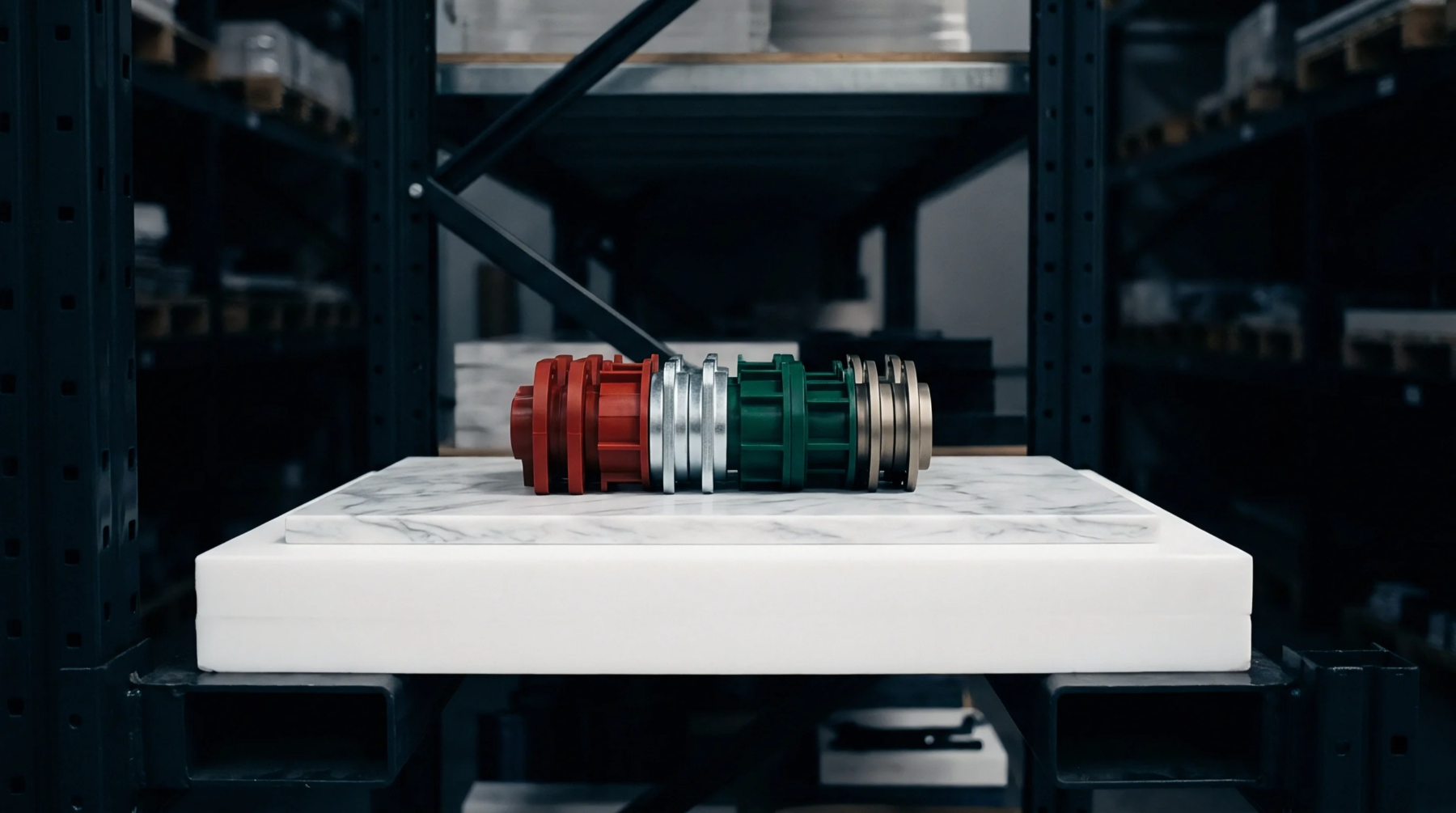
Harmonizing statutory factory liens demands pre-filed property registrations, direct bailment agreements, and press-side asset engravings before shipping steel.
Evaluate differential thermal growth and land area stress to set accurate cold preload gaps and prevent parting line compression yield in high-cavitation tools.
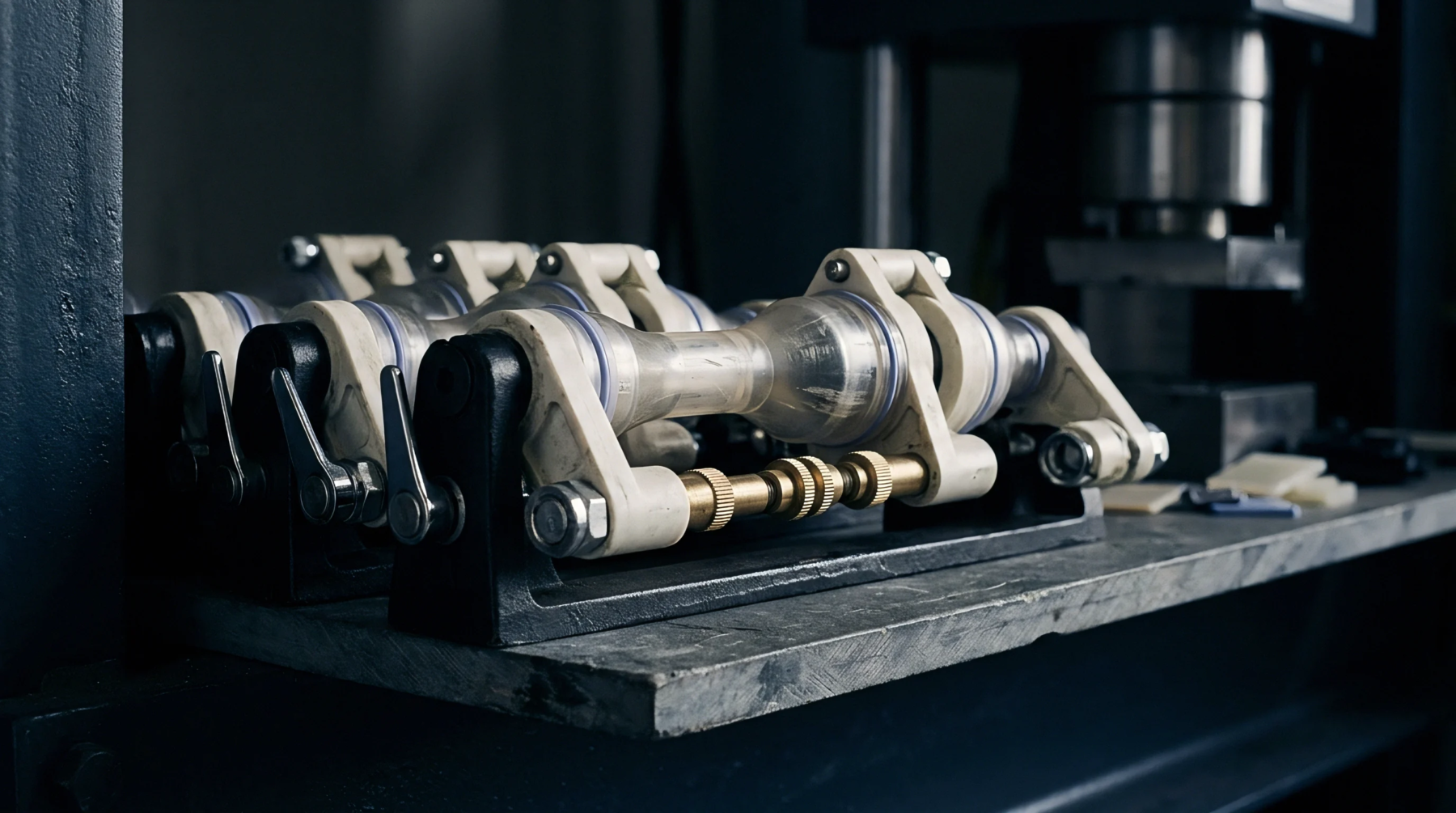
Textured mold cavity thermal resistance stems from trapped micro-air gaps, reducing interfacial heat transfer coefficients down to 800 W/m²K and extending cooling cycle duration.

Offshore tooling recovery succeeds when physical asset marking and title documentation override local possessory press liens during factory insolvency.
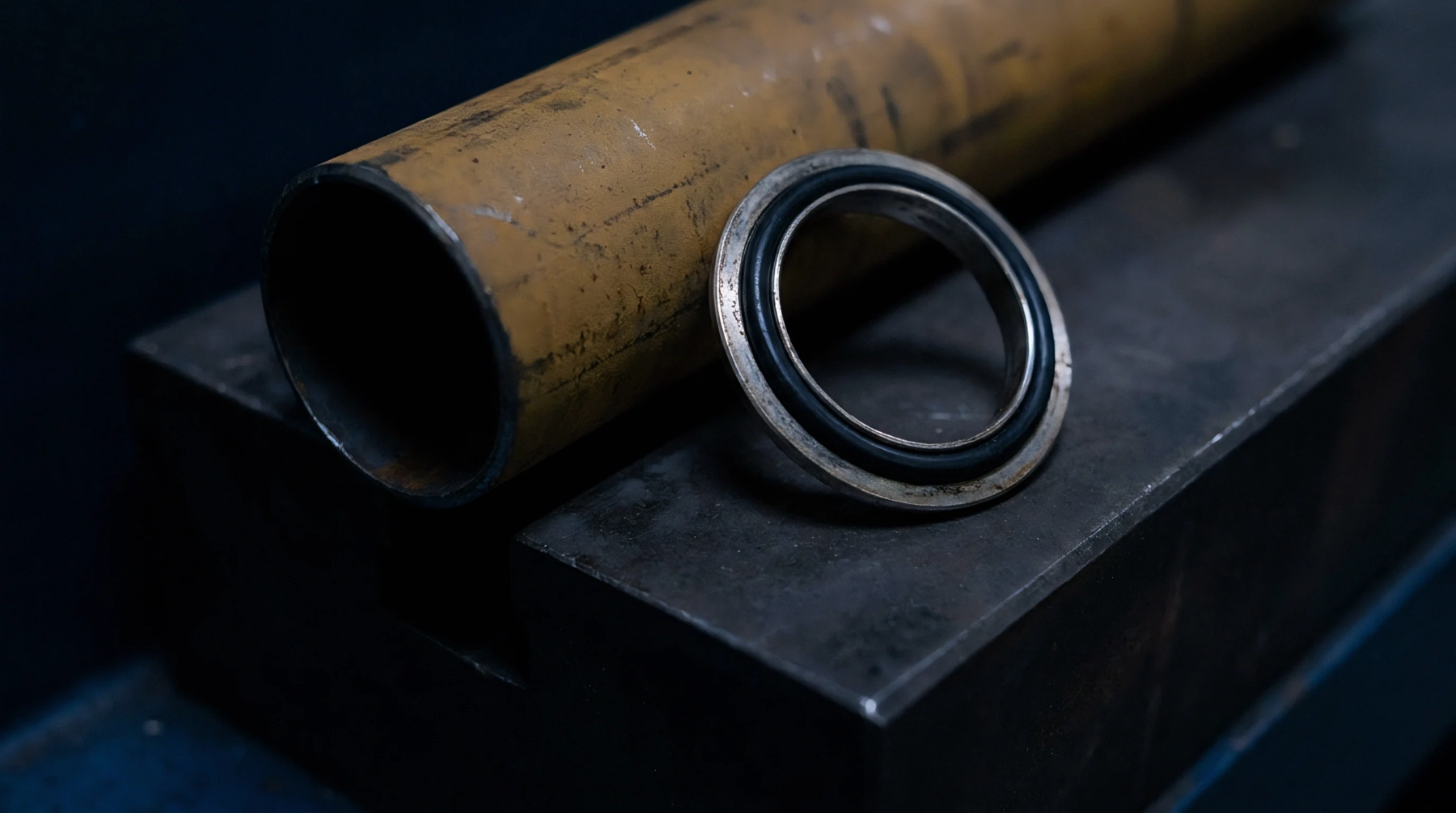
Optical profilometry replaces qualitative blueing paste with three-dimensional volume loss metrics, enabling precise mold wear tracking and flash prevention.
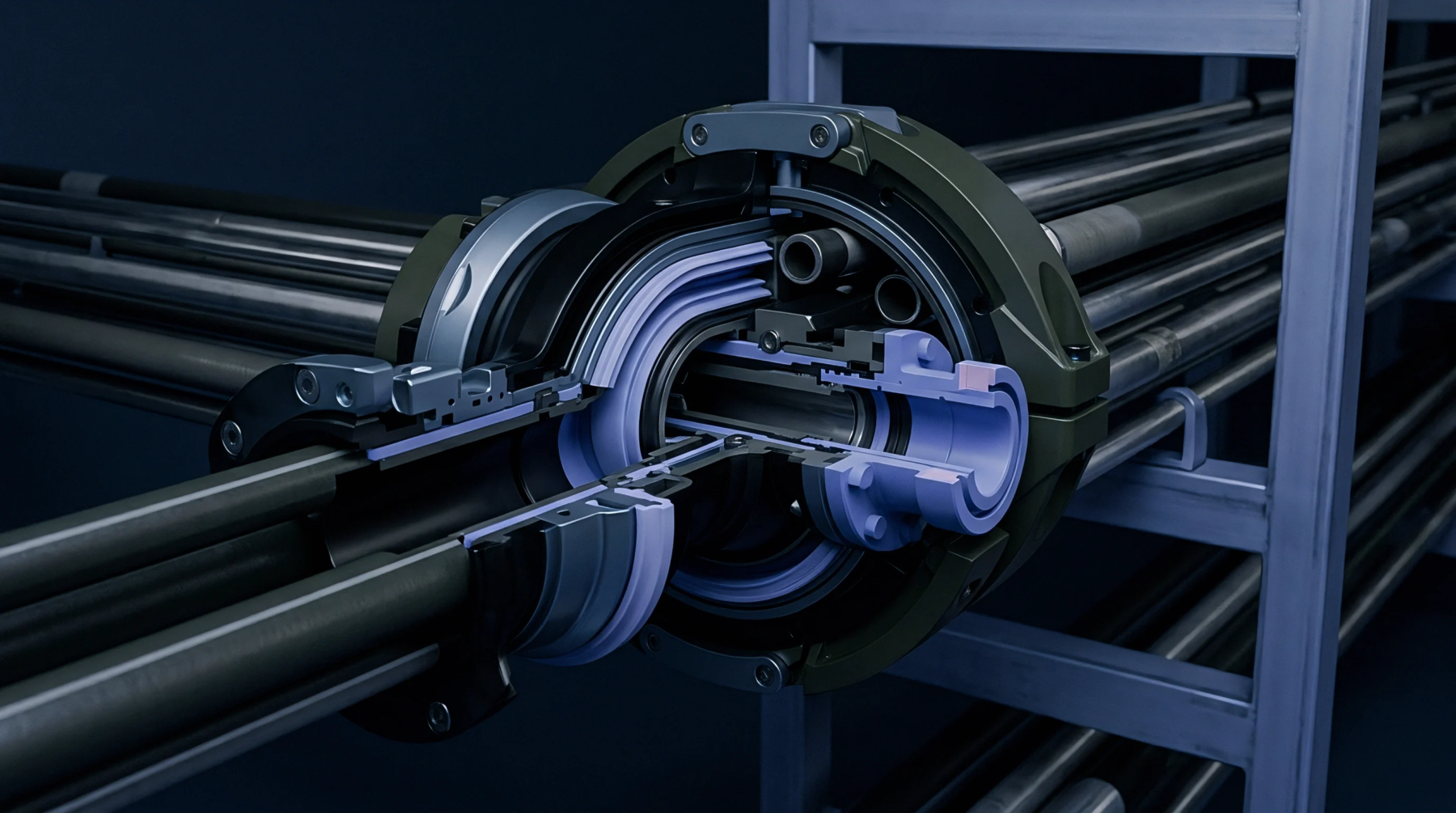
Post-cut wall section increases require steel removal that permanently alters cooling dynamics, cycle time, and dimensional stack-ups.
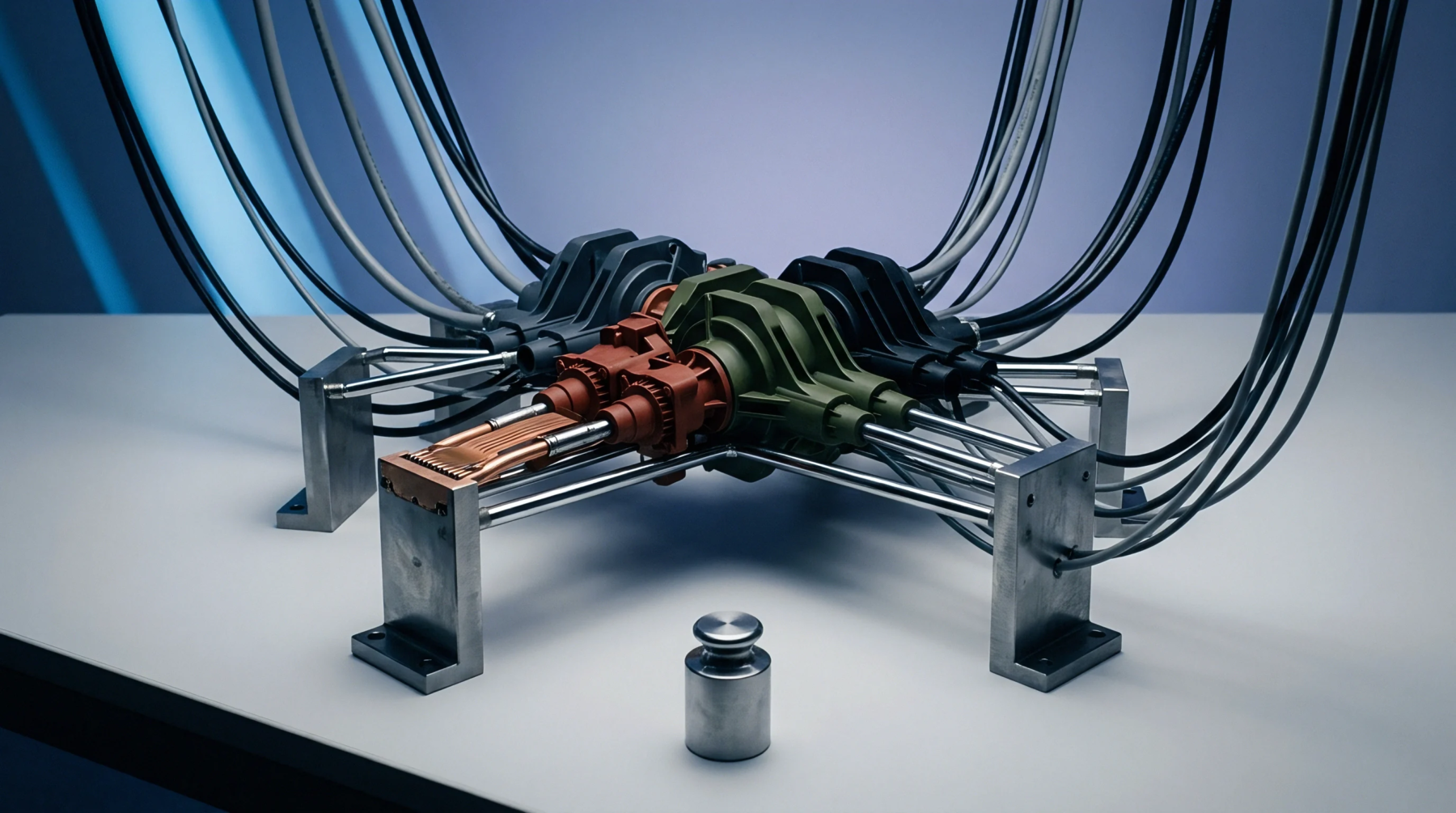
Engineering change notices require simultaneous CAD propagation, physical steel re-stamping, and metrology re-qualification across all secondary assembly fixtures.

Thermoforming delivers lower total landed cost below fifteen thousand units by saving upfront tooling capital, beyond which injection piece price efficiency dominates.
Expertise is a utility, not a secret. sentiention™ publishes its working knowledge as open reference: intelligence layer covering the materials it sources, the markets it enters, and the reference that serves both.