Meaning
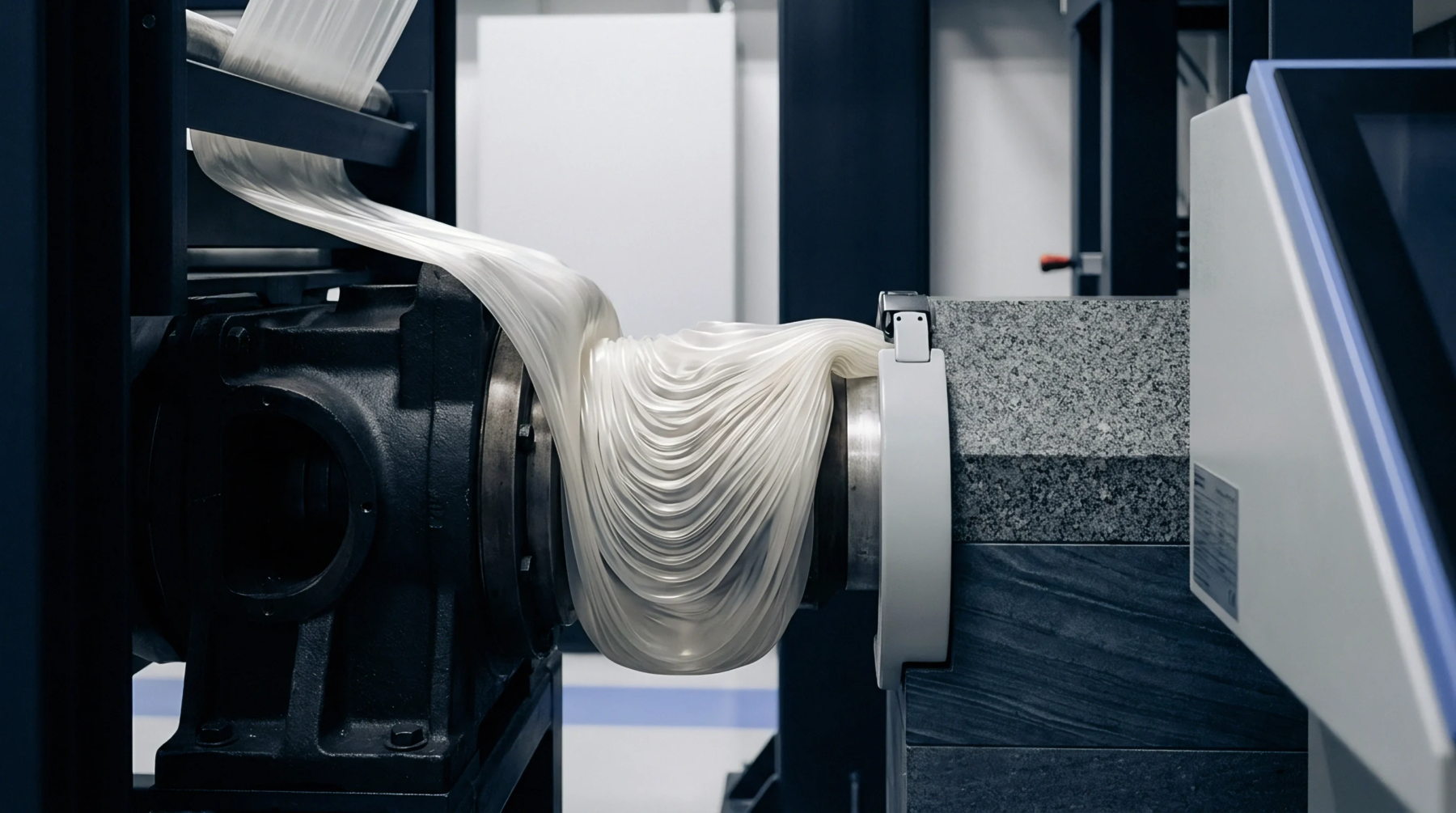
Molecular deformation studies characterize how amorphous or semi-crystalline materials flow and recover under applied stress or strain. This measurement science of polymer rheology evaluates the viscous and elastic response of chains as they move through a processing environment. It determines the relationship between shear rate, temperature, and material degradation during high pressure injection moulding or continuous extrusion.
The analysis defines the boundary where a material transitions from stable melt processing to turbulent flow or wall slip. Data captured during these tests dictates the operational window for equipment settings and cavity filling protocols. Engineers use the recorded shear viscosity profiles to predict pressure drops in runners and gate designs.
Laboratory results remain fixed to controlled conditions whereas shop floor outcomes depend on material history and machine variance.
Flow Behaviour
Shear thinning describes how the viscosity of a long chain molecule decreases as the rate of deformation increases. Chains align along the direction of flow and reduce entanglement density within the melt. Higher shear rates lead to lower resistance against mould filling but increase the probability of molecular orientation defects.
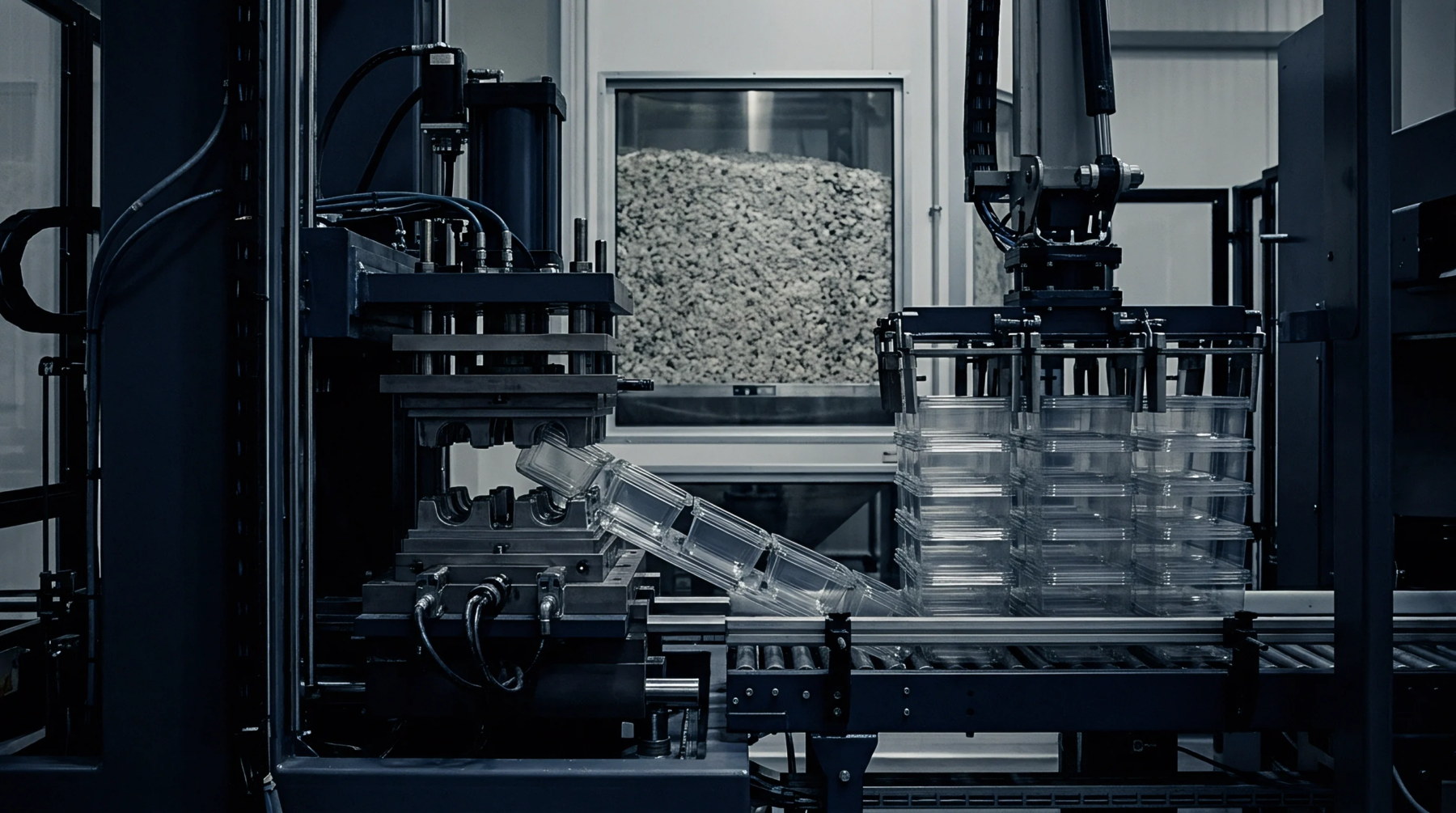
Virgin resin exhibits predictable flow curves consistent with specific molar mass distributions. Regrind material alters the internal friction characteristics by changing the distribution of chain lengths. Differences in these curves identify whether a feed stream causes consistent part shrinkage or dimension loss across a production run.
Thermal Sensitivity
Temperature shifts drastically influence the internal friction of molten materials. Increased heat levels provide extra kinetic energy to chains and effectively decouple them from neighbouring segments. Polymer rheology provides the temperature dependence constants required to model cooling cycles accurately.
Lowering the processing temperature improves the mechanical stability of the final object but requires higher injection pressures. If the temperature exceeds the thermal stability limit, molecular chains break apart and ruin the physical properties of the part. Every resin grade requires a specific thermal profile to balance the speed of production against the risk of degradation.
Structural Performance
Dynamic mechanical analysis tests the solid state response of the material after solidification occurs. This technique quantifies how much energy the substance stores versus how much it dissipates as heat. Deviations from expected values indicate incomplete crystallisation or residual stress patterns trapped inside the geometry.
Moulders verify the quality of a processed component by comparing its storage modulus against datasheet values derived from reference bars. A mismatch suggests that the actual moulding cycle introduced defects that prevent the resin from reaching its full potential. The link between controlled test conditions and actual moulding performance dictates the precision of the manufacturing process.
The physical response of a polymer to mechanical stimuli remains the primary constraint on high speed production quality.