
Low Frequency Shear Rheology Metrics for Assessing Extrudate Swell in Bimodal Pipe Resins
Low frequency storage modulus G prime below 0.1 rad/s isolates high molecular weight elastic recovery to predict bimodal pipe swell and prevent over-extrusion.
Low frequency storage modulus G prime below 0.1 rad/s isolates high molecular weight elastic recovery to predict bimodal pipe swell and prevent over-extrusion.

Detecting subtle virgin polypropylene contamination requires dual-load melt flow indexing and extended thermal dwell testing to expose shear and stability shifts.
Polyethylene melt flow rate test load selection matches resin density and molecular weight to standard ASTM D1238 masses of 2.16 kg, 5 kg, or 21.6 kg at 190 °C.

High-temperature GPC and oscillatory shear rheology reveal chain scission and elasticity losses in regrind that standard melt flow testing consistently misses.

Correcting capillary rheometry data via Bagley and Rabinowitsch protocols is mandatory to prevent up to 50 percent viscosity errors in bimodal HDPE die design.

Extrusion runs are quoted in tonnes because start-up scrap, thermal equilibration, and bulk resin compounding operate as continuous mass processes.

An unconditioned melt flow value lacks physical meaning without its test load, temperature, and standard protocol specified.
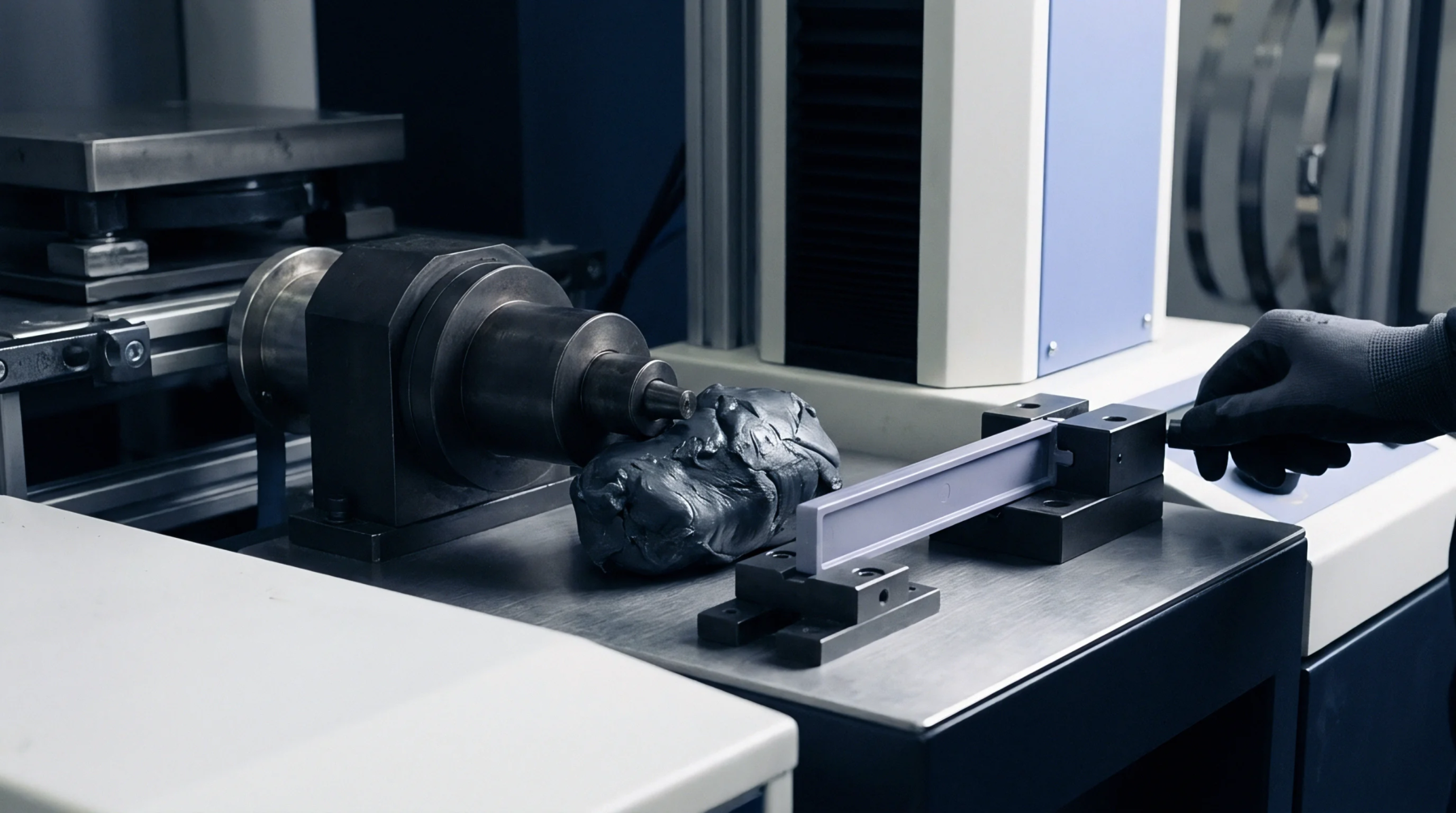
Bimodal HDPE shear thinning variations alter die swelling and sag resistance, forcing wall thickness adjustments and increasing landed pipe cost.

Matching part geometry to the correct plastic manufacturing process early prevents costly tooling modifications and ensures dimensional stability under production.
Expertise is a utility, not a secret. sentiention™ publishes its working knowledge as open reference: intelligence layer covering the materials it sources, the markets it enters, and the reference that serves both.