
Injection Moulding Extrusion and the Other Ways Plastic Parts Are Made
Matching part geometry to the correct plastic manufacturing process early prevents costly tooling modifications and ensures dimensional stability under production.
Matching part geometry to the correct plastic manufacturing process early prevents costly tooling modifications and ensures dimensional stability under production.
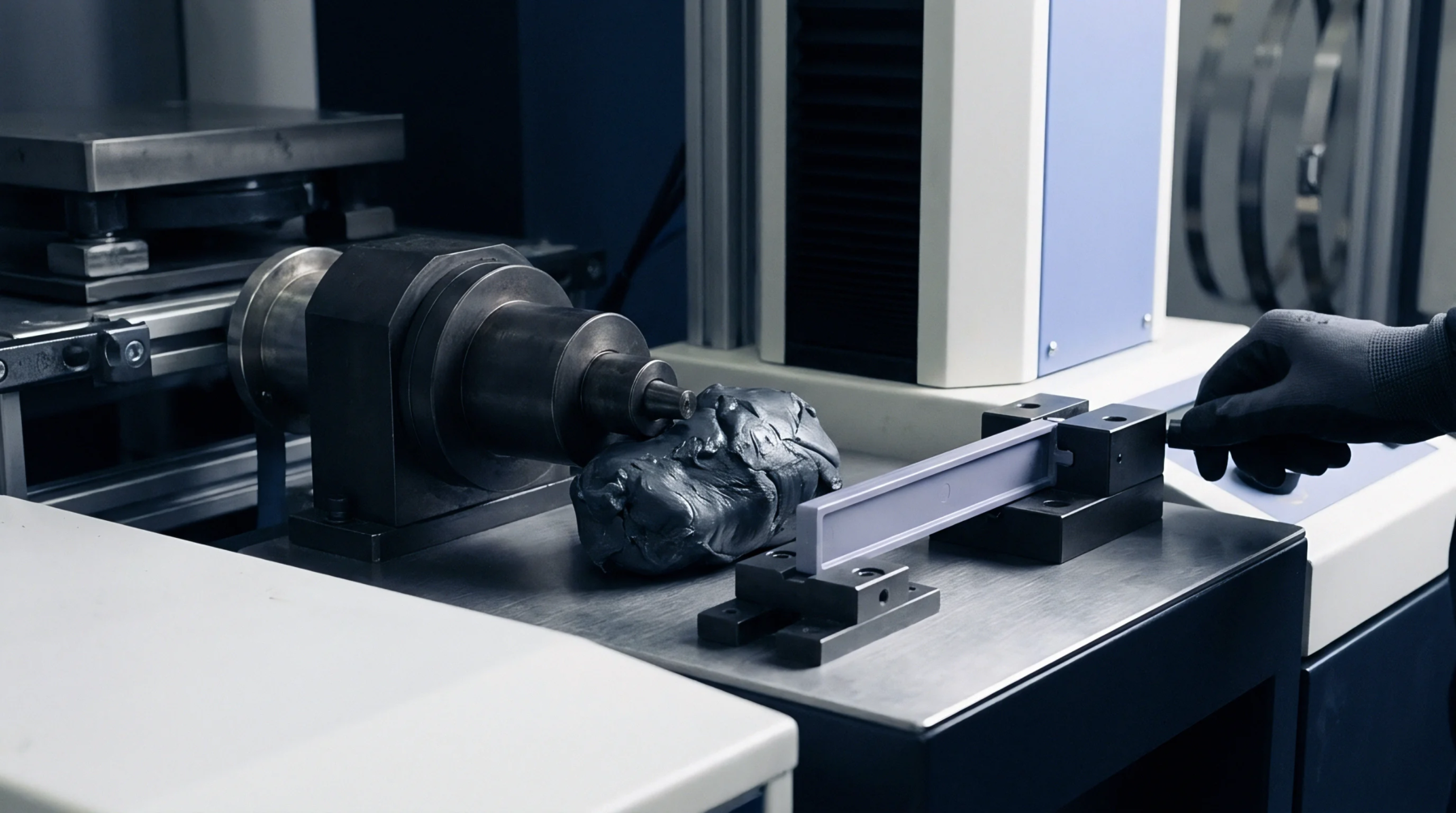
Bimodal HDPE shear thinning variations alter die swelling and sag resistance, forcing wall thickness adjustments and increasing landed pipe cost.

An unconditioned melt flow value lacks physical meaning without its test load, temperature, and standard protocol specified.

Extrusion runs are quoted in tonnes because start-up scrap, thermal equilibration, and bulk resin compounding operate as continuous mass processes.

Correcting capillary rheometry data via Bagley and Rabinowitsch protocols is mandatory to prevent up to 50 percent viscosity errors in bimodal HDPE die design.

High-temperature GPC and oscillatory shear rheology reveal chain scission and elasticity losses in regrind that standard melt flow testing consistently misses.

Polyethylene melt flow rate test load selection matches resin density and molecular weight to standard ASTM D1238 masses of 2.16 kg, 5 kg, or 21.6 kg at 190 °C.
Detecting subtle virgin polypropylene contamination requires dual-load melt flow indexing and extended thermal dwell testing to expose shear and stability shifts.

Low frequency storage modulus G prime below 0.1 rad/s isolates high molecular weight elastic recovery to predict bimodal pipe swell and prevent over-extrusion.

Melt flow rate thresholds for recycled polyolefin blends must be set using multi-load shear testing to bound contamination and prevent processing scrap.

Dual load testing at 2.16 kg and 21.6 kg enforces molecular weight distribution limits, preventing off-spec bimodal resin from entering extrusion lines.
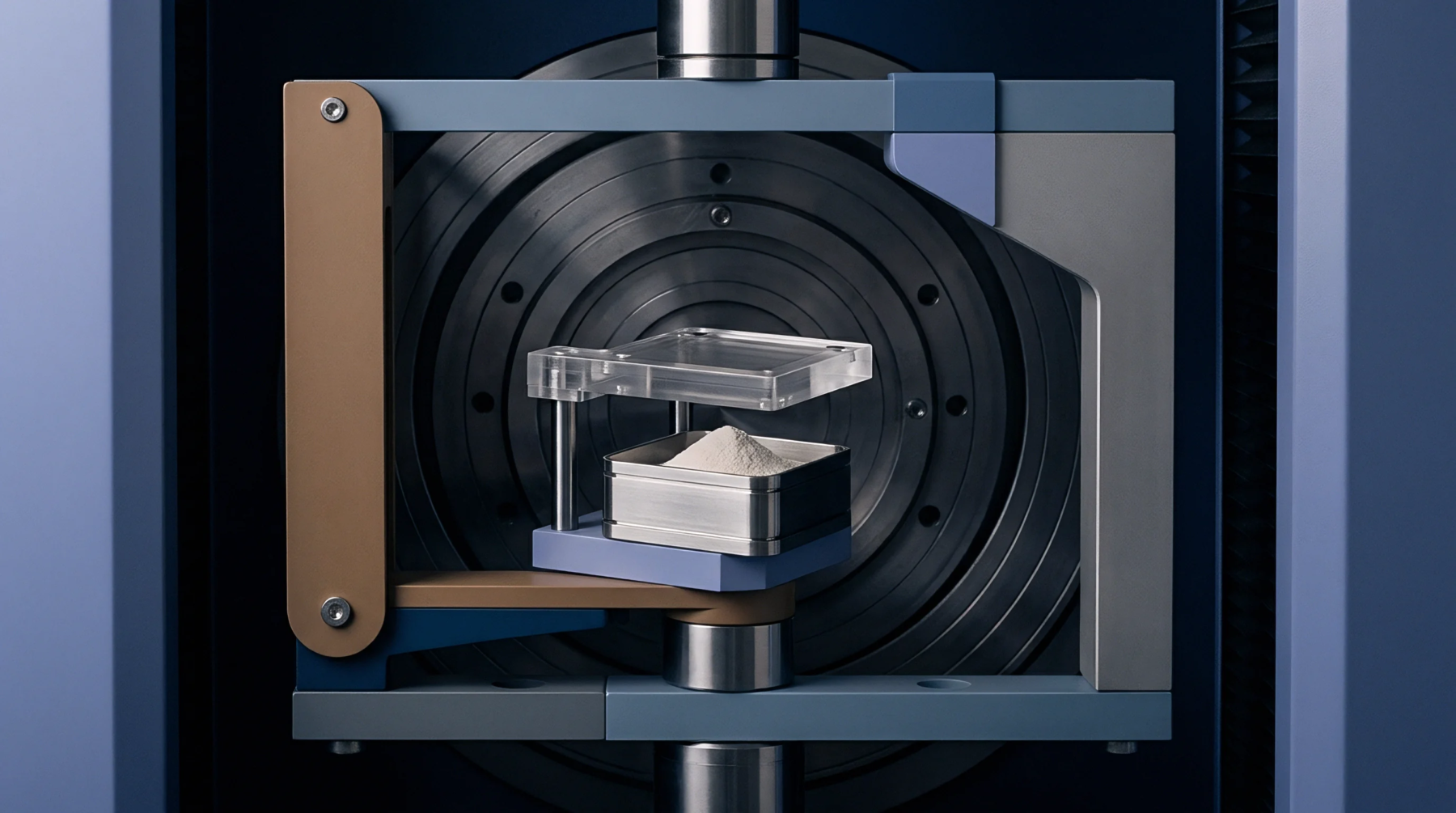
Standard single-load melt index tests mischaracterize high molecular weight polyethylene by ignoring shear thinning, requiring multi-load flow ratio verification.

Bimodal PE decouples strength from processability by pairing low MW matrix lubricant with branched high MW tie chains for high ESCR and low extrusion pressure.

Capillary rheometry requires Bagley and Rabinowitsch-Weissenberg corrections alongside Mooney wall slip analysis to prevent polyolefin blend die miscalculations.
Standard melt indexers measure low shear viscosity, while capillary viscometers capture processable shear rates, requiring multi-weight or high-shear testing.

Dynamic shear viscosity thresholds across operational shear rates prevent extruder surging and wall fracture where single melt flow figures fail.

Size gate depth to wall thickness and expand width to keep shear rates below polymer degradation limits under non-Newtonian melt flow.

Melt flow testing at the receiving bay verifies molecular weight and prevents brittle part failure before resin contaminates production silos.
Capillary rheometry and DSC thermal analysis establish high-shear viscosity and stabilizer limits to qualify recycled polypropylene lots before processing.

Dual-load melt flow testing verifies shear thinning and molecular weight spread, catching recycled resin lot variation before it causes scrap.

Dynamic oscillatory melt rheology isolates polyolefin branching and molecular weight distributions that single-point melt flow index tests fail to capture.

Single-point melt index misses bimodal high-molecular-weight fractions, requiring high-load flow ratio and dynamic shear rheometry for extrusion control.

Uncorrected capillary rheometry overstates bimodal pipe resin shear stress; multi-die Bagley corrections isolate entrance losses to protect line throughput.

Nonlinear Bagley and non-isothermal shear corrections prevent miscalculating die pressure drops and melt fracture thresholds in high-throughput bimodal PE.

Select polyethylene melt flow test loads based on expected viscosity, using 2.16 kg for standard resins and 21.6 kg for high molecular weight grades.

Flow rate ratio analysis of high-load over standard melt index isolates bimodal resin molecular distribution shifts to prevent extrusion failures before silo unloading.

Lock extrusion sourcing contracts to per-meter pricing tied to nominal linear weight bands, barring supplier invoices from billing unapproved mass creep.

Verify High Load Melt Index across both 190 C and 220 C to identify thermal activation shifts that cause parison instability in regrind polyethylene compounds.
Polypropylene melt flow quality control demands strict 230 °C and 2.16 kg testing under verified preheat timing to catch processing shifts before moulding.

Dynamic frequency sweeps reveal true molecular weight distribution and melt strength, preventing conversion line failures hidden by single-point melt flow rates.
Expertise is a utility, not a secret. sentiention™ publishes its working knowledge as open reference: intelligence layer covering the materials it sources, the markets it enters, and the reference that serves both.