Meaning
Budgetary allocations account for the percentage of raw material that is lost or rejected during the various stages of polymer processing. A scrap allowance is built into every quote to ensure the cost of wasted resin does not erode the profit margin of the job. This figure varies depending on the complexity of the part and the stability of the molding or extrusion process.
Process Loss
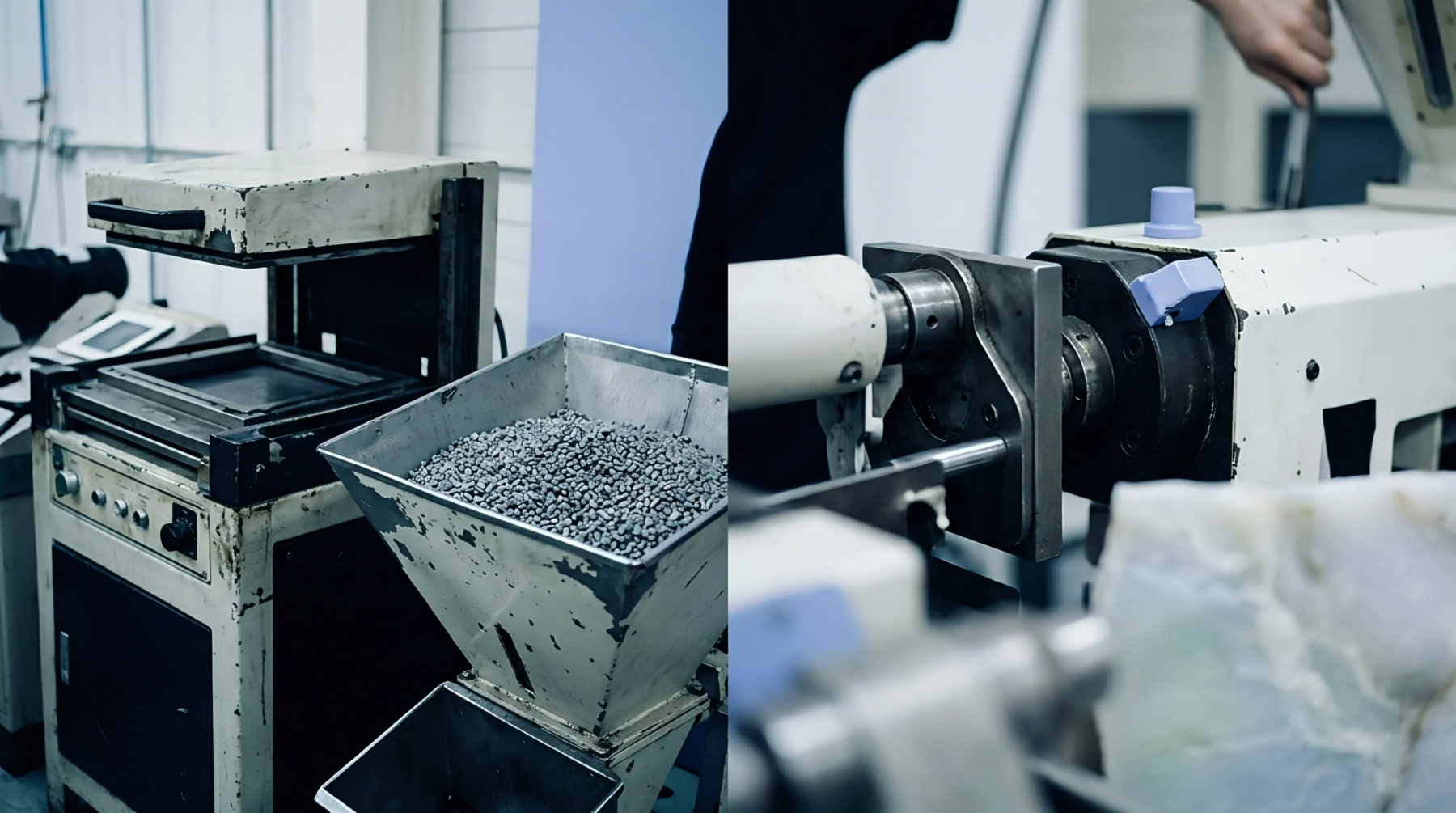
Trimming the edges of a thermoformed sheet or removing the runners from an injection molded part creates a predictable stream of waste. Purging the barrel during a transition between different resin grades also contributes to the scrap allowance. While some losses are inherent to the geometry of the tool, others result from accidental contamination or mechanical failure.
Economic Impact
High resin prices make the management of the scrap allowance a priority for plant managers. If the actual scrap exceeds the estimated amount, the cost of the virgin material can quickly exceed the value of the finished goods. Precise monitoring of the weight of the resin entering the machine versus the weight of the parts exiting the line reveals the true efficiency of the operation.
Recovery Strategy
Many facilities use a granulator to grind the clean waste back into a flake that can be blended with virgin pellets. This material must be handled carefully to avoid the introduction of dust or moisture that would degrade the properties of the next batch. When the application prohibits the use of recycled material, the scrap allowance represents a complete loss of the original material value.
Total production costs are directly tied to the ability of the processor to minimize the generation of non conforming material throughout the production run.