Meaning
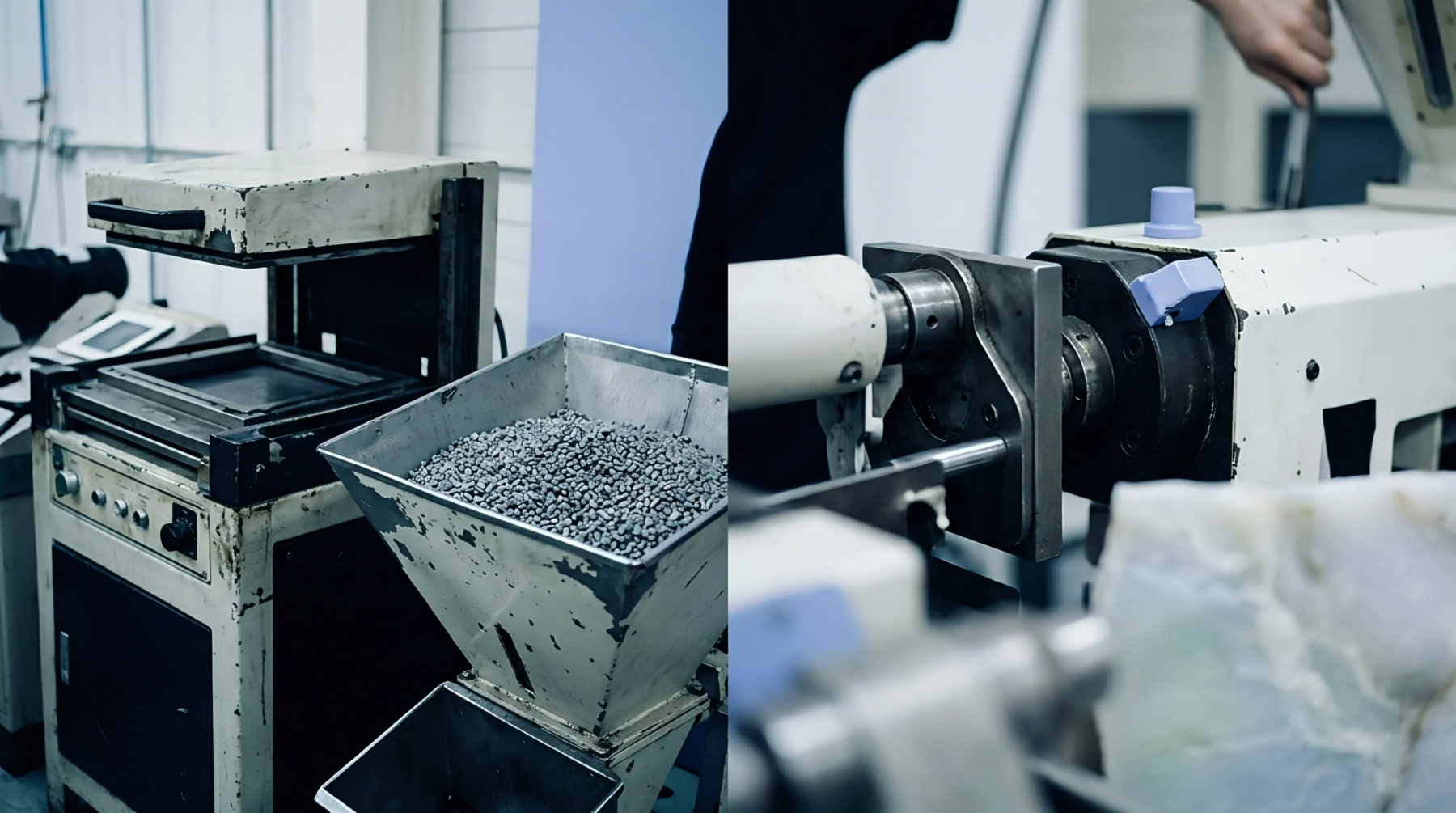
Initial routing of a polymer melt or film through the various components of a production system prepares the equipment for steady operation. Precise line threading ensures that the tension is balanced and the material follows the centerline of the machine. This process happens at every startup or after a break in the web or profile.
Startup Sequence
Technicians use a leader or a dummy rod to pull the molten plastic through the calibration units. Once the material reaches the puller belts, the speed is synchronized with the extruder output to achieve the desired dimensions. Successful line threading requires the operator to maintain a constant pace during the hand over between different stages of the line.
Operator Safety
Exposure to high temperatures and moving parts makes this the most hazardous phase of the extrusion process. Tools such as long handled hooks or pneumatic threading devices keep hands away from the pinch points of the rollers. Proper training focuses on the specific path the material must take to avoid snagging on the edges of the cooling baths or the blades of the slitter during line threading.
Material Waste
Substantial quantities of resin are consumed before the line reaches the thermal equilibrium necessary for quality production. During line threading, the extrudate is often off specification in terms of thickness, width, density and physical properties. These early segments are typically diverted to a granulator for recycling into regrind, though the cost of this energy and material must be factored into the total production budget.
Continuous monitoring of the resin volume used during this phase identifies opportunities to improve the efficiency of the startup procedure.