Meaning
Hydraulic energy loss quantifies the reduction in total head as a viscous fluid moves through a conduit or restrictive component. This pressure drop happens because internal friction between fluid layers and the surface contact within a flow channel converts mechanical energy into thermal energy. The phenomenon dictates the power requirements for pumps and governs the flow velocity maintained across a system.
Melt Resistance
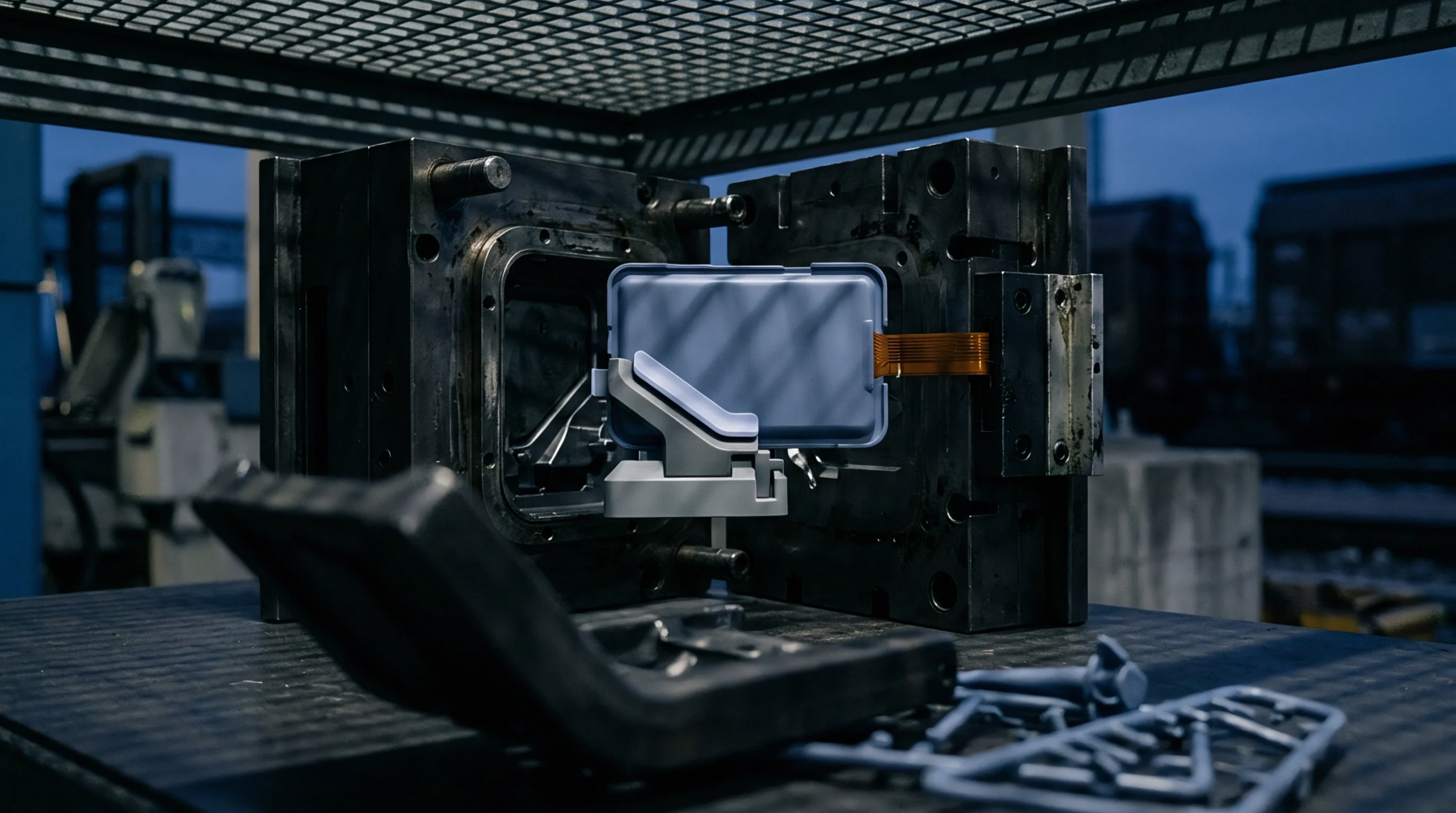
Friction within the hot runner system generates a pressure drop that influences how easily molten polymer reaches the cavity gates. Tool designers account for this when setting the diameter of nozzles and the length of feed channels to ensure the material maintains sufficient packing pressure. Short-shot defects arise when the resistance becomes too high for the injection unit to overcome.
Excessive heat generated by shear stress as the material navigates these restrictions risks thermal degradation of sensitive resins.
Flow Limitation
System geometry defines the magnitude of the energy decay observed between the inlet and the outlet of a processing line. Narrow apertures or sharp transitions force the fluid to accelerate, which decreases local static pressure and changes the density of the melt. Moulders check the machine gauge against the calculated drop to ensure the actual viscosity of the polymer matches the rheological data provided by the supplier.
Virgin material often exhibits consistent flow characteristics, whereas the inclusion of regrind alters these values and shifts the processing window. Discrepancies between the predicted value and the gauge reading signal either a partial obstruction in the nozzle or an error in the temperature setting of the barrel. Efficient production relies on holding this variable within a tight range to ensure consistent dimensions across every cycle.
System Efficiency
Total energy expenditure increases linearly as the fluid encounters higher resistance along the transit path. Operators monitor this metric to evaluate the mechanical health of the extruder or injection machine. A stable energy loss indicates that the internal state of the equipment remains within nominal operating limits.
Sustained spikes in these measurements identify a buildup of carbonized material or wear on the screw geometry. Constant monitoring of these values maintains the integrity of the finished part.