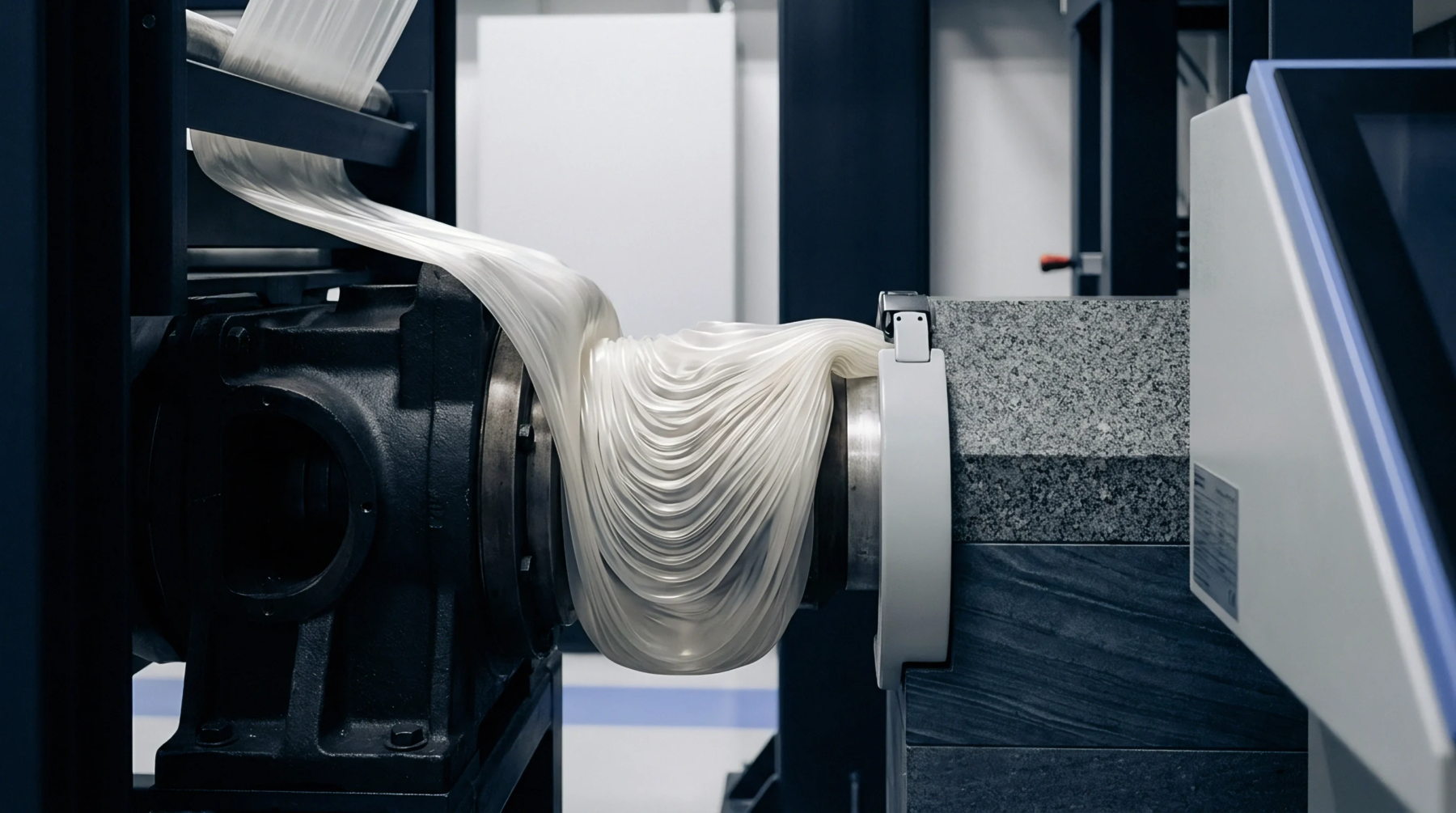
Dynamic Viscosity Curve Generation and Transfer Point Calibration in Technical Molding
Calibrating transfer points via press-side viscosity curves optimizes fill pressure, cuts part mass variation, and locks in DIN 16742 tolerance bands.
Calibrating transfer points via press-side viscosity curves optimizes fill pressure, cuts part mass variation, and locks in DIN 16742 tolerance bands.

Decoupled molding isolates fill velocity from hold pressure to neutralize resin viscosity variations and hold precision tolerances across volume runs.

An unconditioned melt flow value lacks physical meaning without its test load, temperature, and standard protocol specified.
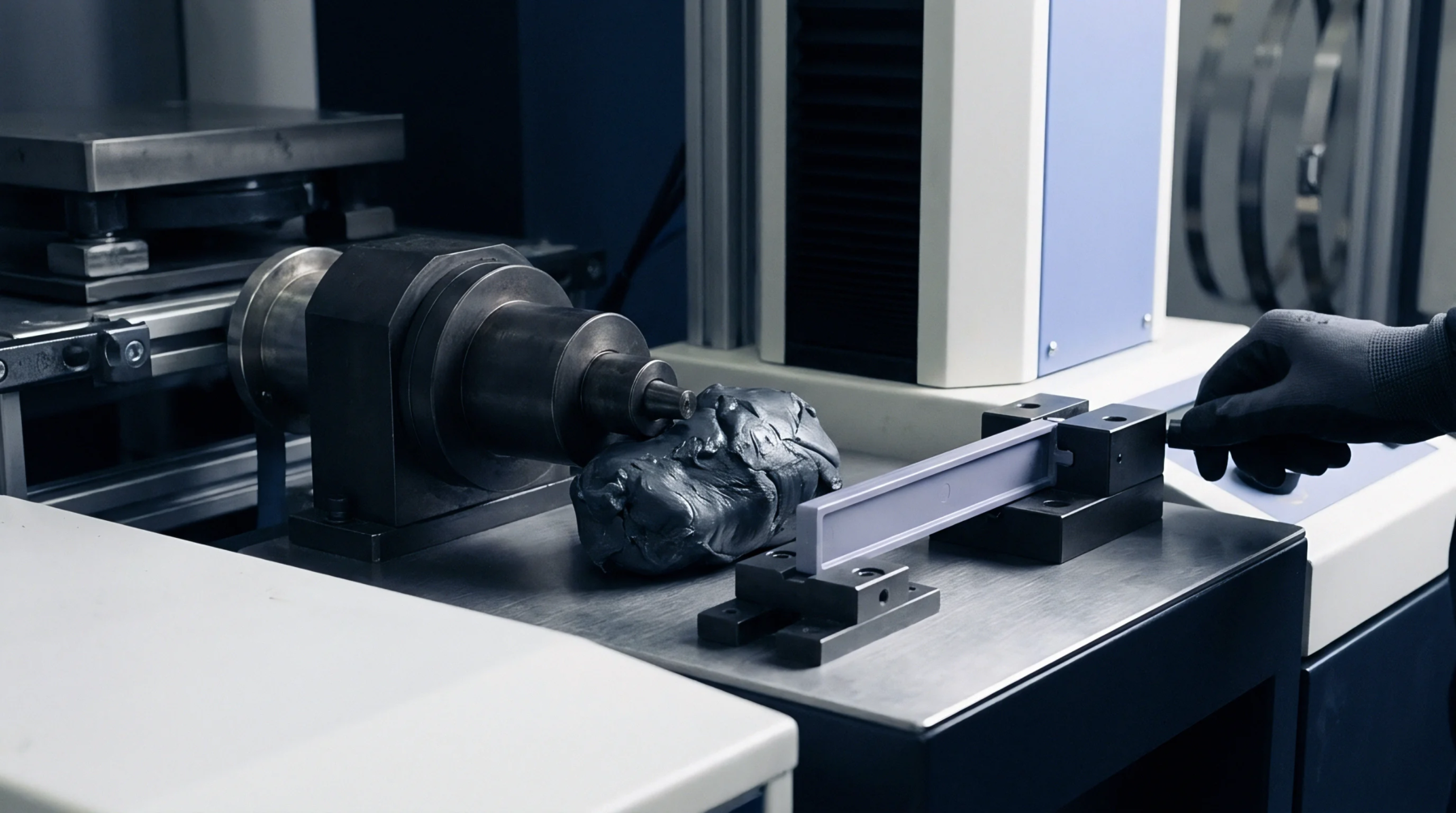
Bimodal HDPE shear thinning variations alter die swelling and sag resistance, forcing wall thickness adjustments and increasing landed pipe cost.
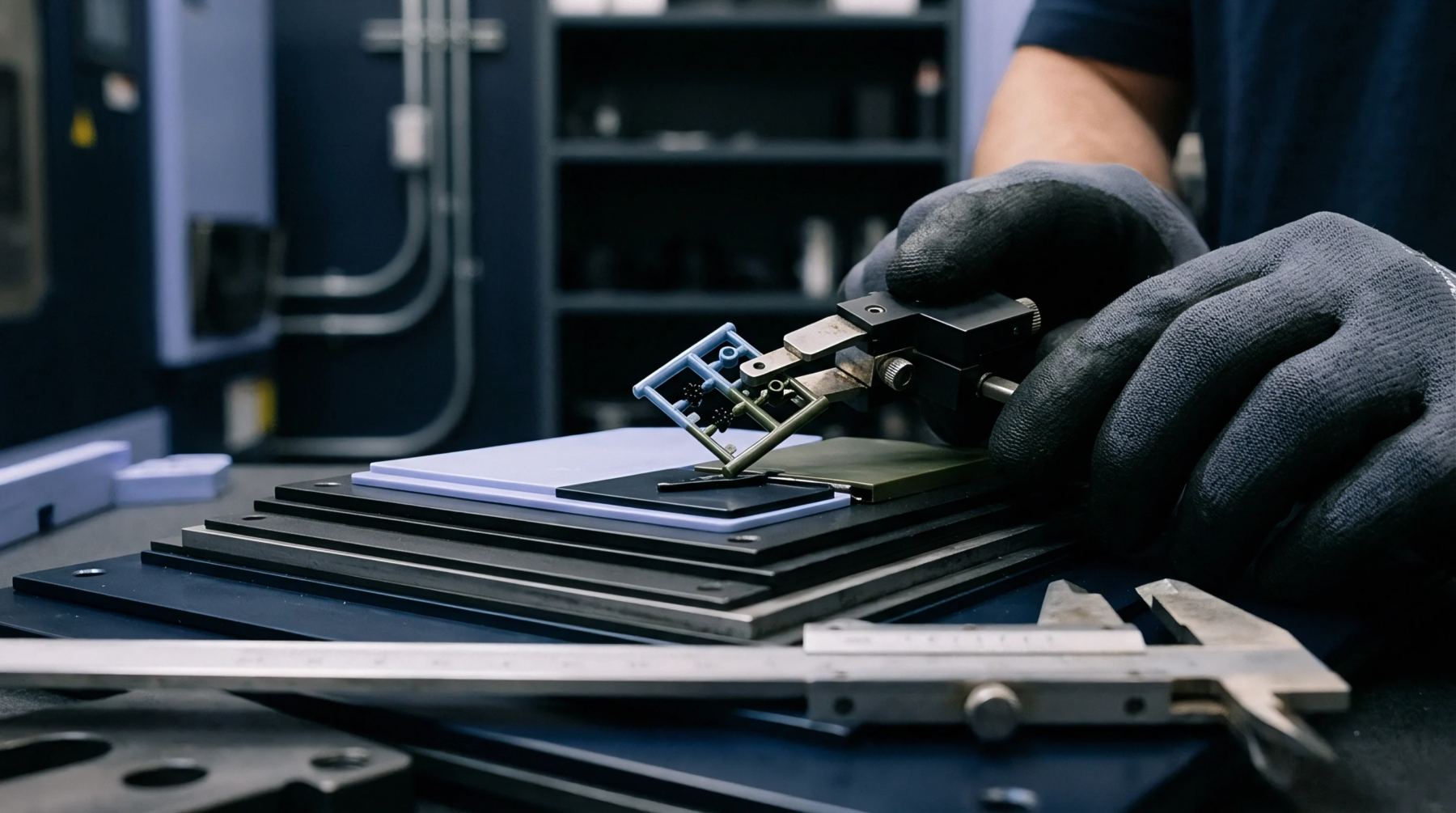
Cavity pressure measurement in micro-injection tooling decouples machine dynamics from cavity fill, eliminating part weight variance and micro-defects.
Characterizing polymer chain scission in rPET lots requires pairing solution viscometry with end-group titration to quantify backbone loss and dryer failure.

Uniform wall thickness design balances polymer flow, prevents shrink defects, cuts cycle times, and reduces landed part cost in injection moulding tools.

Cavity pressure closed loop control dynamically regulates melt pressure profiles to hold sub-hundredth millimeter tolerances despite batch and thermal drift.

Polyethylene sourcing requires specifying exact test loads, temperatures, and standards to isolate molecular structure and enforce contractual lot consistency.

Tracking melt flow changes and oxidation time prevents part failure from degraded recycled polyolefin resins.

Matching part geometry to the correct plastic manufacturing process early prevents costly tooling modifications and ensures dimensional stability under production.
Expertise is a utility, not a secret. sentiention™ publishes its working knowledge as open reference: intelligence layer covering the materials it sources, the markets it enters, and the reference that serves both.