Meaning
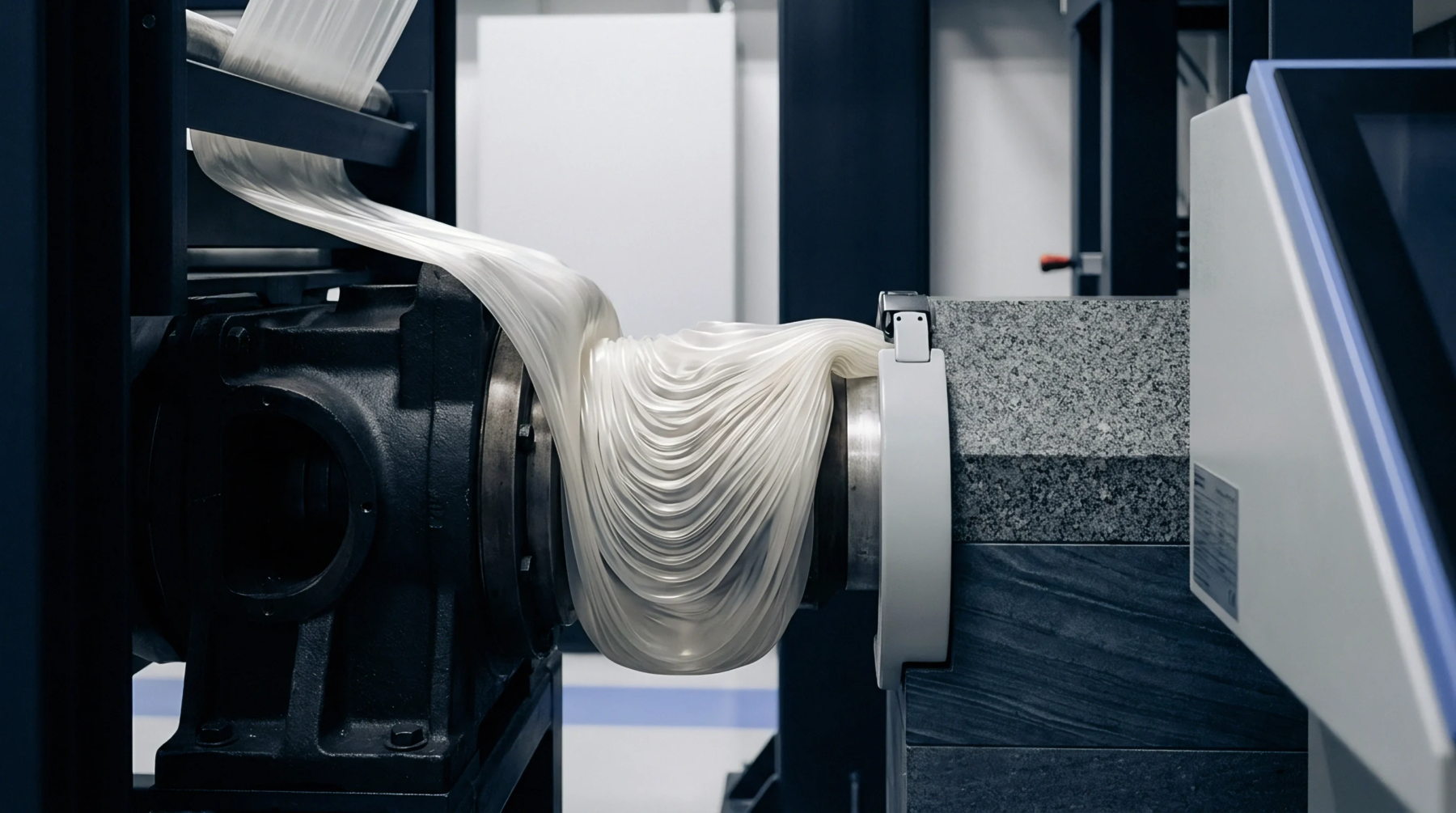
Local frictional stress and deformation rates generated as molten polymer passes from the injection machine nozzle tip into the cold sprue bushing govern initial melt entrance dynamics. Tooling design and injection profiling evaluate sprue orifice shear to prevent thermal degradation while maintaining rapid cavity filling speeds. Fluid velocity gradients across the narrow orifice channel dictate local shear rates, which typically range between ten thousand and one hundred thousand reciprocal seconds during high-speed injection.
Process boundaries cover localized viscous heating and polymer chain orientation, stopping as the melt enters the larger cross-sectional area of the main sprue channel.
Viscous Dissipation
High volumetric flow rates forced through narrow sprue entry diameters generate intense localized shear stresses. Energy conversion during sprue orifice shear converts mechanical injection pressure into thermal energy, raising local melt temperature by ten to twenty degrees Celsius in milliseconds. Controlled shear heating reduces apparent melt viscosity, lowering downstream cavity filling pressure requirements for shear-sensitive materials.
Excessive shear rates induce polymer chain scission, causing material discoloration and splay defects in finished parts. Mould design software calculates entrance shear to optimize nozzle tip radius and sprue orifice diameter combinations.
Flow Restriction
Undersized sprue entry diameters create excessive flow resistance, forcing injection machines to operate near maximum pressure limits. Pressure loss across the orifice reduces effective packing pressure inside the mould cavity, increasing volumetric shrinkage and sink marks. Radius matching between machine nozzle and sprue entry prevents melt leakage and shear spikes.
Tooling Limit
Orifice diameter choices balance shear heating benefits against cooling cycle penalties. Enlarging sprue entry diameter reduces shear stress but increases solid sprue cooling time, extending overall cycle duration and increasing material regrind volume.