
Trans Steel Wireless Sensor Array Signal Attenuation Limits in High Cavitation Tooling
Trans-steel sensor arrays require dielectric waveguides or acoustic paths to bypass extreme RF loss, maintaining a 15 dB link margin under full clamp tonnage.
Trans-steel sensor arrays require dielectric waveguides or acoustic paths to bypass extreme RF loss, maintaining a 15 dB link margin under full clamp tonnage.

Dynamic process window drift in high cavitation tooling is verified through cavity-stratified telemetry and contractual pressure integral bounds.

Deterministic FPGA processing of piezoelectric cavity telemetry converts micro-moulding melt front arrivals into sub-millisecond switchover execution.
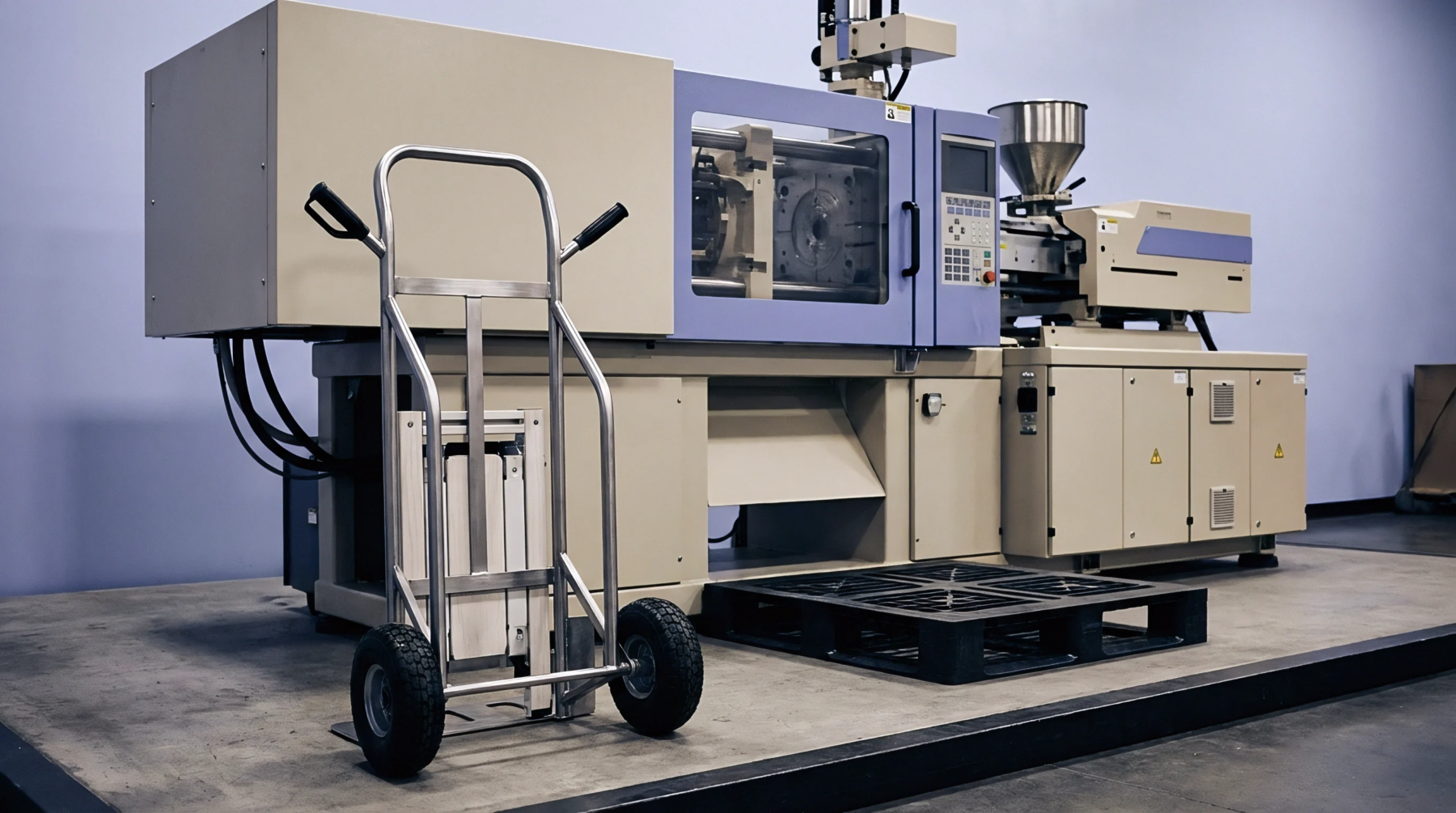
Coupling cavity pressure telemetry directly to machine velocity switchover eliminates part weight variance caused by melt viscosity shifts across production runs.
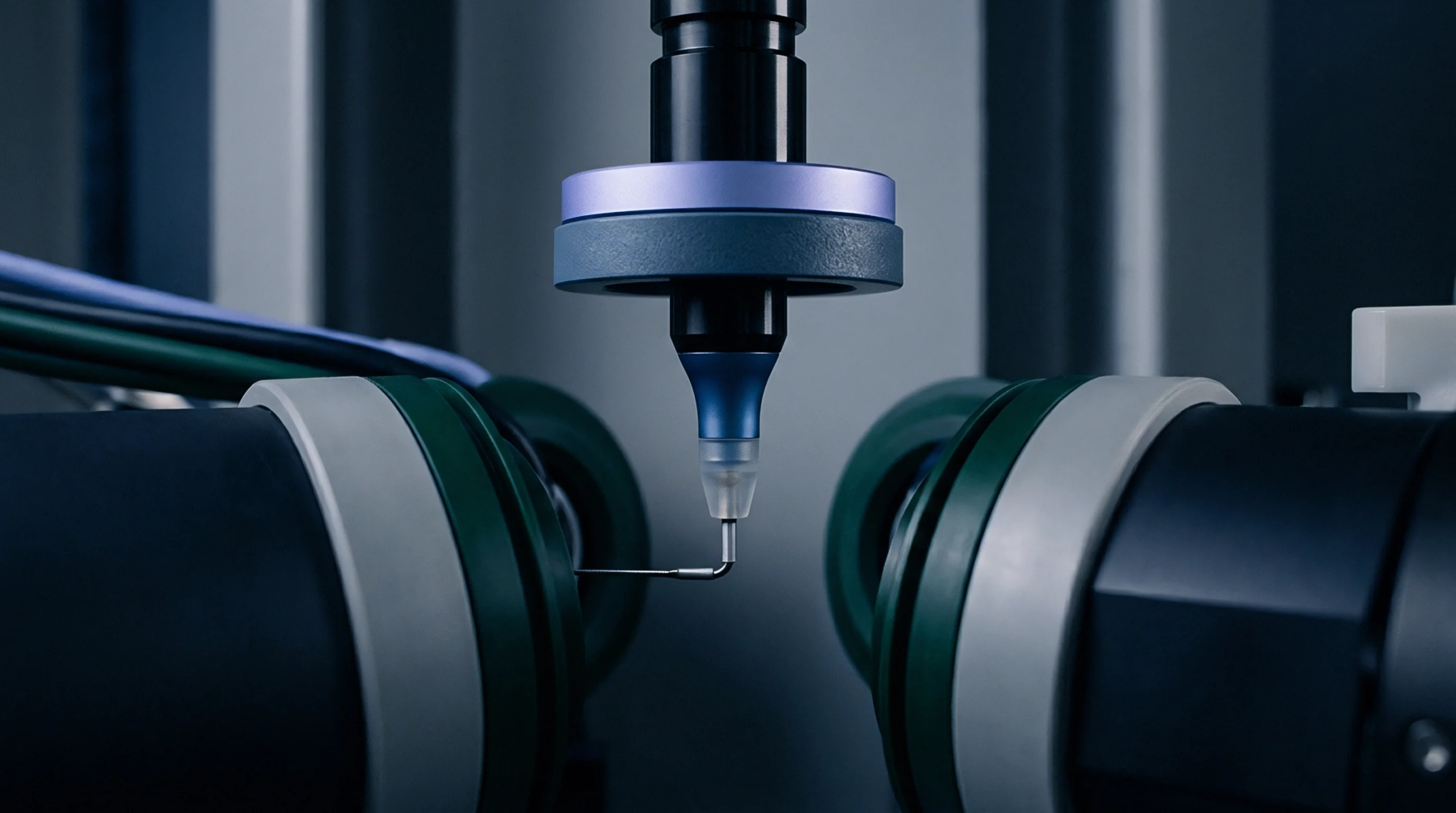
Machining sensor bores to strict concentricity tolerances and establishing direct picoCoulomb calibration scales cavity pressure for closed-loop process control.
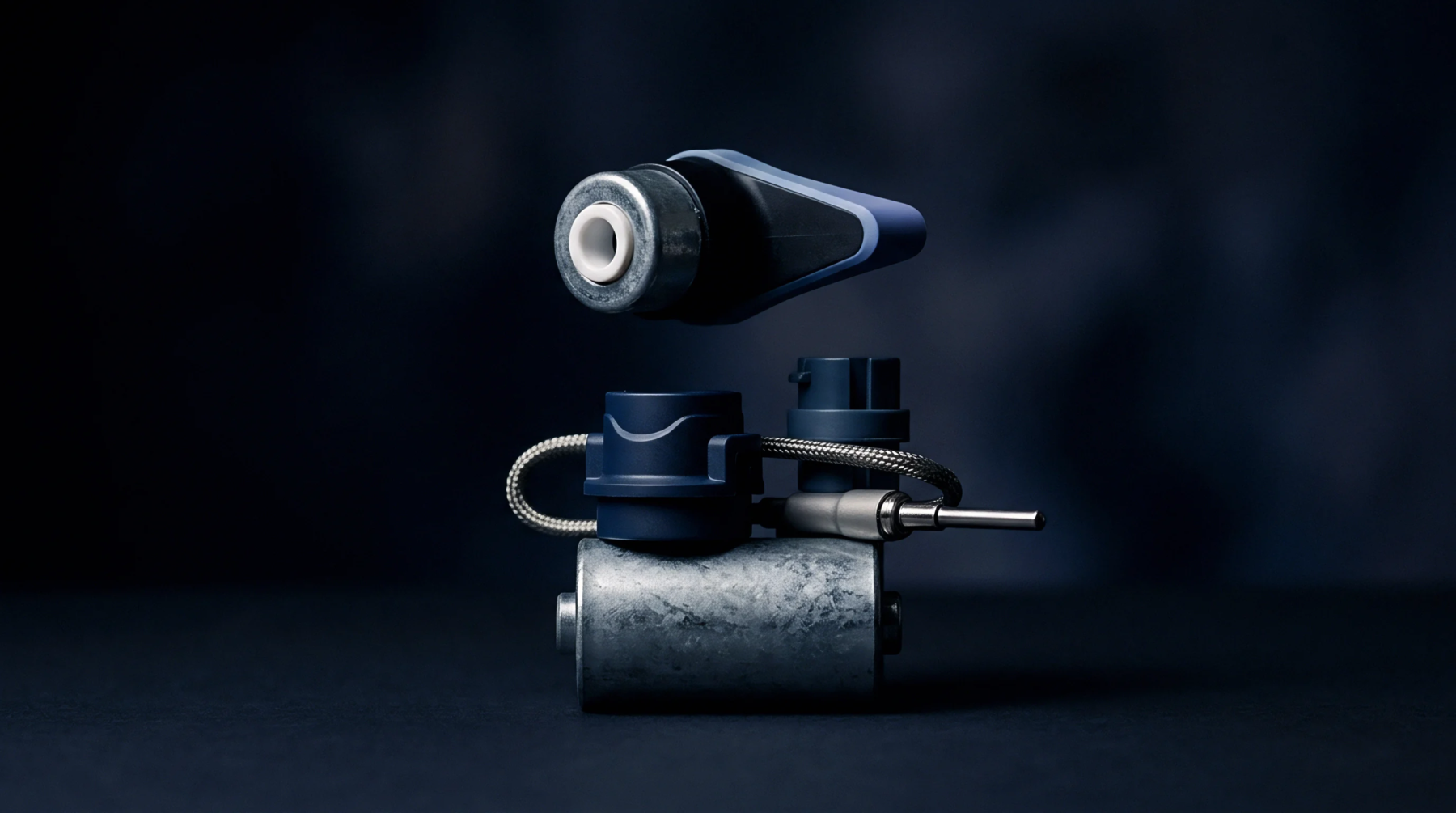
Cavity sensor integration requires rigid pocket machining, protected wire routing, and direct melt placement to decouple press dynamics from part tolerance.
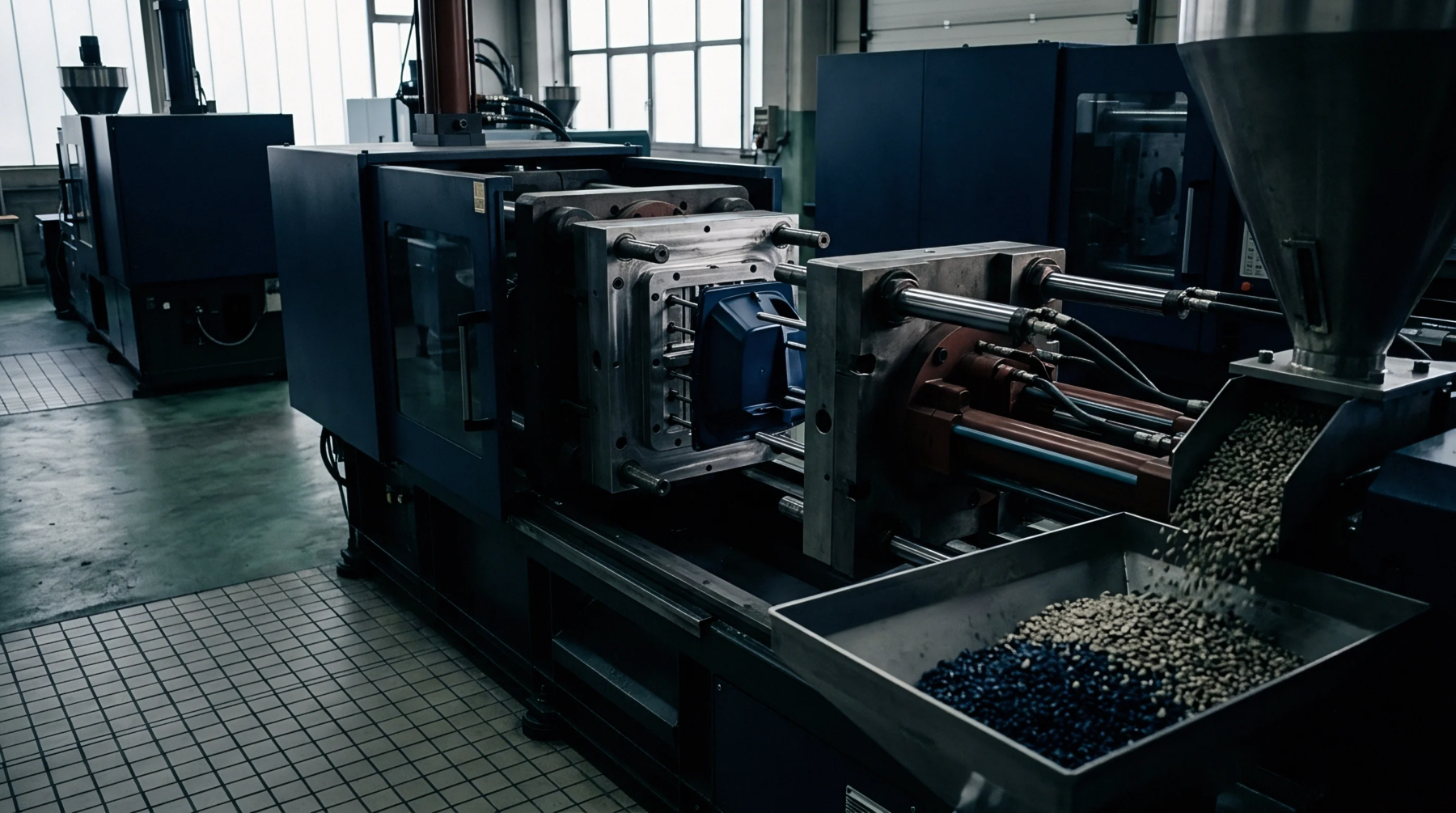
Press-side fill balance protocols decouple injection velocity from hold pressure using short shot weight analysis to equalize cavity fill within 5% balance.
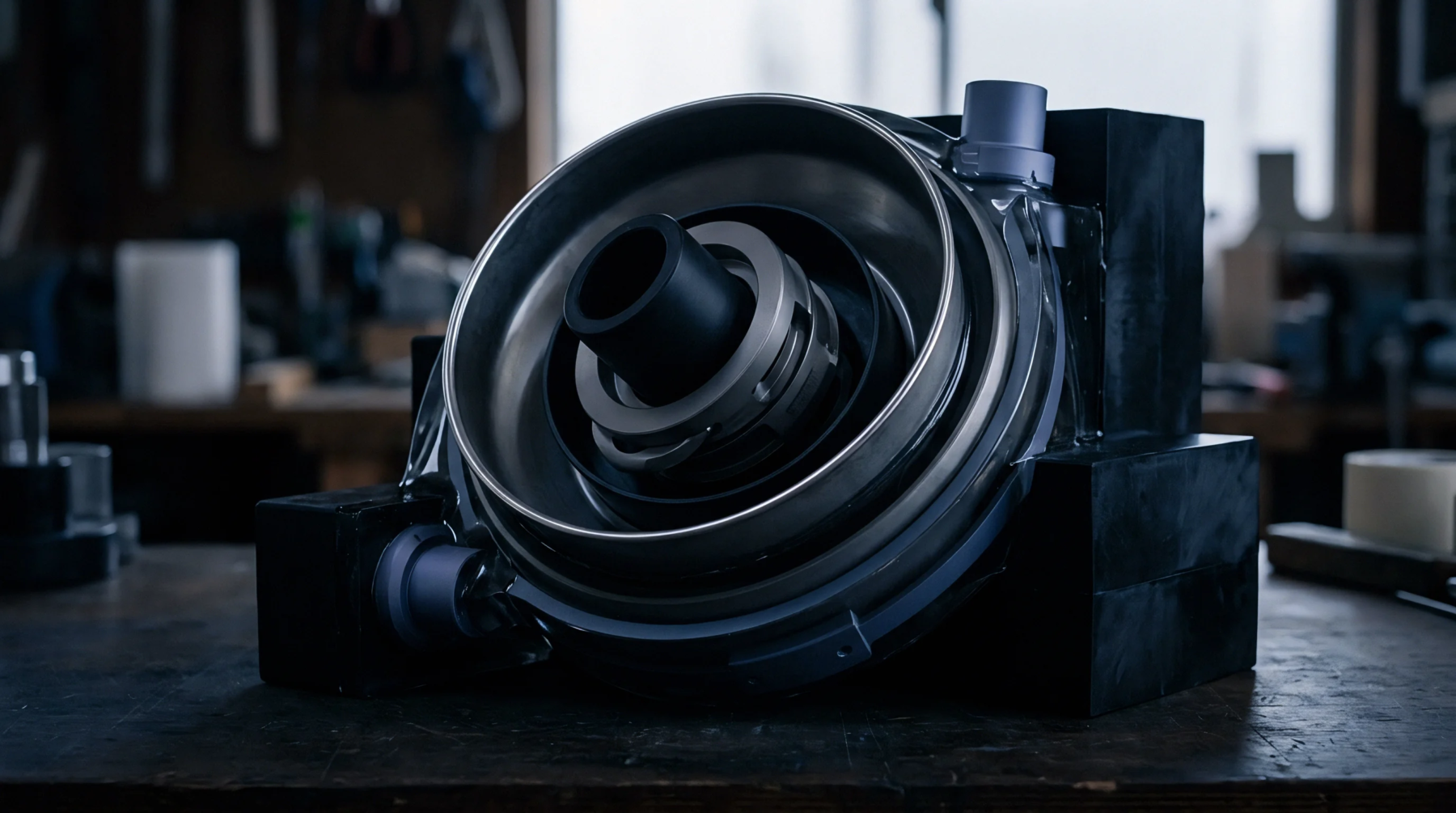
Real-time cavity pressure transducer feedback corrects shear-thinning thermal imbalances in multi-cavity tools by adjusting dynamic V/P crossover points.
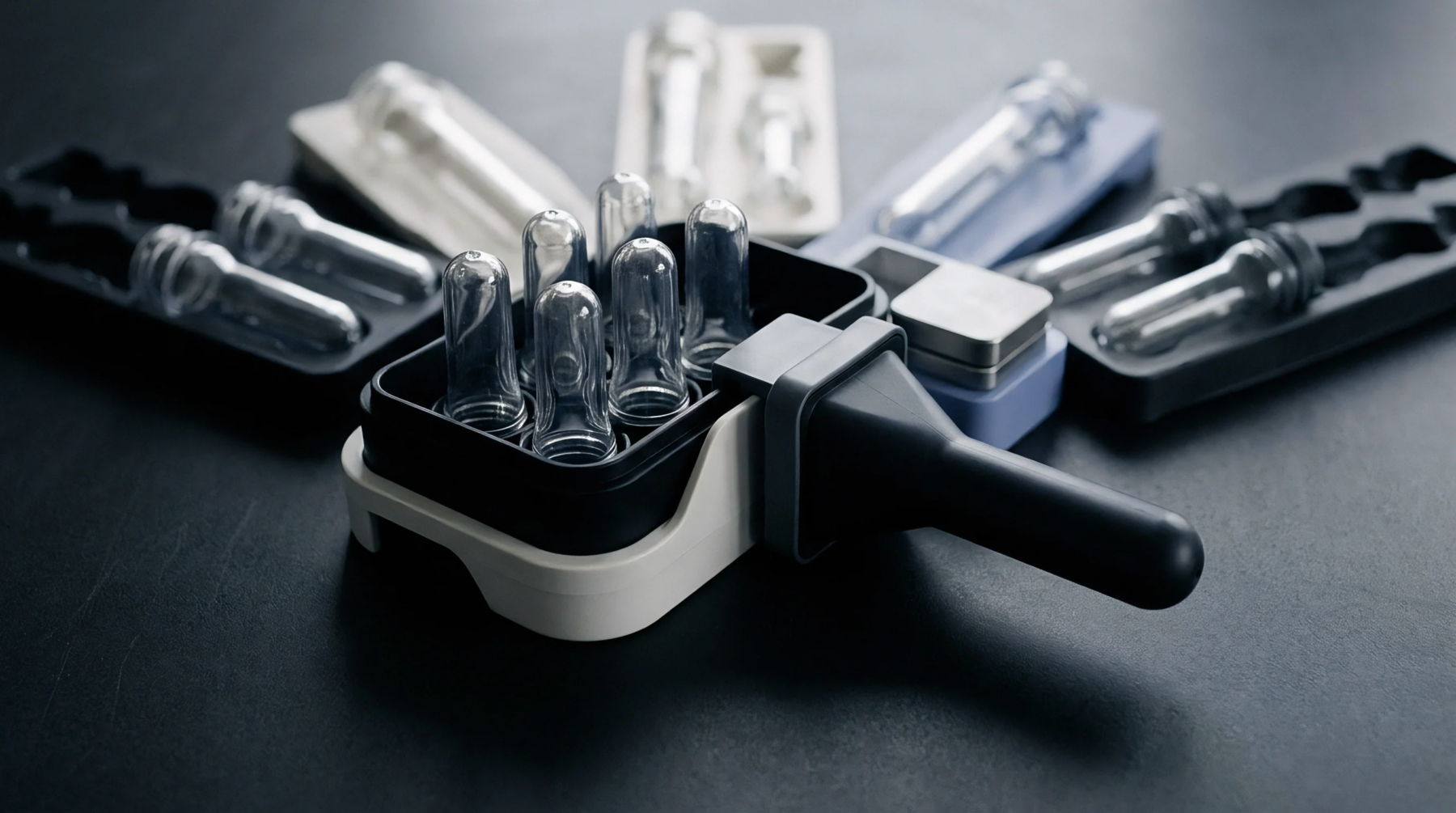
Optimal cavitation balances machine hourly rates, clamp tonnage, and shot capacity against thermal cooling limits and cross-cavity dimensional distribution.
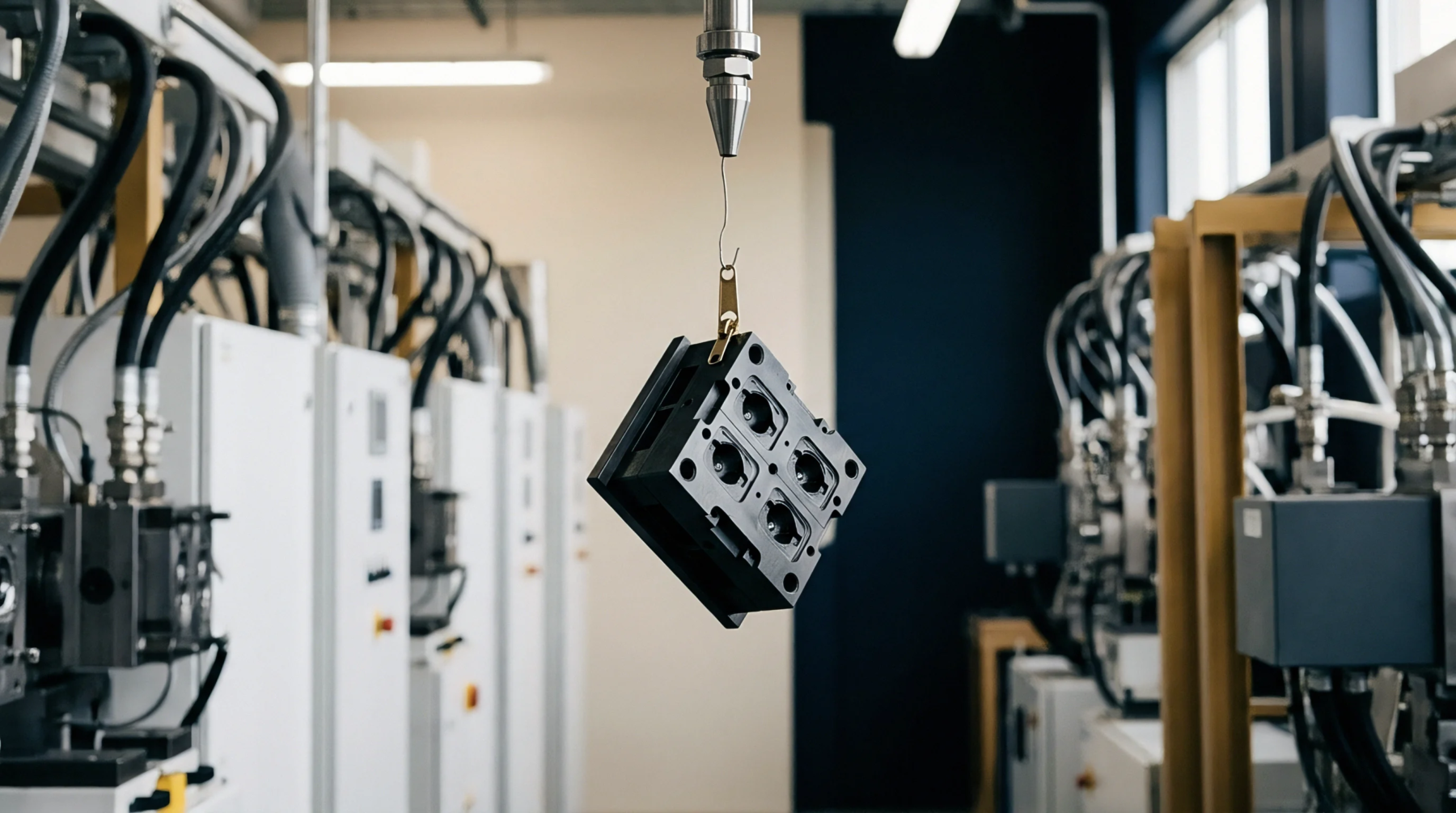
Dynamic sensor drift in high-temperature tooling stems from insulation drop and thermal charge loss; manage via matched crystals, cabling, and reset timing.
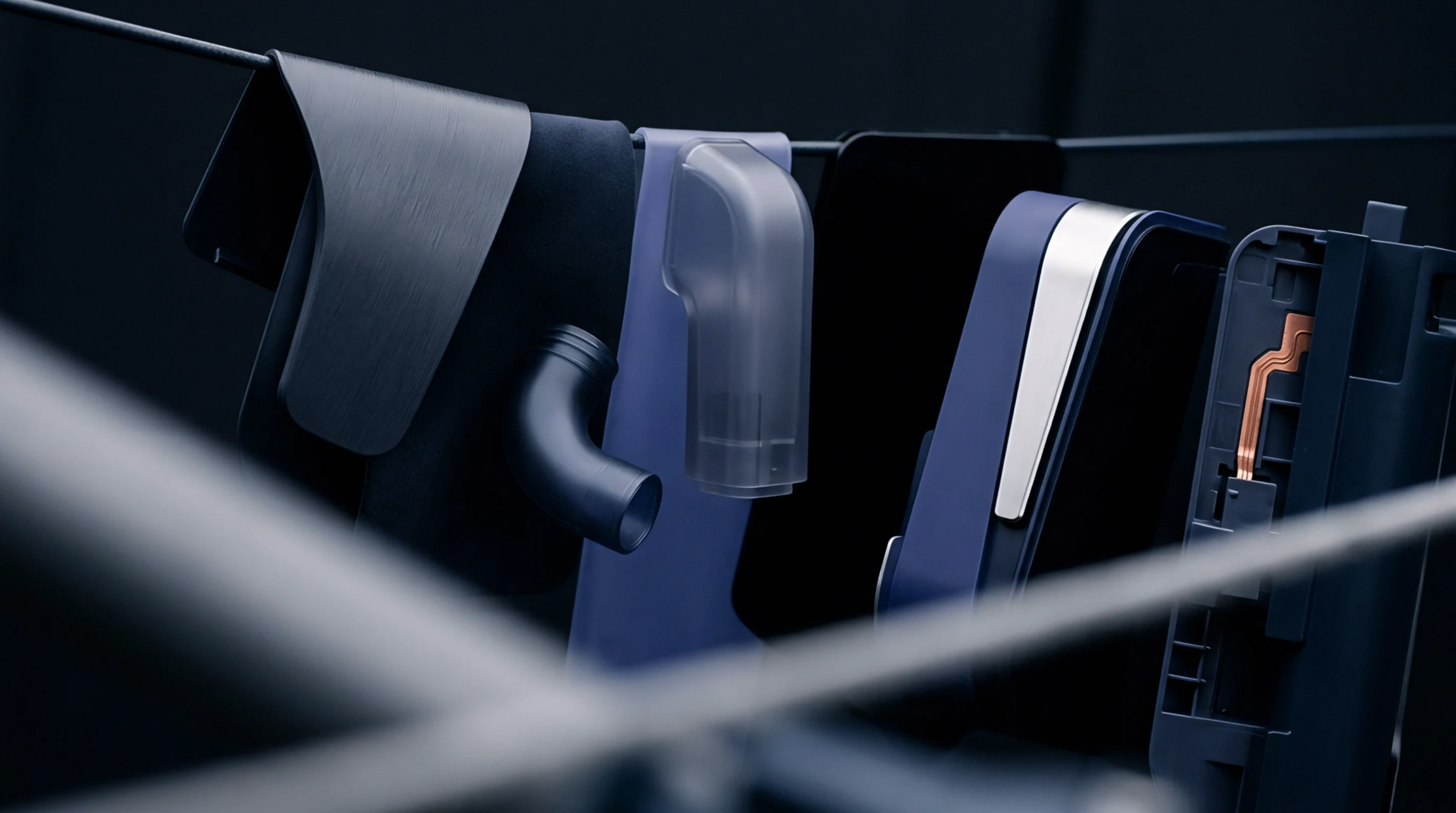
Wireless piezoelectric cavity pressure telemetry eliminates platen cabling, providing real-time process monitoring for active part quality containment.
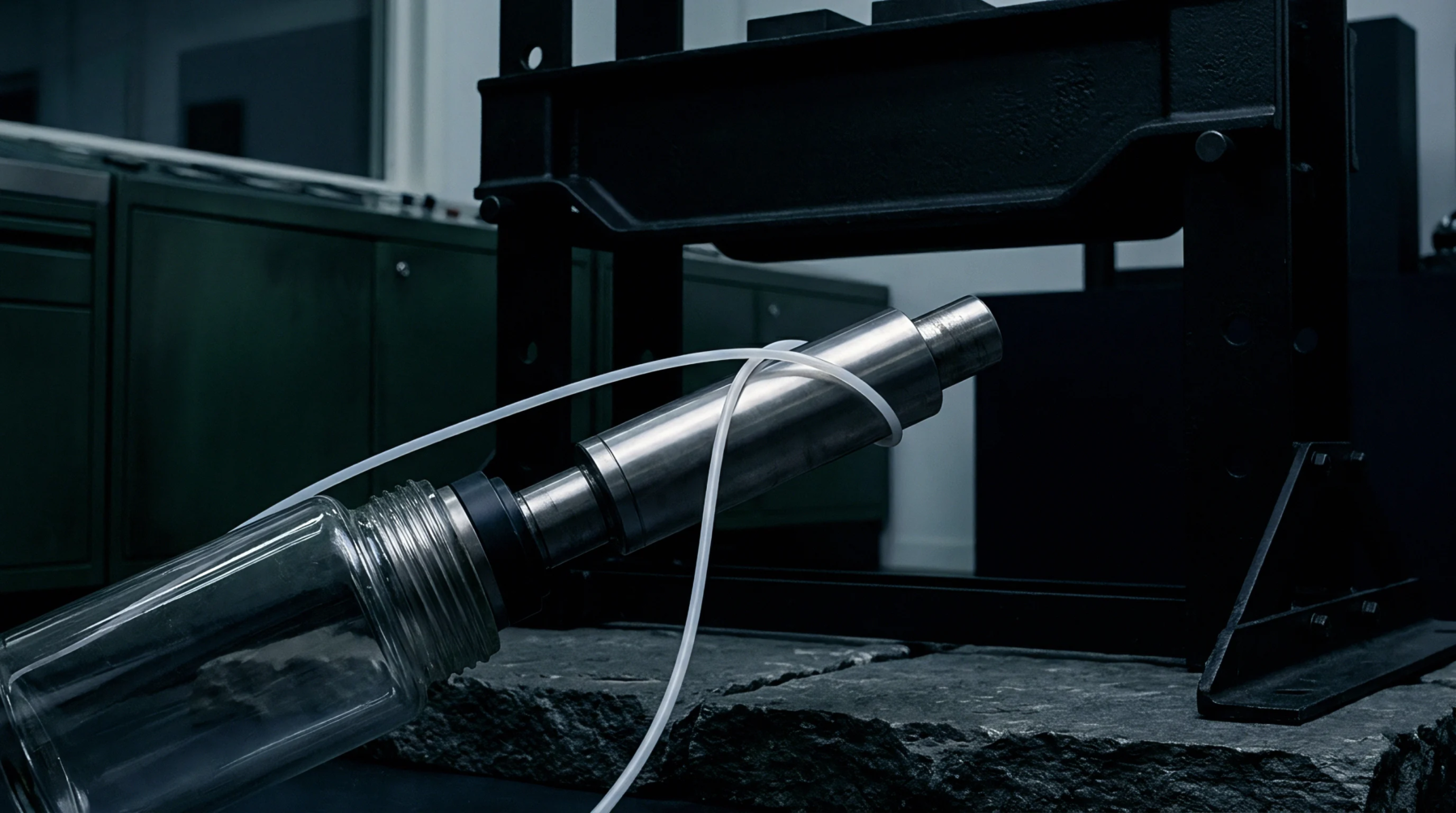
Closed loop cavity pressure regulation corrects melt viscosity drift by dynamically modulating switchover point and packing profile to hold volumetric shrinkage constant.
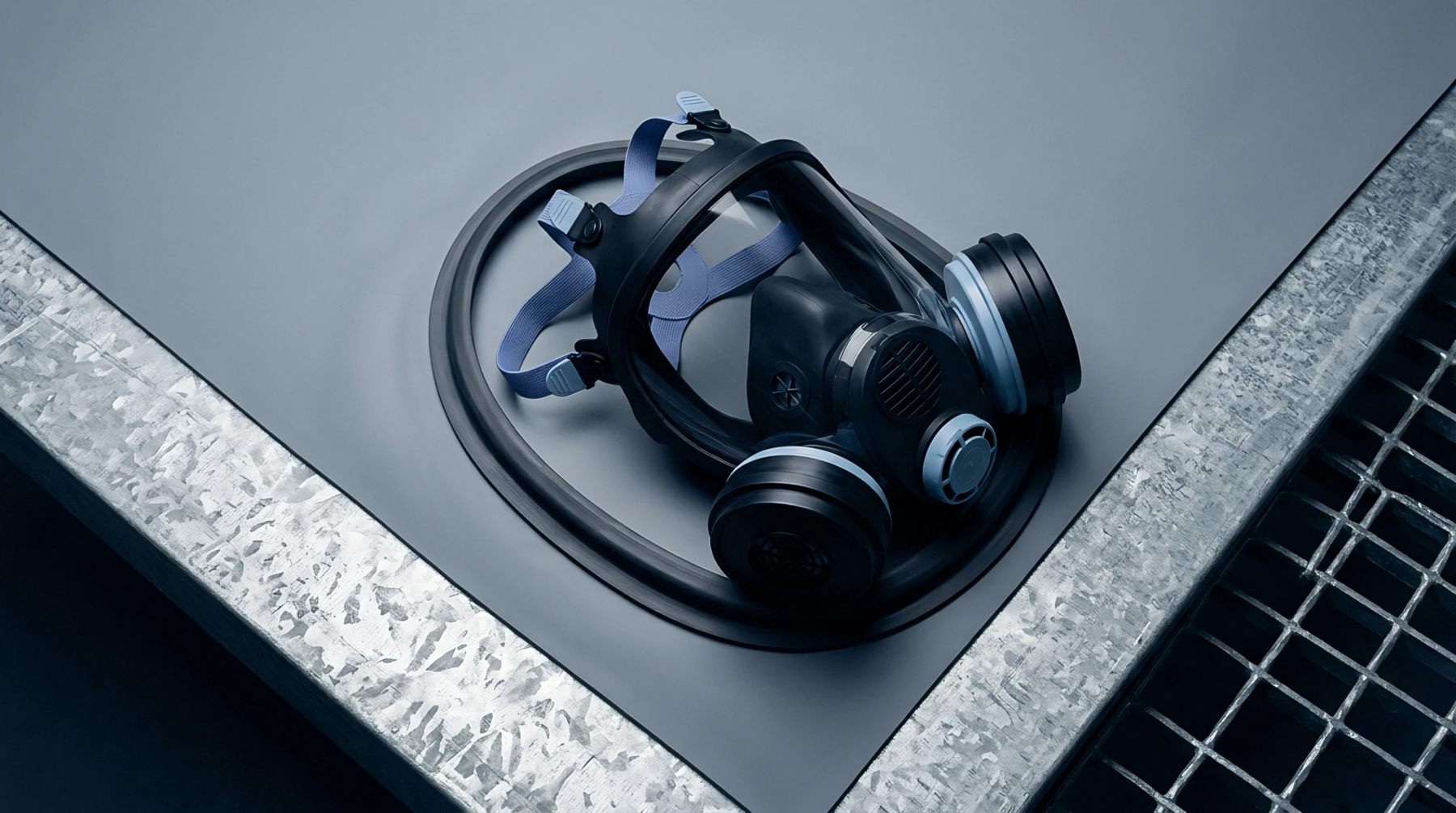
Dynamic cavity pressure curve integration over hold time governs volumetric polymer density and predicts final part dimensions before tool ejection occurs.

Gallium phosphate transducers maintain linear piezoelectric performance up to 750 °C when housing pre-load mechanics offset thermal expansion anisotropy.
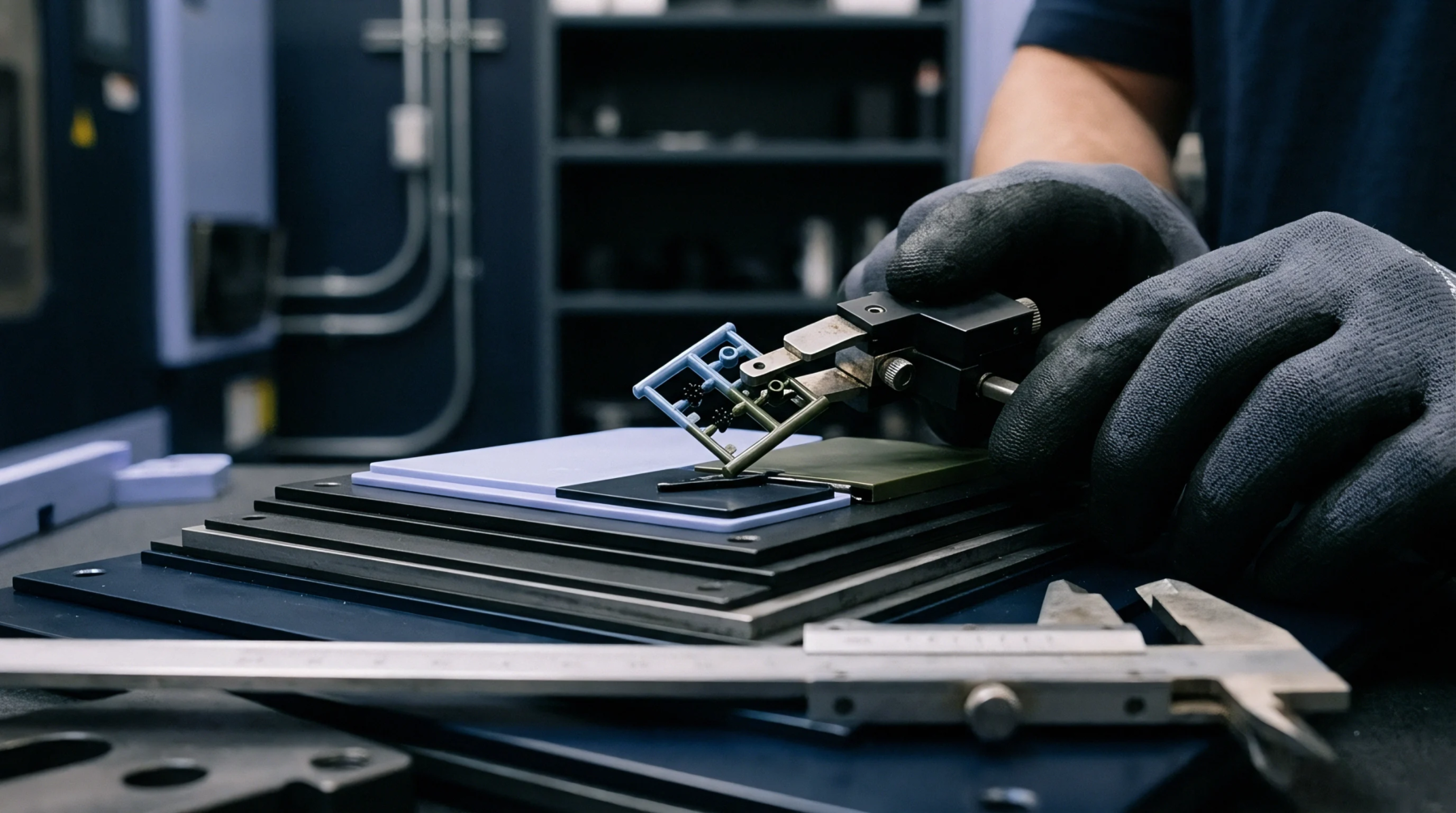
Cavity pressure measurement in micro-injection tooling decouples machine dynamics from cavity fill, eliminating part weight variance and micro-defects.

Cavity pressure closed loop control dynamically regulates melt pressure profiles to hold sub-hundredth millimeter tolerances despite batch and thermal drift.
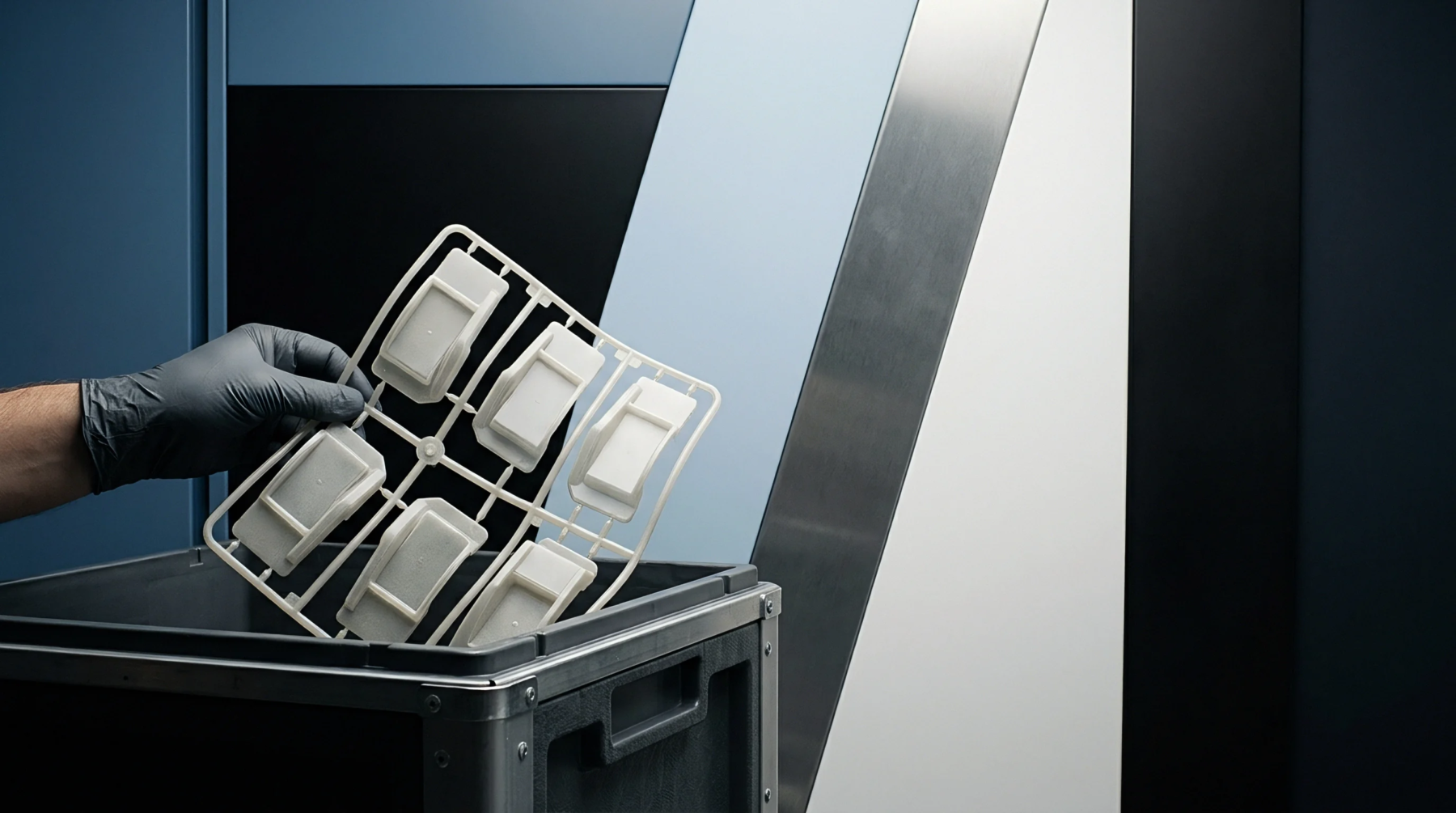
Real-time mold cavity pressure telemetry triggers automated mechanical part rejection, ensuring sub-gram defective melt profiles never enter production inventory.
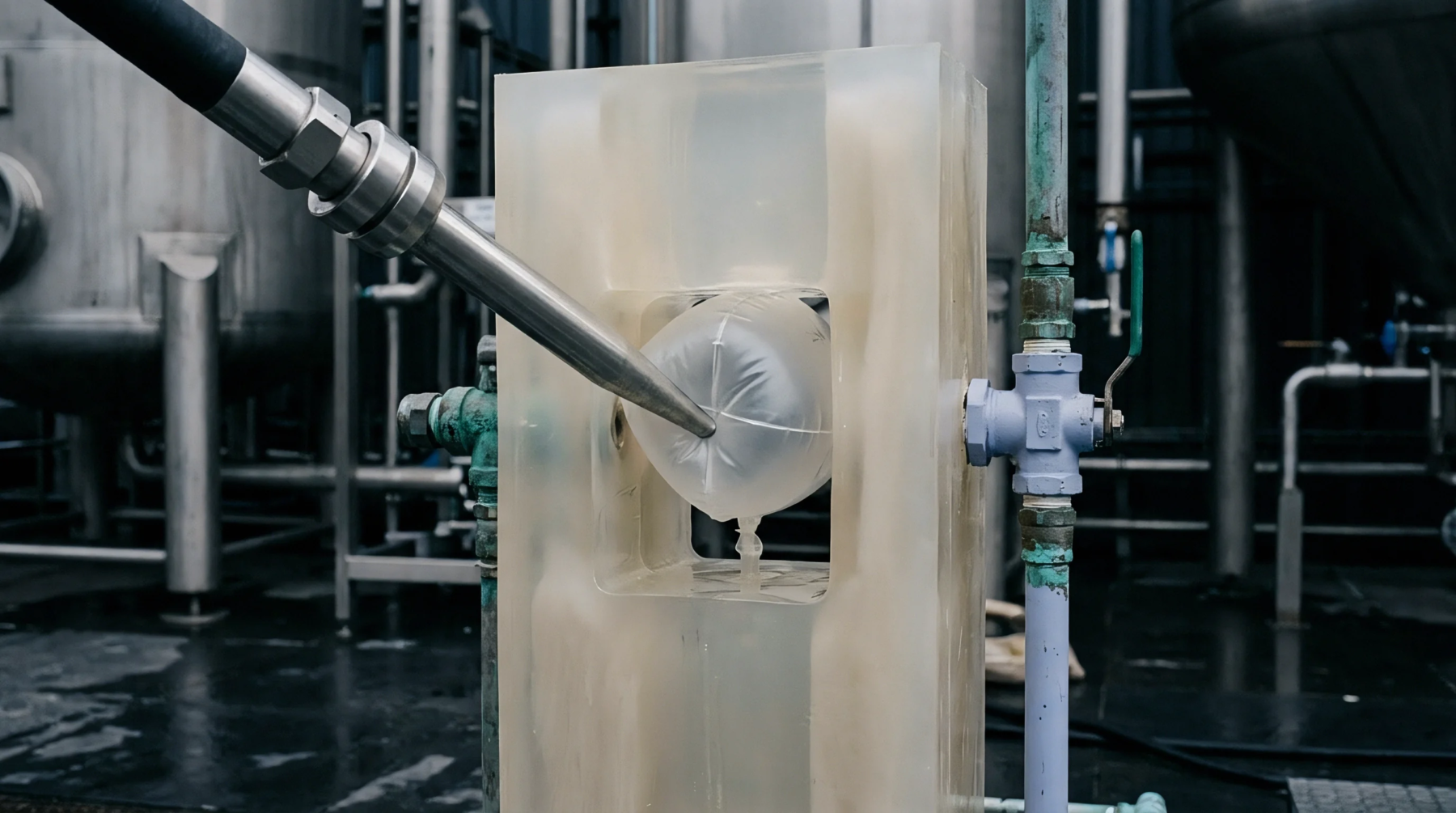
Sub-millimetre cavity pressure sensor placement requires sub-two-micron pin clearances and end-of-fill installation to decouple micro-melt viscosity from V/P switchover.
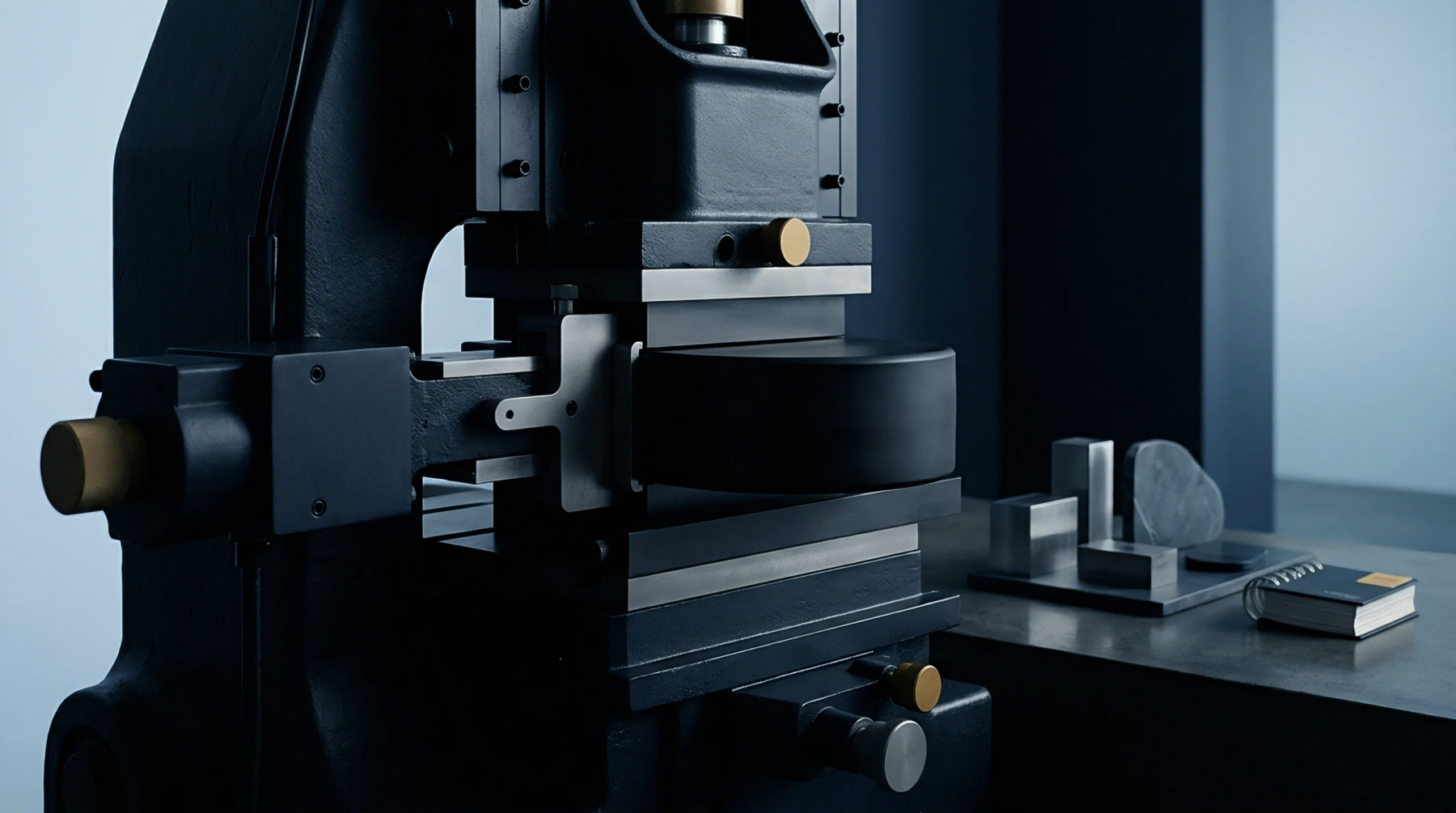
In-mold cavity pressure telemetry directly measures melt compression dynamics to lock down scientific moulding qualification and stabilize piece tolerances.
Expertise is a utility, not a secret. sentiention™ publishes its working knowledge as open reference: intelligence layer covering the materials it sources, the markets it enters, and the reference that serves both.