Meaning
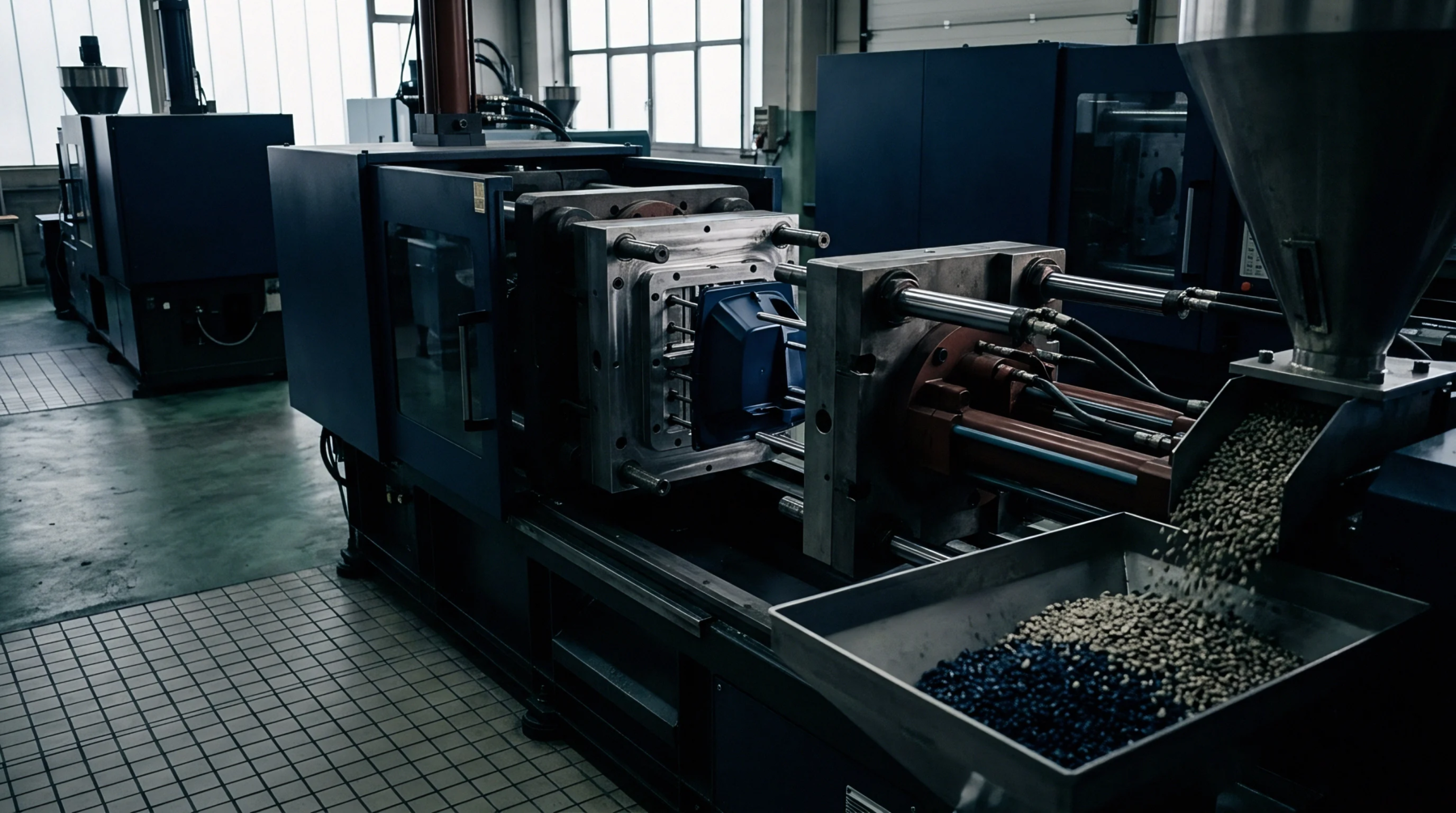
Progression of molten polymer into empty cavity space during the velocity-controlled injection phase defines volumetric filling. During the primary stage of the injection moulding cycle, volumetric filling accounts for the displacement of cavity air by plastic melt up to approximately ninety-five to ninety-eight percent of total part volume. Machine controllers deliver forward screw motion at controlled speeds, generating high cavity flow rates while maintaining minimal cavity pressure until the impression is nearly full.
Forward velocity control applies to all injection moulding and transfer moulding processes for thermoplastic and thermoset materials. It stops applying at the transfer point where the machine switches to pressure-controlled packing to compensate for volumetric polymer shrinkage.
Velocity Phase
Maintaining constant ram speed during volumetric filling decouples melt front advancement from hydraulic pressure fluctuations. Forward velocity dictates the shear rate at the gate, which controls resin viscosity and keeps the advancing melt front fluid and uniform. When the machine cannot sustain the programmed speed due to insufficient hydraulic pressure limits, the flow front decelerates erratically, causing weld line weakness and variable skin orientation.
Virgin resins flow with predictable velocity under set ram speeds, but high regrind fractions introduce viscosity swings that demand adaptive velocity control on modern injection presses. Processors establish fill time independently of pack pressure to achieve process repeatability.
Hesitation Prevention
Adequate volumetric filling speeds prevent melt hesitation, a defect where flow stagnates in thin wall sections while diverting toward thicker paths. Slower fill velocities allow heat to dissipate rapidly into the chilled mould steel, thickening the frozen layer and freezing off thin ribs before they fill completely. Elevated volumetric flow rates ensure that dynamic shear heating counteracts thermal conduction losses through the cavity walls.
Semicrystalline polymers like polyamide or polyoxymethylene require particularly fast volumetric filling to prevent premature crystallization before complete cavity coverage.
Switchover Transition
Terminating the volumetric fill phase just prior to full cavity containment prevents severe hydraulic pressure spikes against the mould parting line. Transferring control to packing pressure at ninety-five percent fill avoids plate deflection and parting line flash while ensuring complete cavity replication. Inaccurate switchover timing produces short shots when triggered too early or tool damage when triggered too late.