Meaning
Digital communication standards that utilize two wires carrying opposite signals to transmit data across short distances define the architecture for high-speed industrial interfaces. Low voltage differential signaling operates with a small voltage swing, which allows for very high bit rates while minimizing electromagnetic interference. This method is common in the internal wiring of injection moulding machines to connect high-resolution encoders to the main controller.
Signal Integrity
Differential pairs cancel out common-mode noise that is picked up from the surrounding electrical environment of the factory floor. In low voltage differential signaling, the receiver only recognizes the difference between the two wires, making the signal highly resistant to the spikes caused by heavy motors or heaters. This reliability ensures that the position of the screw or the state of the toggle is reported without errors.
Power Consumption
Low signal swings reduce the energy required to toggle the state of the communication line. Because the current remains relatively constant during transmission, the system generates very little heat and places less strain on the power supply of the control board. This efficiency allows for the integration of more sensors and actuators without exceeding the thermal limits of the enclosure.
Cable Configuration
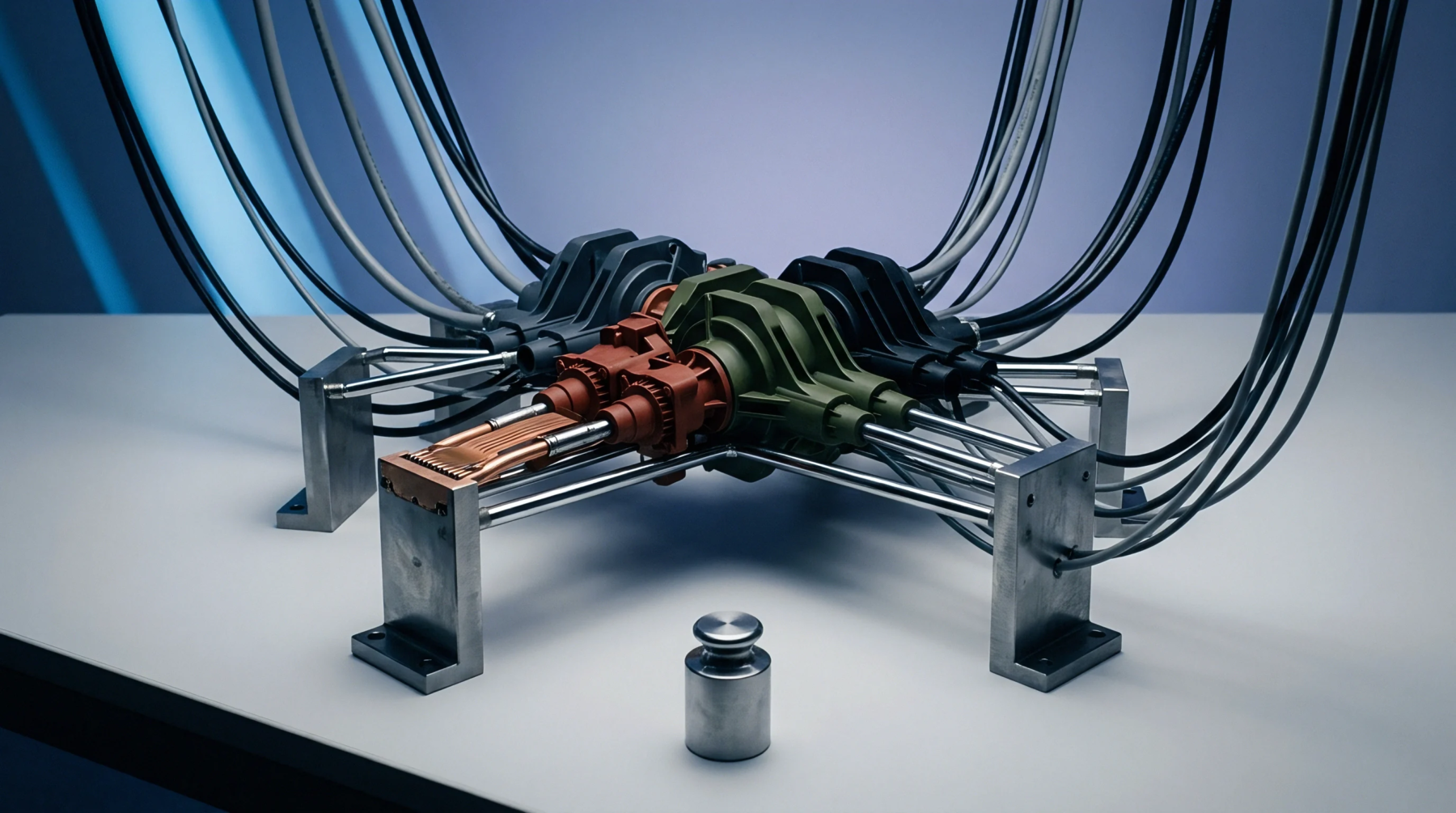
Shielded twisted pair wiring is usually used to carry the signal and maintain the balance of the differential circuit. Maintaining a consistent impedance along the length of the cable prevents signal reflections that could corrupt the data. Connectors must be designed to minimize crosstalk between adjacent pairs to support the high bandwidth requirements of modern process monitoring.