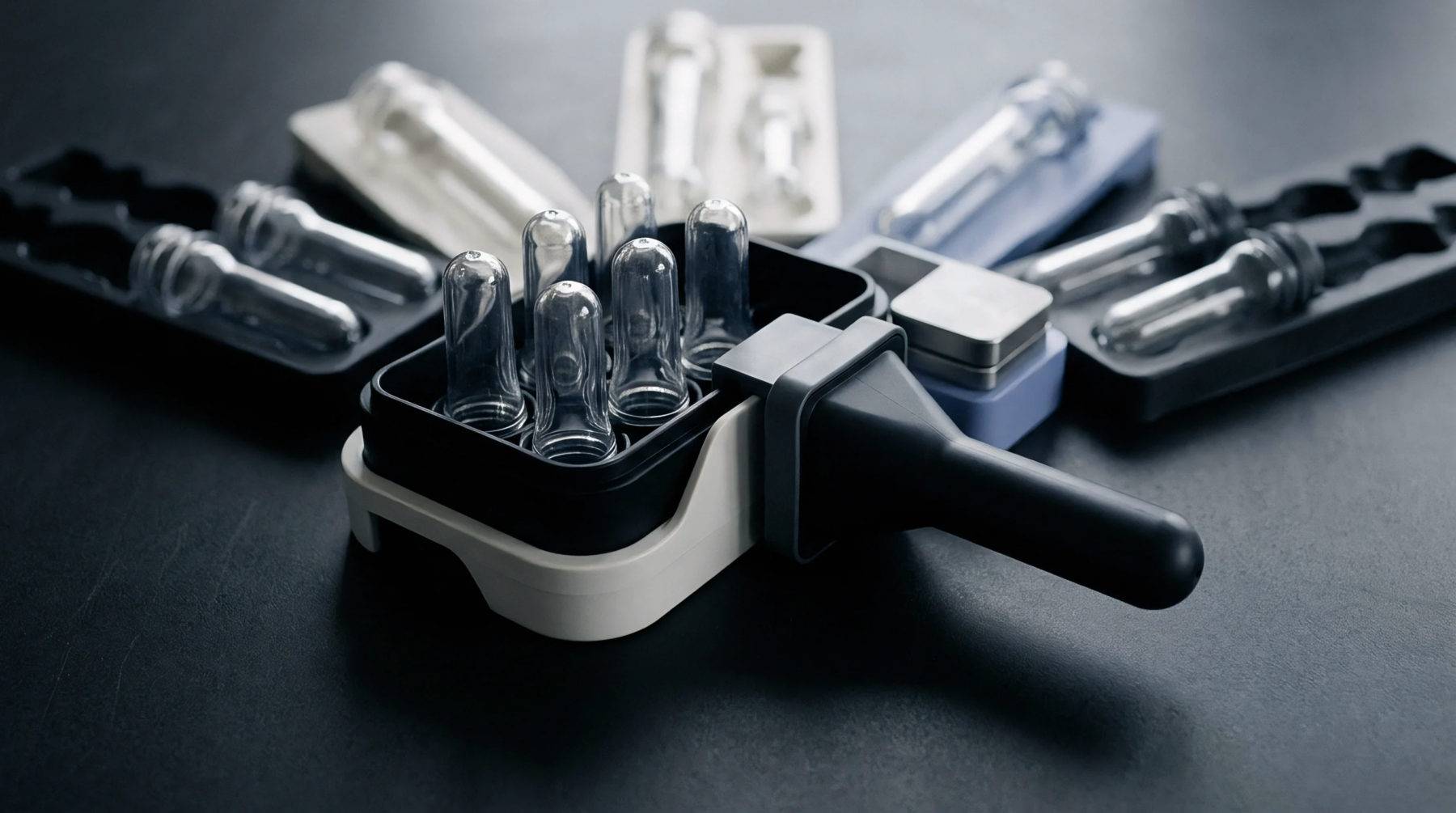
Determining Optimal Injection Molding Cavitation Counts and Processing Parameters
Optimal cavitation balances machine hourly rates, clamp tonnage, and shot capacity against thermal cooling limits and cross-cavity dimensional distribution.
Optimal cavitation balances machine hourly rates, clamp tonnage, and shot capacity against thermal cooling limits and cross-cavity dimensional distribution.

Suppress heavy wall thermal defects by sizing gates to 80% wall thickness, holding pack pressure past core freeze, and deploying conformal high-conductivity chill circuits.

Stabilize unreinforced PP dimensional drift by maximizing in-mold crystallization via hot tooling and extended pack, then conditioning parts prior to inspection.

Optimize wall transitions and gate freeze timing to control volumetric shrinkage, preventing skin collapse over thick thermal cores in non-uniform thermoplastic parts.
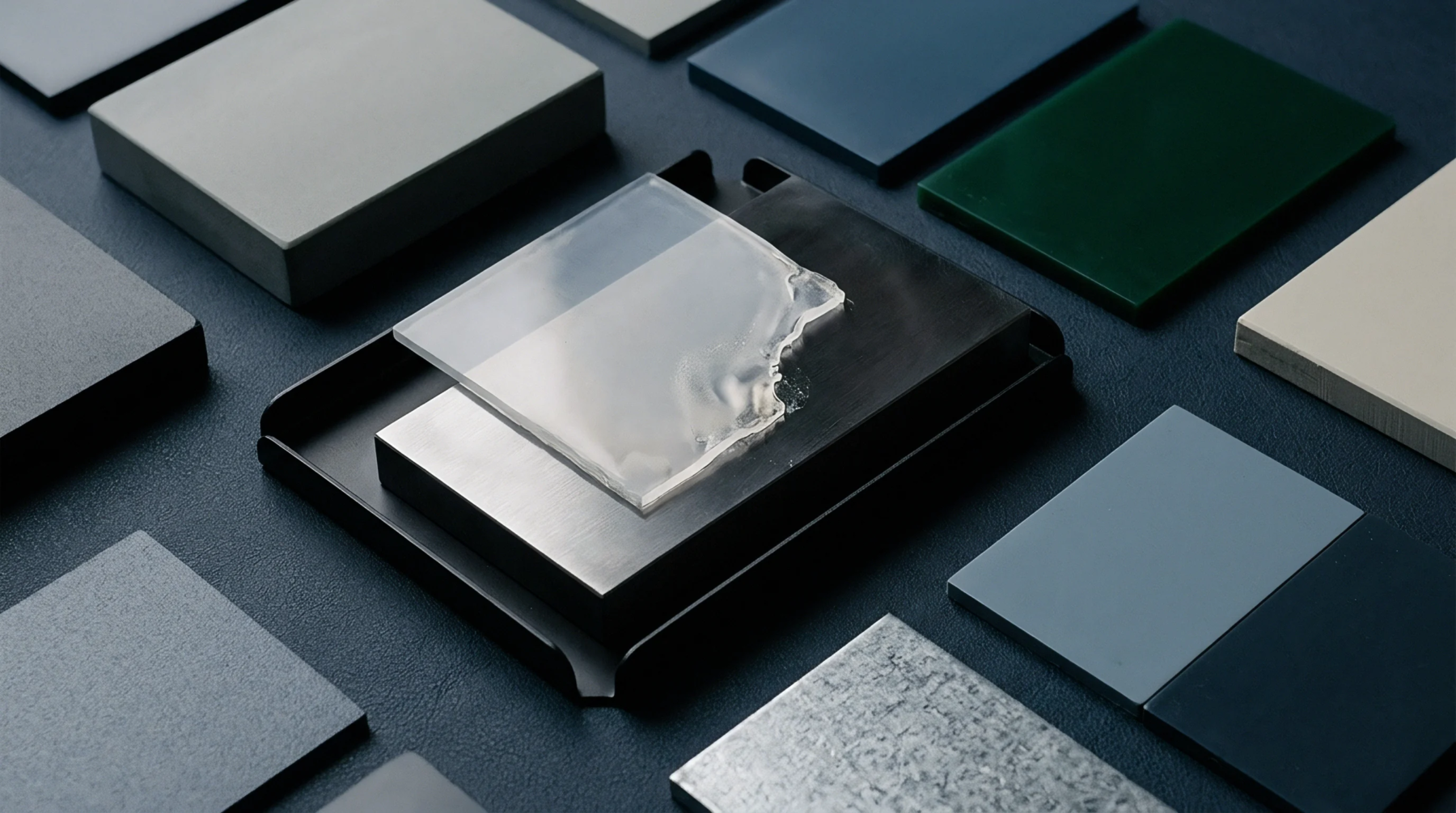
Uniform wall thickness design balances polymer flow, prevents shrink defects, cuts cycle times, and reduces landed part cost in injection moulding tools.
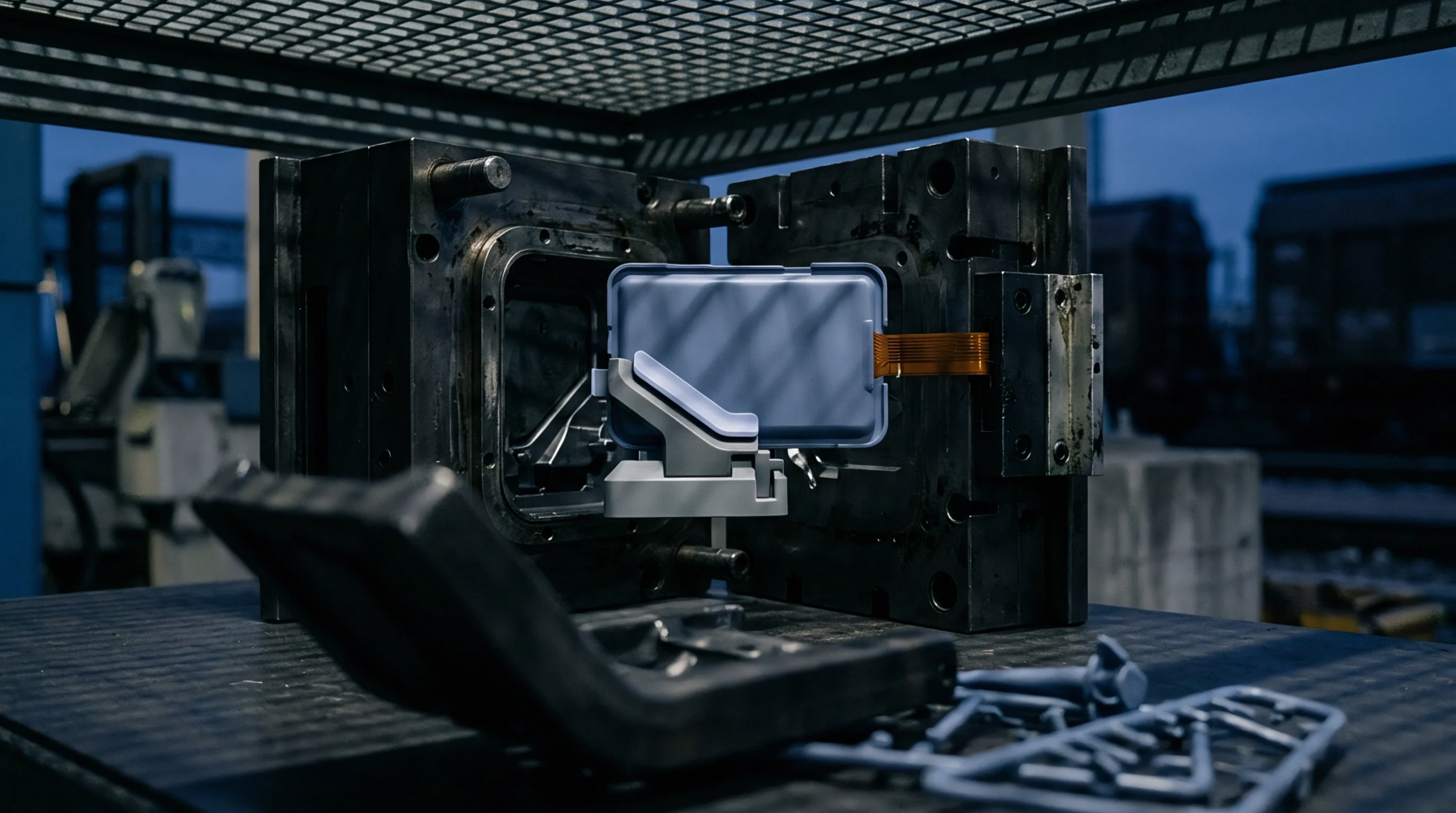
Cooling circuit design dictates actual injection cycle time; quotes assuming unrealistically fast cooling cause part warpage or forced piece-price increases.
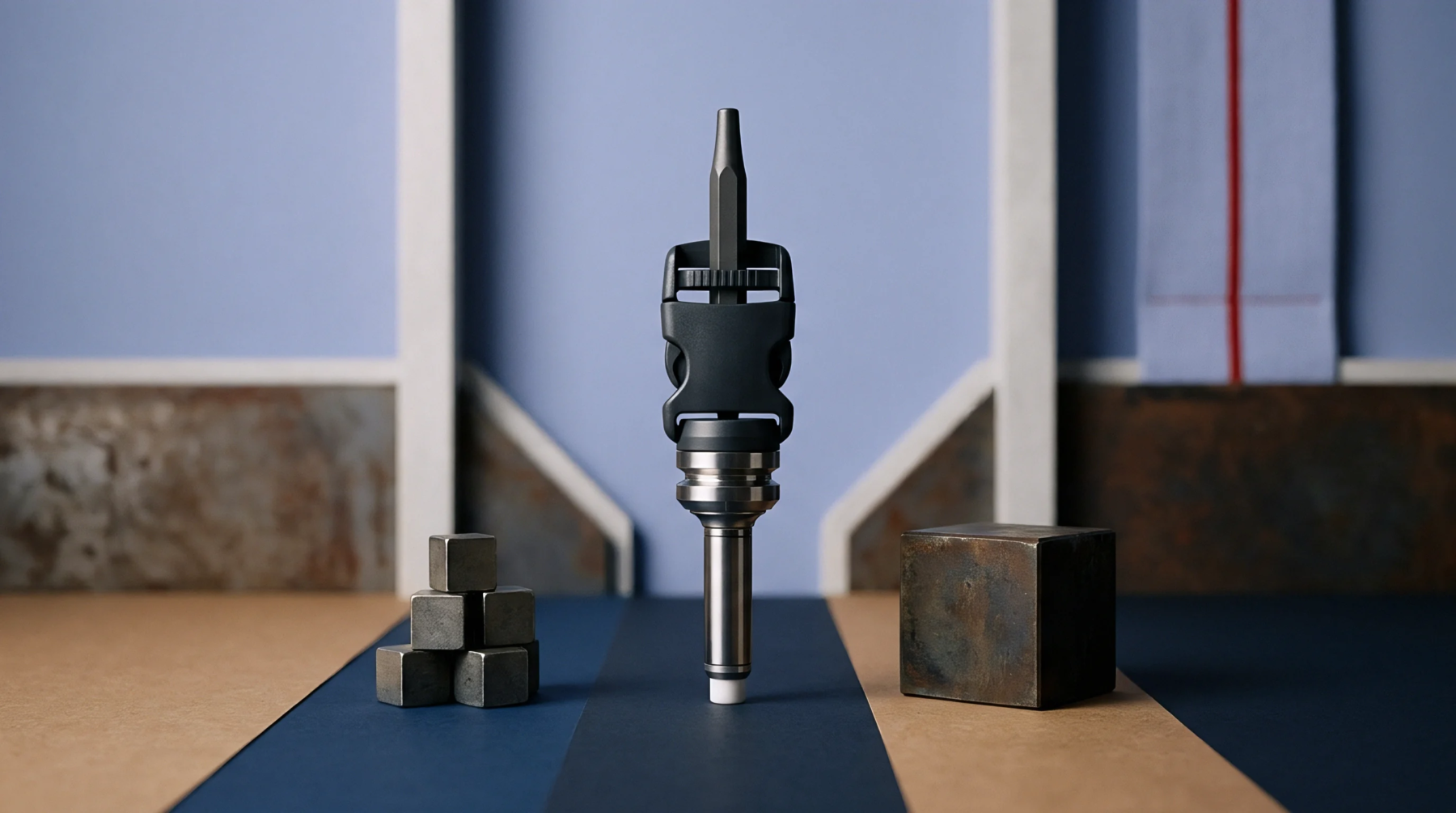
Non-uniform tool steel thermal expansion creates spatial cavity temperature deltas that drive measurable dimensional drift across multi-cavity molds.
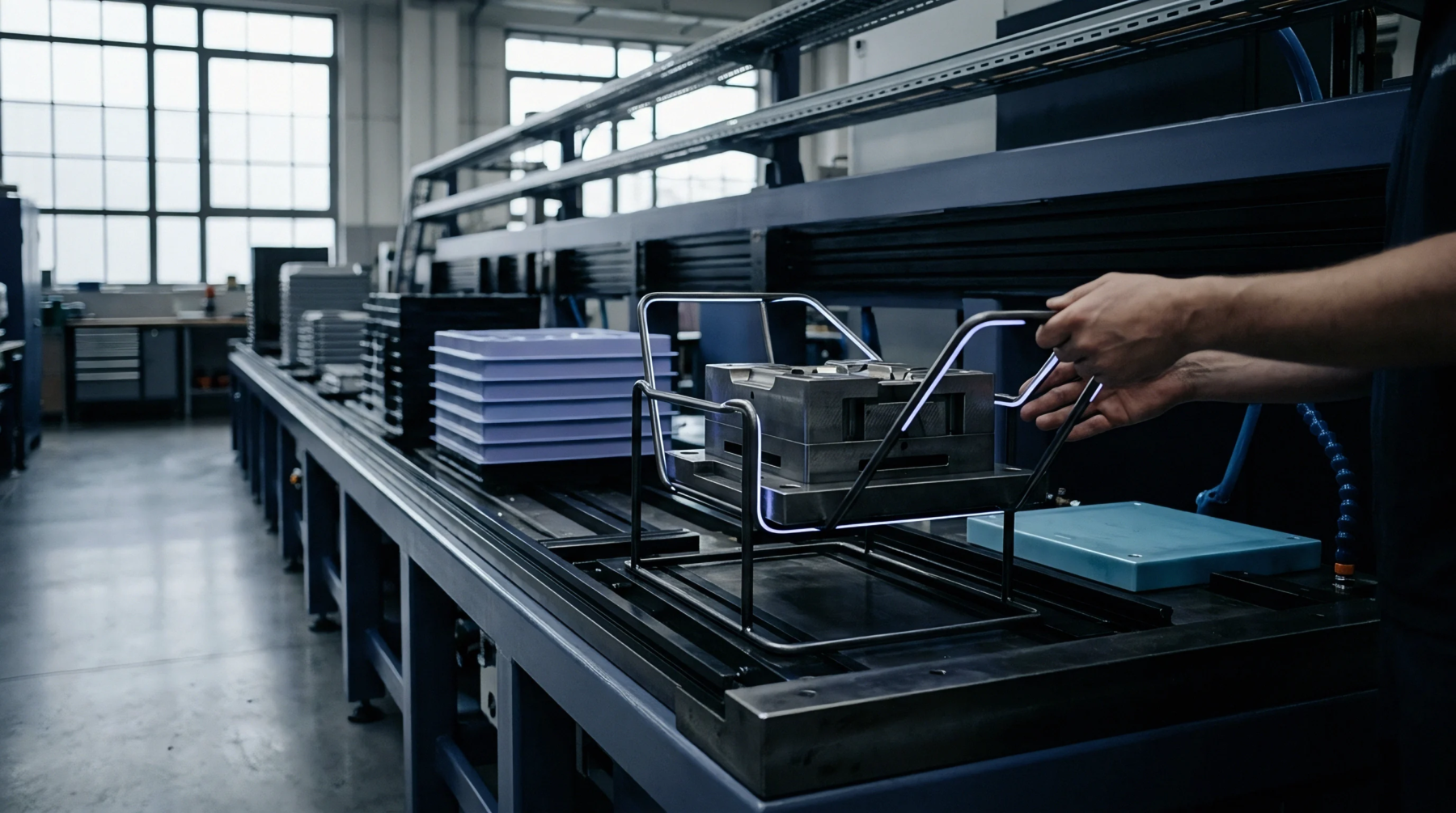
Active thermal balancing and micro-actuated cavity cores prevent sub-micron dimensional drift in high-cavitation resonator micro-tooling.
Expertise is a utility, not a secret. sentiention™ publishes its working knowledge as open reference: intelligence layer covering the materials it sources, the markets it enters, and the reference that serves both.