Meaning
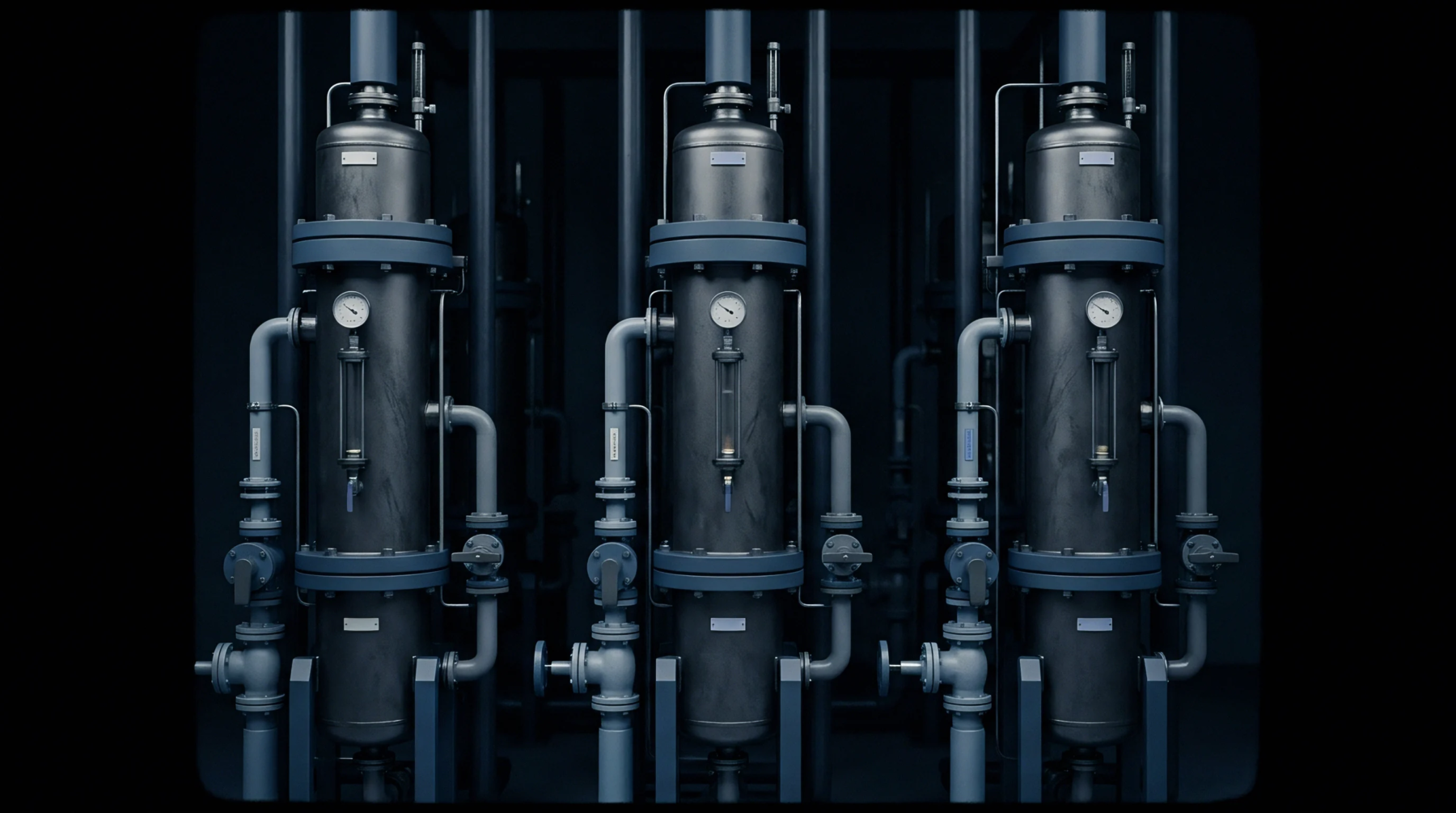
Abrasive Flow Machining defines a specialized finishing operation applied to internal polymer extrusion dies and complex injection moulding manifolds. Media laden with abrasive particles moves under hydraulic pressure through constrained passages to abrade interior surfaces. Surface roughness values drop considerably when semi-solid polymer carriers propel abrasive grains past restriction zones.
Tooling longevity increases because uniform shear stress eliminates microscopic stress concentration points inside complex runners.
Channel Metallurgy
Tool steel selection dictates how effectively a runner withstands repeated media passes during finishing cycles. Heat treatment hardness profiles must balance wear resistance against structural ductility under high operating pressures. Material removal rates remain predictable only when baseline microstructure uniformity prevents localized pitting.
Flow Mechanics
Rheological properties of the carrier compound determine velocity gradients across restricted geometries. Viscosity must remain stable under sustained shear heating so abrasive particles suspend evenly throughout the carrier volume. Pressure differentials drive the media slug back and forth until target surface metrics emerge.
Post Processing
Subsequent injection moulding trials verify whether internal channel modifications eliminate flow hesitation marks on moulded parts. Dimensional stability improves once gate regions achieve specified micro-inch finish standards without altering overall runner volume. Surface integrity checks confirm that residual abrasive particles are fully removed prior to production tool release.