Meaning
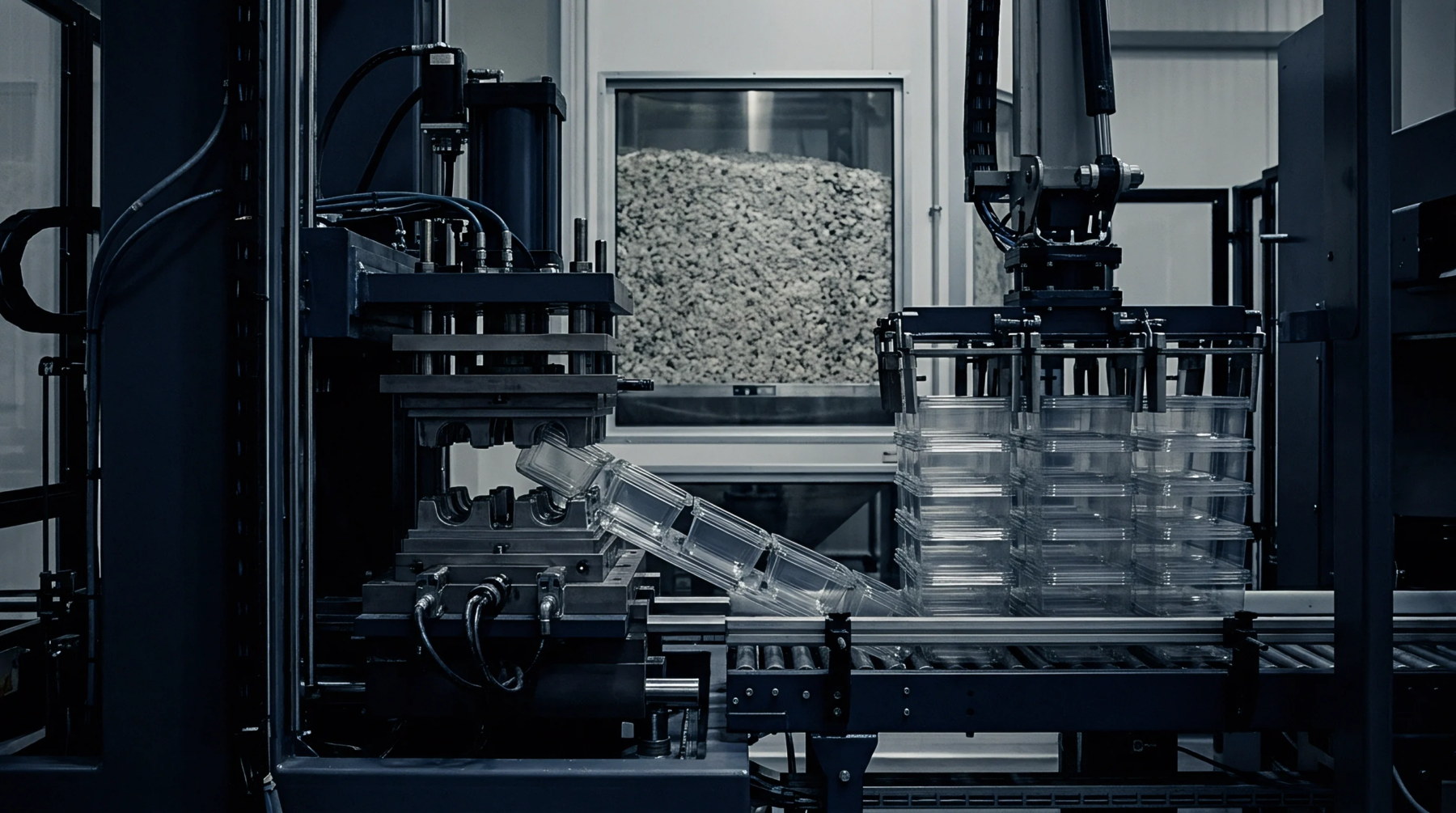
This thermal manufacturing operation utilizes a high pressure hydraulic or electric system to force molten plastic material into a closed metal cavity. Through injection molding, producers create complex geometries by heating polymer pellets to a flowable state before discharging the resin through a nozzle into a cold die. The cavity geometry dictates the final shape, while cooling channels solidify the part for ejection.
This method applies to thermoplastic and thermoset materials where thermal energy facilitates shape formation. The technique stops where cold forming or additive processes begin, as it relies on the liquid state of the polymer to bridge the gap between supply and final geometry. Industrial facilities rely on this method for high volume output of consistent components.
Process Efficiency
Precise control over barrel temperatures and nozzle pressure allows the operator to maintain the dimensional stability of injection molding. Regrind material often introduces molecular weight variance, which necessitates adjustments in screw rotation and hold times to ensure consistent part density compared to virgin resin batches. Material specifications dictate the melt flow index required for cavity filling, whereas part specifications define the tolerances for features like snap fits and wall thickness.
Pressure drops across the feed system lead to short shots or flashing if the hydraulic force fails to match the viscosity of the flowing polymer. Thermal drift within the heaters creates inconsistent crystallinity in the finished item, which changes the mechanical properties across the production cycle. Tight regulation of the cooling circuit prevents internal stress that causes warping or shrinkage during the storage phase.
Moulding Economics
Tooling investment constitutes the primary fixed cost of injection molding, as the steel cavity requires high precision machining to withstand repeated thermal cycling. Operational throughput depends on cycle times that combine injection, cooling and ejection steps. Manufacturers select between high cavitation tools to reduce the piece price or lower cavity counts to minimize the initial engineering outlay.
Part geometry influences the complexity of the ejector system and the need for side actions, which adds to the tool design burden. Tool life remains a finite variable affected by the abrasiveness of glass filled resins and the clamping force applied during each cycle. Proper maintenance of venting prevents gas traps that burn the polymer during the rapid fill phase, ensuring the integrity of the finished batch remains within established quality bands.
Thermal Consistency
Precise energy application determines the success of injection molding, because resin degradation occurs if the polymer dwells too long in the heated screw chamber. Setpoints for heating zones rely on the glass transition temperature of the specific polymer grade being processed. A variance in the cooling water temperature creates inconsistency in the shrinkage rate, which makes parts fail to meet gauge requirements.
Digital sensors provide data on actual melt temperatures to counteract the inaccuracy of external band heaters. Cavity pressure transducers track the internal conditions during the packing stage, which alerts the system to air entrapment or inadequate volume injection. Stable resin properties and machine settings govern the output rate of every commercial facility.