Resolving Multi-Jurisdictional Insolvency Disputes over Subcontracted Hardened Steel Injection Tooling Assets
Physical mold tagging combined with tripartite bailment contracts secures cross-border recovery of subcontracted hardened tooling during press shop insolvencies.

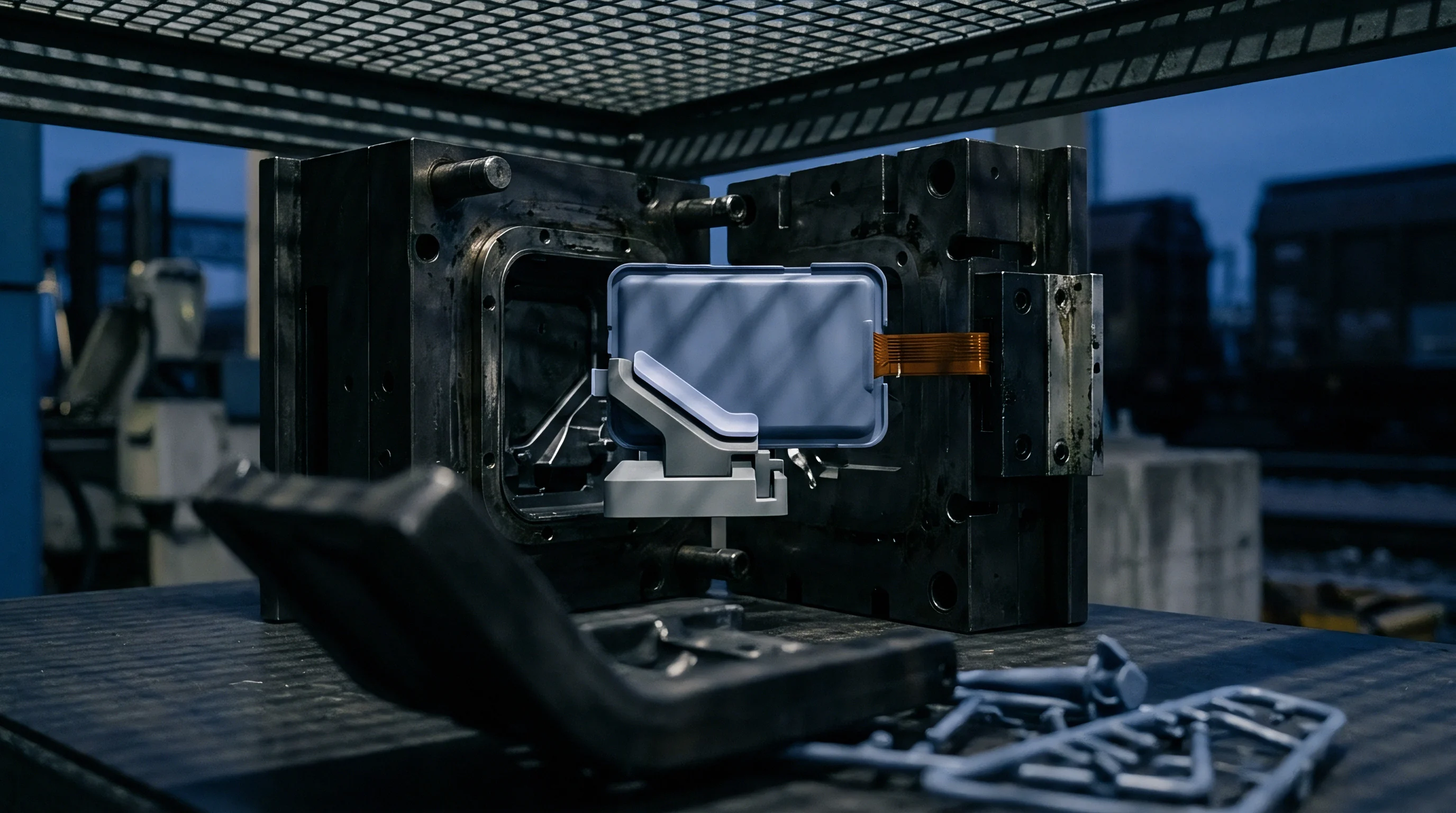
Gate
Subcontracted injection moulding operations often separate tool building from component production. Primary contractors issue master purchase agreements to Tier-2 suppliers, who then place tooling build orders with external or offshore toolrooms. When multi-cavity hardened steel tools sit on a subcontractor’s shop floor during financial distress, legal title clashes with physical possession.
Resolving these disputes requires tracing the physical and legal path of the steel from raw block forged stock to active press installation.
Hardened steel tooling built for high-volume automotive, medical, or electronic enclosures represents a major capital commitment. Tooling fabricators build these assemblies from premium hot-work or corrosion-resistant steels such as DIN 1.2344 (AISI H13) or DIN 1.2083 (AISI 420 stainless steel), heat treated to core hardness levels between 48 and 54 HRC. A typical 32-cavity hot-runner tool for precision electronic connectors contains over two metric tons of high-alloy steel, incorporating complex hydraulic core pulls, valve-gate manifolds, and copper-alloy cooling inserts.
Because these tools require four to eight months of precision CNC machining, electrical discharge machining (EDM), and mirror polishing, replacing a trapped tool during supplier bankruptcy halts vehicle assembly lines or medical device packaging runs, causing commercial damages that dwarf the physical value of the mold itself.
Subcontracted Tooling Architecture
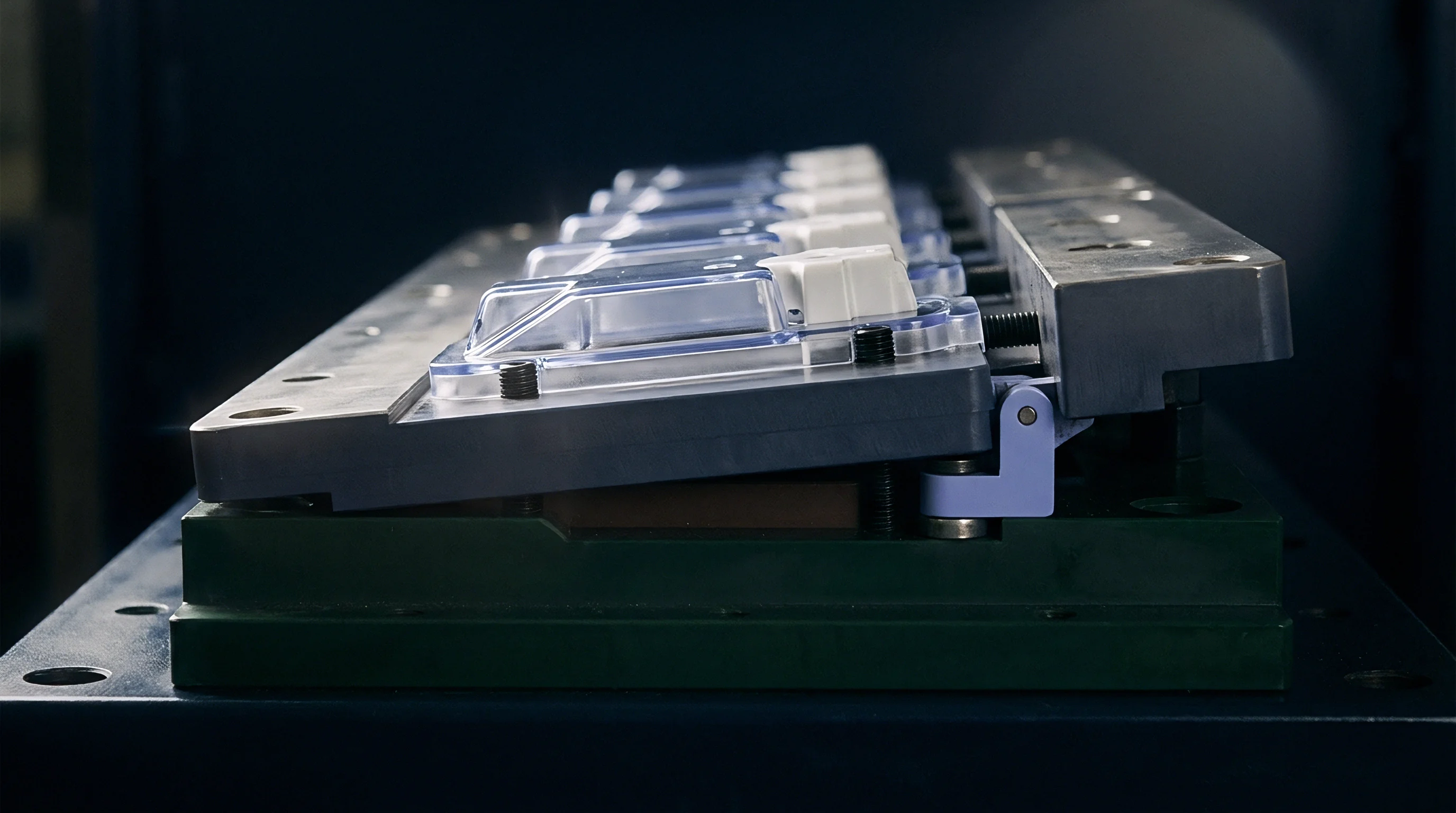
High-volume automotive and medical manufacturing relies on multi-cavity injection molds built from DIN 1.2344 or DIN 1.2083 tool steel hardened to 52 HRC. Machine shops cut these blocks on five-axis milling centers before applying deep-hole vacuum nitriding or physical vapor deposition coatings to withstand abrasive glass-filled polymers. The physical assembly comprises several independent steel plates: top and bottom clamping plates, cavity and core retainer plates, stripper plates, and ejector grid structures.
Hot runner systems from manufacturers like Mold-Masters or Yudo sit embedded inside the hot-half cavity plates, managed by electrical thermocouples and pneumatic valve-actuation lines.
Dimensions inside the mold cavities dictate part geometry within tight tolerance bands. Under DIN 1.2083 polished stainless steel specs, cavity dimensions carry tolerances of plus or minus 0.008 millimeters to accommodate polypropylene or liquid crystal polymer shrinkage rates ranging from 0.5 to 1.8 percent. Precision guiding pillars and taper locks align the core and cavity halves under injection clamp forces reaching 500 to 1000 metric tons.
When financial distress forces a press shop to halt operations, these high-precision steel blocks remain mounted inside presses or stored on shop racks, exposed to ambient corrosion, improper handling, or unauthorized physical retention by unpaid sub-tier entities.
Hardened DIN 1.2344 core inserts operating in a 32-cavity valve-gate manifold hold a 0.012 millimeter dimensional tolerance across 500000 injection cycles when maintained at 60 degrees Celsius cooling fluid temperature.
Steel moves slowly in court. When a subcontractor stops paying its upstream vendors, physical custody of the mold becomes the main leverage point. Tooling agreements usually specify that legal title transfers to the OEM or Tier-1 buyer upon payment of T1 sample approval milestones.
In subcontracted structures, the Tier-2 moulder buys the steel from a Tier-3 moldmaker using progress payments funded by the OEM. If the Tier-2 moulder defaults before transferring those funds downstream, the Tier-3 toolmaker holds onto the tool or asserts an unpaid vendor lien under local commercial codes.
Supply Chain Exposure in Multi-Tier Fabrication
When a primary vendor places purchase orders with downstream toolmakers across international borders, title boundaries get obscure. Subcontracting tool production creates a chain of custody where each party works off different commercial assumptions regarding asset ownership. The OEM assumes ownership based on milestone billing receipts.
The Tier-2 vendor claims bailment custody to run production parts. The Tier-3 toolmaker claims a possessory security interest over the steel until its internal invoices clear.
Physical possession dictates initial leverage. The entity holding the mold inside its building controls the physical asset, while foreign buyers hold paper contract rights executed under distant legal regimes. In multi-jurisdictional insolvency cases, foreign contract provisions naming an OEM as owner frequently fail to override local statutory possessory liens recognized where the tool actually sits on a workshop floor.
| Steel Grade | Hardness (HRC) | Typical Cavitation | Thermal Conductivity (W/m·K) | Insolvency Replacement Lead Time |
|---|---|---|---|---|
| DIN 1.2344 / AISI H13 | 48 – 52 | 16 to 64 cavities | 28.6 | 22 to 28 weeks |
| DIN 1.2083 / AISI 420SS | 50 – 54 | 8 to 32 cavities | 24.0 | 24 to 30 weeks |
| DIN 1.2343 / AISI H11 | 46 – 50 | 4 to 16 cavities | 30.5 | 16 to 20 weeks |
| AISI P20 + Ni | 28 – 32 | 1 to 4 cavities | 34.0 | 8 to 12 weeks |
Disputes intensify when tooling modifications or repairs occur post-launch. Engineering Change Orders (ECOs) routinely send hardened steel tools back to local toolrooms for cavity recutting, laser welding, or core pin replacements. If the Tier-2 moulder enters insolvency while the mold sits inside an independent repair shop, the repair facility asserts an artisan lien for unpaid modification work.
The OEM ends up having paid the primary vendor for the tool and the modification, while the physical toolmaker refuses to release the steel from its workbench.
Jurisdictional mechanics govern physical recovery. Foreign buyers often assume that producing an OEM purchase order and proof of wire transfer guarantees immediate local law enforcement assistance to repossess a mold. Local police and bailiffs refuse to intervene in commercial ownership disputes without a binding, enforceable court order issued by a judge in their own jurisdiction.
Meanwhile, the insolvent entity’s creditors view the physical mold on the press floor as unencumbered corporate property available to satisfy general insolvency debts.
- Unpaid Downstream Toolmaker Liens occur when Tier-2 moulding suppliers withhold capital payments to Tier-3 tool shops despite receiving milestone disbursements from the primary OEM buyer.
- Commingled Asset Inventory arises when press shops mix customer-owned hardened molds with general insolvency estate machinery without distinct physical tags.
- Interim Modification Retainers develop when independent toolrooms perform structural engineering changes and hold physical possession pending settlement of outstanding alteration invoices.
- Jurisdictional Forum Conflicts emerge when master supply agreements designate home courts while physical steel assets sit under foreign statutory insolvency stays.
Resolving these initial supply chain friction points requires auditing both contract language and shop floor reality. Tooling buyers have to recognize that contractual declarations of ownership carry minimal weight against physical possession supported by local statutory lien laws. Downstream toolmakers defend their labor by holding the steel on the loading dock until the outstanding wire transfer posts to their bank account.
Lien
Unpaid invoices between sub-tier toolmakers and Tier-2 moulding contractors trigger immediate physical retention of production assets. When financial insolvency threatens a processing facility, operators invoke possessory rights to secure unpaid debts. Recognized across common law and civil law jurisdictions as artisan liens, mechanic liens, or possessory retainers, these legal encumbrances allow a facility holding physical custody of personal property to detain it until the underlying debt for labor, materials, or storage clears in full.
Possessory rights derive directly from physical work expended on the steel asset. When a toolmaker machines, heat treats, wire-EDMs, or refurbishes a hardened DIN 1.2344 core plate, the value added to the raw metal establishes a statutory security interest under local commercial codes. Unlike non-possessory mortgages or bank liens that require public registry filings to achieve perfection, possessory liens gain perfected legal status through continuous, exclusive physical control over the asset.
The moment the toolmaker surrenders physical custody of the mold to a freight carrier or customer representative, the statutory possessory lien is extinguished under most municipal legal codes.
Artisan Retainers and Subcontractor Possession Rights
Jurisdictions operating under civil code frameworks recognize statutory possessory security over chattels modified or constructed on shop premises. In Germany, Section 647 of the Civil Code (Bürgerliches Gesetzbuch or BGB) gives the toolmaker a statutory lien (Werkunternehmerpfandrecht) over movable items produced or modified for the customer. Similarly, in US common law jurisdictions, state mechanic lien statutes and Article 9 of the Uniform Commercial Code (UCC) grant possessory liens to repairers and materialmen.
These rights explicitly prioritize the possessory artisan over prior unperfected security interests held by third-party buyers or general lenders.
Title ownership by a third-party OEM does not automatically defeat a valid artisan lien. If an OEM contracts with a Tier-1 supplier, who subcontracted moulding to a Tier-2 press shop, who subsequently hired an independent toolroom to execute a major cavity change, that toolroom holds a valid possessory lien against the mold plate for the value of the repair. Even if the OEM holds clear legal title to the mold via paid invoices, courts routinely find that the toolroom’s possessory right remains valid because the OEM allowed the mold to enter the stream of manufacturing where alterations were required for production.
German Insolvenzordnung Section 47 grants the owner of subcontracted tooling an absolute right of separation, removing the steel from the bankruptcy estate upon proof of full payment.
Local courts enforce physical custody. A toolmaker holding a two-ton hardened mold inside its facility exercises complete physical leverage over the supply chain. If the Tier-2 moulder enters insolvency proceedings, the court-appointed insolvency administrator (Insolvenzverwalter in Germany, or liquidator in UK practice) conducts an inventory of all physical assets located within the debtor’s premises.
If the mold sits inside the debtor’s press shop, the administrator assumes the asset belongs to the estate under statutory insolvency stays, forcing the foreign OEM to litigate to prove ownership and secure release.

Financial Downstream Cascade
A press operator facing cash flow collapse typically holds finished molds hostage to compel settlement of outstanding balances. This dynamic creates an immediate operational crisis for the manufacturing supply chain. Component assembly lines stall within days when injection molding output stops, driving OEMs to seek emergency court intervention to repossess their production steel.
The financial chain breaks down sequentially when insolvency strikes a sub-tier manufacturing partner. The operational sequence unfolds across distinct stages as cash flow collapses across the sub-tier supply network:
- Tier-2 moulding contractor defaults on monthly credit facilities extended by raw material distributors and sub-tier toolmaking shops.
- Tier-3 toolmakers issue formal demands for unpaid mold modification invoices and halt all pending tooling maintenance operations.
- Toolrooms exercise physical retention rights, locking customer-owned hardened injection molds inside secure holding bays.
- Tier-2 contractor files for local statutory insolvency protection, triggering an automatic stay over all assets located on its commercial premises.
- Insolvency administrators inventory all machinery and tooling on the shop floor, classifying customer molds as general debtor estate property.
- OEM discovers production disruption, issues legal demand for immediate mold surrender, and meets formal rejection from both unpaid toolmakers and court administrators.
- OEM files emergency third-party separation proceedings in local courts to sever legal title from the debtor insolvency estate.
Proving full payment across complex multi-tier contracting structures requires meticulous documentary evidence. An OEM must trace its payments down through Tier-1 and Tier-2 purchase orders directly to the specific serial-numbered tool in dispute. If the OEM paid the Tier-1 supplier, but the Tier-1 supplier failed to remit payment to the Tier-2 moulder or Tier-3 toolmaker, the physical holder’s possessory lien remains intact.
The OEM faces the painful commercial decision of paying the same invoice twice—once to the defaulted Tier-1 contractor and again to the physical toolmaker—to secure immediate release of the steel asset.
Duplicating a 32-cavity hardened hot-runner injection mold takes months of precision tooling work that money cannot accelerate. Consequently, foreign tool owners often find that settling local sub-tier possessory liens directly, despite having already paid the defaulted intermediary, represents the fastest, lowest-risk operational path to resume production. Possessory rights backed by physical control over the metal will beat unperfected contractual title claims every time.

Conflict
Disputes spanning international jurisdictions face overlapping statutory regimes governing asset ownership and bankruptcy administration. When a subcontracted hardened steel tool sits in a press shop in Munich, Texas, or Suzhou, while the component buyer operates in Tokyo or London, choice of law provisions written into commercial supply agreements clash directly with municipal property laws governing physical assets. Resolving cross-border insolvency disputes requires navigating the legal friction between the contractual law chosen by the parties ( lex loci contractus ) and the local property law where the physical steel resides ( lex situs ).
Private international law establishes that property rights in tangible personal property—including industrial machinery, press units, and injection molds—are governed exclusively by the law of the jurisdiction where the asset is physically located ( lex situs ). A master service agreement signed in New York specifying New York law and jurisdiction governs personal rights and monetary obligations between the buyer and seller. However, New York law cannot create, transfer, or extinguish property rights in a physical steel mold located inside a German manufacturing plant if German property law (Sachenrecht) does not recognize the validity of that transfer mechanism.
Situs Principles versus Choice of Law Clauses
Commercial supply contracts almost universally select the buyer’s home law to govern ownership transfers. An OEM standard clause might read: “Title to all tooling transfers to the Buyer immediately upon fabrication of raw mold plates.” Under US Uniform Commercial Code provisions, parties may freely contract for title transfer timing. However, under German property law, the strict principle of specificity ( Bestimmtheitsgrundsatz ) and the abstraction principle ( Trennungsprinzip ) dictate that property transfer requires an explicit, identifiable transfer of physical possession or an unambiguous statutory substitute ( Sicherungsübereignung ).
If the mold remains in the physical possession of the German supplier without clear physical marking and segregation, German courts treat the title transfer as incomplete against third-party insolvency creditors.
In cross-border disputes, local press shops have locked foreign-owned injection molds inside insolvency estates for over eighteen months. In these instances, foreign buyers relied on choice-of-law clauses that local insolvency courts completely disregarded. The local courts consistently applied local bankruptcy statutes to determine whether the physical molds sitting on the local shop floor fell within the automatic administrative stay.
Lex situs governs physical enforcement rights on the factory floor regardless of choice-of-law clauses in master service agreements.
Once an insolvent debtor enters formal bankruptcy administration, local statutory moratoria take immediate effect. These stays legally prohibit creditors and asset owners from seizing property, executing judgments, or removing machinery from the debtor’s premises without prior court authorization. The specific legal mechanisms for asserting asset ownership differ across major manufacturing jurisdictions.

Cross-Border Insolvency Frameworks
The UNCITRAL Model Law on Cross-Border Insolvency, adopted by over fifty nations including the United States (Chapter 15), the United Kingdom, Japan, and Korea, provides a procedural framework for coordinating international bankruptcies. The Model Law establishes a distinction between a debtor’s Center of Main Interests (COMI)—where the main insolvency proceeding takes place—and secondary foreign non-main proceedings opened where the debtor holds physical assets or branch operations.
Conflict arises when a foreign COMI court issues an order releasing tooling assets to a foreign OEM, but the local court holding secondary jurisdiction over the physical press shop refuses to enforce the order due to local statutory lien claims. Under UNCITRAL principles, local courts reserve the right to refuse recognition of foreign insolvency orders if such recognition contradicts local public policy or impairs the statutory rights of local secured creditors and possessory lienholders.
| Jurisdiction | Primary Insolvency Statute | Statutory Asset Stay Mechanism | Third-Party Asset Separation Right | Typical Court Resolution Window |
|---|---|---|---|---|
| United States | US Bankruptcy Code Chapter 11 / 7 | Automatic Stay (§ 362) | Motion for Relief from Stay (§ 362(d)) / Replevin | 30 to 90 days |
| Germany | Insolvenzordnung (InsO) | Insolvency Moratorium (§ 21 / § 80) | Aussonderungsrecht (§ 47 InsO) | 14 to 45 days |
| United Kingdom | Insolvency Act 1986 / Corporate Insolvency Act 2020 | Administration Moratorium (Sched. B1) | Application for Court Permission / Possession Action | 30 to 60 days |
| China | Enterprise Bankruptcy Law (EBL) | Automatic Property Preservation (Art. 19) | Right of Retrieval / Repossession (Art. 38) | 60 to 180 days |
In the United States, filing a bankruptcy petition triggers the Automatic Stay under 11 U.S.C. § 362. All entities are instantly barred from taking physical possession of property in the custody of the debtor estate. An OEM owning a custom-hardened steel mold located inside the debtor’s US factory must file a formal Motion for Relief from Stay under § 362(d) or initiate an Adversary Proceeding to establish that the mold is not property of the bankruptcy estate under § 541.
The OEM carries the evidentiary burden of proving undisputed legal title and demonstrating that the debtor holds no equitable interest in the steel asset.
In Germany, Section 47 of the Insolvenzordnung (InsO) governs third-party asset separation ( Aussonderungsrecht ). If a foreign buyer proves absolute legal title to an injection mold located within an insolvent German press shop, the buyer holds a statutory right to sever the asset from the insolvency estate. The insolvency administrator must release the mold to the owner without subjecting it to general creditor asset distribution.
However, if the debtor press shop or its sub-tier toolmaker holds a valid statutory possessory lien under BGB § 647, the administrator can lawfully refuse physical release until the owner satisfies the underlying possessory debt.
In the People’s Republic of China, Article 38 of the Enterprise Bankruptcy Law (EBL) allows an asset owner to retrieve property from an insolvent debtor’s administrator ( right of retrieval ). However, enforcement in Chinese bankruptcy courts requires presenting formalized, notarized, and consularized documentation establishing title transfer prior to the bankruptcy acceptance date. If the foreign buyer fails to prove physical segregation and clear asset identification under Chinese property standards, Chinese courts routinely classify the tooling as debtor estate property available to pay local labor and supplier claims.
A standard contractual clause can explicitly define property transfer boundaries before disputes occur. Inserting specific choice-of-law and asset-segregation language establishes clear legal intent:
“Title to the hardened steel injection tooling identified herein shall transfer to the Buyer immediately upon initial steel cutting, governed by the laws of the jurisdiction of physical location (lex situs) for property perfection purposes, while contractual obligations remain governed by the designated contract law.”
This hybrid drafting approach bridges the gap between commercial law choices and local physical property mandates. By explicitly recognizing lex situs for physical property rights while retaining foreign governing law for monetary remedies, tooling buyers eliminate jurisdictional ambiguity and prepare their title documentation for immediate presentation in foreign insolvency courts.
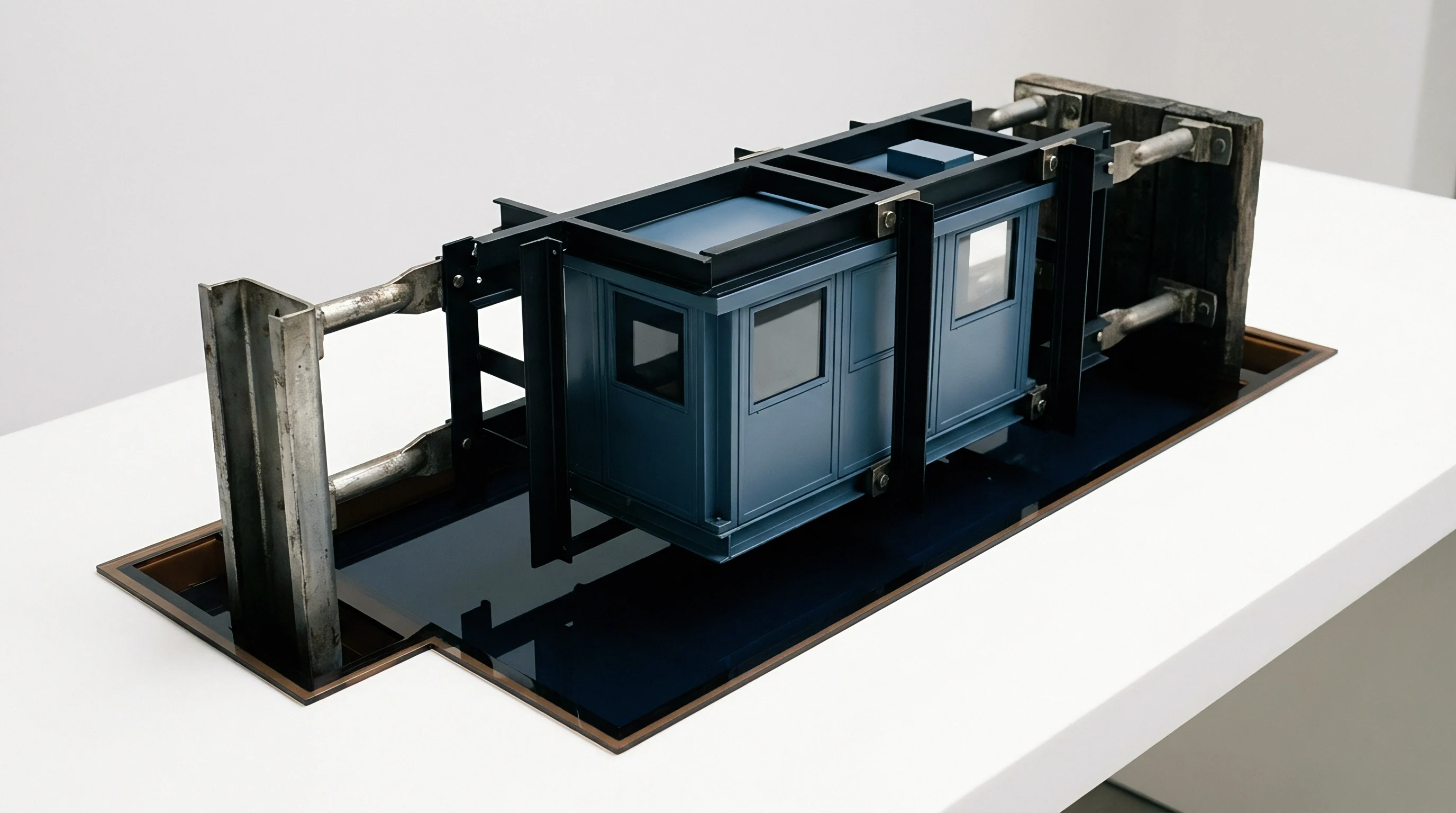

Stamp
Physical verification of asset title requires permanent, unalterable identification marks cut directly into hardened mold plates. When field inspectors, insolvency administrators, or court marshals enter an insolvent factory, paper contracts and spreadsheet asset registers carry minimal evidentiary weight compared to deep mechanical markings on the steel itself. Without clear physical evidence connecting a specific tool to a specific foreign buyer, local court officers treat all machinery on the floor as general corporate inventory of the insolvent debtor.
Because standard injection molds consist of rectangular steel assemblies painted blue, green, or grey without obvious external features, unmarked steel invites creditor claims. When ten identical 16-cavity molds for automotive door clips sit side-by-side on a factory floor, court-appointed liquidators cannot determine which unit belongs to a foreign OEM and which units belong to the bankrupt vendor. Under bankruptcy procedures worldwide, unidentified chattels found in the debtor’s exclusive physical possession are presumed to be estate property.

Physical Marking Protocols
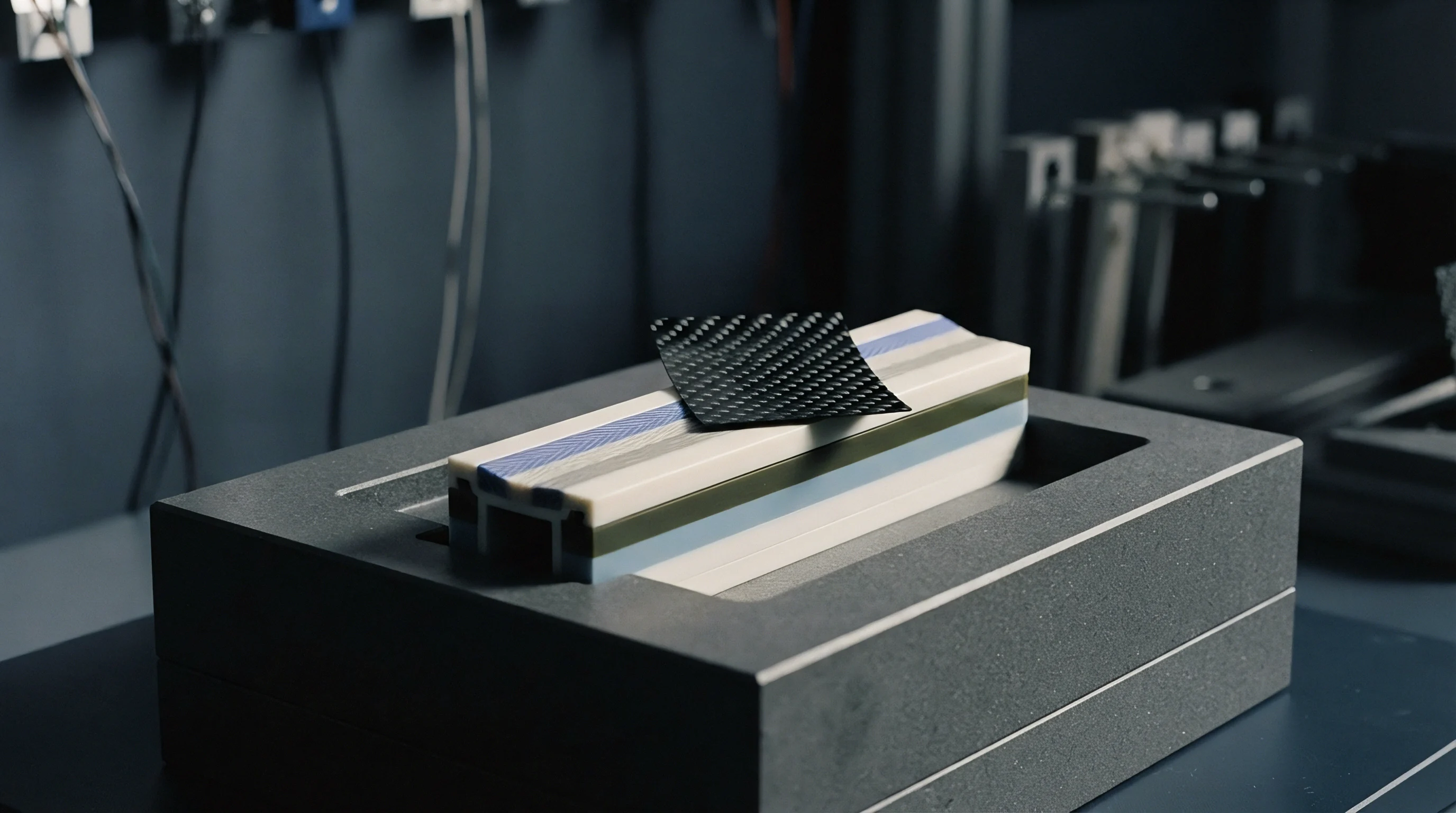
Hardened steel injection moulds featuring DIN 1.2343 cavity blocks require CNC laser engraving or mechanical milling prior to heat treatment. Mold fabricators cut identification data directly into non-wearing exterior surfaces of the core retainer plate, cavity retainer plate, and top clamping plate. Markings must achieve a minimum depth of 0.5 millimeters to prevent eradication by surface grinding, shot blasting, or rust removal processes.
Deep laser engraving is required on all core and cavity plates prior to vacuum heat treatment. The physical marking protocol must capture specific, legally verifiable data fields stamped directly onto the main steel plates:
- Legal Entity Ownership Name engraved in full corporate legal format matching the exact entity listed on the master purchase agreement.
- Global Asset Serial Number assigning a unique, non-sequential alphanumeric code cross-referenced to the buyer’s global accounting asset register.
- Tool Drawing And Cavitation ID identifying the assembly part number, cavity count, and original mold build date matching the signed T1 approval dossier.
- Subcontractor Non-Possessory Notice stating explicitly that the physical holder maintains custody strictly under a revocable bailment agreement without ownership rights.
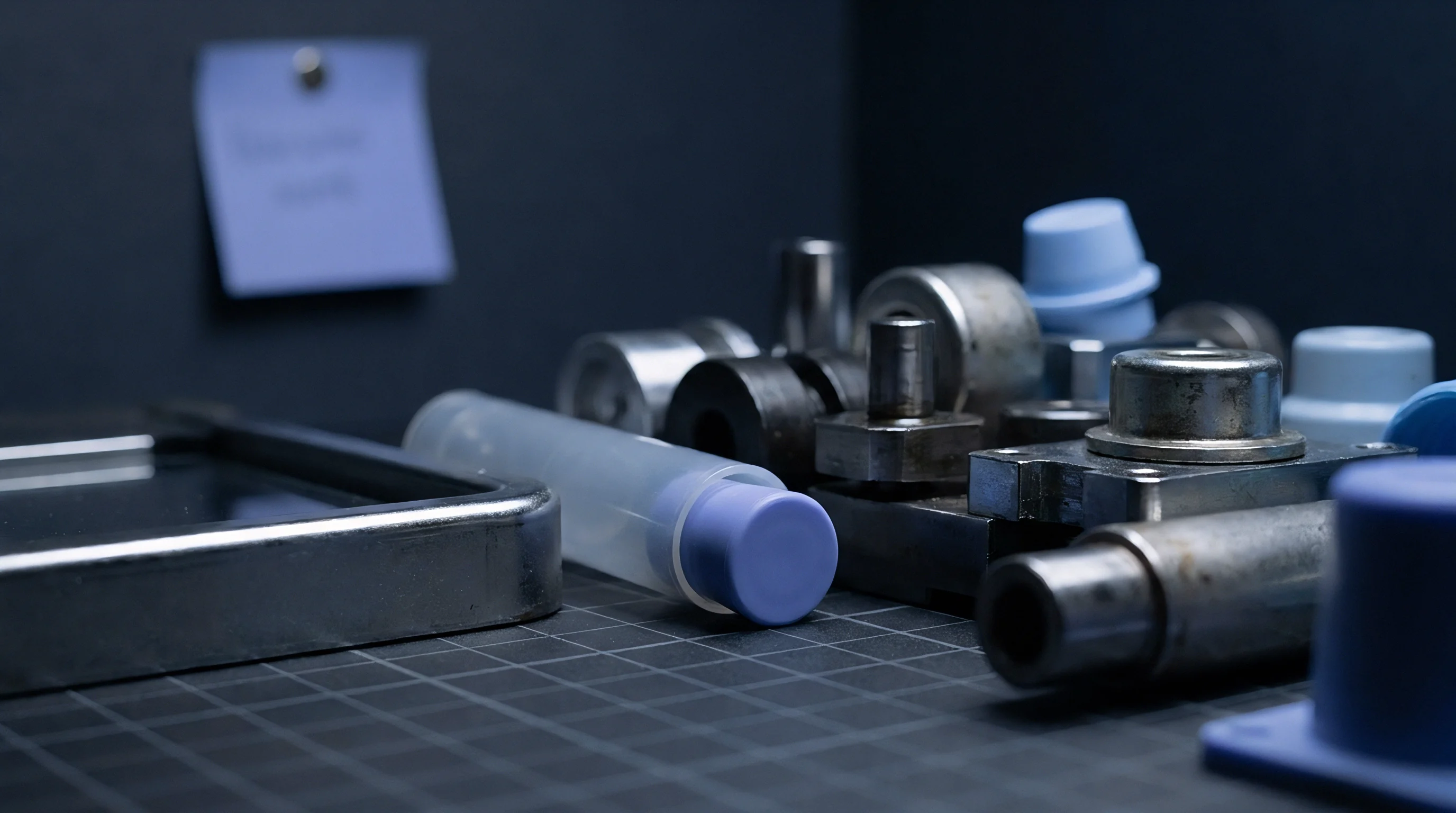
In addition to deep steel engraving, modern asset tracking incorporates stainless steel inventory plates riveted to the exterior mold base. These plates feature high-density 2D DataMatrix or RFID transponders rated for continuous operation at press temperatures exceeding 180 degrees Celsius. RFID tags embedded within machined plate recesses allow field auditors to scan and verify asset identity using handheld readers without unmounting the tool from the press platen.

Auditing Inventory on Active Factory Floors
Cross-border recovery actions collapse when field inspectors cannot distinguish client-owned production steel from general shop machinery. When executing emergency court inspection orders, independent legal and engineering teams conduct physical floor audits to locate, identify, and tag client assets before factory doors are locked by bankruptcy marshals.
When external riveted serial plates are removed from a 24-cavity hot-runner mold, court bailiffs can refuse to execute a seizure warrant because the physical steel cannot be verified against court documents. Mandating deep CNC laser engraving directly into structural DIN 1.2083 core plates eliminates reliance on removable external tags.
Physical verification must also extend to spare parts and auxiliary equipment. High-volume production tools operate alongside dedicated mold temperature control units (hot-oil units), hot runner control cabinets, specialized core-pull hydraulic power packs, and custom robot end-of-arm tooling (EOAT). These components represent significant capital value and are essential for operating the mold at a new press shop.
If auxiliary units lack identical matching serial markings, insolvency administrators seize them as general factory equipment, leaving the recovered mold unusable until replacement control cabinets are procured.
Proper physical asset segregation mandates designated storage zones. Contracts must require press shops to store idle customer-owned molds within marked, caged bays designated exclusively for third-party client tooling. Photographs showing the physical tool inside a dedicated, customer-labeled storage bay, combined with deep laser-engraved steel serial numbers, provide undeniable proof of third-party ownership that satisfies the strict evidentiary standards of foreign insolvency courts.
Replevin
Securing interim court orders for immediate asset recovery requires rapid filing before local administrators liquidate factory equipment. When a subcontracted press shop enters financial collapse, foreign tool owners cannot wait months for full commercial litigation to resolve title ownership. Replevin, ex parte seizure orders, emergency preliminary injunctions, and physical sequestration orders represent the legal remedies available to recover physical control of hardened steel assets from insolvent facilities.
Replevin is a common law legal action that enables a plaintiff to recover possession of personal property wrongfully taken or detained. In civil law jurisdictions, equivalent remedies exist under emergency summary proceedings (such as einstweilige Verfügung in Germany or référé conservatoire in France). These summary procedures allow an asset owner to obtain an immediate court order directing law enforcement marshals to enter a debtor’s factory, seize the specified mold, and hand physical custody over to the owner or a bonded freight carrier.
Can Local Insolvency Stays Freeze Foreign Tooling Assets?
Statutory moratoriums in bankruptcy proceedings automatically halt all enforcement actions against assets in the debtor’s physical custody. The central legal conflict in an emergency replevin action revolves around whether an injection mold owned by a foreign third party falls inside or outside the statutory stay. If the debtor holds pure physical custody under a straightforward bailment contract without an ownership interest, the foreign owner argues that the stay does not apply because the mold never became property of the insolvency estate.
However, insolvency administrators routinely argue that the debtor holds an equitable interest in the mold, such as a right of use under an active supply agreement, or a possessory lien for unpaid storage and maintenance fees. To overcome these administrative objections and break the stay, the foreign buyer must present clear evidence demonstrating complete payment of all tooling build and maintenance invoices, alongside proof of immediate operational necessity.

Cross-Border Injunctive Relief
Emergency applications before local commercial courts seek immediate physical seizure and redelivery of high-value manufacturing steel. Obtaining ex parte orders—issued without prior notice to the insolvent debtor—requires proving that notifying the debtor would result in the immediate concealment, removal, or physical destruction of the tooling asset.
Courts do not grant emergency ex parte seizure orders lightly. Plaintiffs must post substantial financial replevin bonds to secure the order. These cash bonds or bank guarantees protect the defendant against damages if the court subsequently determines that the seizure was unlawful or unjustified.
| Jurisdiction | Emergency Recovery Mechanism | Ex Parte Availability | Required Financial Bond (%) | Enforcement Officer |
|---|---|---|---|---|
| United States | Writ of Replevin / Motion for Turn-Over | Yes (with proof of irreparable harm) | 100% to 200% of asset value | US Marshal / County Sheriff |
| Germany | Einstweilige Verfügung (§ 935 ZPO) | Yes (high evidentiary threshold) | 10% to 30% of asset value | Gerichtsvollzieher (Court Bailiff) |
| United Kingdom | Order for Delivery Up (CPR Part 25) | Yes (injunction standard) | Cross-undertaking in damages | High Court Enforcement Officer |
| China | Property Preservation Order (Civil Proc. Law) | Yes (rarely granted ex parte) | 30% to 100% of asset value | People’s Court Execution Division |
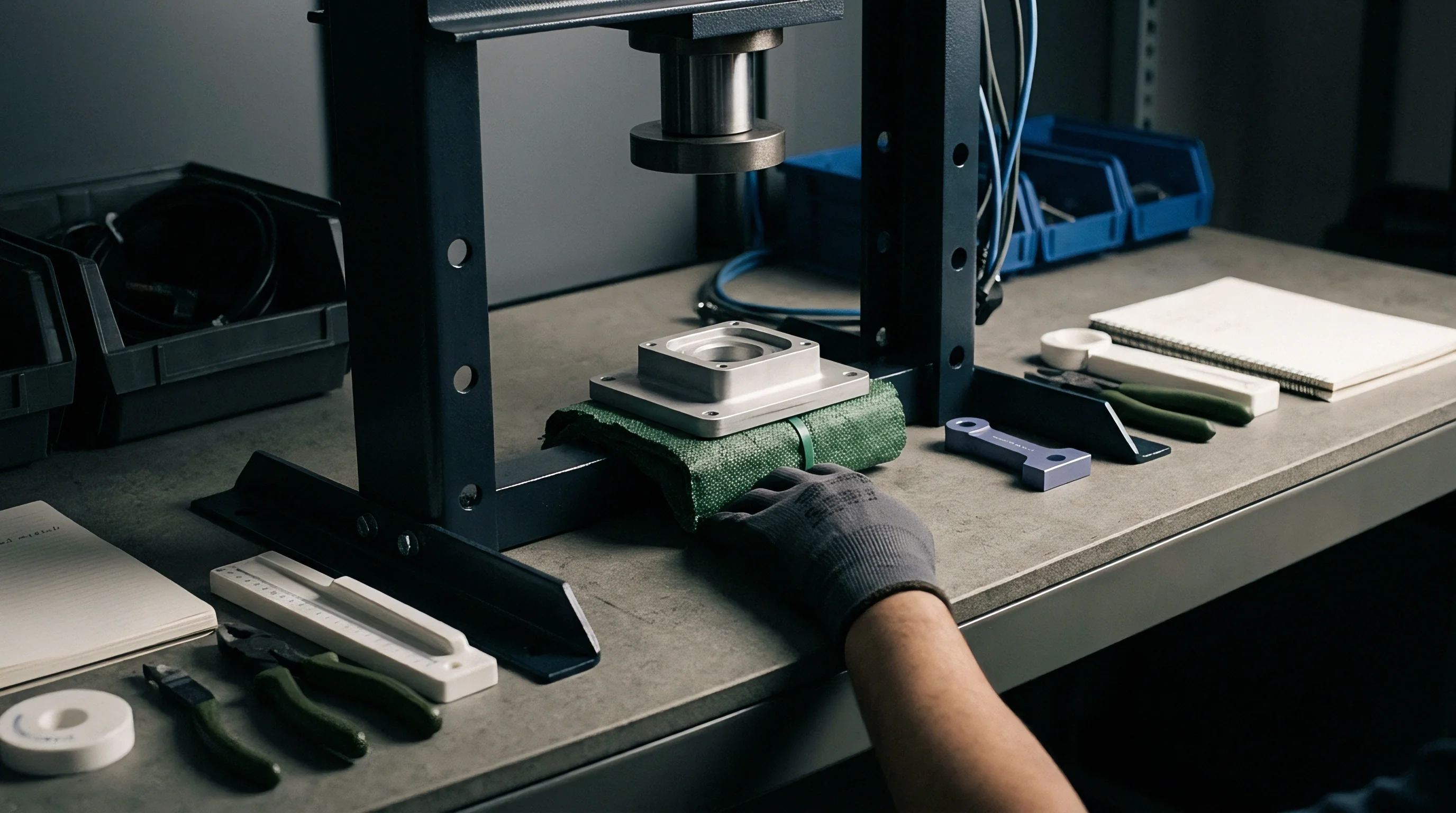
Executing a physical seizure order on an active factory floor requires detailed operational coordination. Local court bailiffs refuse to assist with physical rigging or heavy transport. The foreign buyer must arrange and fund an accredited heavy-equipment rigging crew, specialized crane trucks, and secure transport vehicles capable of unmounting two-ton to ten-ton steel molds from press platens without damaging internal hydraulic or electrical systems.
Rigging teams entering an insolvent facility often face hostile resistance from unpaid factory workers or local creditors blocking loading docks. If the court order lacks precise technical specifications—including the serial numbers engraved on the mold base and exact descriptions of auxiliary control units—the accompanying court bailiff will halt the extraction at the first sign of verbal dispute. Successful physical replevin hinges on aligning legal court orders with press-side logistics.
A crucial procedural hurdle involves establishing whether local courts recognize cross-border emergency injunctions issued by foreign arbitration panels or foreign courts. If a master service agreement dictates international arbitration in London, but the mold sits in a factory in Suzhou, can an emergency order issued by a London arbitrator be enforced immediately inside China? International arbitration frameworks like the New York Convention govern the enforcement of final arbitral awards, but they routinely struggle to enforce interim emergency orders without secondary domestic court filings in the local jurisdiction.
Foreign asset owners must evaluate whether initiating direct summary proceedings in local domestic courts provides a faster operational path than seeking interim relief through international arbitration channels.
Local court marshals require explicit serial matching between the ex parte seizure order and the engraved mold plate before authorizing physical removal from a bankrupt press shop. If an audit reveals minor discrepancies between the contract serial numbers and the physical markings on the tool, the marshal will immediately abort the recovery, leaving the buyer holding thousands of dollars in unexecuted rigging fees while the legal window to extract the asset before full bankruptcy liquidation closes completely.
Escrow
Structuring robust contractual protections insulates multi-cavity hardened tooling from subcontractor default risk. Rather than relying on retroactive litigation, foreign tooling buyers mitigate cross-border insolvency exposure by embedding structural safeguards into their procurement architecture before steel is cut. Combining tripartite bailment agreements, physical tooling escrow setups, dual-key software registries, and direct financial step-in rights establishes a legally defensible framework that survives sub-tier bankruptcy events.
Contractual structures must explicitly decouple physical tool custody from legal title. In standard processing contracts, buyers grant suppliers permission to hold molds for component production. When financial collapse occurs, this simple custody arrangement collapses into estate ownership disputes.
Establishing a formal bailment structure—where the press shop acts as a temporary bailee holding property for the exclusive benefit of the bailor owner—creates a legal framework that shields the physical steel from third-party creditor claims under international commercial codes.

Tripartite Tooling Bailment Frameworks
Direct tripartite bailment agreements explicitly sever physical custody from legal title while establishing direct access covenants. A tripartite structure executes agreements directly between three parties: the primary Buyer (OEM), the Tier-2 Processing Vendor, and the Tier-3 Tooling Fabricator. By removing intermediaries from title transfers, the OEM establishes a direct contractual link with the entity physically building and maintaining the steel mold.
The tripartite bailment contract incorporates specific operational covenants designed to neutralize local statutory lien claims. Key provisions must include:
- Direct Toolmaker Payment Rights allowing the OEM to settle tooling fabrication and modification invoices directly with the Tier-3 toolroom, bypassing Tier-2 processing intermediaries.
- Unconditional Physical Access Covenants granting the OEM and its designated logistics agents immediate, unhindered access to the press shop floor to inspect, audit, or remove tooling upon five business days’ notice.
- Irrevocable Power of Attorney appointing the OEM as the vendor’s attorney-in-fact to execute all local customs, export, and transport documents necessary to remove the tooling following a default event.
- Waiver of Possessory Retainers explicitly barring the Tier-2 processor from asserting mechanic or artisan liens against the customer-owned mold for general component production debts.
To reinforce this separation, tooling transactions often utilize financial escrow structures for tooling progress payments. Rather than releasing capital funds directly to a Tier-2 supplier upon commercial milestones, funds are deposited into an independent third-party escrow account. Escrow disbursements to the downstream toolroom occur only when an independent technical auditor verifies T1 part samples, dimensional inspection reports under DIN 16742, and the presence of verified physical laser markings on the hardened core plates.
Step-In Rights and Dual-Key Registry Protocols
Operationally sound supply agreements incorporate immediate step-in authorizations linked to independent machinery registries. Step-in clauses grant the buyer the contractual right to enter an insolvent contractor’s facility, assume operational control of dedicated presses, or transfer molds to an alternative manufacturing site upon triggering specified insolvency indicators. These triggers include credit rating downgrades, late payroll notices, unannounced factory shutdowns, or failure to deliver scheduled component shipments.
Dual-key software registries protect hot runner controller settings, mold sensor calibration files, and multi-axis CNC machining programs associated with complex injection tooling. Hardened multi-cavity tools rely on digital setup files containing precise thermal profiles, valve-gate timing sequences, and cavity pressure transducer parameters required to establish stable scientific moulding process windows. Storing these digital assets within an encrypted, dual-key escrow registry ensures that if a press shop enters insolvency, the buyer reclaims not only the physical steel mold but also the exact digital processing profiles necessary to bring up production instantly at a replacement press facility.
When insolvency occurs, the buyer exercises step-in rights by tendering direct operational payments to essential factory personnel and utility providers to maintain press operation while molds are safely demounted and packed for export. By securing physical steel markings, enforcing tripartite bailment contracts, funding build costs through escrow accounts, and securing digital setup parameters, tooling buyers build an operational moat around their high-value assets, ensuring rapid asset recovery regardless of cross-border legal complexities.