
Cross Border Tooling Retention Mechanics in Tier Two Insolvency
Cross-border tooling retention requires registered bailment deeds, permanent plate engraving, and immediate emergency replevin filings before liens attach.
Cross-border tooling retention requires registered bailment deeds, permanent plate engraving, and immediate emergency replevin filings before liens attach.
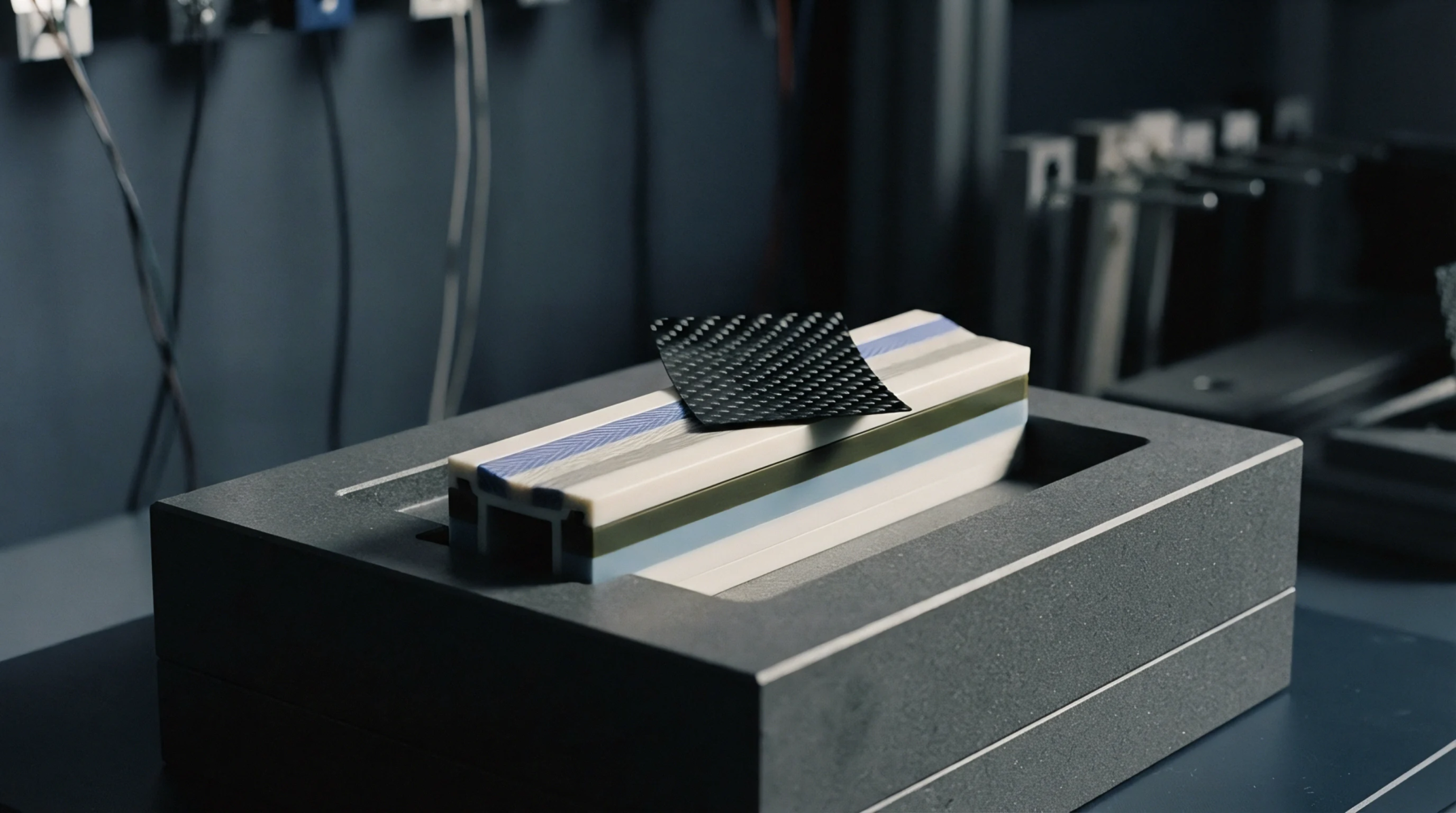
Secure cross-border tooling by affixing engraved bilingual asset plates, filing local precautionary registry liens, and utilizing judicial release bonds.

A mould bailment agreement secures unencumbered tool title, blocks statutory processor liens via UCC-1 filings, and mandates physical asset plaque tracking.
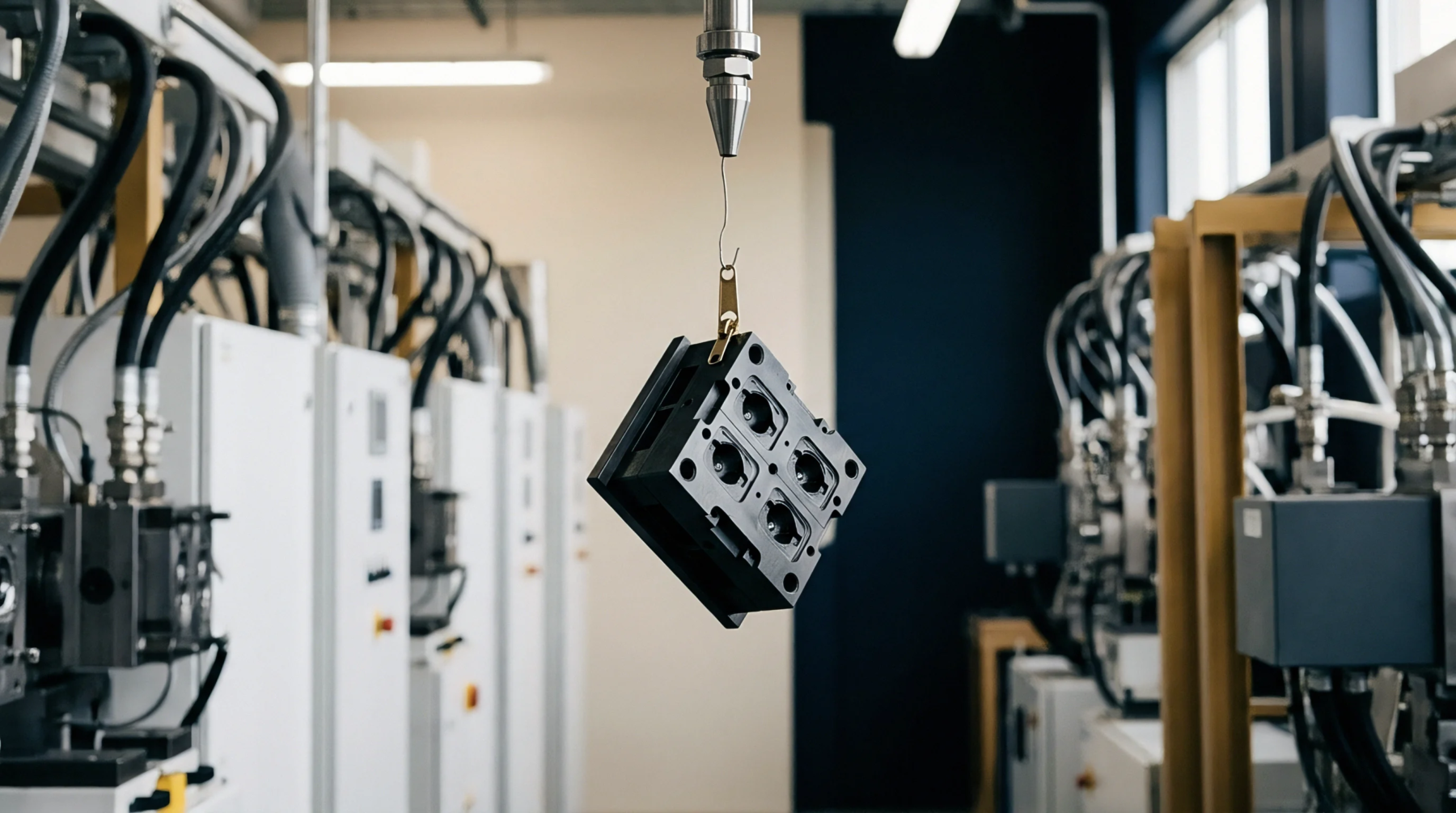
Resolve foreign moulder liens by perfecting local bailment registrations, permanently riveting asset tags to the steel, and utilizing third-party escrow.
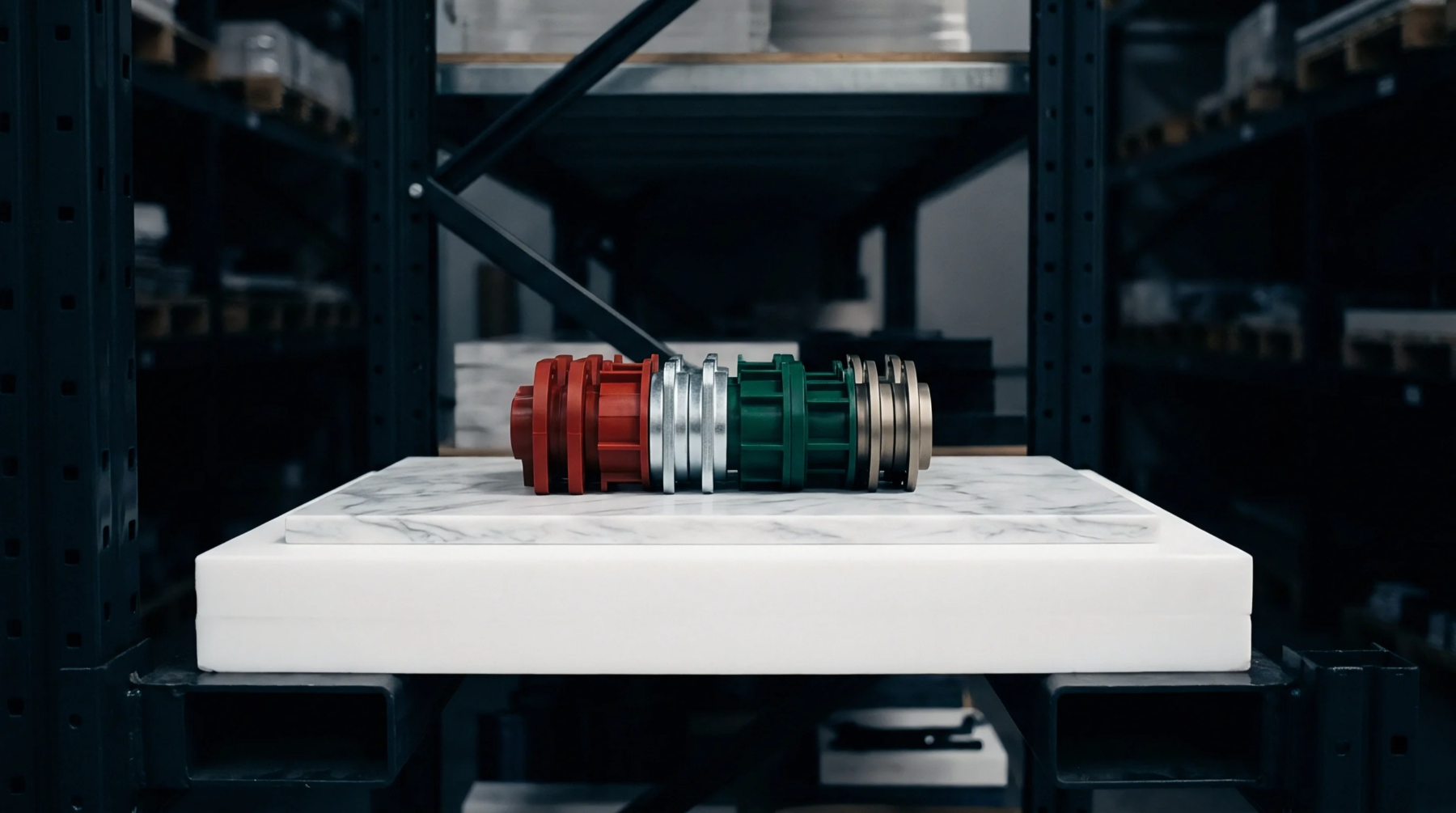
Harmonizing statutory factory liens demands pre-filed property registrations, direct bailment agreements, and press-side asset engravings before shipping steel.

Subcontractor possessory liens and statutory insolvency stays lock down offsite injection tooling unless owners perfect security filings and enforce bailment waivers.

Offshore tooling recovery succeeds when physical asset marking and title documentation override local possessory press liens during factory insolvency.
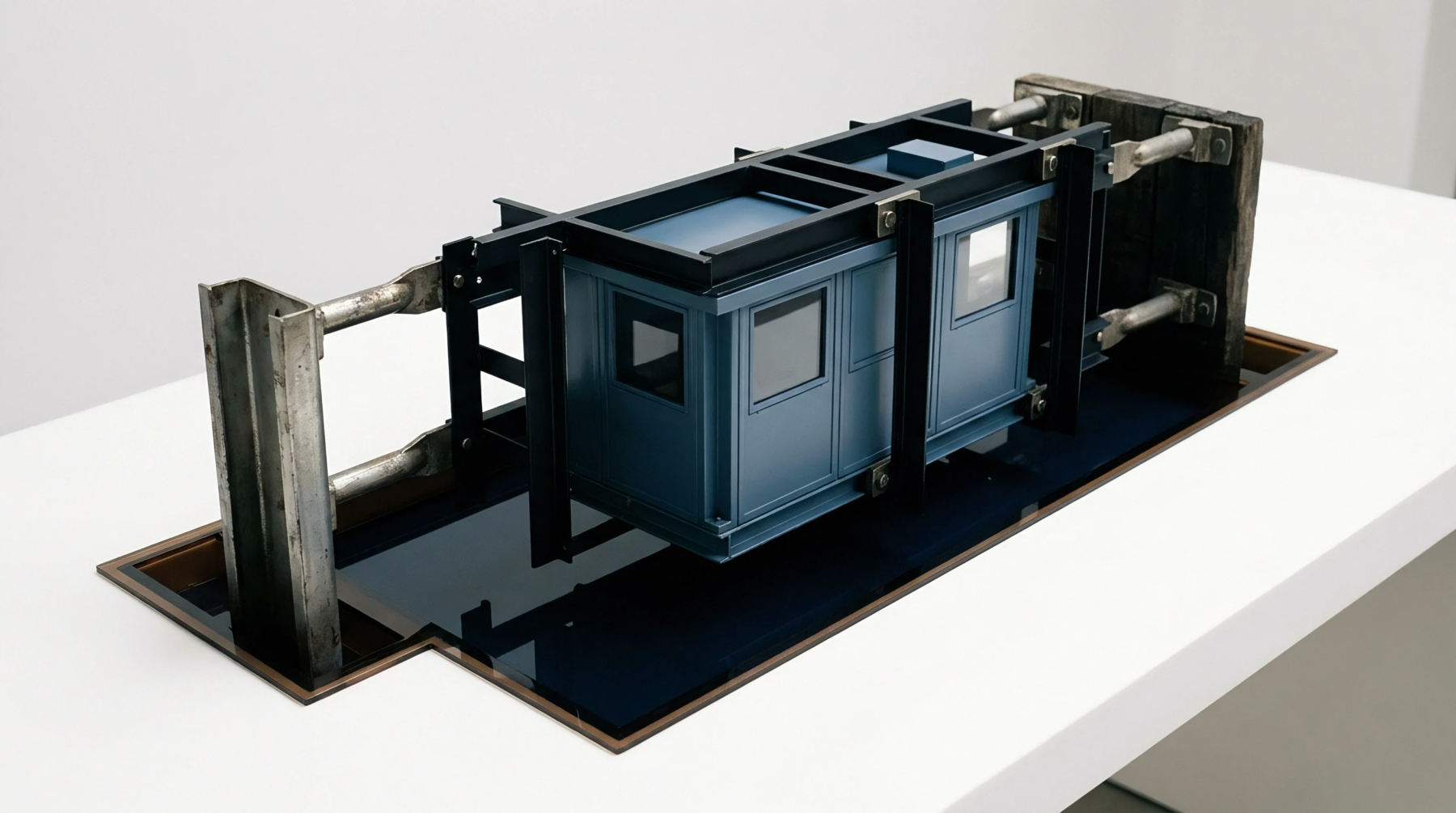
Physical mold tagging combined with tripartite bailment contracts secures cross-border recovery of subcontracted hardened tooling during press shop insolvencies.
Expertise is a utility, not a secret. sentiention™ publishes its working knowledge as open reference: intelligence layer covering the materials it sources, the markets it enters, and the reference that serves both.