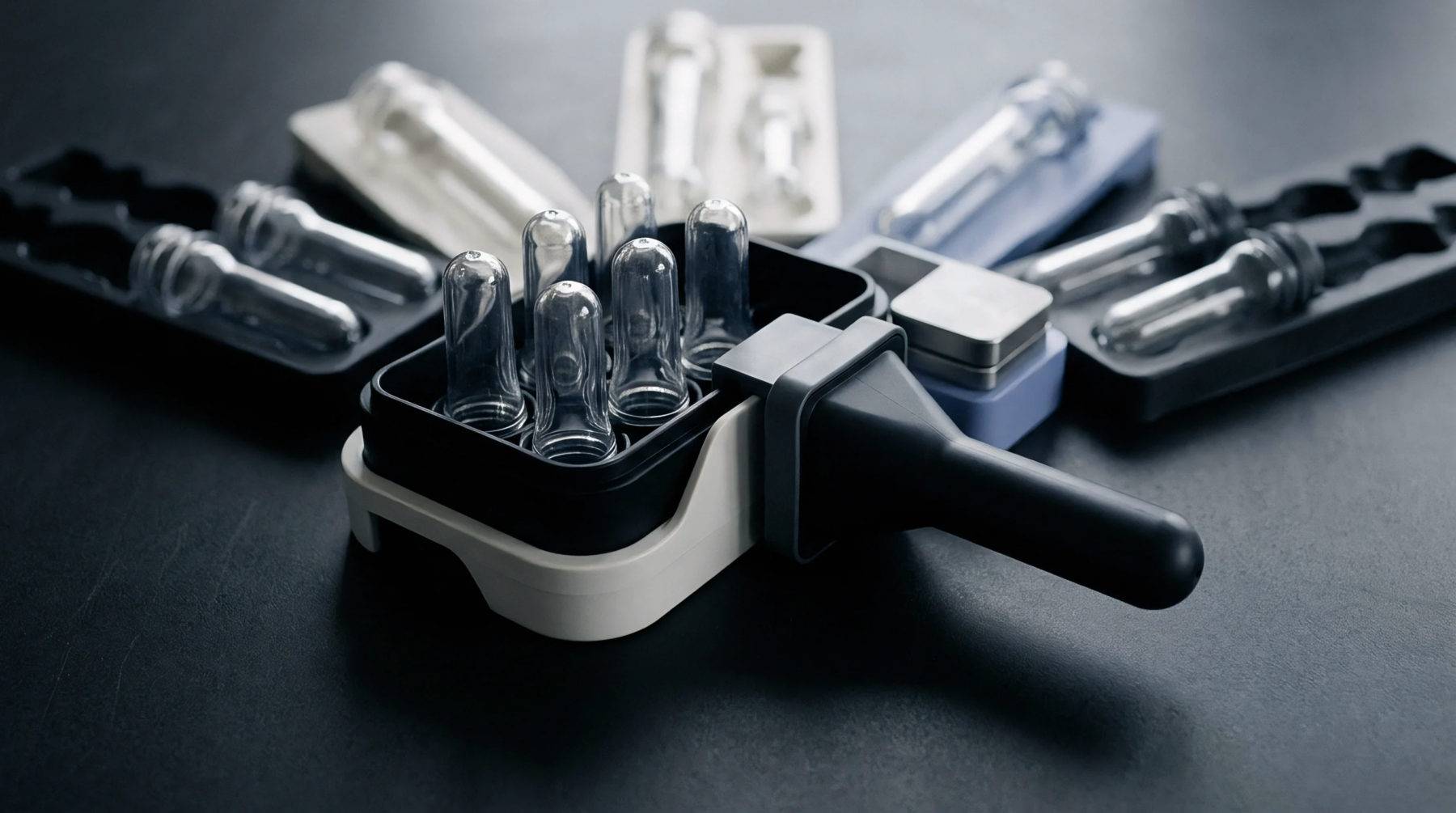
Determining Optimal Injection Molding Cavitation Counts and Processing Parameters
Optimal cavitation balances machine hourly rates, clamp tonnage, and shot capacity against thermal cooling limits and cross-cavity dimensional distribution.
Optimal cavitation balances machine hourly rates, clamp tonnage, and shot capacity against thermal cooling limits and cross-cavity dimensional distribution.

Foreign tooling ownership relies on engraved asset tags, distinct bailment agreements, and prompt insolvency receiver filings to prevent asset liquidation.

Closed-loop servo valve gate control uses cavity pressure and needle position feedback to eliminate weight variance and cut cycle times in multi-cavity tools.

Cross-border escrow releases for multi-cavity hot runner transfers must bind fund payouts to press-side scientific molding verification and DIN 16742 compliance.

Auditing foreign tooling retention claims combines physical steel inspection, financial deconstruction of amortisation ledgers, and escrow settlement.

Foreign bailment registration requires permanent steel identification tags, regional customs filings, and explicit non-title contracts before offshore tooling entries.
Managing shear imbalance across high-density cavities depends on rotating channel boundary layers at runner splits to equalize melt viscosity before gating.

Cross-border injection mould bailment requires progressive title vesting, registered public security filings, and explicit lien waivers before moving steel.
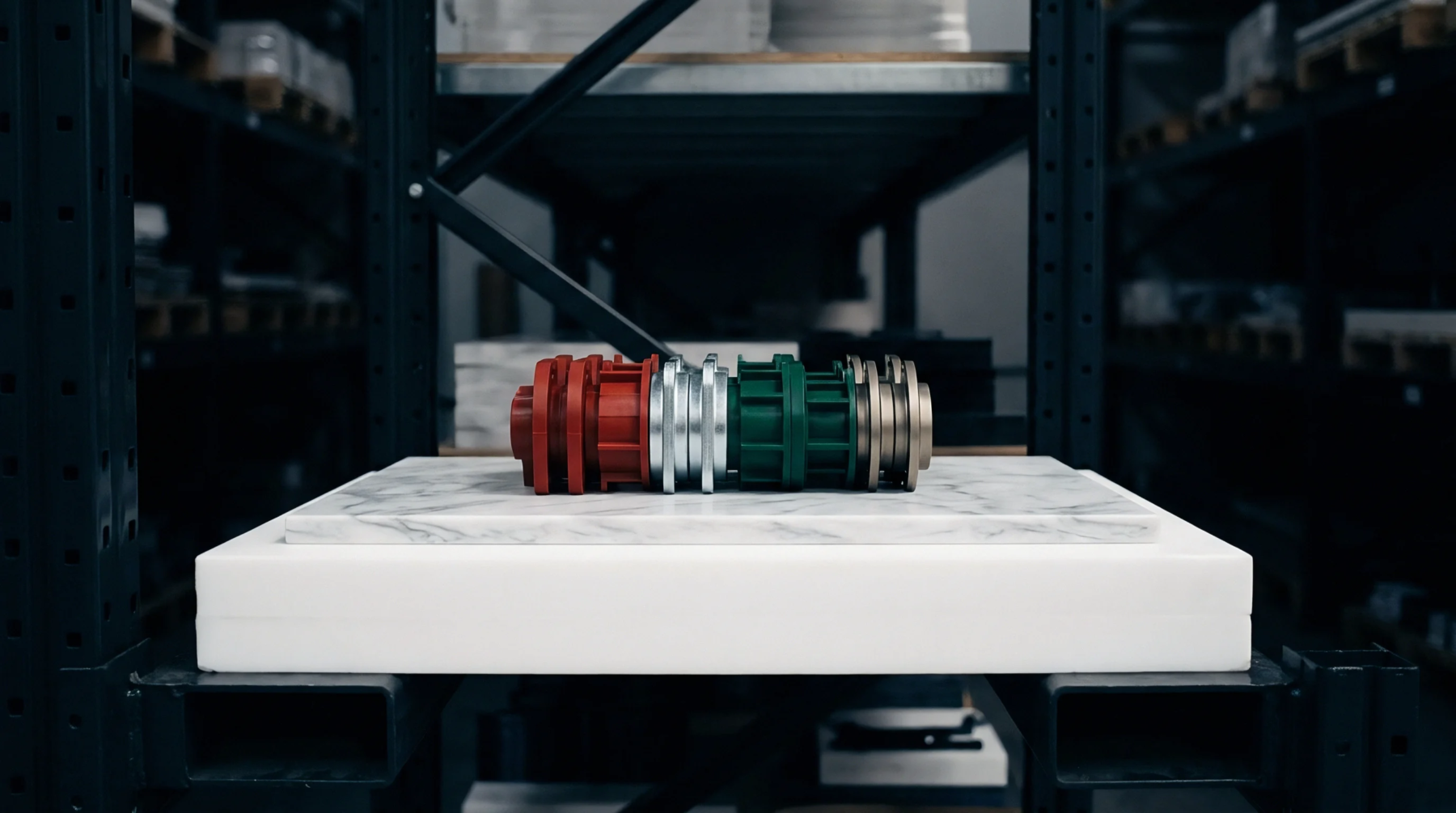
Harmonizing statutory factory liens demands pre-filed property registrations, direct bailment agreements, and press-side asset engravings before shipping steel.

Wireless cavity pressure arrays quantify real-time rheological imbalance in multi-cavity molds to optimize tool steel tuning and eliminate scrap.
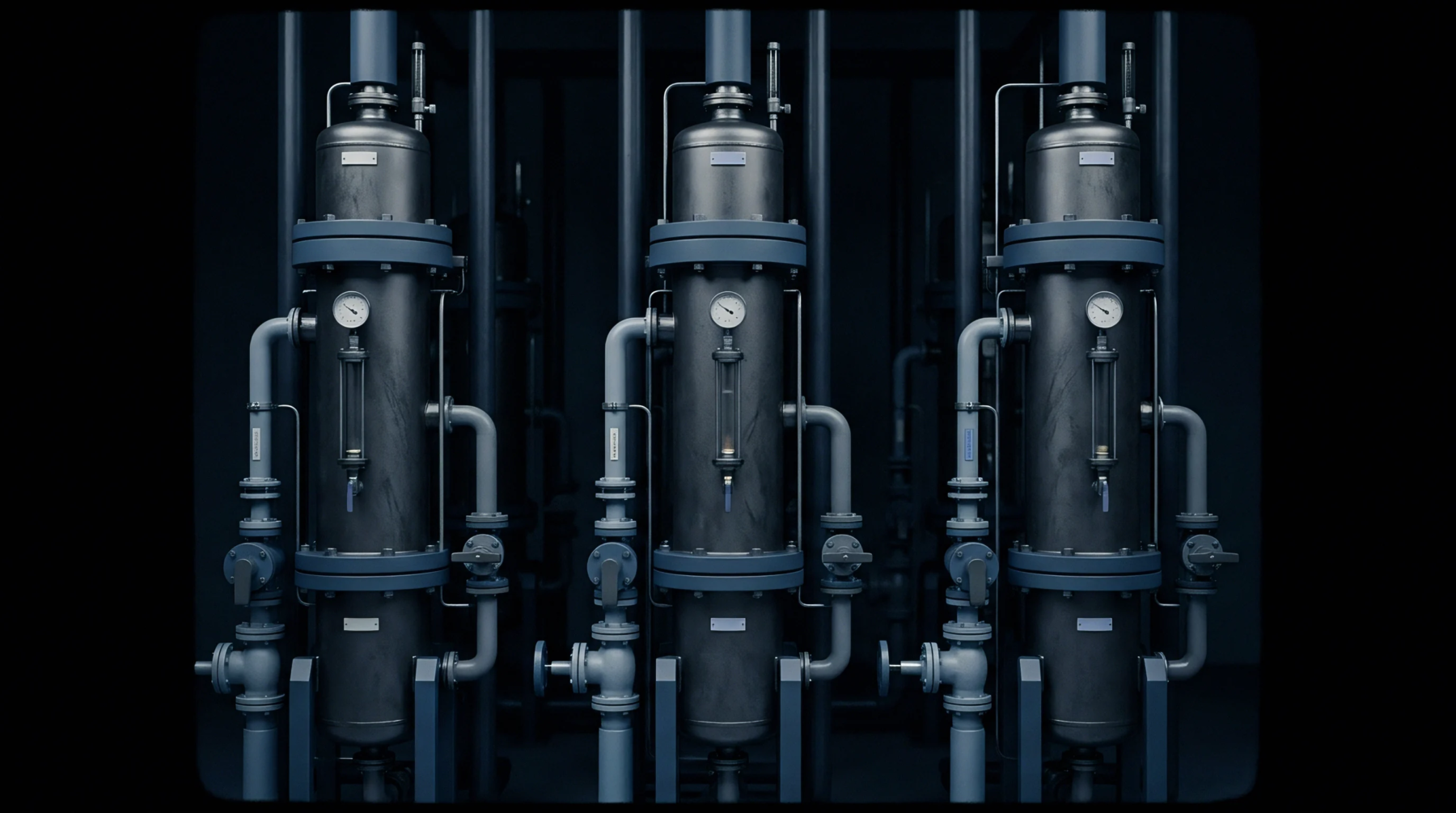
Resolving rheological imbalance in high cavitation manifolds demands shear-decoupled runner geometry, active zone heating, and cavity pressure monitoring.

Subcontractor possessory liens and statutory insolvency stays lock down offsite injection tooling unless owners perfect security filings and enforce bailment waivers.
Evaluate differential thermal growth and land area stress to set accurate cold preload gaps and prevent parting line compression yield in high-cavitation tools.

Press-side verification requires dynamic fill balance testing, telemetry pressure mapping, and individual cavity Cpk qualification before tool release.

Extracting offshore tooling during plant insolvency requires perfected bailment paperwork, deep steel serialization markings, and immediate bankruptcy court bond filings.

Offshore tooling recovery succeeds when physical asset marking and title documentation override local possessory press liens during factory insolvency.

Select initial tool cavitation against guaranteed first-year order volumes rather than unbacked sales forecasts to prevent balance sheet tooling write-downs.
Expertise is a utility, not a secret. sentiention™ publishes its working knowledge as open reference: intelligence layer covering the materials it sources, the markets it enters, and the reference that serves both.