Cross Border Tooling Ownership Verification during Foreign Moulding Plant Insolvency
Foreign tooling ownership relies on engraved asset tags, distinct bailment agreements, and prompt insolvency receiver filings to prevent asset liquidation.


Plate
Establishing clear ownership starts with permanent structural markers cut directly into the steel mold base before shipping. In foreign injection molding facilities undergoing insolvency, local receivers regularly classify unmarked capital equipment as factory property. Proving title demands physical identification on the tool that directly matches commercial registration records.

Physical Asset Tagging and Steel Engraving Requirements
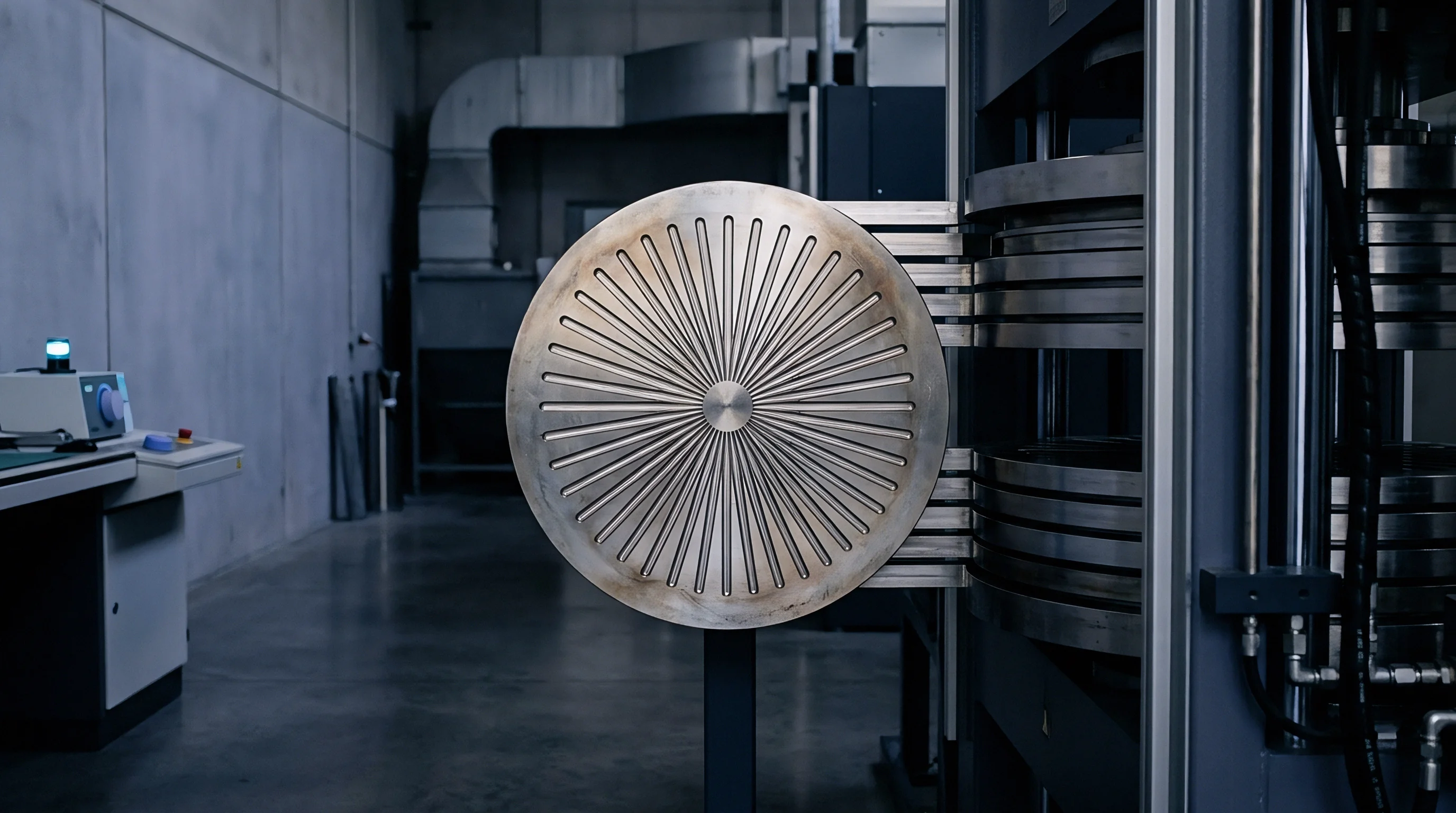
Permanent identification requires cutting alphanumeric text into non-wearing steel surfaces. Machine shops mill owner details into the non-operator side clamping plate or upper ejector housing with CNC ball-nose end mills at least 0.5 millimeters deep. Surface paint and adhesive labels degrade quickly under heat and hydraulic fluid, leaving them useless in liquidation proceedings.
High-temperature anodized aluminum plaques supplement direct steel milling, attached to the mold frame with tamper-resistant stainless steel rivets inside machined recesses. The plaque lists the owner’s full legal name, internal project code, tool serial number, dry weight in kilograms, and manufacturing date. Tooling drawings should specify plaque locations so they stay visible whether mounted on press tie-bars or stored on warehouse racks.
| Identification Method | Durability Class | Receiver Removal Resistance | Evidentiary Weight | Application Location |
|---|---|---|---|---|
| Deep CNC Engraving | Permanent | Extremely High | Definitive Court Proof | Operator Side Clamp Plate |
| Riveted Anodized Plaque | High Thermal | Moderate to High | Strong Documentary Proof | Mold Frame Recess Pocket |
| Embedded RFID Transponder | High Electronic | High Concealment | Secondary Technical Proof | Blind Pocket Cavity Recess |
| Surface Laser Marking | Medium | Low Grinding Resistance | Corroborative Proof | Ejector Plate Housing |
Electronic tracking provides secondary verification during plant audits. Passive high-frequency RFID transponders, rated for continuous exposure to 200 degrees Celsius, fit into blind machined recesses in the base steel. Inspectors scan these tags through outer housing plates with handheld readers, confirming serial numbers without unmounting heavy tooling from press platens.
Physical ownership labels missing from external mould plates transfer legal proof from visible site inspections to contested paper ledgers.
Asset Registries and Contractual Ownership Statements
Securing legal title requires registering ownership in public commercial databases before production starts. Sourcing teams file under applicable commercial codes, such as Unified Commercial Code filings in North America or the Enterprise Credit Information Publicity System in China. These filings establish public notice of third-party ownership, keeping local receivers from adding the mold to general liquidation assets.
Commercial invoices and tooling purchase agreements must clearly define where title transfers. Invoices carrying vague descriptions like tooling deposit or moulding allocation fail to satisfy judicial standards during ownership audits. Each purchase order states the complete tool specification, cavitation count, runner system type, and explicit legal title transfer clauses linked to milestone payments.
- Engraved Owner Name Deep CNC milling at minimum 0.5 millimeter depth on the operator-side clamp plate prevents easy grinding or surface overwriting.
- Fixed Serial Numbering Machine-punched alphanumeric identifiers corresponding directly to commercial invoice line items establish unambiguous purchase order traceability.
- Riveted Anodized Marker High-temperature metal plaques withstand thermal cycles up to 200 degrees Celsius while remaining legible during press installation.
- Embedded Radio Transponder High-frequency passive transponders cast into blind machined recesses allow non-line-of-sight electronic scanning during site inspections.
A standard bailment clause stipulating that title remains unconditionally with the buyer regardless of physical custody prevents the tool from being classified as foreign plant inventory under UNCITRAL insolvency guidelines.

Lien
Commercial insolvency proceedings freeze all factory assets under local insolvency codes, placing foreign buyer tooling under immediate operational risk. Foreign judicial courts appoint insolvency administrators whose primary duty centers on maximizing asset value for secured local creditors. Distinguishing third-party tooling from debtor-owned factory assets forms the immediate legal challenge upon plant closure.
Possessory Claims and Unpaid Injection Part Balances
Failing molding facilities experiencing cash deficits often exercise possessory retention rights under local civil law ~ such as German Civil Code section 369 or Chinese Civil Code Article 447 ~ holding foreign-owned tooling on factory floors until outstanding balances are settled.
Disputes usually arise when administrators attempt to retain tools over unpaid component deliveries rather than unpaid tooling invoices. Structuring supply agreements separately from tooling bailment contracts limits these statutory retention rights. When tooling accounts show a zero balance, administrators lack statutory authorization to retain molds to enforce payment for delivered plastic components.
Article 447 of the Chinese Civil Code restricts statutory retention rights strictly to debt directly incurred by the specific asset under detention.

Receiver Enforcement Priorities across Commercial Jurisdictions
Judicial administrators operate under national insolvency frameworks that dictate asset liquidation sequences. When foreign moulders enter formal bankruptcy, local courts issue freeze orders prohibiting the movement of all machinery and tooling located within plant premises. Sourcing engineers work alongside local legal counsel to submit formal petitions for asset exclusion, proving the tool sits in bailment rather than operating as debtor capital equipment.
Evaluating financial exposure requires analyzing the stack-up between outstanding component debts, administrative storage fees, and tooling replacement costs. Consider a worked scenario involving a distressed injection plant holding a 1.2-tonne, 16-cavity P20 steel mold producing polyoxymethylene gear housings. The original purchase order valued the tool at 145,000 EUR, with 100 percent of tooling milestones paid and confirmed via bank wire receipts.
Unpaid component invoices total 18,500 EUR, while the court receiver demands an additional 42,000 EUR in facility preservation and administrative extraction fees.
Determining whether to pay requires comparing the total release cost against replacement costs and lost production margin. In this scenario, paying the combined 60,500 EUR demand secures immediate physical release within ten business days, preserving a production line generating 8,000 EUR daily gross margin. Commissioning a replacement 16-cavity tool requires sixteen weeks lead time plus 145,000 EUR initial capital, resulting in a revenue loss exceeding 896,000 EUR during the replacement window.
Paying the negotiated release settlement yields a net commercial advantage of 835,500 EUR compared to cutting new steel.
- Secure formal written notice from the insolvency administrator detailing the statutory legal basis for asset detention.
- Produce verified bank transaction receipts proving complete payment of original tooling purchase orders and final T1 sample sign-offs.
- Submit an independent third-party bailment affidavit demonstrating that component manufacturing accounts operate under distinct legal agreements.
- File a motion for asset exclusion directly with the jurisdiction court overseeing the insolvency estate.
Failing to segregate tooling purchase accounts from component supply agreements exposes fully paid mould assets to liquidation auction blocks aimed at satisfying general creditor debts.
Audit
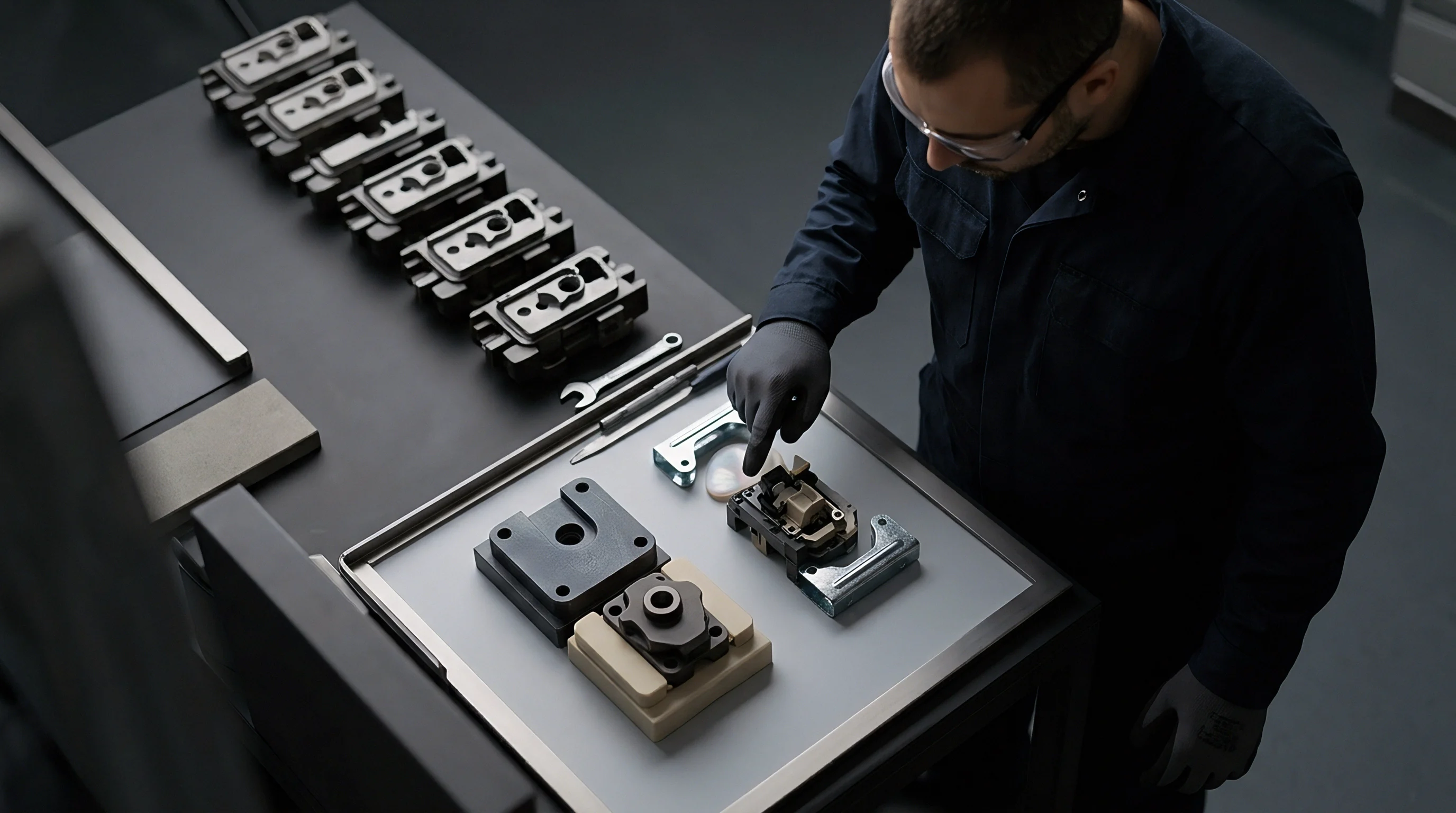
Physical inspection teams entering an insolvent moulding facility execute structured verification protocols within strict judicial time windows. Court receivers allow limited facility access, demanding immediate, unambiguous identification of requested tooling assets. Sourcing engineers enter the floor equipped with technical drawings, CAD representations, matching serial numbers, and specialized inspection tools.

Which Evidence Satisfies a Court-Appointed Receiver?
Substantiating an asset exclusion motion requires verified purchase receipts alongside photos matching the physical tool. Administrators reject generic claims unsupported by precise physical evidence matching on-site asset registers.
Inspectors match physical steel tag serials directly against original T1 sample approval documents and mold construction sign-off sheets. Presenting an unbroken evidentiary chain, from initial steel block purchase certificates to press-side trial logs, eliminates administrative assertions that the moulder funded or constructed the tool internally.
| Component / System | Verification Step | Required Equipment | Failure Indicator |
|---|---|---|---|
| External Steel Base | Match engraved serials to purchase order dossier | Optical borescope, digital caliper | Mismatched or ground-off serial markings |
| Core and Cavity Inserts | Inspect for surface oxidation, scoring, or pitting | High-resolution macroscope | Severe pitting on mirror-polished surfaces |
| Hot Runner Manifold | Measure heater circuit resistance and thermocouple continuity | Digital multimeter, megohmmeter | Open circuits or shorted heating elements |
| Hydraulic Cylinders | Check stroke limit switch alignment and fluid leaks | Hydraulic hand pump tester | Seized core-pull pistons or fluid blow-by |
| Cooling Channels | Pressure test water circuits for internal corrosion blockage | Pneumatic pressure decay gauge | Pressure drop exceeding 0.2 bar over 5 min |
Unprotected P20 tool steel exposed to ambient humidity in unheated shutdown plants develops severe surface pitting within seventy-two hours.

On-Site Condition Assessment and Tooling Preservation
Inspectors check core and cavity surfaces immediately upon gaining physical floor entry. Unheated, decommissioned moulding plants exhibit high relative humidity, causing rapid condensation on raw tool steel surfaces that ruins polished cavity finishes.
Inspectors apply fluid vapor-phase corrosion inhibitors to open core and cavity steel before securing mold halves for transit. Hot runner manifolds require pneumatic flushing to purge stagnant cooling water, preventing internal channel corrosion or burst tubing during freezing weather transport. Technicians lock ejector plates and slide assemblies using physical transport straps to prevent core scoring during crane rigging.
Tool recovery often encounters delays while plant-wide stock counts finish and secondary utility liens undergo court review.
Custody
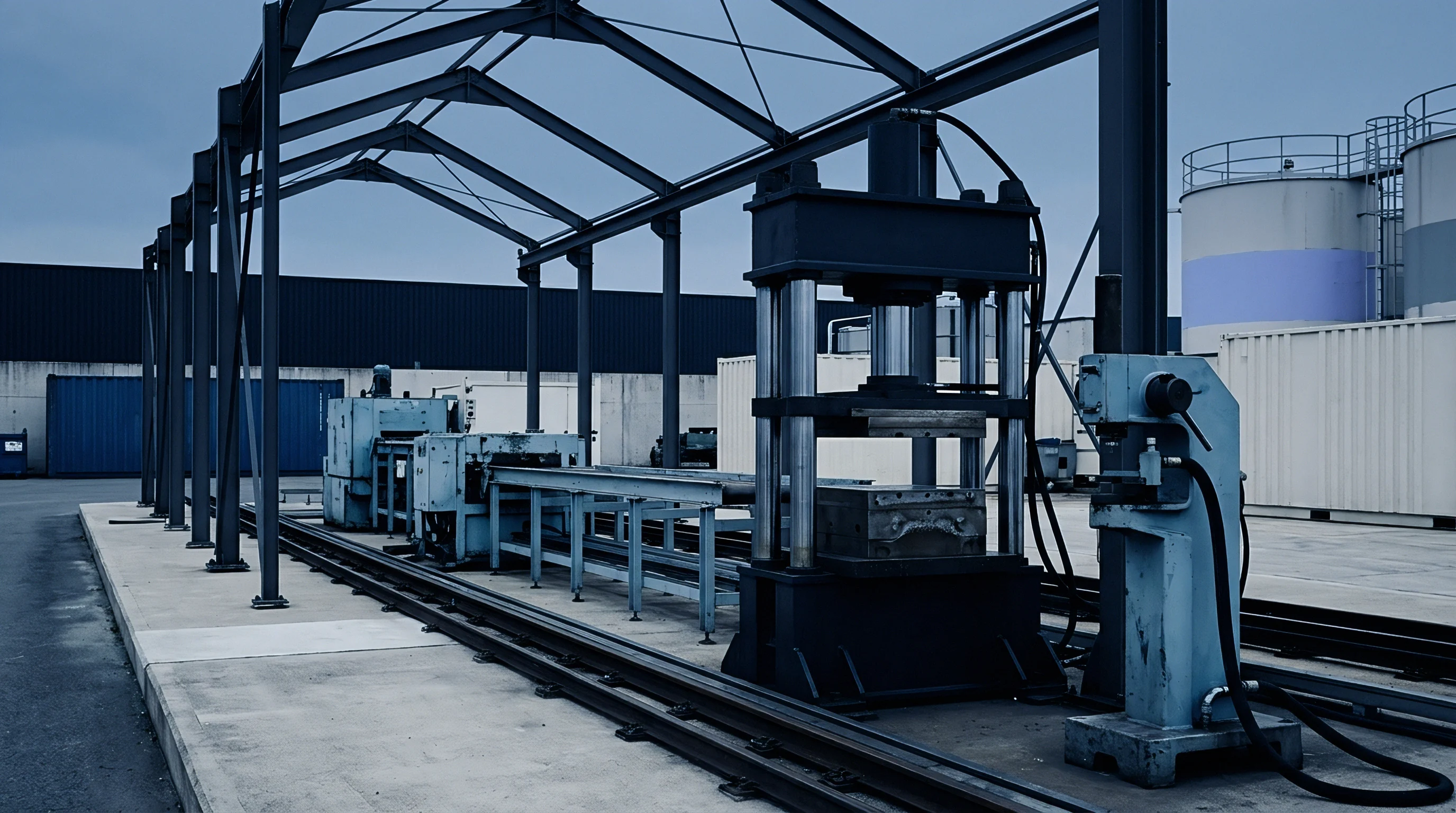
Moving extracted tooling across foreign borders relies on foreign trade documentation proving original temporary import or buyer ownership status. Customs authorities maintain strict regulatory oversight regarding capital equipment exports, preventing unauthorized asset transfers from bankrupt local entities. Proper tariff classification under Harmonized System code 8480.71 governs international movement for plastic injection moulds.
Customs Valuation and Export Documentation Standards
Tariff classification under Harmonized System code 8480.71 governs cross-border movement for plastic injection molds. Export declarations must declare real depreciated asset values rather than zero or nominal figures, which trigger customs holds and mandatory valuation audits.
Export documentation packages contain original purchase contracts, bank remittance proof, bailment affidavits, and court release orders issued by the local receiver. Presenting clear proof that the asset entered the country under a temporary import mechanism eliminates export duty liabilities and expedites border clearance protocols.
| Document Type | Issuing Body | Essential Information Fields | Insolvency Risk Mitigation |
|---|---|---|---|
| Court Asset Exclusion Order | Local Bankruptcy Court | Explicit asset release grant, serial list | Prevents border seizure by foreign police |
| Bailment Declaration | Buyer and Supplier Legal Counsel | Title retention clause, non-transfer proof | Defeats claims of unauthorized export |
| Original Commercial Invoice | Toolmaker / Buyer | Individual itemized pricing, HS 8480.71 | Establishes baseline duty assessment value |
| ATA Carnet / TIB Filing | National Customs Authority | Temporary admission validity dates | Waives secondary import tariff penalties |
Managing Temporary Import Bonds and ATA Carnets
Cross-border tool movements utilize international customs conventions to prevent duplicate import tariff assessments. ATA Carnets allow temporary admission of injection moulds for up to twelve months without paying import duties or taxes, provided the tool departs the destination country within the specified validity period.
When Carnets expire during extended production runs, sourcing managers re-register tools under Temporary Import under Bond frameworks. Maintaining compliant import bond documentation ensures that sudden plant closures do not convert temporary admission status into permanent tax liabilities owed to foreign revenue agencies.
- Press Platen Compatibility Platen dimensions, tie-bar spacing, and ejection pin locations must match replacement press specifications to avoid costly tool modification.
- Hydraulic Interface Matching Core-pull hydraulic valve connections and limit switch wiring standards require direct pinout alignment on foreign machine controllers.
- Hot Runner Controller Parity Zone counts and thermocouple sensor configurations must match available auxiliary control cabinets at the destination plant.
- Cooling Circuit Pressure Rating Flow rates and water manifold pressure limits must accept the fluid dynamics of the alternative cooling network.
Customs clearance delays at destination ports increase exponentiated rust damage risk when hot runner manifolds remain unpurged of residual cooling fluids.
Export documentation reflecting historical tooling valuations rather than current amortized book values consistently triggers unexpected customs duty reassessments at transit borders.

Recovery
Re-establishing active serial production following tool extraction depends on rigorous process re-qualification and dimensional validation protocols. Rescued tooling often exhibits minor physical damage or environmental degradation incurred during factory shutdowns. Transferring the tool to a secondary qualified moulding facility demands systematic press integration steps.
Transport Logistics and Rigging Safety Protocols
Heavy machinery riggers use specialized crane straps and spreader bars to lift multi-cavity injection molds off press platens safely. Slide actions and mechanical core-pulls must be locked with heavy steel transport plates before hoisting the assembly off press tie-bars.
Riggers bolt the closed mold inside heavy wooden crates lined with vapor-barrier foil bags and desiccant packs to halt oxidation. Transporting heavy tooling via air or ocean freight requires shock-absorbing pallet mounts to protect delicate polished cavity surfaces and core alignment pins from high-g impact loads.
Secondary Facility Bring-Up and First Article Re-Validation
Installing rescued tooling in a replacement molding plant requires systematic process window re-establishment. Tooling teams perform viscosity curve studies, cavity pressure trace comparisons, and gate seal evaluations to match original T1 processing parameters.
Technicians run a full 300-shot trial batch to assess thermal stability and mechanical ejector consistency. Quality engineers extract first-article inspection samples for multi-cavity Cpk analysis under DIN 16742 standards, confirming that component wall thickness uniformity and critical dimensions hold tight tolerance bands before approving full-scale production runs.
Whether foreign judicial courts will eventually standardize digital registry cross-verification to prevent plant administrators from freezing third-party assets remains an unsettled domain in international trade law.