Resolving Offshore Tooling Asset Repossession Friction during Cross Border Moulding Plant Insolvency Proceedings
Extracting offshore tooling during plant insolvency requires perfected bailment paperwork, deep steel serialization markings, and immediate bankruptcy court bond filings.

Estate
Jurisdictional Conflict in Cross Border Plant Failures
When an insolvency proceeding starts in a moulding plant’s home country, an estate boundary instantly locks down physical assets inside the building. If a tier-one or tier-two injection moulding facility files for reorganization or liquidation, foreign-owned tooling sitting in press bays or toolrooms comes under the direct territorial control of the insolvency administrator. Conflict occurs because the procedural rules of the insolvency court clash with the property laws of the place where the steel is physically sitting.
Under the UNCITRAL Model Law on Cross-Border Insolvency and EU Regulation 2015/848, main insolvency proceedings run under the court at the debtor’s center of main interests, but pulling steel off the floor is governed strictly by local property law (lex rei sitae). Foreign buyers often assume paper title protects their production moulds, but local statutes in major manufacturing centers require administrators to inventory everything inside the perimeter right at filing. Courts issue protective orders or activate statutory stay provisions freezing machinery, peripherals, and tooling to hold the facility together while ownership gets sorted out.
Because the stay freezes assets regardless of outside claims, getting customer tooling out requires formally petitioning the court to release non-debtor property. +——————-+—————————-+——————————–+—————————-+
| Jurisdiction | Governing Insolvency Code | Cross-Border Asset Recognition | Average Release Timeline |
+——————-+—————————-+——————————–+—————————-+
| Germany | Insolvenzordnung (InsO) | EU Regulation 2015/848 / | 60 to 120 Days |
| | | UNCITRAL Model Law | |
| China | Enterprise Bankruptcy Law | Bilateral Treaties / | 120 to 270 Days |
| | (PRC) | Reciprocity Principles | |
| Mexico | Ley de Concursos | UNCITRAL Model Law | 90 to 180 Days |
| | Mercantiles | Incorporated | |
| United States | Chapter 11 / Chapter 15 | UNCITRAL Model Law Chapter 15 | 30 to 90 Days |
| | Bankruptcy Code | Enforcement | |
+——————-+—————————-+——————————–+—————————-+ Breaking through this freeze requires proving the press steel is bailment property rather than plant capital. Courts expect prompt evidence that title stayed with the buyer across the life of the contract.
If the moulder ran parts on tooling amortized into component pricing without a fully satisfied tooling purchase order, the administrator will reclassify the tool as an estate asset subject to bank liens.
Cross-border stay waivers require independent asset registration within thirty days of court filing to prevent tooling inclusion in plant liquidation auctions.
Automatic Stays and Possessory Rights over Customer Steel
An insolvency petition triggers an automatic injunction that stops creditors and customers from removing anything in the debtor’s custody. The stay takes effect the moment the court decree enters. Rigging teams trying self-help recovery risk contempt charges, fines, and removal from the industrial park by police.
The administrator takes legal custody of the entire plant. Liquidators then evaluate whether customer tooling can generate cash through ongoing production runs or should be sold off to machinery buyers. If the plant has multi-cavity hot-runner moulds running automotive parts, liquidators often demand operational continuance fees to keep running the tool during restructuring.
That leaves the buyer deciding whether to pay marked-up piece prices to keep parts flowing or fight a lengthy court battle for the steel while assembly lines go dark. Possessory rights claimed by the plant complicate physical recovery. Moulders regularly assert possessory liens over tools to cover unpaid part invoices, engineering change orders, or unamortized setup costs.
Once the stay is active, standard contract termination clauses demanding immediate surrender of the steel become unenforceable. Insolvency courts consistently refuse emergency asset release motions if removing the tooling destroys the remaining enterprise value of the plant before a complete creditor audit completes.

Distinguishing Bailment Tooling from Insolvent Fixed Assets
Separating customer-owned production steel from plant machinery takes strict alignment between off-balance-sheet asset registers and the facility’s accounting ledgers. Administrators routinely inspect fixed asset schedules submitted to tax authorities. If the debtor moulder amortized the tool internally or listed it under plant equipment for local property taxes, the court will treat it as estate property.
Establishing a true bailment requires an unbroken chain of ownership documents. The tool owner needs fully paid purchase orders, bank remittance slips matching specific tooling invoices, and explicit bailment agreements signed before the insolvency filing. Partial payments leave major vulnerabilities.
If a buyer paid an eighty percent deposit and held back twenty percent pending T1 sample dimensional sign-off, liquidators argue title never transferred, leaving the buyer as an unsecured creditor for the money already sent. Structuring ownership through offshore special purpose vehicles adds further evidentiary steps. Liquidators examine intercompany transfers to confirm the bailor actually had the legal right to place the tool with the moulder.
If the contract leaves out basic details like serial numbers, cavity counts, or press compatibility, administrators reject the claim. Underestimating how far an insolvency stay reaches leads straight to permanent seizure and auction of proprietary steel to pay off secured plant lenders.
Stamp
Physical Marking Systems on Heavy Injection Steel
Permanent markings on mould bases and core blocks are the first defense against having assets swept into the estate.
When administrators lock down a facility, liquidators tag every piece of equipment they find. Unmarked steel on storage racks or inside presses gets cataloged as plant property on the spot. Standard practice calls for asset plates welded or deeply engraved into the mould frame’s exterior plates, showing the owner’s legal entity, drawing number, tool code, cavity count, and serial number.
Surface marks using paint, stickers, or light etching rarely survive normal shop conditions given the heat, dielectric fluids, and mechanical wear. +————————+————————–+———————–+———————————-+
| Marking Method | Engraving Depth / Type | Thermal Resistance | Insolvency Audit Survival Rate |
+————————+————————–+———————–+———————————-+
| CNC Milling / Engraving| 0.5 mm to 1.0 mm Depth | Exceeds 800 deg C | 100 Percent |
| Stainless Steel Plate | Riveted / Welded 1.5 mm | Exceeds 600 deg C | 95 Percent |
| Laser Marking | 0.05 mm to 0.1 mm Depth | Up to 400 deg C | 60 Percent |
| RFID Transponder Tag | Embedded Frame Capsule | Up to 220 deg C | 40 Percent (Requires Reader) |
+————————+————————–+———————–+———————————-+ Regional toolrooms often use internal naming schemes that conflict with customer contracts. A toolmaker might stamp a shop tracking code into the clamping plate while leaving off the buyer’s formal asset tag.
In an insolvency audit, the court auditor matches physical tags against the debtor’s internal equipment ledger. If the mould shows only the shop code, it goes straight onto the list of plant assets.
Contracts omitting deep steel serialization provisions forfeit immediate asset exclusion claims under statutory bankruptcy audits.
Forensic Audits of Unmarked Press Tooling
Getting unmarked tooling out of a sealed plant takes forensic verification to establish ownership without physical tags. Independent auditors enter under court supervision to compare actual mould geometry against engineering files. They match CAD surface models directly to the core and cavity inserts, measuring features with portable coordinate measuring machines or laser scanners on the floor.
The team verifies cooling port locations, hot-runner pinouts, ejector stroke lengths, and slide tolerances. Tying distinct part features ~ like stiffening ribs, wall thickness transitions, or ejector pin marks ~ back to customer drawings builds the legal link to the physical steel. Verification also relies on matching stored production parts to the tool’s cavity inserts.
Parting lines, gate vestige dimensions, and cavity stamps on warehouse stock provide direct physical proof. Micro-engraved logos or distinct cavity identifier numbers located on internal core surfaces provide indisputable proof of ownership when external frame plates lack external tags.
- Unregistered Shop Markings Internal shop codes stamped on clamping plates override customer documentation during quick liquidator audits.
- Omitted Cavity Identifiers Core inserts lacking specific cavity numbering prevent clear matching against original tooling drawings.
- Modified Runner Systems Unregistered structural alterations to hot-runner blocks complicate geometry verification against initial CAD files.
- Missing Tool Handbooks Facilities operating without physical tool manuals fail to produce on-site maintenance logs linking the mould to the buyer.

Can Onsite Liquidators Seize Unlabeled Customer Moulds?
Liquidators have statutory authority to hold all unlabeled machinery found on the premises at filing. Commercial codes generally presume equipment inside a factory belongs to the operator unless permanent, visible proof of outside ownership is attached directly to the frame. When audit teams enter, unlabeled tools mounted in presses or sitting in the maintenance shop are sealed immediately.
That shifts the burden of proof to the owner, who has to file a formal third-party intervention claim in bankruptcy court. Meanwhile, unlabeled tools end up bundled into bulk lots for quick liquidation auctions. Litigating ownership takes months, during which the steel sits in an unheated, unconditioned building where rust can quickly ruin polished cavity surfaces.
Unlabeled steel on a press floor belongs to the estate until proved otherwise.
Paperwork
Enforceable Bailment Clauses in Custom Moulding Contracts
Protecting cross-border tooling relies on clear bailment terms drafted long before a supplier shows signs of distress. A basic purchase order asserting ownership carries little weight in international insolvency courts.
The master supply agreement needs to explicitly establish a gratuitous bailment, stating the supplier is merely a bailee holding temporary custody to produce parts for the bailor. It must prohibit the supplier from pledging, mortgaging, or assigning the tooling as collateral to banks or trade creditors. Terms should require the supplier to keep the tool in a specified area, maintain asset tags, and seek written approval before moving steel to subcontractors.
Including explicit repossession rights allows the buyer or its agents to enter the plant immediately upon default or filing to retrieve the tool. Finally, zero-offset provisions must terminate possessory rights upon insolvency, regardless of pending billing disputes or unpaid part shipments.
Perfection of Security Interests and Title Registries
Legal title alone will not beat a bank holding floating liens over the moulder’s plant equipment. To secure priority, the tool owner must perfect its interest under the laws of the country where the steel physically sits. In the United States and similar legal systems, filing a UCC-1 financing statement listing the tooling as bailment property gives public notice of ownership.
In Canada, registration under the Personal Property Security Act accomplishes the same thing. In Mexico, registering the bailment agreement in the Registry of Movable Guarantees is required to shield the tool from tax levies and lender liens. +——————-+—————————-+——————————–+—————————-+
| Jurisdiction | Primary Registration System| Statutory Perfection Deadline | Priority Against Bank Liens|
+——————-+—————————-+——————————–+—————————-+
| United States | UCC-1 Financing Statement | Prior to Physical Delivery | Superior if Filed Timely |
| Canada | PPSA Registry | Within 15 Days of Delivery | Superior if Perfected |
| Mexico | RUG (Registro Unico de | Prior to Plant Operations | Absolute Protection |
| | Garantias Mobiliarias) | | |
| China | Zhongdengwang (PBOC | Prior to Importation / Setup | High with Formal Bailment |
| | Registration Platform) | | |
+——————-+—————————-+——————————–+—————————-+ In Asian jurisdictions like China, rules require registering equipment with local commerce authorities or through the People’s Bank of China’s credit reference system.
Without proper local registration, courts treat the tool as unencumbered plant inventory, pushing foreign owners to the bottom of the creditor hierarchy.

Evidentiary Burdens for Outright Paid versus Amortized Tooling
Getting a court to release tooling depends heavily on how the build was financed. Outright purchase offers the clearest path. The buyer proves ownership by providing the executed purchase order, itemized invoices, bank wire confirmations, and a signed acceptance certificate from first article inspection.
Amortized tooling creates major risks. When tool costs are wrapped into piece-part prices over a set production run, liquidators argue the plant retains partial ownership until total contract volumes are met. If the moulder fails mid-run, the court calculates the unamortized balance and holds the steel as estate property until the buyer pays the difference.
To avoid this trap, contracts should state that title transfers on the first production shot, regardless of piece-price recovery schedules, while giving the buyer the explicit right to pay any remaining balance directly into court to secure immediate release.
- Master Bailment Agreement Fully executed document defining explicit bailment, prohibited liens, and self-help recovery mandates.
- Proof of Total Remittance Complete bank transfer documentation linking specific invoice numbers to physical tool build payments.
- Local Security Registration Certified public filings from local movable property registries establishing perfected ownership status.
- Signed Asset Receipt Formal documentation signed by the plant manager confirming receipt of specific customer-owned tools on site.
A contract clause stating bailment title retention overrides local estate liquidator claims only when accompanied by certified public asset registry filings.
The contract terms governed by section twelve state that legal ownership remains with the bailor despite temporary physical possession by the bailee, rendering any attempt by third-party creditors to levy execution upon the steel null and void under applicable commercial law.
Dock
Rigging Mechanics and Tool Preservation during Expedited Removal
Extracting heavy production tooling from a closed plant takes specialized rigging crews and strict safety protocols. Repossession teams usually have tight, court-ordered windows ~ sometimes just a single shift under bailiff and security supervision.
Moulds weighing between five and forty metric tons require heavy hydraulic gantries, large forklifts, and experienced riggers. Before moving anything, crews must secure core plates, slides, and ejectors with hardened steel transport locks painted safety yellow. Shifting a tool with unlatched slides ruins core pins, hot-runner tips, and parting line seals.
+——————–+———————————-+————————————+
| Mould Weight Class | Rigging Equipment Requirement | Critical Surface Protection Action |
+——————–+———————————-+————————————+
| Under 5 Metric Tons| Heavy Capacity Forklift Truck | Standard VCI Coating Spray |
| 5 to 15 Metric Tons| Overhead Plant Crane / Portable | Transport Straps and Slide Locks |
| | Hydraulic Gantry | Installed |
| Above 15 Tons | Specialized Heavy Rigging Gantry | Full Vacuum Barrier Foil Packaging |
| | with Hydraulic Skidding | with Desiccant Packs |
+——————–+———————————-+————————————+ Preserving the steel during extraction is vital if it is going to run again quickly. Cooling lines have to be blown clear with high-pressure air to flush out residual glycol, scale, and untreated water. Leaving water inside causes internal oxidation that clogs micro-channels and ruins heat transfer when the tool is remounted elsewhere.
Mirror-polished cavity faces need a heavy coat of volatile corrosion inhibitor spray before the halves are locked shut for transport.
Blowing out cooling circuits with dry compressed air before transport prevents internal channel corrosion during long sea freight transit cycles.
Customs Clearance and Export Formalities for Exhumed Steel
Crossing borders with repossessed steel creates headaches at customs checkpoints. Officials scrutinize industrial assets leaving the country, especially when the exporter of record is an insolvent company under court supervision. The owner has to clear export by proving the asset’s foreign status.
An ATA Carnet is the cleanest path for temporary duty-free movement, assuming it was stamped properly when the tool entered. If it came in under standard import procedures, the buyer must produce original entry filings, duty payment receipts, and invoices to show the move isn’t an attempt to evade corporate taxes. Dual-use rules and export controls can also hold up shipments at the port.
Large multi-cavity tools for optical, medical, or electronic parts often fall onto export control lists, requiring formal clearance from commerce agencies before loading.
- Position specialized rigging equipment inside the press bay under judicial bailiff supervision.
- Install structural transport straps, side locks, and slide plate retaining bars to prevent internal component movement.
- Purge all internal water lines and oil manifolds using dry compressed air to prevent internal oxidation.
- Spray open cavity faces and core inserts with thick volatile corrosion inhibitor oil prior to full clamp lock.
- Wrap the entire steel mould frame in heavy-duty vacuum-sealed barrier foil packed with industrial silica desiccant bags.
- Secure the tool onto reinforced hardwood skids using high-tensile steel banding straps.
- Transport the packaged asset via flatbed truck under customs seals to the container loading port.
Cross Border Transit Logistics under Estate Lockout Conditions
Managing transit during a facility lockout requires an independent logistics plan separate from the moulder’s usual carriers. Local freight forwarders often refuse work due to unpaid bills from the bankrupt plant, so the owner has to bring in outside heavy haulers and crane operators. Port authorities require bills of lading that list the tool owner as both shipper and consignee.
If paperwork names the insolvent moulder as exporter, customs will halt loading until the administrator or court judge issues written permission. Crates should carry embedded GPS transponders to monitor transit in real time. Oversized load permits must be arranged before pulling steel from the bay, since moving a forty-ton mould requires multi-axle trailers and escort vehicles.
Moving equipment without complete customs paperwork risks impoundment at the port, where damp air can quickly damage bare steel. Teams clear customs by presenting certified court orders alongside pre-paid export manifests.
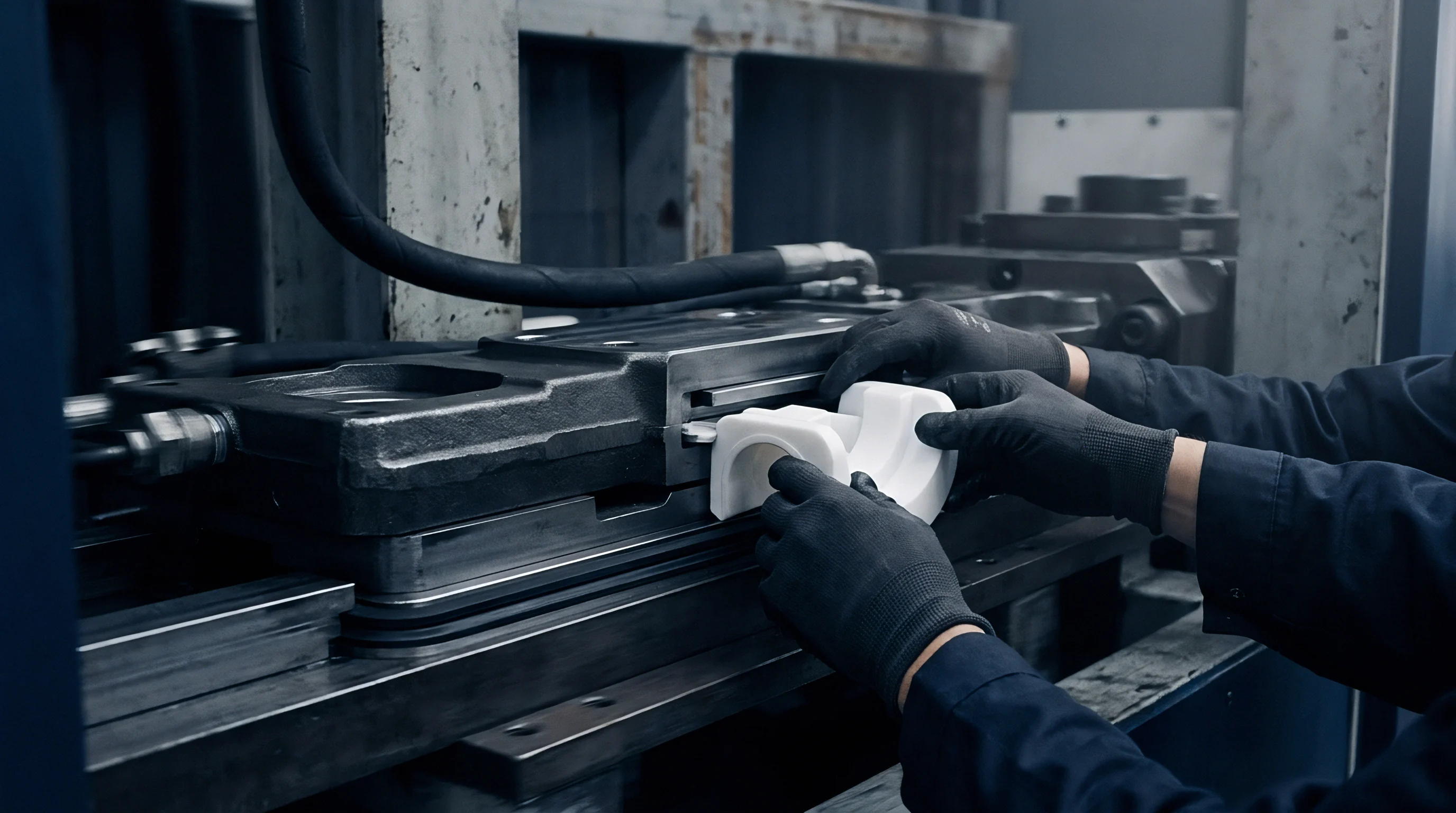

Lien
Statutory Moldmaker Liens versus Customer Title Claims
The sharpest legal fights happen when statutory possessory liens collide with customer title claims.
Toolmakers, repair shops, and plant operators have statutory rights under local laws allowing them to hold tooling for unpaid work done directly on the steel. In Germany, the Werkunternehmerpfandrecht gives contractors a statutory lien on moveable items they build or repair as long as they hold physical possession. In the United States, state Tool and Die Lien Acts give toolmakers an automatic lien over customer steel for unpaid invoices or modification costs.
These possessory claims take priority over general unsecured debts and can even beat bank liens. +————————–+———————–+———————————-+————————————+
| Lien Type | Asserting Entity | Underlying Cause | Resolution Mechanism |
+————————–+———————–+———————————-+————————————+
| Statutory Moldmaker Lien | Sub-contracted Toolroom| Unpaid Tool Fabrication / Mod | Cash Settlement / Direct Payoff |
| Possessory Storage Lien | Insolvent Moulder | Unpaid Piece-Part Inventory Fees | Court Escrow Deposit |
| Liquidator Priority Lien | Insolvency Estate | Plant Preservation Costs | Negotiated Administrative Payment |
| Maritime Freight Lien | Port Logistics Carrier| Unpaid International Shipping | Direct Carrier Indebtedness Settle |
+————————–+———————–+———————————-+————————————+ Resolving possessory liens takes direct financial intervention. If a sub-tier toolroom holds a valid lien for thirty thousand dollars in modification work commissioned by the bankrupt moulder, the buyer cannot simply point to a master agreement to reclaim the steel.
The buyer has to pay off the toolmaker directly to get the mould released, then file a claim as an unsecured creditor in the bankruptcy court to try to recover the money.
Liquidator Administrative Storage and Preservation Demands
Administrators routinely levy administrative fees on tooling owners before allowing equipment out the door. They argue the estate spent money securing, storing, insuring, and maintaining the assets while under court supervision. These priority claims appear as daily storage charges, facility overhead allocations, or security bill splits.
Until these amounts are paid into the court’s escrow account, the administrator will block rigging crews. While buyers see this as extortion, courts regularly uphold reasonable preservation claims intended to reimburse the estate for protecting outside property. Challenging administrative claims means disputing the liquidator’s numbers in court.
Buyers introduce evidence that the factory sat unheated, lacked security, or allowed the steel to deteriorate. Negotiating fees down to actual out-of-pocket costs saves months of litigation expenses that usually dwarf the liquidator’s opening demand.
Statutory moldmaker liens grant sub-contracted toolrooms absolute possessory rights that supersede foreign title claims until underlying modification invoices are fully settled.
Court Motions for Immediate Asset Release and Security Bonds
Pulling tools out without drawn-out litigation requires filing emergency release motions ~ such as replevin petitions, ex parte applications, or segregation orders depending on the court. The motion asks to exclude identified bailment steel from the estate and allow immediate site access. Courts often condition emergency release on posting a cash security bond.
This bond protects the estate, banks, and lienholders if the court later finds the debtor had a financial interest or valid lien on the tool. Required Security Bond Value = Max( Appraised Tool Market Value, Asserted Statutory Liens + Unsettled Amortization Claims ) Paying a cash bond into court escrow lets the buyer retrieve the steel right away while legal arguments over remaining debts continue. Paying a bond deposit saves critical production timeline weeks compared to waiting for a final, non-appealable judicial ownership decree.
Liquidator preservation fees accrued during plant closures require immediate court escrow deposits before physical equipment release orders are executed.
What long-term financial liabilities remain when an emergency security bond posted to extract high-cavity steel is converted into a permanent estate asset distribution mechanism by a foreign insolvency judge?

Covenant
Contractual Structures for Redundant Offshore Tooling
Avoiding catastrophic line shutdowns during a supplier insolvency requires planning redundant tooling into early sourcing contracts. Relying on a single offshore plant for high-volume parts is too risky.
Procurement teams often use split-cavitation setups: instead of building one 1×32 cavity tool, they build two identical 1×16 cavity tools placed in separate facilities. If one plant goes under, the secondary site speeds up cycle times and shifts from five-day to seven-day schedules, covering seventy to eighty percent of total volume while the primary mould is recovered. Contracts should also include shadow insert provisions.
The buyer keeps primary master core and cavity inserts stored offsite in a secure third-party warehouse, sending only wearing parts and tool base frames to the moulder. If the facility fails, the critical core inserts remain safe, cutting replacement setup times from months to weeks.
Escrow Protocols for Master Inserts and Digital CAD Assets
Digital files and master inserts belong under formal escrow managed by neutral third parties. A solid escrow agreement keeps design and processing data off the supplier’s floor so it remains accessible if insolvency occurs. Escrow depositories hold native 3D CAD files, electrode drawings, hot-runner schematics, material shrinkage specs, and press parameters, updating automatically after approved engineering changes.
If the moulder goes into liquidation, the escrow agent releases the design dossier immediately so alternative toolrooms can start building duplicate steel. Physical insert escrow keeps spare core inserts, pins, and runner blocks in warehouses near secondary moulding hubs. The escrow agreement sets clear release triggers ~ like insolvency filings, repeated delivery defaults, or regulatory shutdowns ~ allowing quick transfer to secondary suppliers without waiting for court approval.
Re-Commissioning Repossessed Steel at Secondary Moulding Sites
Getting repossessed tooling running at a new site takes systematic engineering validation to restore part dimensions. Tools pulled during an emergency often suffer from rough handling, poor preservation, or undocumented shop tweaks made by the previous supplier. The receiving team should strip the mould down to bare plates, check cooling channels for scale, verify ejector alignment, and measure slide gib tolerances on coordinate measuring machines. Mirror cavity surfaces need micro-ultrasonic cleaning and careful hand polishing to clear flash rust or chemical residue from transit. Validation trials follow scientific moulding principles to rebuild a stable process window. Engineers run viscosity curves, balance cavity pressure, and execute gate seal studies to adapt historical quality benchmarks to the new press. Meeting DIN 16742 dimensional standards requires a full Cpk capability analysis across critical tolerances before releasing the steel for series production. Re-commissioning repossessed tooling demands thorough verification of core pin alignments, clamping force requirements, and thermal manifold calibrations before running series production shots.