Toxicological Characterization Limits for Ultra-Trace Isomeric Mixtures Generated during Pyrolysis Chemical Recycling of Post-Consumer Plastics
Ultra-trace isomeric mixtures in recycled pyrolysis oil require GC-MS resolution and Cramer Class toxicological screening to defend food-contact compliance.

Vapour
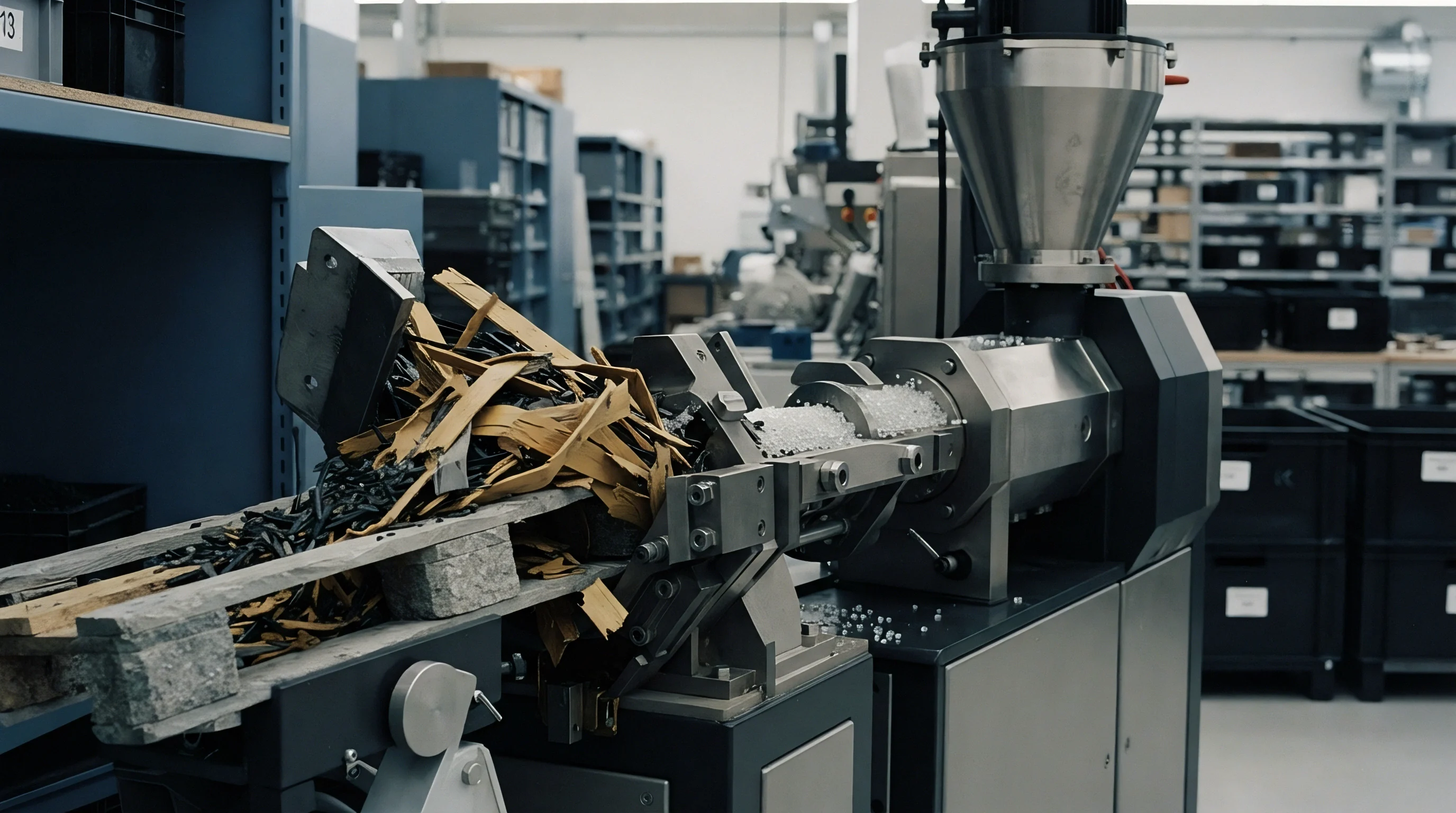
In cracking reactors, thermal degradation converts post-consumer polyolefin waste from solid polymers into volatile hydrocarbon fractions via free-radical scission and secondary condensation. Heating mixed polyethylene and polypropylene feeds in unrefined pyrolysis units between 400 and 700 degrees Celsius triggers primary carbon-carbon cleavage, yielding alpha-olefins and n-paraffins. Secondary thermochemical reactions ~ cyclization, hydrogen transfer, and aromatization ~ immediately alter this product stream, recombining volatile fragments into thousands of trace species.
While standard industrial refining easily quantifies major aliphatic fractions, high-resolution analytical profiling reveals complex isomeric distributions in the residual fractions at concentrations below 100 parts per billion.
These ultra-trace mixtures include alkylated polycyclic aromatic hydrocarbons, multi-branched alkenes, bridged cycloalkanes, and heteroatomic structures originating from flame retardants or organotin stabilizers in the feedstock. Evaluating such volatile condensates presents major analytical hurdles for chemical cracking operations. Molecules sharing identical empirical formulas exhibit structural variations that shift toxicological reactivity by orders of magnitude: a single mass fraction of alkylated phenanthrenes carries vastly different mutagenic profiles depending on whether methyl substituents occupy position 1, 2, or 9 on the aromatic core.
Pyrolysis output streams contain structural isomers whose toxicological profiles differ by three orders of magnitude despite identical molecular weights.
Recycled pyrolysis oil fed into steam crackers undergoes heavy dilution when combined with virgin naphtha before downstream polymerization incorporates these secondary feeds into food-grade resins. Trace impurities present in the liquid feedstock survive both cracking and polymerization. During compliance testing, these non-intentionally added substances migrate from finished packaging materials into food simulants, where quantifying them requires analytical protocols capable of separating hazardous isomeric clusters from baseline hydrocarbon noise.
Whether secondary catalytic hydrotreating destroys low-concentration polycyclic isomers or merely redistributes their alkylation positions remains unverified across commercial distillation cuts.


Isomers
Thermal scission of post-consumer plastics produces complex molecular distributions. Gasoline and diesel boiling cuts derived from plastic pyrolysis contain over 10,000 discrete chemical entities, with isomeric complexity scaling exponentially alongside carbon number. A single formula like C16H26 represents over 1,000 theoretical structural arrangements, encompassing mono-aromatics, di-olefins, and poly-cyclic structures.

Structural Complexity in Cracked Feedstocks
Polypropylene degradation generates methyl-branched hydrocarbon backbones through predictable tertiary radical formation, while polyethylene cracking produces straight-chain alkane and alkene series. Real-world post-consumer waste streams mix these polymers with halogenated contaminants, adhesives, and ink resins, leading to cross-reactions that generate hybridized isomeric structures. Chlorine atoms released from trace polyvinyl chloride catalyze alkylation reactions, forming chlorinated alkyl-benzenes and PCB-like structures at sub-ppm levels.
Structural elucidation of these compounds requires separation techniques beyond conventional single-dimensional gas chromatography.
Chromatographic Overlap in High Boiling Cuts
Capillary gas chromatography using single-phase columns fails to resolve overlapping isomeric envelopes. A single chromatographic peak eluting from a non-polar methylsiloxane column frequently conceals five to twenty distinct isomers. Furthermore, mass spectrometry operating in electron ionization mode yields identical fragmentation patterns for positional isomers, making spectral library matching unreliable.
| Structural Class | Formation Mechanism | Typical Concentration Range (µg/kg) | Toxicological Hazard Flag |
|---|---|---|---|
| Methylated Phenanthrenes | Aromatization of polyolefin radicals above 550°C | 15 to 85 | Genotoxic carcinogenicity alert |
| Branched C12-C20 Alkenes | Polypropylene backbone scission | 120 to 1400 | Low toxicity Cramer Class I |
| Alkyl-Indanes and Tetralins | Cyclization of alkenyl-aromatic intermediates | 40 to 320 | Intermediate Cramer Class II |
| Chlorinated Alkyl-Benzenes | PVC chlorine interaction with olefin radicals | 0.5 to 12 | High toxicity Cramer Class III |
High-temperature cracking is frequently assumed to eliminate complex ring structures, leaving the remaining naphtha cut to be treated as toxicologically equivalent to virgin fossil feedstocks without supporting isomer-specific laboratory data.
Toxicity
Evaluating unknown migrating substances in plastic packaging relies on toxicological threshold concepts. When empirical toxicological data is unavailable, risk assessment frameworks establish exposure limits based on chemical structure.
What Concentration Triggers Class Three Evaluation?
Structural classification under the Cramer decision tree assigns chemical substances to one of three toxicity classes based on functional groups and metabolic reactivity. Cramer Class I covers low-toxicity structures like acyclic hydrocarbons; Cramer Class II represents moderate toxicity; and Cramer Class III encompasses organohalogens, aromatic rings with specific functional groups, or structural alerts for genotoxicity.
The Threshold of Toxicological Concern approach assigns tolerable human intake levels to these categories. Cramer Class I permits human exposure up to 1,800 micrograms per person per day, translating to a food concentration of 0.05 milligrams per kilogram. Cramer Class III restricts exposure to 90 micrograms per person per day, equivalent to a food concentration limit of 0.0025 milligrams per kilogram (2.5 parts per billion).
Substances carrying structural alerts for genotoxicity face a strict threshold of 0.15 micrograms per person per day, setting a migration limit of 0.00001 milligrams per kilogram (0.01 parts per billion).
A migration level above 0.01 milligrams per kilogram in ten percent ethanol after ten days at sixty degrees Celsius reclassifies the substance from non-detected to restricted.
Worked Calculation for Unknown Isomeric Mixtures
Consider a post-consumer polyolefin pyrolysis oil fraction converted into a 50-micrometre polyethylene food packaging film. Food contact testing guidelines establish a standard packaging ratio of 6 square decimetres of packaging area per 1 kilogram of food simulant.
Testing the finished film with modified polyphenylene oxide (Tenax) simulant for 10 days at 60 degrees Celsius yields an uncharacterized isomeric chromatographic cluster in the C14-C18 boiling region. GC-MS analysis shows an integrated peak area sum corresponding to 0.008 milligrams per kilogram (8 parts per billion) of total migrated substance, calculated using a toluene internal standard equivalence factor.
Mass spectral fragmentation indicates the cluster consists of alkylated indanes and tetralins mixed with trace alkyl-phenanthrenes. The Cramer decision tree allocates alkylated indanes to Cramer Class III based on their bicyclic aromatic structure. The measured migration level of 0.008 milligrams per kilogram exceeds the Cramer Class III threshold of 0.0025 milligrams per kilogram by a factor of 3.2.
If mass spectrometry spectral deconvolution identifies an alkyl-phenanthrene isomer carrying a genotoxic structural alert, the migration limit drops to 0.00001 milligrams per kilogram, putting the measured concentration 800 times above the allowable threshold.
Misclassifying a genotoxic aromatic isomer under a benign Cramer category invalidates the food-contact declaration and exposes packaging converters to immediate product withdrawals across distribution channels.
Splitting
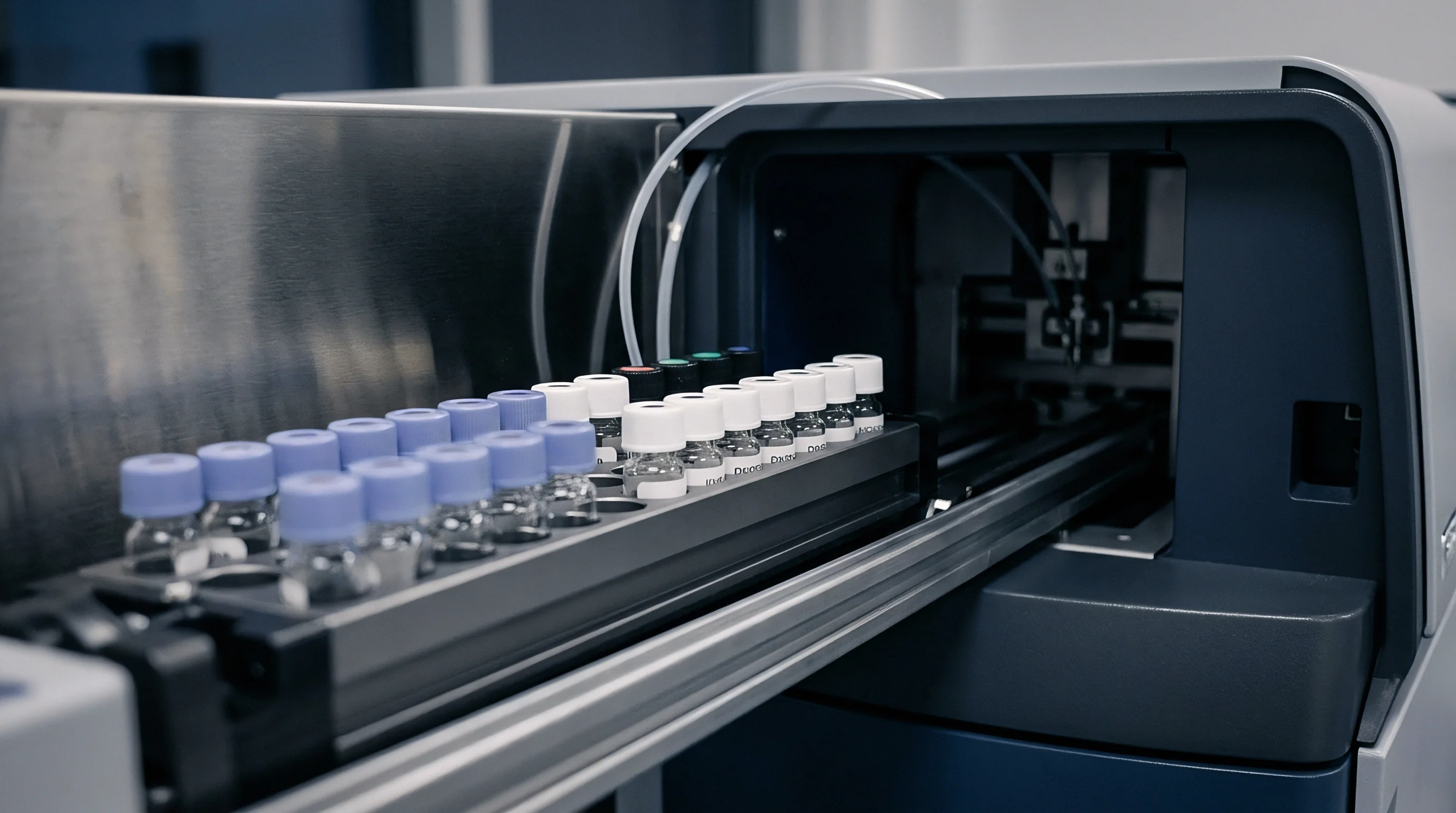
Resolving complex isomeric mixtures generated during thermal recycling demands high-resolution analytical separation matched with sensitive mass detection. Standard gas chromatography coupled to single-quadrupole mass spectrometry lacks the peak capacity required to separate co-eluting NIAS isomers from baseline paraffin matrix interference.
Analytical Method Boundaries for Ultra-Trace Screening
Comprehensive two-dimensional gas chromatography coupled with time-of-flight mass spectrometry (GC×GC-TOFMS) provides orthogonal separation capacity. Primary capillary columns separate compounds by volatility, while secondary short-microbore columns resolve co-eluting peaks by polarity. Modulation transfers focused fractions from the first dimension to the second every few seconds.
Spectral deconvolution algorithms process high-speed TOFMS data to extract clean mass spectra from overlapping second-dimension chromatograms. Electron ionization spectra matched against commercial spectral libraries yield match factors above 800 for unbranched molecules. However, alkylated aromatic isomers produce highly similar fragmentation spectra, which drops library match confidence below acceptable identification thresholds.
| Analytical Technique | Target Isomeric Class | Limit of Quantification (µg/kg) | Identification Reliability Score |
|---|---|---|---|
| GC-MS (Single Quadrupole, SIM Mode) | Targeted Polycyclic Aromatic Hydrocarbons | 5.0 | High for targeted targets, zero for unknown NIAS |
| GC-MS/MS (Triple Quadrupole) | Halogenated Isomers and Chlorinated Benzenes | 0.1 | High for defined precursor-product transitions |
| GC×GC-TOFMS (High Resolution) | Non-targeted Ultra-Trace Isomeric Envelopes | 0.5 | Moderate to high depending on spectral library match |
| GC-APCI-QTOF-MS | Thermally Labile and Semi-Volatile NIAS | 0.2 | High structural elucidation via molecular ion preservation |
Validating ultra-trace chromatographic screening protocols requires systematically verifying method sensitivity across distinct isomeric classes.
- Sample Extraction Protocol Exhaustive extraction of polymer samples using dichloromethane or hexane-acetone mixtures ensures complete recovery of semi-volatile migratory compounds without dissolving the base polymer matrix.
- Mass Deconvolution Parameters Setting spectral deconvolution signal-to-noise thresholds at three to one prevents false-positive peak identification while preserving ultra-trace isomeric signal peaks above background instrument noise.
- Library Search Limits Restricting spectral search parameters to structural classes plausible under pyrolysis thermodynamics reduces false matches with non-hydrocarbon synthetic molecules.
- Simulant Recovery Verification Spiking migration simulants with deuterated internal standards verifies extraction efficiency across volatile, semi-volatile, and non-volatile chromatographic regions.
- Quantification Calibration Standard Calculating NIAS concentrations against semi-quantification response factors derived from standard aromatic and aliphatic hydrocarbons accounts for detector response variations.
Analytical reports that state zero detected non-intentionally added substances without providing the limit of quantification reflect method sensitivity bounds rather than actual chemical purity.
Certificate
Placing recycled plastic resins on the market requires establishing complete conformity documentation across the supply chain. Regulation EU 10/2011 and Regulation EC 2023/2006 mandate that manufacturers provide a Declaration of Compliance (DoC) for food-contact materials. Chemical recycling processes using mass balance attribution face specific audit challenges when matching chemical feedstock testing to finished resin output batches.
Traceability Chains in Chemical Recycling Dossiers
Downstream resin converters receive declarations claiming compliance based on mass balance allocation. A chemical recycler purchasing post-consumer pyrolysis oil may process hundreds of tonnes of cracked oil through a naphtha steam cracker alongside fossil feedstocks. However, allocating chemical purity claims on paper does not alter the physical distribution of ultra-trace isomers in the output resin.
Auditors evaluate conformity files by tracing supporting testing documents from the finished plastic article back to the chemical recycling batch. Gaps emerge when declarations rely on virgin resin testing data while omitting analysis of the secondary cracked feedstock fraction.
- Feedstock Waste Stream Audits Documentation proving post-consumer plastic sorting standards, maximum allowed PVC input fractions, and removal procedures for heavy metals and flame retardants.
- Pyrolysis Mass Balance Ledger Traceable accounting ledgers linking physical pyrolysis oil batches entering the refiner to the mass balance certificates issued for downstream polymer production.
- GC-MS Isomer Screening Dossier Full non-targeted chromatographic screening reports identifying non-intentionally added substances down to ten parts per billion, complete with limits of detection.
- Migration Testing Documentation Certified migration laboratory test reports performing specific migration testing using ethanol, acetic acid, and Tenax simulants under defined time and temperature conditions.
- Dual-Use Additive Declarations Detailed listing of additives present in the recycled feedstock that function as authorized food additives, verifying compliance with food concentration limits.
Because physical batch testing takes precedence over paperwork allocation, inserting Article 15 compliance clauses under Regulation EU 10 2011 forces suppliers to attach raw chromatographic data files to each lot shipment.

Ledger
Failure to characterize ultra-trace isomeric contaminants in recycled pyrolysis oil generates financial liabilities across the packaging supply chain. Port border inspection authorities employ screening protocols targeting chemical SVHC substances, polycyclic aromatic hydrocarbons, and persistent organic pollutants in imported plastic articles. Containers arriving at customs points without compliant supporting toxicological dossiers risk immediate detention.

Financial Exposure and Rejection Mechanics
When port authorities detect restricted substances exceeding specific migration limits, the importer of record carries primary legal liability. Demurrage costs for detained shipping containers accumulate rapidly: demurrage and storage fees at major international shipping hubs average 150 to 450 Euros per container per day, so a single month of port detention while awaiting secondary dispute testing frequently exceeds the gross margin of the shipment.
Enforcement actions trigger public recall notifications through regional alert networks. Recalls force brand owners to destroy inventory, clear store shelves, and pay regulatory administrative fines, while modulated extended producer responsibility (EPR) fee schedules penalize packaging containing non-compliant recycled fractions.
Managing market access risks requires buyers to implement structured verification procedures before authorizing container loading at production facilities.
- Establish analytical baseline specifications for incoming recycled pyrolysis oil batches before shipment authorization.
- Require comprehensive GC-MS screening reports covering semi-volatile organic compounds down to ten parts per billion.
- Hold landed containers in bonded warehousing until independent laboratory testing verifies specific migration limits.
- Apply financial deductions against supplier invoices when ultra-trace SVHC compounds exceed declared thresholds.
Contractual risk transfer relies on explicit analytical acceptance limits incorporated into resin purchase agreements. Sourcing contracts that define quality solely by melt flow index and tensile strength leave buyers unprotected against toxicological migration failures uncovered during regulatory audits.