Nonlinear Catalytic Transesterification Kinetics under Dynamic Carrier Gas Gradients in Trace Coulometric Vaporization Cells
Dynamic carrier gas velocity sweeps separate trace moisture from catalyst-driven transesterification side-products during coulometric vaporization.
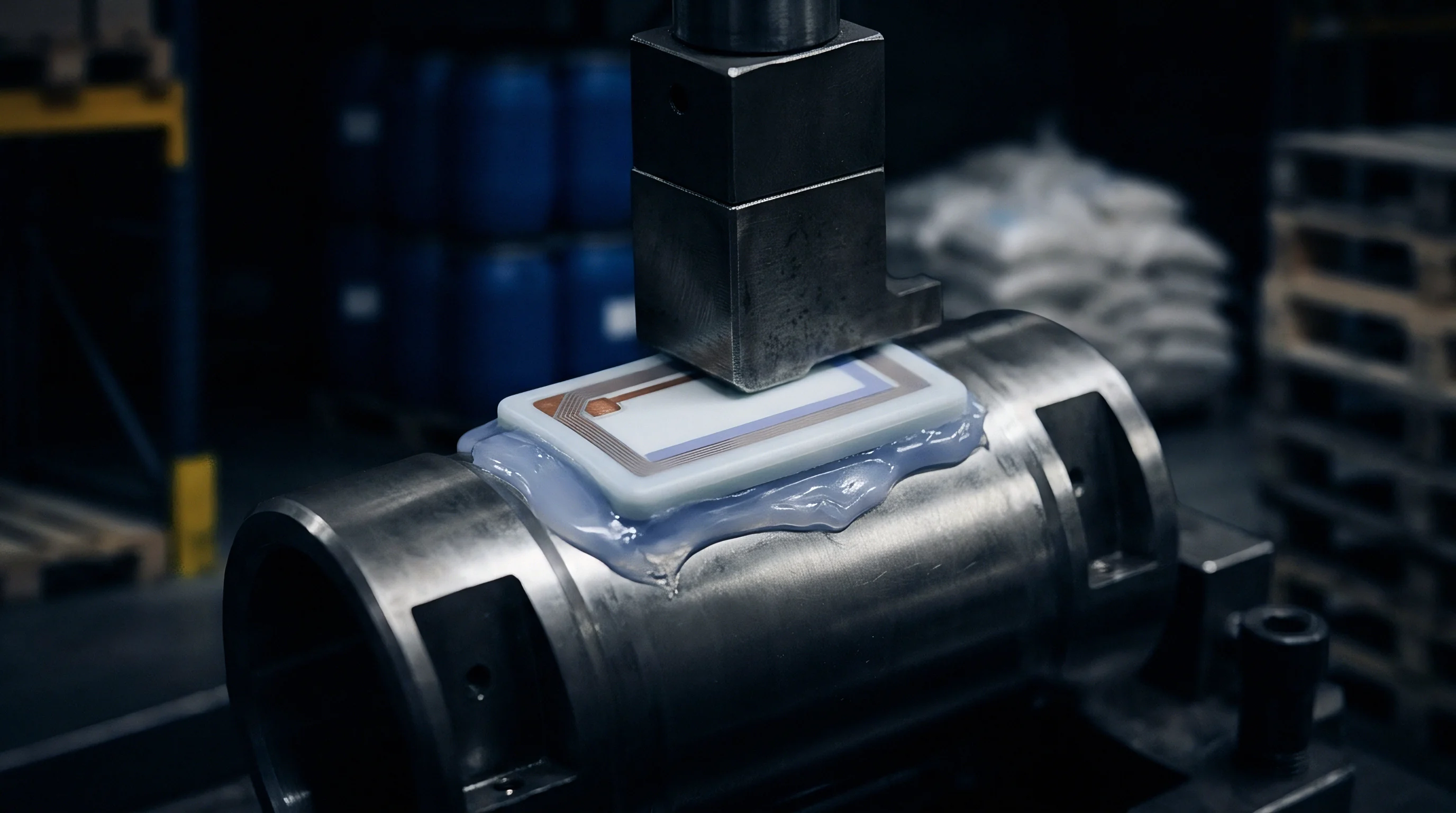
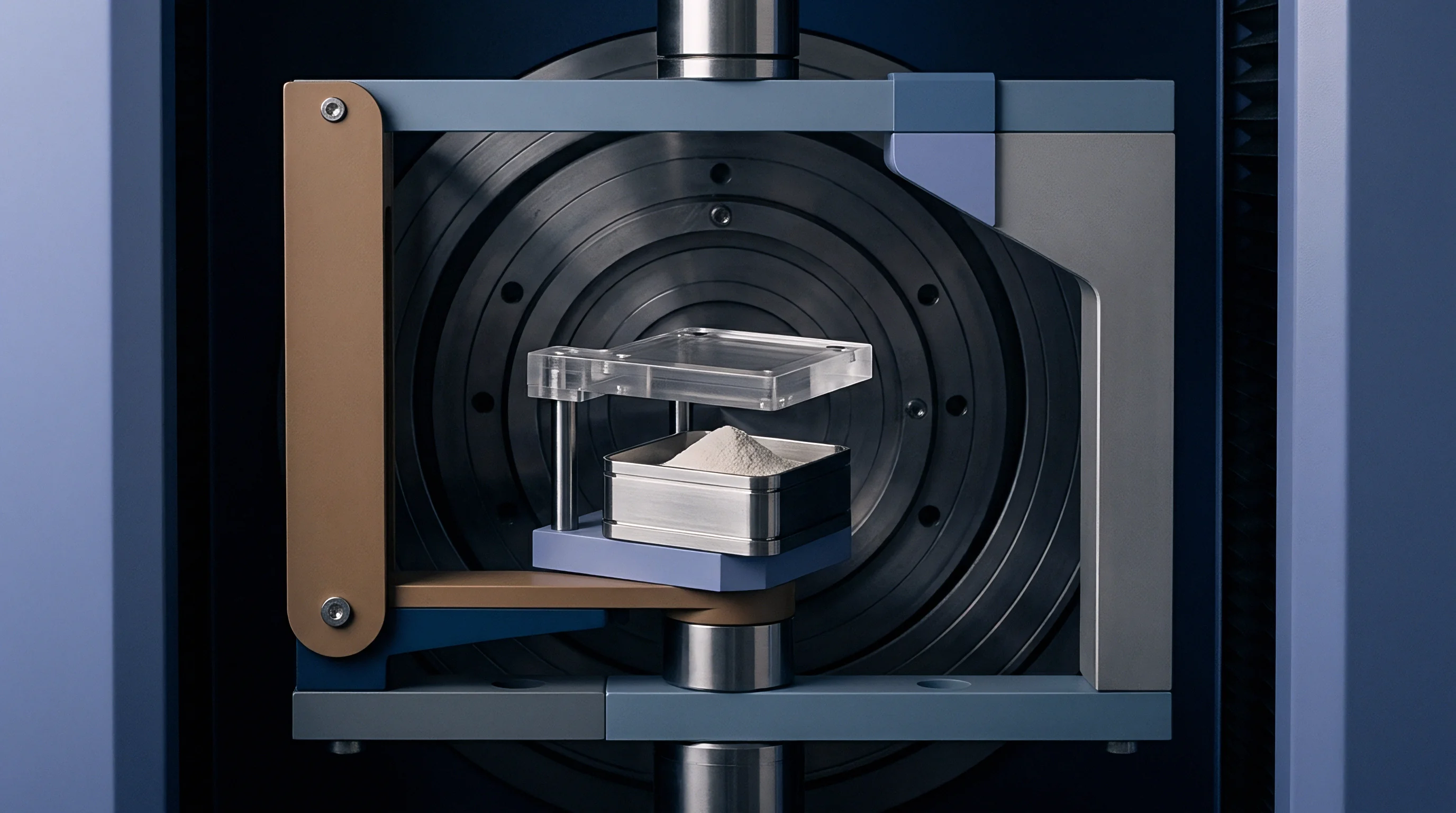
Chamber
Coulometric analytical instruments isolate volatile species from solid resin granules through controlled thermal desorption. In trace moisture determination of polycondensate resins such as polyethylene terephthalate, polybutylene terephthalate, and polylactic acid, sample heating occurs inside a sealed quartz tube purged by an inert carrier gas. As temperature approaches or exceeds the polymer melting point, sorbed moisture desorbs into the gas stream and enters an electrolytic titration cell.
Titration proceeds via quantitative oxidation of sulfur dioxide by iodine generated coulometrically at the anode according to Karl Fischer stoichiometry.
Standard analytical setups face severe distortion when testing polyester grades containing residual polymerization catalysts. Antimony trioxide, titanium alkoxides, and organotin compounds embedded in the polymer matrix remain catalytically active at standard desorption temperatures ranging from 160°C to 280°C. When heated, these catalysts drive secondary transesterification and ester cleavage reactions within the solid or semi-molten pellet matrix. The primary reaction product of ester thermal cleavage is water, while secondary alcohol exchange liberates free glycols such as ethylene glycol or 1,4-butanediol into the sweeping carrier gas.
Resin drying temperatures above the glass transition point initiate catalyst-mediated polymer chain cleavage long before moisture reaches equilibrium.
When nitrogen carrier gas enters the heating tube, dynamic gas flow sweeps desorbed volatiles directly into the titration vessel. Standard coulometric cell geometries maintain a fixed carrier gas flow rate between 100 and 150 milliliters per minute. Under static carrier gas flow, volatile glycols generated via catalyst-mediated transesterification reach the anode compartment alongside moisture.
Ethylene glycol reacts directly with Karl Fischer reagent components, consuming iodine and registering as false moisture content.

Micro-Vaporization Cell Architecture and Gas Flow
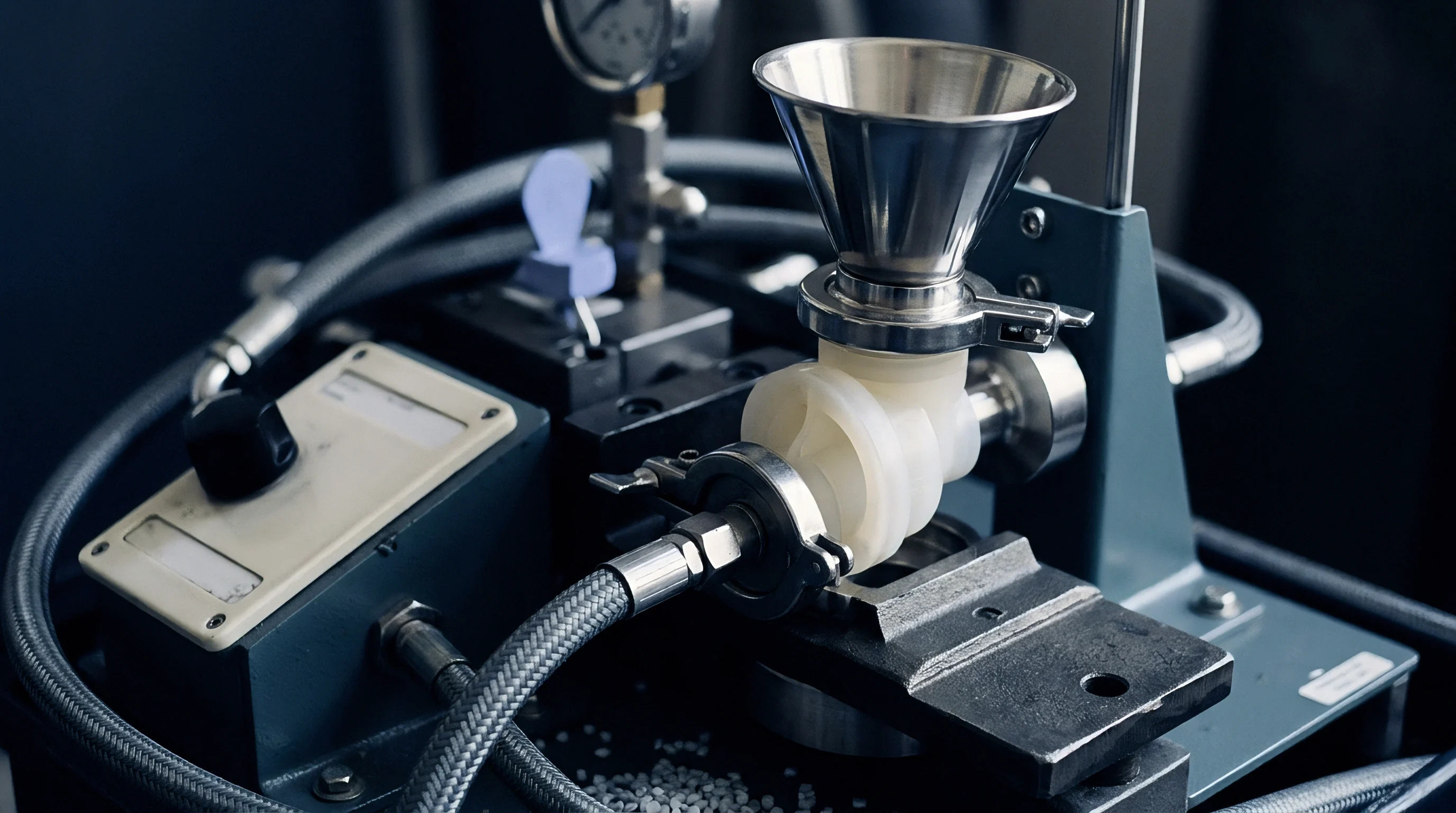
Analytical cell construction dictates local gas dynamics and heating efficiency during thermal desorption. Quartz vaporization chambers utilize micro-bore heating zones surrounded by spiraled resistive heating elements to maintain uniform spatial temperature profiles across the sample boat. Gas entry ports inject carrier gas at high linear velocities directly over the sample container.
Poor gas distribution inside the tube allows volatile reaction products to recirculate, extending residence time over the hot resin surface and accelerating secondary transesterification.
- Gas Seal Leakage introduces ambient moisture into carrier gas streams, creating positive baseline drift that masks kinetic transesterification signals during trace moisture analysis.
- Condensate Deposition on cold quartz tube exits traps volatile glycol intermediates, causing erratic delayed titrator responses across sequential sample runs.
- Ceramic Frit Contamination by volatile polymer oligomers restricts carrier gas flow, altering cell operating pressure and shifting coulometric cell calibration factors.
- Thermal Gradient Asymmetry across sample boats generates local hot spots that ignite non-linear thermal degradation pathways prior to full volumetric sample desorption.
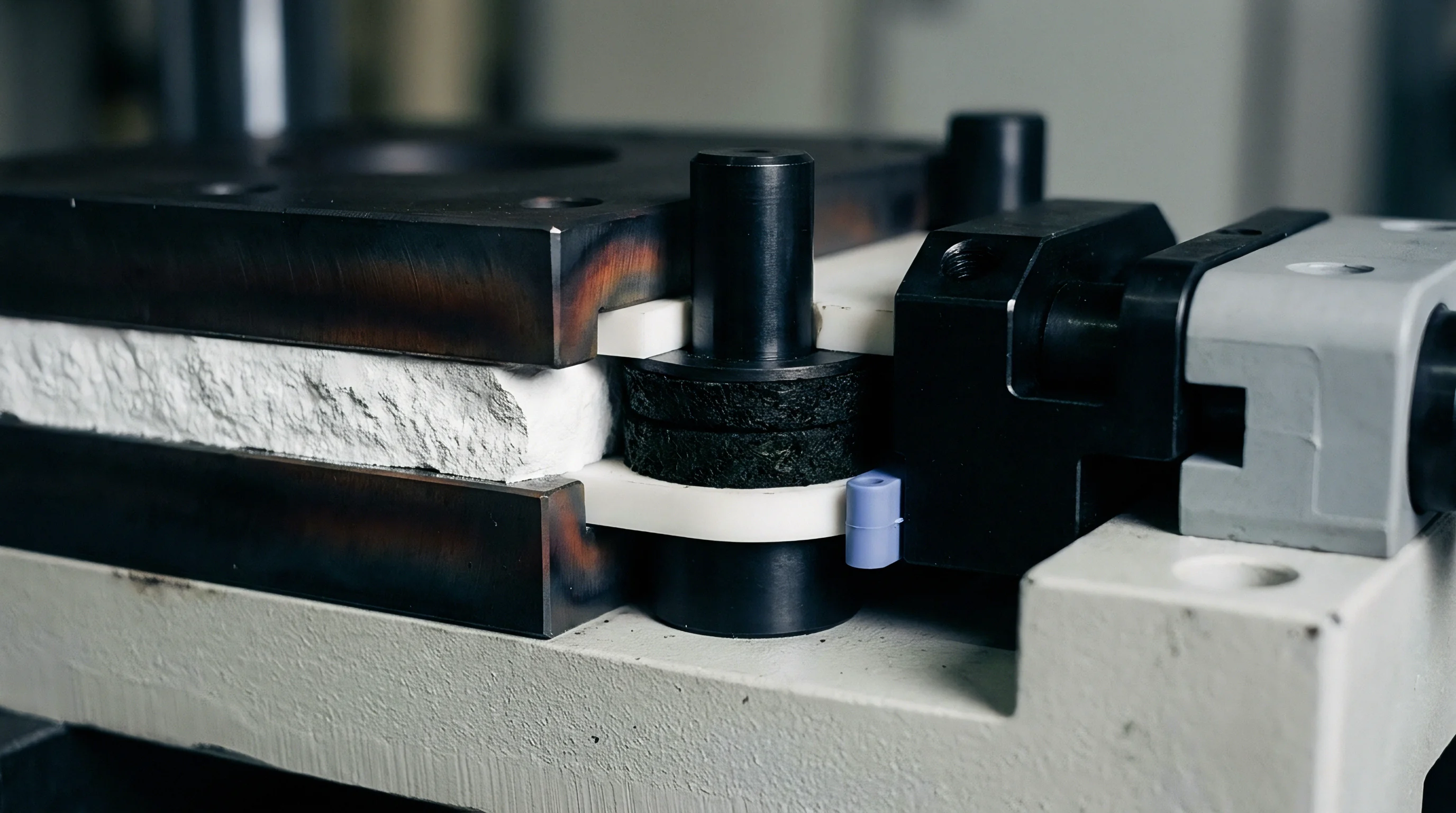
Sample Thermal Injection and Quartz Cell Seals
Granular polycondensates undergo rapid heating within an inert enclosure to drive off trapped sorbed species. Sample injection mechanisms must minimize ambient atmosphere ingress during insertion. Automated glass-sealed shuttle systems maintain positive inert gas pressure during sample loading, protecting the carrier gas circuit from moisture spikes.
Standard silicon-septum entry points degrade under repeated thermal exposure, releasing trace volatile siloxanes that interfere with coulometric cell anodes. High-grade fluoropolymer or precision ground glass seals preserve system integrity during high-temperature vaporization runs.
Resin suppliers frequently attribute inconsistent analytical moisture baseline readings to ambient atmospheric humidity absorption during sampling rather than addressing internal thermal ester breakdown.

Exchange
Residual polymerization catalysts remain active inside solid resin matrixes well above the glass transition point. Transesterification kinetics during analytical thermal desorption exhibit non-linear behavior driven by temperature, residual metal catalyst species, and available hydroxyl end-group concentrations. At temperatures exceeding 200°C, the reaction kinetic rate constant accelerates exponentially according to Arrhenius relationships, as secondary transesterification consumes polymer ester linkages and hydroxyl terminals, releasing free volatile glycols and generating internal anhydride or cyclic ester species.
Thermodynamic Activation of Residual Organometallic Catalysts
Transesterification processes in polycondensates like polyethylene terephthalate require specific thermal energy thresholds to break ester bonds. Titanium alkoxide catalysts display higher catalytic activity per mole of metal than traditional antimony trioxide systems, lowering the activation energy for ester interchange from approximately 140 kilojoules per mole to under 90 kilojoules per mole. Consequently, resin grades synthesized using titanium catalyst packages exhibit significant transesterification kinetics at lower vaporization temperatures.
Coulometric titration cell anodes detect volatile glycols through parasitic oxidation reactions that consume iodine. A single molecule of liberated ethylene glycol undergoing complete electrochemical oxidation can consume iodine equivalent to multiple water molecules, massively distorting calculated moisture figures.
A titanium catalyst concentration of 15 parts per million in PBT resin lowers transesterification onset temperature by 35°C during Karl Fischer vaporization analysis ISO 15512 Method B2 at 230°C.
In solid-state resin conditioning and analytical testing, transesterification rate models follow non-linear differential equations where reaction velocity depends on instantaneous local glycol concentration and catalyst oxidation state. The table below outlines kinetic activation parameters and side-product yields across major catalyst systems evaluated under standard analytical thermal vaporization conditions.
| Catalyst System | Concentration (ppm) | Test Temp (°C) | Activation Energy (kJ/mol) | Apparent Rate Constant (1/s) | Glycol Evolution Rate (µg/g·min) |
|---|---|---|---|---|---|
| Antimony Trioxide (Sb2O3) | 250 | 260 | 138.5 | 2.4 x 10^-4 | 1.2 |
| Titanium Alkoxide (Ti-Alk) | 18 | 230 | 88.2 | 8.1 x 10^-4 | 4.5 |
| Zinc Acetate (Zn-Ace) | 110 | 240 | 112.0 | 4.7 x 10^-4 | 2.8 |
| Organotin Halide (Sn-Org) | 45 | 220 | 94.6 | 6.3 x 10^-4 | 3.9 |
| Data measured under continuous dry nitrogen carrier flow of 150 mL/min using coulometric Karl Fischer vaporization cell ISO 15512. | |||||
Volatile Species Generation during Thermal Desorption
Thermal cleavage of polymer end groups liberates low molecular weight alcohol and glycol fragments into the gas stream. In polybutylene terephthalate engineering resins, thermal ester interchange generates tetrahydrofuran alongside 1,4-butanediol via cyclization mechanisms. Tetrahydrofuran passes through the Karl Fischer cell without iodine consumption, whereas free 1,4-butanediol reacts directly with the Karl Fischer reagent anode chemistry.
Distinguishing between physical water desorption and chemical water/glycol evolution requires precise kinetic resolution during the analytical heating ramp.
Misinterpreting ester interchange side-products as sorbed water leads compounders to over-dry resin lots, degrading intrinsic viscosity and increasing thermal energy expenditures.

Drift
Modulating carrier gas velocity across the sample heating zone provides a physical method to decouple mass transport rate from reaction rate. Under constant carrier gas flow rates, volatile ester interchange products accumulate in the gas phase above the sample, establishing pseudo-equilibrium conditions that sustain continuous side-reactions. Implementing dynamic carrier gas gradients, where flow rate ramps rapidly during initial heating before stabilizing, alters volatile partial pressure gradients within the quartz vaporization chamber.
Dynamic flow acceleration increases the mass transfer coefficient for surface desorbed moisture while minimizing gas phase residence time for heavy glycol vapors. Rapid evacuation of evolved species reduces the kinetic window for secondary gas phase transesterification reactions, suppressing parasitic iodine consumption inside the coulometric cell.

Which Carrier Gas Velocity Minimizes Secondary Ester Interchange?
Sweeping carrier flow rates above 300 milliliters per minute reduces gas phase residence time, preventing secondary gas phase reactions. However, excessively high carrier gas flow rates introduce cooling effects within the quartz tube, creating thermal lags in the polymer sample and inducing turbulent baseline instability inside the coulometric titration vessel. Experimental optimization balances gas sweep efficiency against titration cell electrochemical response limits.
- Purge the coulometric titration cell with high-purity nitrogen gas at 100 milliliters per minute until background drift drops below 5 micrograms of water per minute.
- Ramp carrier gas flow rate linearly from 100 to 350 milliliters per minute over a 90-second heating window as the sample boat enters the furnace zone.
- Maintain maximum carrier flow rate during the primary moisture evolution peak to rapidly sweep water vapor into the titration vessel.
- Step carrier flow rate down to 150 milliliters per minute once moisture evolution drops below 20 percent of peak signal, preventing reagent depletion from gas turbulence.
- Calculate corrected moisture content by subtracting baseline drift integration derived from dynamic carrier gas velocity profiles.
Dynamic carrier gas velocity modulation separates rapid physical moisture desorption from slow catalyst-driven kinetic ester cleavage during thermal analysis.
Coulometric Titration Anode Response and Baseline Correction
Ester interchange reactions generate non-water volatiles like ethylene glycol, which alter Karl Fischer reagent stoichiometry. Evolved glycols absorb into the alcohol-based Karl Fischer anode solvent, competing with water for sulfur dioxide and base complexes. Over multiple analytical cycles, glycol accumulation alters reagent viscosity and reduces iodine generation stoichiometry efficiency.
Real-time monitoring of coulometric titration current profiles reveals secondary peak broadening indicative of kinetic glycol interference.
Continuous monitoring of current consumption slope allows mathematical isolation of the initial sharp moisture peak from the broad, tailing kinetic signal caused by transesterification side-products. Automated titrators equipped with kinetic curve differentiation algorithms isolate physical moisture values without requiring chemical additives to neutralize residual catalysts.
Whether high-velocity carrier gas gradients fully eliminate surface-catalyzed transesterification or merely dilute the evolved glycol concentration below titrator detection limits remains a subject of ongoing experimental investigation.


Audit
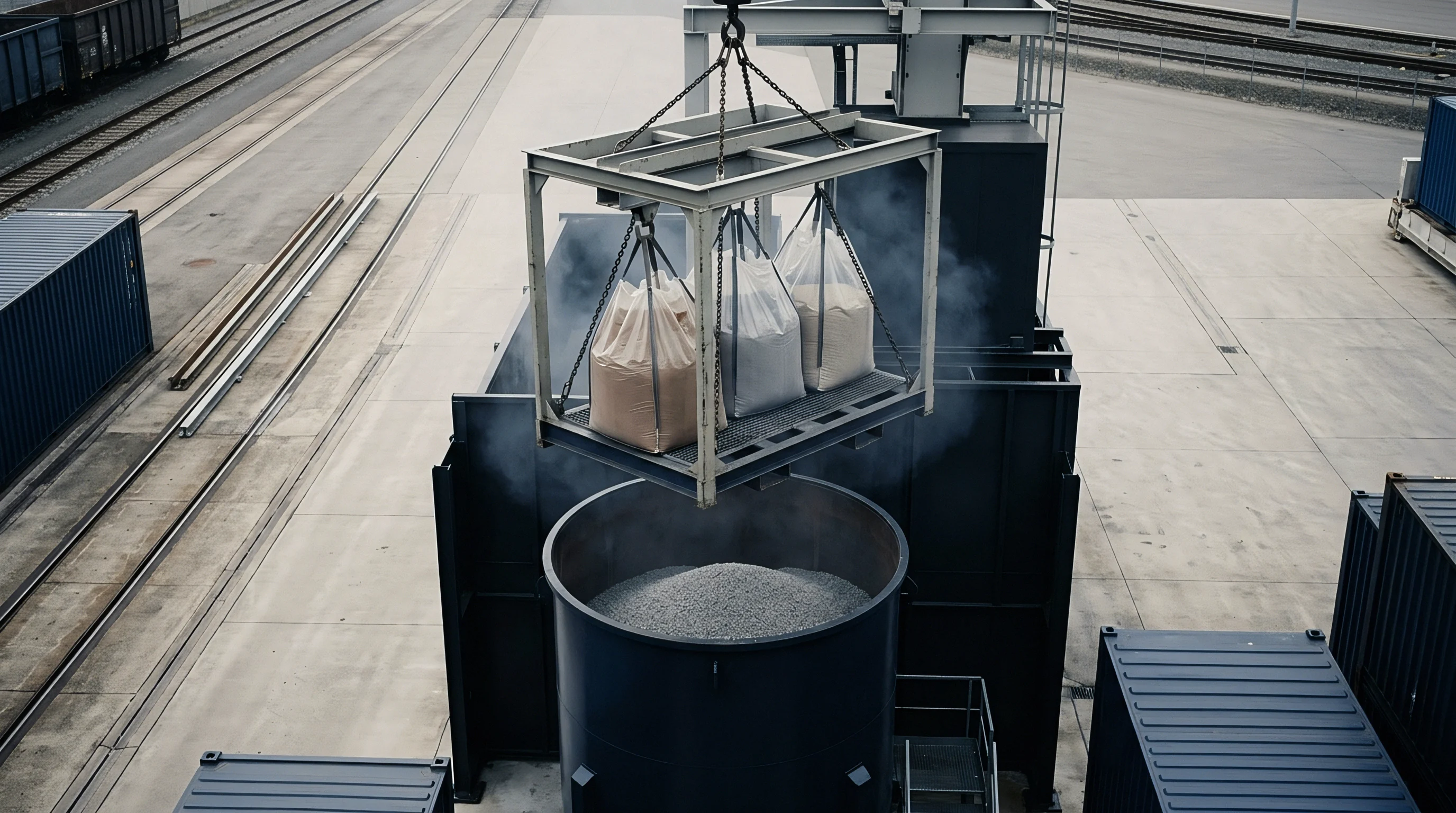
Incoming quality control laboratories specify exact testing parameters to verify resin compliance before silo offloading. Moisture analysis of moisture-sensitive polyesters dictates strict adherence to standard testing methodologies. When qualifying incoming raw material railcars or octabins, incoming inspection protocols must distinguish between actual moisture content and false readings driven by catalyst-mediated thermal decomposition during test execution.
Contractual specifications mandating ISO 15512 Method B2 moisture verification must define carrier gas velocity and furnace temperature limits to prevent rejection disputes caused by catalyst activation.
Setting the vaporization temperature too high in an effort to shorten analysis time triggers rapid transesterification in titanium-catalyzed resins, causing false high moisture readings that lead to unwarranted lot rejections. Conversely, setting the temperature too low leaves bound moisture trapped within crystalline resin domains, yielding false low readings that lead to hydrolytic processing degradation during compounding or injection molding.

ISO 15512 and ASTM D6869 Method Qualification
Standard test procedures dictate carrier gas purity, oven temperature ranges, and sample mass constraints. ISO 15512 Method B2 specifies water vaporization via a carrier gas furnace coupled to a coulometric Karl Fischer titrator. ASTM D6869 provides guidance for plastic resin moisture determination using gas carrier vaporization systems.
Neither standard explicitly accounts for non-linear kinetic transesterification interference caused by modern high-efficiency titanium or tin catalyst residues.
- Furnace Temperature Limits must be validated per resin grade by conducting temperature-step trials between 160°C and 260°C to identify kinetic transesterification onset thresholds.
- Carrier Gas Dryness Standards require nitrogen gas supply dew points below minus 60°C to prevent carrier line moisture contamination from skewing drift calculations.
- Sample Mass Optimization requires balancing signal-to-noise ratio against thermal transfer lag within the quartz vaporization tube.
- Reagent Solvent Replacement Intervals must be tied to cumulative sample throughput to prevent glycol accumulation from degrading coulometric anode efficiency.
Batch Acceptance Sampling and Lab Verification Protocols
Representative sampling from top, middle, and bottom seal layers of railcars ensures consistent test samples. Moisture sampling bags made of aluminum foil laminate isolate pellets from atmospheric moisture during transit to the laboratory. Plastic polyethylene bags allow ambient water vapor diffusion, altering surface moisture content within hours of sampling.
Laboratory procedures mandate immediate testing or sealed storage in desiccant containers.
Inclusion of ISO 15512 Method B2 verification clauses with specified carrier gas velocity in raw material supply contracts shifts financial liability for off-spec moisture degradation back to the resin producer.

Tariff
Commercial classifications under Harmonized System commodity codes fix import duty rates based on intrinsic polymer structure and catalyst residue levels. Polyethylene terephthalate imports fall under HS Code 3907.61 for PET having an intrinsic viscosity of 78 milliliters per gram or higher, carrying specific duty lines across international borders. Disputing resin specification compliance based on faulty analytical moisture testing exposes buyers to severe landed-cost penalties, scrap charges, and customs classification challenges.
When an imported resin lot fails incoming moisture verification due to catalyst-induced transesterification artifacts, buyers face immediate commercial decisions. Rejecting a 100-tonne railcar shipment based on false moisture metrics triggers demurrage fees, freight return costs, and production line downtime. Processing off-spec resin with high true moisture content causes severe hydrolytic chain scission during extrusion, reducing molecular weight and destroying mechanical properties in finished parts.

HS Code Classification and Material Specification Spread
Polyester resins entering import terminals undergo regulatory verification to match customs declaration descriptions. Specialty engineering polyesters containing high titanium catalyst loads or complex copolymer modifications carry higher base resin costs and specific tariff line duties compared to standard commodity bottle-grade PET. Customs audits reclassify improperly documented resin grades based on intrinsic viscosity and chemical composition, levying retrospective duty adjustments and penalizing misreported shipments.
| Resin Grade Type | HS Code Line | Base Duty Rate (%) | Off-Spec False Moisture Rejection Rate (%) | Demurrage Penalty ($/tonne) | Net Landed Cost Impact ($/tonne) |
|---|---|---|---|---|---|
| Bottle Grade PET (IV 0.80) | 3907.61.00 | 6.5 | 2.1 | 45.00 | 82.50 |
| Engineering Grade PBT | 3907.99.00 | 6.5 | 5.4 | 65.00 | 185.00 |
| Bio-Based PLA Compound | 3913.90.00 | 5.0 | 8.2 | 80.00 | 260.00 |
| Recycled PET Pellets (rPET) | 3907.69.00 | 6.5 | 11.5 | 50.00 | 310.00 |

Landed Cost Arithmetic and Off-Spec Scrap Penalties
Delivered resin prices reflect base pellet costs, ocean freight, customs duties, and incoming rejection risks. Consider a purchasing contract for 100 tonnes of PBT resin at a landed cost of 2,800 USD per tonne. False moisture readings driven by uncorrected transesterification during quality control testing cause unwarranted lot rejection.
Freight demurrage charges accrue at 65 USD per tonne during dispute settlement, alongside laboratory re-testing costs and compounding downtime. If uncorrected analytical methods allow high-moisture resin into production, extrusion scrap rates rise from a baseline 1.5 percent to over 8.0 percent, adding 182 USD per tonne in direct material losses.
A buyer who verifies catalyst activity during trace moisture testing protects compounding margins far better than a buyer who relies solely on manufacturer datasheets.