Meaning
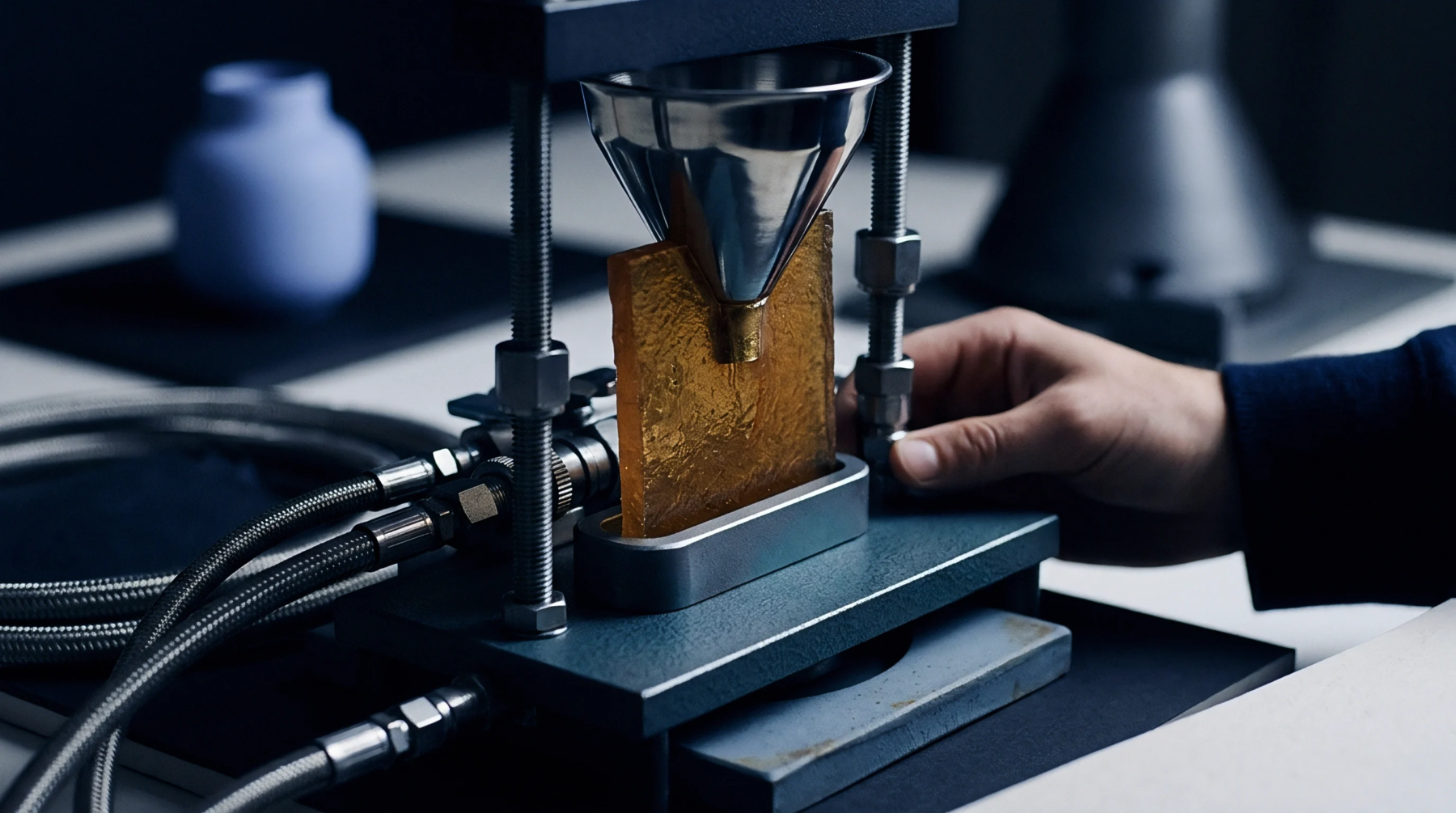
Absolute moisture quantification determines polymer dryness through electrolysis of water collected from a heated sample chamber. Coulometric titration measures water content down to parts per million levels by generating iodine electrochemically inside a closed titration cell until the reaction reaches an electrical endpoint. Hydration state dictates processing behavior during injection moulding because moisture reacts with molten polyester or polyamide chains through hydrolytic degradation.
Extrusion lines running wet feedstock suffer from molecular weight reduction, leading to melt fracture, void formation, and loss of tensile strength in finished components. Polyethylene and polypropylene tolerate higher ambient humidity during pellet feeding, whereas engineering thermoplastics require strict desiccant drying before entering the feed throat.
Moisture Threshold
Material specifications define maximum allowable water limits for virgin resin pellets prior to processing, while part specifications govern the structural integrity of the moulded article. Resin suppliers publish datasheet values measured under laboratory conditions, but shop floor humidity alters the actual moisture uptake of pellets exposed to ambient air. Processors must establish lower moisture ceilings for precision medical housings than for thick walled industrial brackets because small voids ruin thin geometries.
Recycled regrind absorbs humidity faster than virgin polymer due to increased surface area and prior thermal history, requiring tighter control over drying cycle times. Operators set the hopper dryer temperature according to resin glass transition points, avoiding thermal crosslinking while driving bound water out of the pellet cores.
Electrochemical Yield
Absolute iodine generation follows Faraday law of electrolysis, where every electron passed through the circuit corresponds to a specific mass of water consumed in the Karl Fischer reaction. Electrical current passing through the anode produces iodine that reacts quantitatively with sulfur dioxide and water in the presence of a base. Modern titration instruments monitor the electrical potential across dual platinum indicator electrodes to detect excess unreacted iodine and halt the current generation.
Drift compensation algorithms subtract atmospheric moisture entering through septa and syringes from the total integration curve, isolating the water mass originating solely from the polymer sample. Calibration checks use standard water in methanol solutions or weighed sodium tartrate dihydrate crystals to verify conversion efficiency before testing production batches.
Thermal Release
Evaporation ovens heat polymer samples in a sealed nitrogen stream to drive off bound moisture without inducing thermal decomposition of the surrounding matrix. High temperature settings release surface water rapidly from amorphous resins, but crystalline polymers require prolonged heating profiles to liberate moisture trapped within crystalline lamellae. Inadequate oven temperature yields false low readings, causing processors to release wet material into injection barrels where polymer chain scission occurs under high shear.
Excess heat causes volatile plasticizer migration or thermal degradation products to reach the titration cell, falsely elevating the measured water value through interfering side reactions. Testing frequency increases during humid summer months to catch seasonal variations in regrind handling before degraded parts reach customers.