Meaning
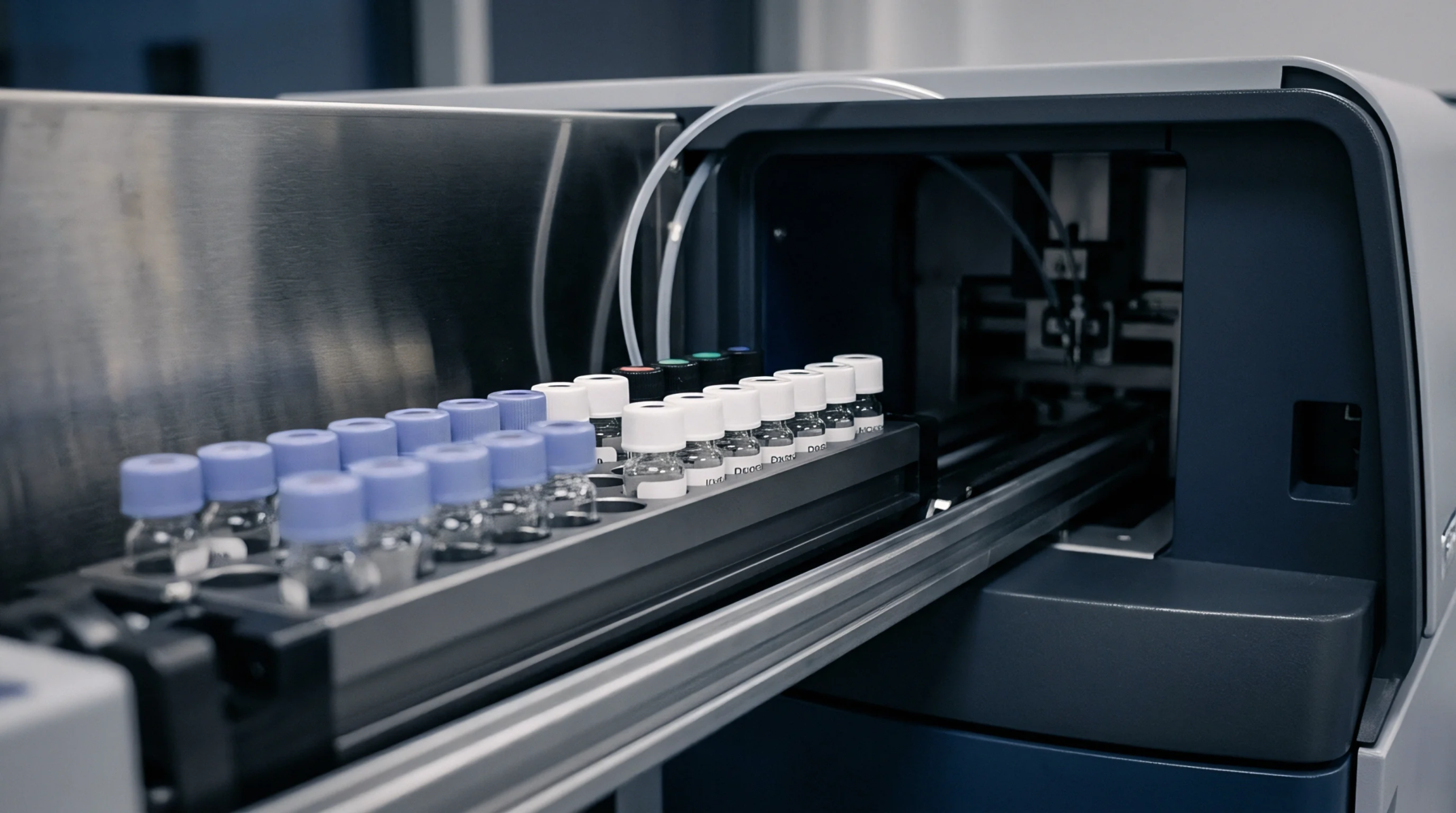
Coulometric Karl Fischer titration defines this analytical protocol for measuring trace moisture in plastic materials. The method determines the absolute water content within a polymer matrix by oxidizing sulfur dioxide through the addition of iodine until the stoichiometry reaches equilibrium. Testing protocols within astm d6869 apply specifically to resins where low levels of water induce degradation during high temperature processing.
Producers utilize this technique to confirm that raw materials meet strict dryness requirements before feeding pellets into an injection or extrusion line. It provides a quantification of moisture presence which dictates the stability of the melt flow index and the resulting mechanical performance of the final moulded component. Measurements stop at the point where the electrolytic current consumption drops to a stable baseline level.
Moisture Kinetics
Thermodynamic equilibrium governs the rate at which water releases from a solid polymer sample inside the heating chamber. The procedure for astm d6869 requires a precise temperature selection based on the degradation profile of the resin to ensure that water evolves without decomposing the polymer chains themselves. A carrier gas moves the vaporized moisture into the titration cell where the chemical reaction happens.
Variations in the particle size or shape influence the time required for the sample to reach full dehydration. Moulders check the moisture content at the throat of the press because even a small increase in water presence changes the viscosity of the melt. Excessive internal pressure from steam bubbles leads to splay, voiding, or structural weakness in the finished part.
Proper calibration prevents the overestimation of water mass due to polymer additives.
Resin Specification
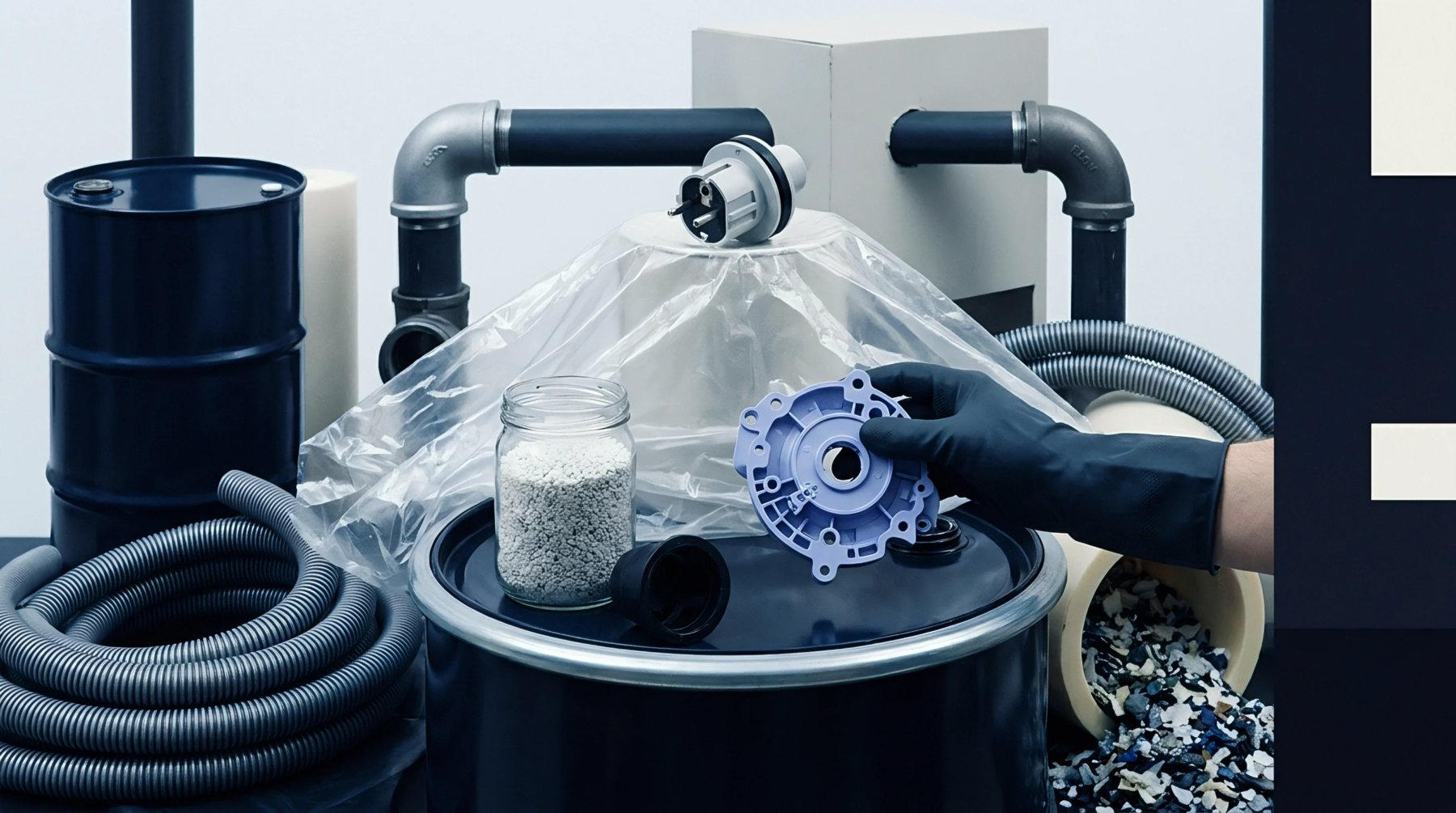
Material suppliers include these analytical values on technical data sheets to define the moisture threshold for a grade before it exits the production facility. Compliance with astm d6869 establishes a benchmark for quality control in the supply chain between resin manufacturers and parts fabricators. Virgin resin typically shows a lower baseline moisture value than recycled or regrind material because processing history creates surface defects that trap atmospheric water.
Moulders use this standard to verify that the drying equipment performs as expected throughout a production run. Differences between the value measured at the supplier site and the value measured at the press highlight the efficiency of the material handling systems. A standard provides the necessary confidence that the polymer will process without chemical breakdown or hydrolysis in the barrel.
Economic Impact
Cost control links directly to the accuracy of moisture testing since unnecessary drying cycles consume significant energy. High moisture levels force the reduction of throughput to accommodate longer drying times or lower machine settings to prevent material burn. Adopting astm d6869 reduces the frequency of part rejection caused by internal porosity or surface blemishes that result from trapped water.
Consistent data allows for the safe integration of regrind into production lines without compromising the physical integrity of the part. Each failure to monitor moisture levels correctly increases the risk of product recalls or field failures that damage the reputation of the manufacturer. Stable measurements facilitate the optimization of processing parameters and minimize the waste generated during long production cycles.
This standard dictates the tolerance for water content in industrial polymer applications.