Karl Fischer Moisture Measurement for Bio Based Polyesters
Coulometric Karl Fischer titration with thermal desorption oven extraction measures true ppm moisture in bio-polyesters without volatile loss interference.
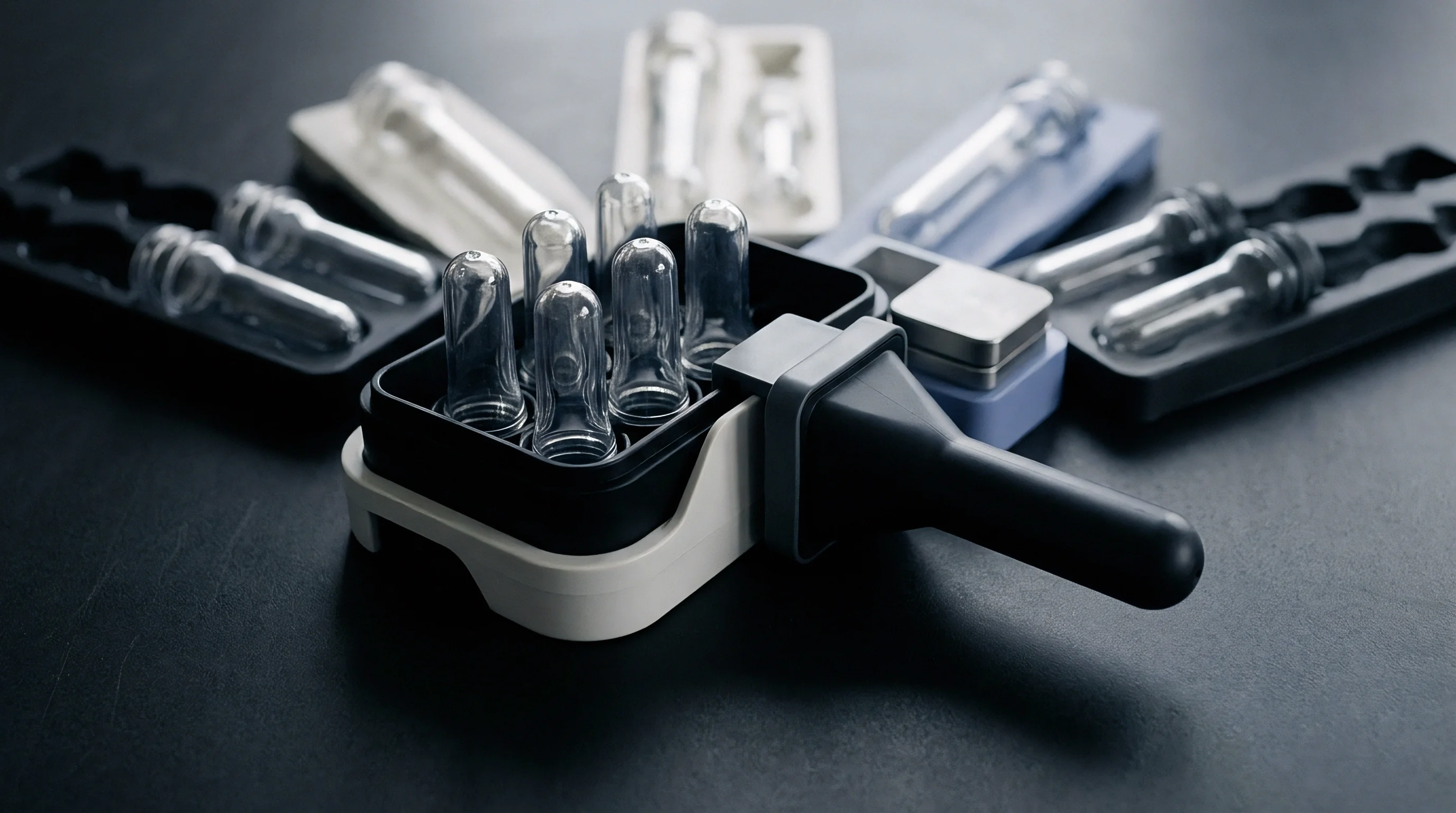
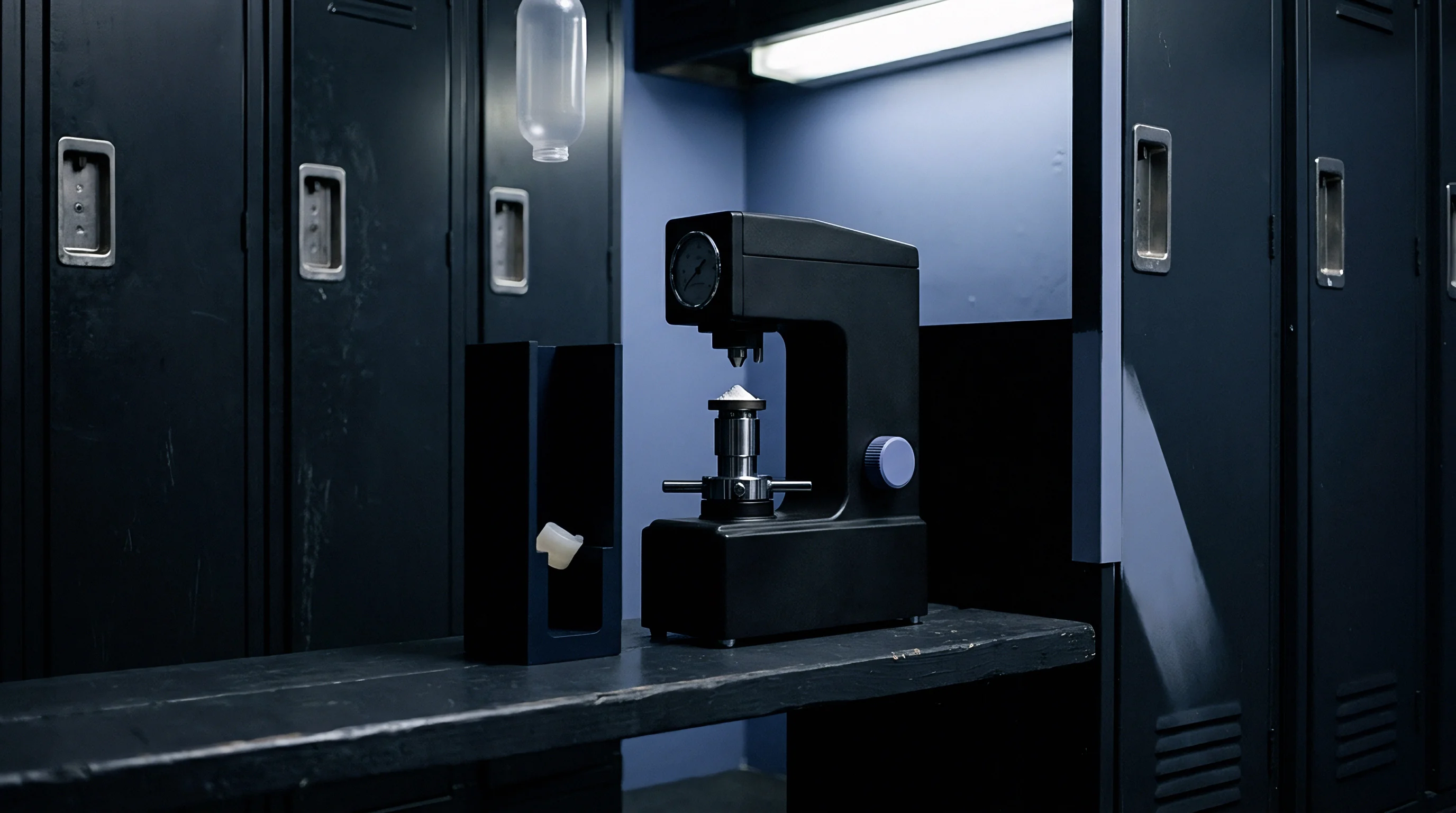
Cleavage
Polymer chains containing aliphatic ester bonds undergo catastrophic molecular weight loss when processed in the presence of trace moisture. At injection moulding temperatures between 180 and 220 degrees Celsius, each water molecule reacts with an ester linkage to split the polymer chain, generating one carboxylic acid end group and one hydroxyl group. This autocatalytic breakdown accelerates as newly formed carboxylic acid groups act as proton donors for further ester cleavage.
Polybutylene adipate terephthalate, polylactic acid, and polyhydroxyalkanoates exhibit this degradation within seconds of entering a heated barrel. Excess moisture destroys melt strength. In a 20-tonne production run, unmeasured water turns structural bio-polyester into brittle resin with erratic injection pressures and heavy flash.
Drying specifications for bio-based polyesters demand moisture contents below 200 parts per million, with high-performance film grades requiring levels below 50 parts per million. Standard gravimetric moisture balances fail here. When a halogen or infrared moisture analyzer heats a bio-polyester specimen to 120 or 150 degrees Celsius, the instrument records all mass loss as water.
Polylactic acid releases volatile lactide dimers and residual monomers alongside water molecules. Polybutylene succinate generates volatile oligomers, while polyhydroxybutyrate undergoes thermal decomposition above 160 degrees Celsius to yield crotonic acid. Gravimetric methods routinely overestimate moisture by 300 to 800 percent, inducing operators to over-dry pellets, deplete antioxidant stabilizers, and waste thousands of kilowatt-hours in desiccant regenerators.

Hydrolytic Susceptibility of Aliphatic Polyesters
Ester bond concentrations in aliphatic backbones exceed those found in aromatic polyesters like polyethylene terephthalate. The lower glass transition temperature of polylactic acid, resting near 58 degrees Celsius, permits rapid ambient water uptake into the amorphous domains of the pellet matrix. Polyhydroxyalkanoates demonstrate even higher moisture uptake kinetics depending on their valerate comonomer fraction.
Moisture promotes ester bond cleavage. Karl Fischer titration provides chemical specificity by coupling water consumption to a distinct electrochemical oxidation reaction, ignoring non-aqueous volatiles.
- Hydrolytic Scission targets the carbonyl carbon atom directly, cutting the primary chain and halving the average weight-average molecular mass within four minutes of melt exposure.
- Thermal Depolymerization unzips polymer chains from terminal hydroxyl groups, liberating cyclic monomers that distort gravimetric test results.
- Transesterification Side Reactions alter copolymer randomness when trace moisture plasticizes the polymer melt under high shear conditions.
Karl Fischer coulometry under ISO 15512 Method B2 establishes that drying polybutylene succinate to 120 parts per million prevents zero-shear melt viscosity collapse during thin-wall profile extrusion.
Loss on Drying Fails Bio Resins
Thermal desorption balances measure gross weight differentials during heating cycles. In bio-based aliphatic formulations, volatile plasticizers, slip agents, and unreacted monomers vaporize within the identical thermal window as surface and bound moisture. Lactide sublimes at elevated temperatures.
Heating polylactic acid to 130 degrees Celsius in a halogen analyzer strips cyclic dimers along with water. The balance records this combined mass drop as moisture content. An operator reading 0.08 percent moisture continues desiccant drying unnecessarily, leading to thermal degradation of thermal stabilizers.
Karl Fischer titration operates on the Bunsen reaction, wherein sulfur dioxide and iodine react stoichiometrically with water in the presence of an alcohol and an organic base. This titration counts only water molecules. Volatile organic compounds pass through the titration cell unconsumed when appropriate carrier gas conditions and reagents are selected.
The analytical specificity isolates true moisture content down to parts-per-million precision.
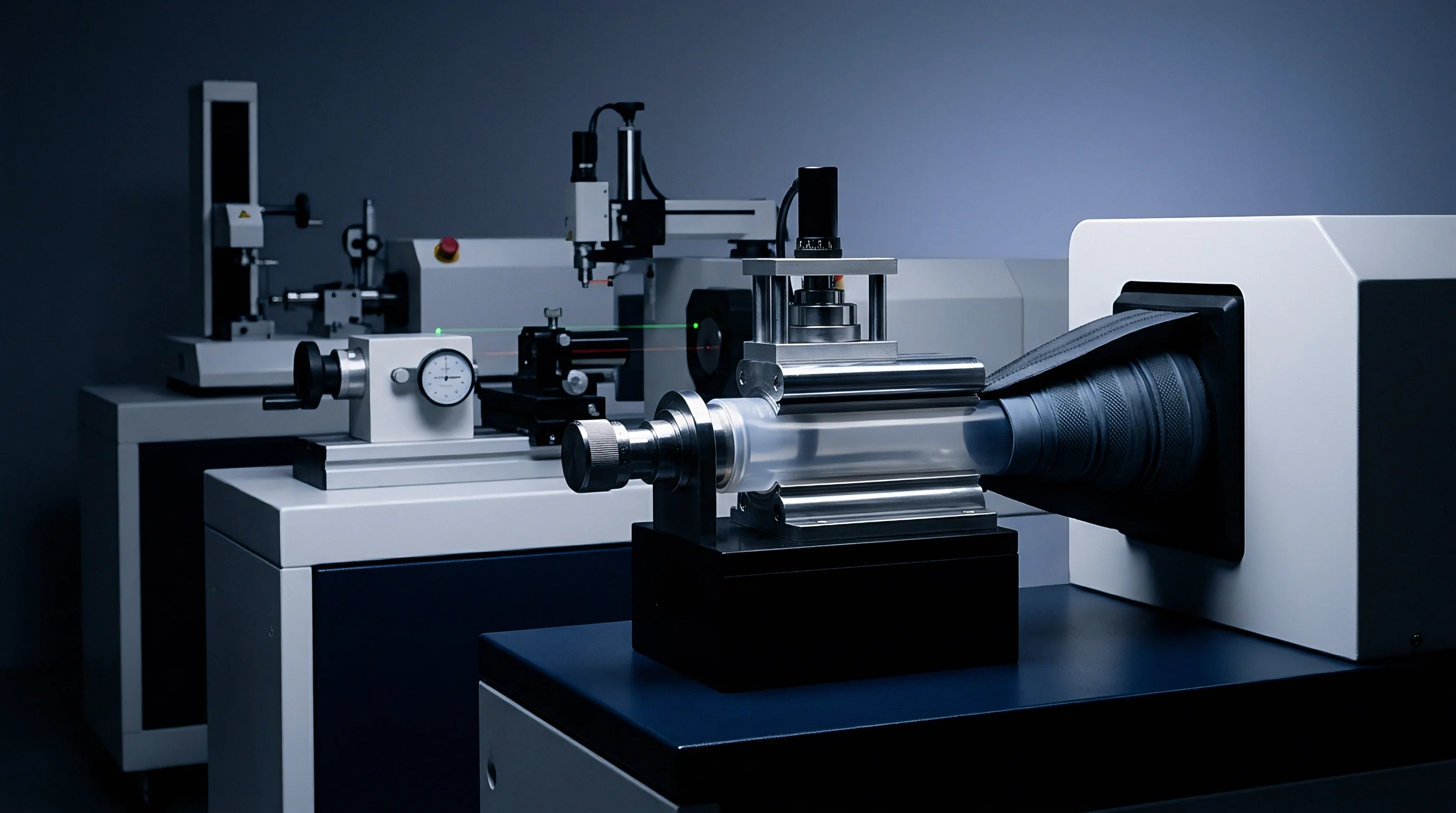
Melt Flow Surges from Residual Water
Water hydrolyzes ester linkages instantly. Every cleaving event doubles the number of polymer chain ends and decreases the entanglement density of the melt. This molecular scission drives an exponential increase in the melt flow rate measured under ISO 1133 conditions.
A polylactic acid grade specified at 8 grams per 10 minutes at 190 degrees Celsius with a 2.16-kilogram load will surge past 32 grams per 10 minutes when processed at 450 parts per million water content.
| Polymer Grade | Test Method | Nominal MFR (g/10 min) | Critical Moisture Limit (ppm) | Hydrolyzed MFR (g/10 min) |
|---|---|---|---|---|
| Poly(lactic acid) Injection Grade | ISO 1133 (190 °C, 2.16 kg) | 7.5 | 200 | 28.4 |
| Poly(butylene adipate-co-terephthalate) Film Grade | ISO 1133 (190 °C, 2.16 kg) | 3.2 | 300 | 14.1 |
| Poly(hydroxybutyrate-co-valerate) Moulding Grade | ISO 1133 (170 °C, 2.16 kg) | 12.0 | 100 | 46.5 |
| Poly(butylene succinate) Extrusion Grade | ISO 1133 (190 °C, 2.16 kg) | 1.8 | 150 | 9.6 |
| Poly(ethylene furanoate) Bottle Grade | ISO 1133 (260 °C, 2.16 kg) | 15.0 | 50 | 52.0 |
Processing resin above these established limits drops intrinsic viscosity below structural specifications, producing parts that crack during ambient storage and fail drop-impact testing at distribution centers.
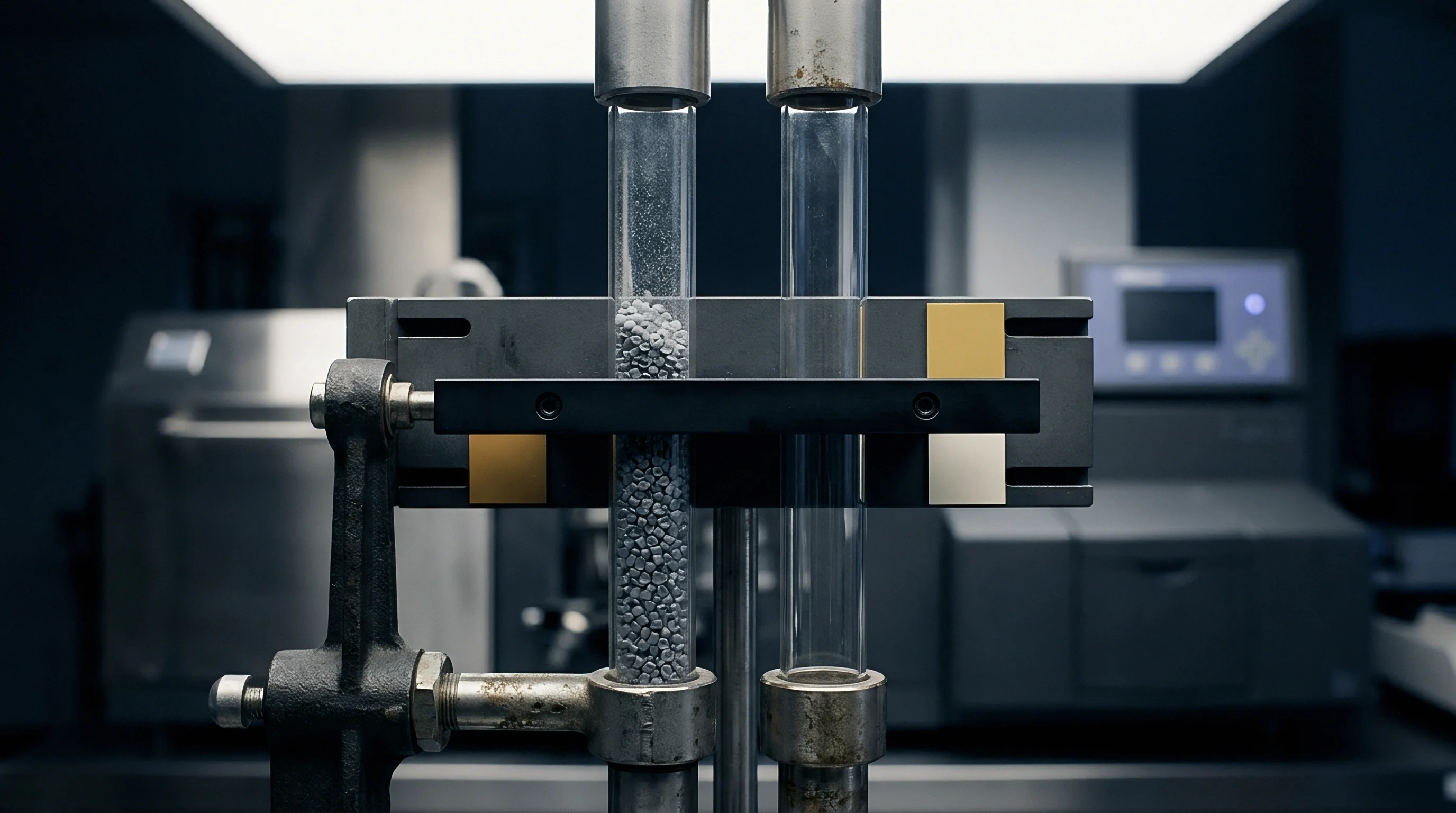
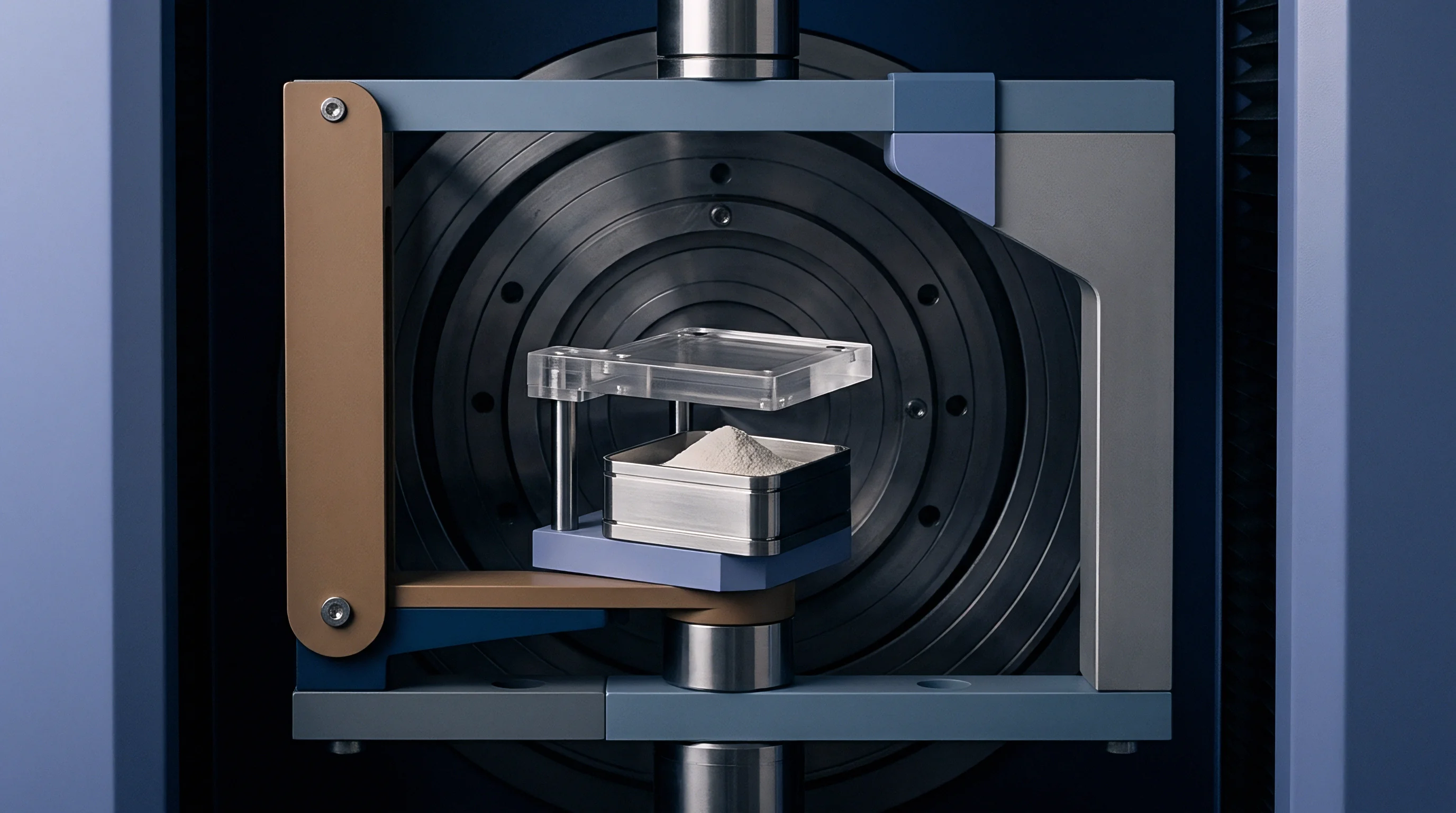
Oven
Direct injection of solid polyester pellets into a Karl Fischer titration cell fouls the working electrodes and exhausts the solvent mixture. Solid pellets fail to dissolve in methanol-based Karl Fischer reagents at room temperature, while aggressive chlorinated solvents like chloroform interfere with the electrochemical endpoint detection. The Karl Fischer drying oven overcomes this physical constraint by separating the heating zone from the titration cell.
Pellets absorb atmospheric vapor rapidly. An automated oven desorbs water from the sealed sample vial, transporting the vapor into the titration vessel via a dry carrier gas stream.
The system relies on strict pneumatic isolation. A stainless steel needle pierces the septum of a crimp-top glass vial pre-heated inside the oven manifold. High-purity dry nitrogen sweeps the headspace, carrying liberated moisture through a heated transfer line maintained at 110 degrees Celsius to prevent condensation.
The carrier gas bubbles directly into the anolyte solution of the titration cell. Dry nitrogen sweeps extracted vapor. Precision temperature control inside the heating block remains essential: excessive temperature induces thermal decomposition of the polyester backbone, releasing interfering organic species, while inadequate temperature fails to desorb deep-seated moisture bound inside crystalline lamellae.

Thermal Desorption Mechanics
Pellet dimensions dictate desorption kinetics. Moisture diffusion through a semicrystalline bio-polyester pellet follows Fickian dynamics governed by the diffusion coefficient of water in that specific matrix. Because polylactic acid and polybutylene succinate possess relatively low glass transition points, thermal desorption above their glass transition temperature mobilizes polymer chains, allowing internal moisture to migrate rapidly toward the pellet boundary.
Solid bio-polyester samples must never be ground in ambient air before testing, because the substantial frictional heat generated by grinding drives out moisture while the newly created surface area absorbs ambient humidity.
- Sample Preparation seals whole pellets immediately into dried borosilicate glass vials using aluminum crimp caps with PTFE-lined silicone septa, preventing moisture exchange during transport to the autosampler tray.
- Thermal Extraction heats the vial to a target temperature maintained at least 20 degrees Celsius below the thermal decomposition onset of the polymer backbone.
- Vapor Transfer routes the carrier gas through a dedicated heated line into the coulometric cell at a constant volumetric rate of 40 to 60 milliliters per minute.
- Titration Endpoint confirms complete moisture extraction when electrochemical consumption drops back to the steady-state baseline drift rate.
ASTM D6869 mandates maintaining an oven transfer line temperature at least 20 degrees Celsius above the vial extraction temperature to prevent moisture condensation along the transport path.
Is Coulometric Titration Reliable below Fifty PPM?
Coulometric detection measures tiny moisture quantities with extreme precision because it generates iodine by electrolytic oxidation of iodide ions at an platinum generator electrode. Faraday’s law governs the measurement: one mole of iodine corresponds to one mole of water, equivalent to 10.71 coulombs of electric charge per milligram of water. When analyzing bio-polyesters dried for film extrusion, moisture concentrations fall between 20 and 50 parts per million.
For a 2.0-gram sample containing 30 parts per million moisture, the absolute mass of extracted water equals 60 micrograms, translating to approximately 0.64 coulombs of generated current. Coulometry counts individual electrons directly.
Volumetric titration struggles at these low water masses. Delivering fractional microliters of an iodine titrant with a mechanical burette introduces unacceptable volumetric dispensing tolerances, where the droplet volume exceeds the total water mass present. Coulometric Karl Fischer instruments with oven desorbers measure moisture down to 1 microgram of absolute water, providing the accuracy required for high-grade biopolymer qualification.
Sample Mass and Extraction Temperatures
Thermal stability profiles dictate the maximum extraction temperature for each bio-polyester chemistry. Polyhydroxybutyrate presents the tightest thermal processing window among industrial bio-polyesters. Heating polyhydroxybutyrate pellets above 135 degrees Celsius triggers random chain scission, releasing crotonic acid, water of condensation, and volatile alkenes into the titration cell.
Polycaprolactone softens at sixty degrees. Setting the oven temperature too low prolongs the extraction cycle past 30 minutes, increasing baseline drift errors.
| Resin Type | Sample Mass (g) | Oven Temp (°C) | Decomposition Onset (°C) | Carrier Gas Flow (mL/min) | Target Extraction Time (min) |
|---|---|---|---|---|---|
| Polylactic Acid (PLA) | 1.5 to 2.5 | 150 | 210 | 50 | 8 to 12 |
| Polybutylene Adipate Terephthalate (PBAT) | 2.0 to 3.0 | 160 | 240 | 50 | 10 to 14 |
| Polyhydroxybutyrate-co-valerate (PHBV) | 1.0 to 2.0 | 120 | 165 | 40 | 12 to 18 |
| Polybutylene Succinate (PBS) | 2.0 to 3.0 | 130 | 200 | 50 | 10 to 15 |
| Polycaprolactone (PCL) | 2.5 to 3.5 | 100 | 170 | 40 | 15 to 20 |
Running oven extractions below the polymer decomposition onset prevents pyrolysis gas evolution and preserves electrochemical accuracy across multi-sample testing sequences.
Chemistry
Standard Karl Fischer reagents use methanol as the reactive alcohol solvent to form an intermediate alkyl sulfurous acid ester. This formulation functions reliably for polyolefins, but fails when analyzing aliphatic bio-polyesters. Thermal degradation produces interfering aldehydes.
When trace organic acids or terminal carboxyl groups from bio-based polyesters enter the titration cell, they undergo esterification with the solvent methanol, generating water as a reaction byproduct. This artificial water generation causes the instrument to consume iodine continuously, preventing the titration from reaching a stable endpoint.
Methanol reacts with free carboxyls. Esterification kinetics accelerate in the presence of acidic degradation fragments, such as lactic acid oligomers or succinic acid residues carried over from the oven desorption unit. To stop this side reaction, the testing laboratory replaces standard methanol-based anolytes with specialized alcohol formulations containing longer-chain alcohols such as ethanol, 1-propanol, or ethylene glycol monoethyl ether.
Keto reagents suppress side reactions. Specialized carbonyl-resistant and ester-stable reagents suppress the esterification velocity, ensuring that all quantified water originated within the resin pellet.
Esterification Side Reactions in Traditional Reagents
Terminal carboxyl groups exist on every bio-polyester chain. In polybutylene adipate terephthalate and polylactic acid, carboxylic acid end-group concentrations range from 15 to 60 milliequivalents per kilogram. If these end groups volatilize as short oligomers and bubble into a standard Karl Fischer cell containing methanol, they react directly with the solvent to yield an alkyl ester and water.
The Karl Fischer reaction consumes this newly formed water, misinterpreting it as resin moisture.
The rate of this parasitic esterification reaction exhibits a distinctive analytical signature: the titration drift rate never returns to baseline. Instead of flattening after moisture extraction ends, the signal stabilizes at an elevated, persistent plateau, adding tens of micrograms of false moisture to the measurement tally. Reagent formulations based on 2-methoxyethanol or propylene glycol suppress this equilibrium shift, eliminating water generation within the solvent cell.
- Methanol-Free Anolytes substitute long-chain alcohol matrices to inhibit esterification between carrier-borne carboxylic fragments and solvent molecules.
- Imidazole Buffers preserve optimal titration pH between 5.5 and 7.5, counteracting acidic gas carryover that retards iodine oxidation kinetics.
- Aldehyde-Suppression Additives bind trace formaldehyde and acetaldehyde degradation products, preventing the formation of interfering bisulfite addition complexes.

Diaphragm Cell Configuration
Coulometric titration cells come in two designs: cells with a porous ceramic diaphragm dividing the working anode and cathode compartments, and diaphragm-free cells. For bio-polyester analysis down to low moisture levels, diaphragm cells provide higher electrochemical stability. In a diaphragm-free cell, cathode reduction produces hydrogen gas alongside trace reduced species that can migrate to the anode and undergo re-oxidation, artificially consuming current.
When investigating moisture in resins dried to 50 parts per million, diaphragm cells isolate the catholyte from the anolyte, preventing chemical cross-contamination. The ceramic frit allows electrical conductivity via ion migration while blocking convective mass transport. Cleaning the diaphragm demands systematic maintenance, because organic residues can clog the micropores, driving up cell resistance and introducing voltage drop errors during iodine generation cycles.
Stoichiometric Consumption across Volumetric Cells
Pellets carrying moisture levels above 1000 parts per million, such as incoming undried resin stored in unlined bulk bags, saturate coulometric generator electrodes. For high-moisture samples, volumetric Karl Fischer titration delivers higher analytical throughput. In volumetric titration, the iodine is dissolved in a liquid titrant delivered by an automated piston burette into a titration cell containing the sample or connected to an oven.
| Analytical Parameter | Coulometric Method (Oven Desorption) | Volumetric Method (Direct/Oven) |
|---|---|---|
| Optimal Moisture Range | 10 ppm to 2000 ppm | 500 ppm to 100,000 ppm |
| Typical Sample Mass | 1.0 g to 5.0 g | 0.2 g to 2.0 g |
| Resolution | 0.1 µg H₂O | 10 µg H₂O |
| Reagent System | Single-component or two-component anolyte | Standard 1 mg/mL or 2 mg/mL titrant |
| Diaphragm Necessity | Strongly recommended below 100 ppm | Not applicable |
| Cycle Duration | 8 to 15 minutes | 3 to 6 minutes |
Resin suppliers frequently argue that volumetric testing provides sufficient accuracy for incoming pellets, pointing out that factory drying lines operate with generous safety margins.
Drift
Ambient humidity continually penetrates Karl Fischer titration cells through threaded connections, tubing interfaces, and ground-glass fittings. The rate of this continuous background moisture entry is the baseline drift, quantified in micrograms of water per minute. Background drift contaminates titration results.
An instrument operating with an unstable or uncalculated drift value yields completely fictitious moisture figures for dry bio-polyesters. If the baseline drift stands at 15 micrograms per minute and the instrument misallocates this baseline during a 12-minute extraction cycle, it adds 180 micrograms of false water to the titration total.
Establishing baseline stability requires running the dry carrier gas through the entire pneumatic loop before introducing a sample vial. High-purity nitrogen with an internal dew point below minus 60 degrees Celsius purges the lines until the coulometer measures a constant background drift value below 5 micrograms per minute. This baseline value is continuously subtracted from the total water consumed during sample heating.
Sudden changes in drift signal seal failures, saturated drying tubes, or degraded septa.
Baseline Stabilization and Carrier Gas Purity
Carrier gas supply quality dictates measurement reliability. Standard industrial nitrogen cylinders contain several parts per million of gaseous water. The carrier stream must pass through a wide-bore drying column packed with activated molecular sieve (3-angstrom pore diameter) before entering the oven manifold.
Pellets absorb atmospheric vapor rapidly. If the carrier gas carries background water, the baseline drift climbs above 20 micrograms per minute, swamping the small desorption signal released by dried pellets.
The gas flow rate must be calibrated using an external mass flow meter. A flow rate below 30 milliliters per minute creates excessive residence time in the transfer line, promoting wall adsorption and peak broadening. A flow rate exceeding 80 milliliters per minute causes carrier gas to bypass absorption within the anolyte, blowing unreacted moisture vapor out through the exhaust vent before it contacts the dissolved sulfur dioxide and iodine.
Should Processors Rely on Desiccant Drying Curves Alone?
Desiccant dryer hopper readouts display dew-point values for process air rather than actual pellet moisture. A drying hopper running air at minus 40 degrees Celsius dew point can leave resin pellets wet if air channeling, uneven heat distribution, or overloaded hopper volumes occur. Pellets absorb atmospheric vapor rapidly.
An injection moulding plant that relies strictly on dryer display panels without offline Karl Fischer verification exposes its production to hidden hydrolytic failures.
Validating resin dryness requires physical sampling from the bottom discharge cone of the drying hopper immediately before the material enters the machine throat. Operators draw pellets directly into pre-dried glass vials, purging the vial headspace with dry gas before crimping the cap shut. Transfer delays longer than thirty seconds permit ambient humidity to condense on pellet surfaces, inflating moisture readings by up to 150 parts per million.
A reliable incoming inspection clause stipulates that pellet moisture must not exceed 250 parts per million when measured in accordance with ISO 15512 Method B2 using an extraction temperature of 150 degrees Celsius.
Septum Integrity and Atmospheric Ingress
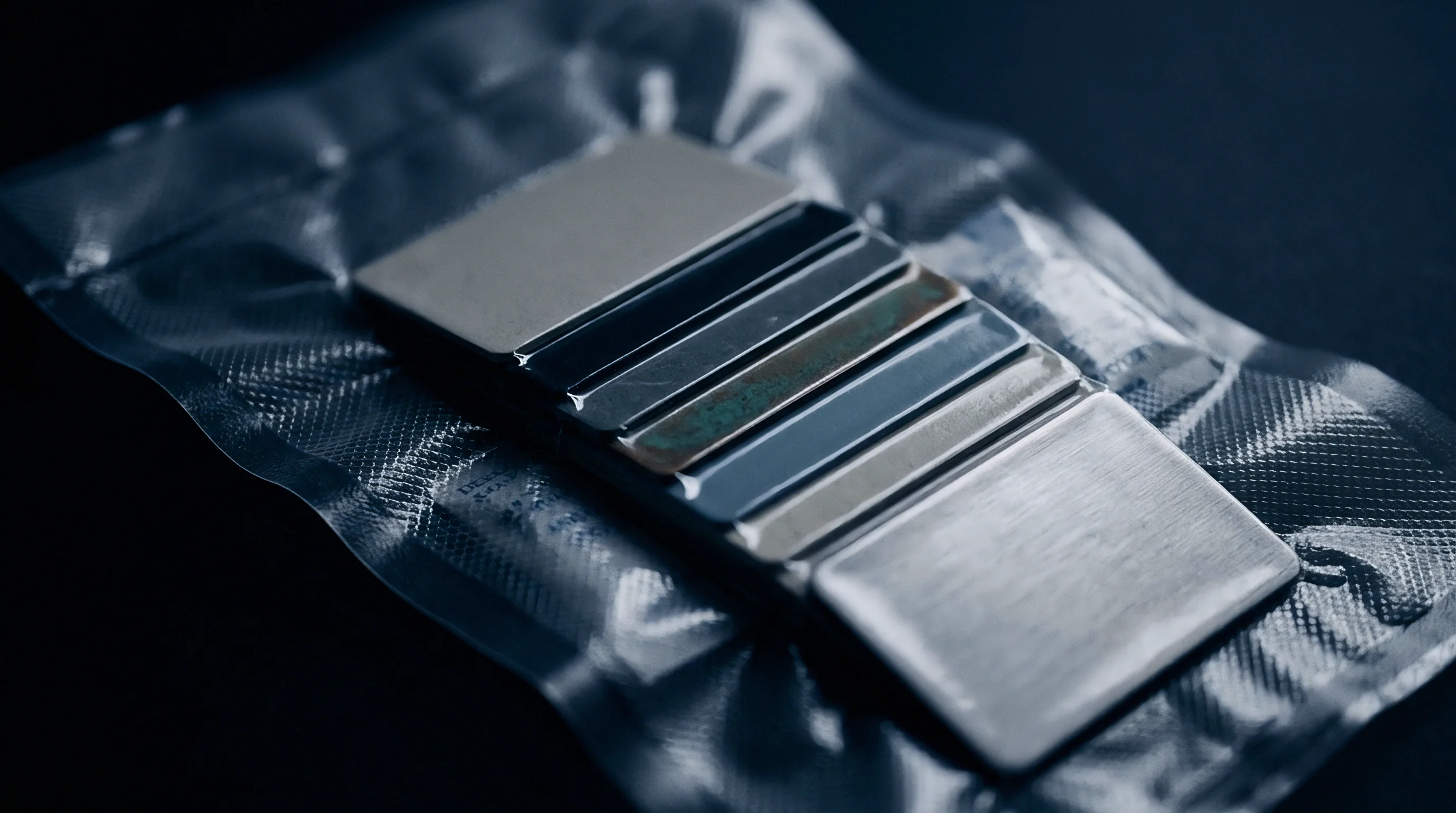
Sample vial septa fail under repeated thermal and mechanical stresses. Standard red-rubber septa release volatile organic degradation fragments above 100 degrees Celsius and fail to reseal effectively after oven needle penetration. PTFE-lined silicone septa resist temperatures up to 200 degrees Celsius while maintaining a tight gas barrier around the needle shaft during extraction.
Septum coring introduces ambient air. If the sampling needle cuts a core out of the septum rather than puncturing it cleanly, ambient air leaks into the vial during heating, ruining the test sequence.
Standardizing test procedures involves running empty blank vials through the identical thermal cycle applied to resin samples. The instrument records the blank value, representing the ambient air trapped in the vial during crimping plus any septum outgassing, and subtracts this mass from the subsequent resin calculation. For a 20-milliliter vial capped at 50 percent relative humidity and 22 degrees Celsius, the trapped air contains roughly 10 micrograms of water, an amount that alters low-ppm bio-polyester certifications if neglected.
ISO 15512 Method B2 Annex B establishes that testing laboratories must verify oven performance using certified water standards such as sodium tartrate dihydrate, which releases exactly 15.66 percent water by weight between 140 and 160 degrees Celsius, rejecting any calibration run that deviates beyond five percent relative error.
Scrap
Moulding operations pay for moisture measurement errors through tool wear, cycle extension, and rejected parts. Regrind loads amplify financial exposure. When an injection moulding machine runs bio-polyester pellets with 400 parts per million water instead of the specified 150 parts per million, hydrolytic degradation drops melt viscosity precipitously.
The low-viscosity polymer flashes past tool parting lines, damaging fine core pins and eroding cavity vents. Correcting this flash by lowering injection pressure induces sink marks and internal voids in thick sections, driving part reject rates from two percent to thirty percent within hours.
The arithmetic of resin degradation directly degrades production margins. A facility processing 50 tonnes of polylactic acid per month at 2,800 euros per tonne incurs 140,000 euros in raw material expenditure. If excessive pellet moisture cuts part impact strength below specification, the rejected moldings cannot simply be reground and reused indefinitely.
Hydrolyzed bio-polyesters exhibit thermal history memory: regrinding material with degraded molecular weight compounds the scission cycle during the second extrusion pass, lowering intrinsic viscosity to unusable levels. The degraded resin ends up sold to scrap reclaimers at 350 euros per tonne, generating a direct material loss of 2,450 euros for every tonne scrapped.
Landed Cost Penalties for out of Specification Water
Commercial contracts specify landed moisture thresholds because excess water adds dead weight freight charges alongside production risk. Sourcing bio-polyesters internationally involves transit times of four to six weeks inside maritime containers. If packaging seals fail, atmospheric humidity migrates through bulk bag liners.
Receiving container loads of wet resin shifts the financial drying burden onto the processing converter, demanding extensive desiccant dryer residence times that consume 0.15 to 0.25 kilowatt-hours per kilogram of processed material.
Extrusion barrels multiply this damage. In reactive compounding operations using chain extenders, excess water consumes epoxy and oxazoline functional additives before they can link cleaved polyester chains. The compounder wastes expensive additive masterbatch, typically priced between 12 and 18 euros per kilogram, simply neutralizing residual water molecules that Karl Fischer testing should have caught at the receiving dock.
Rejection Protocols for Incoming Silo Deliveries
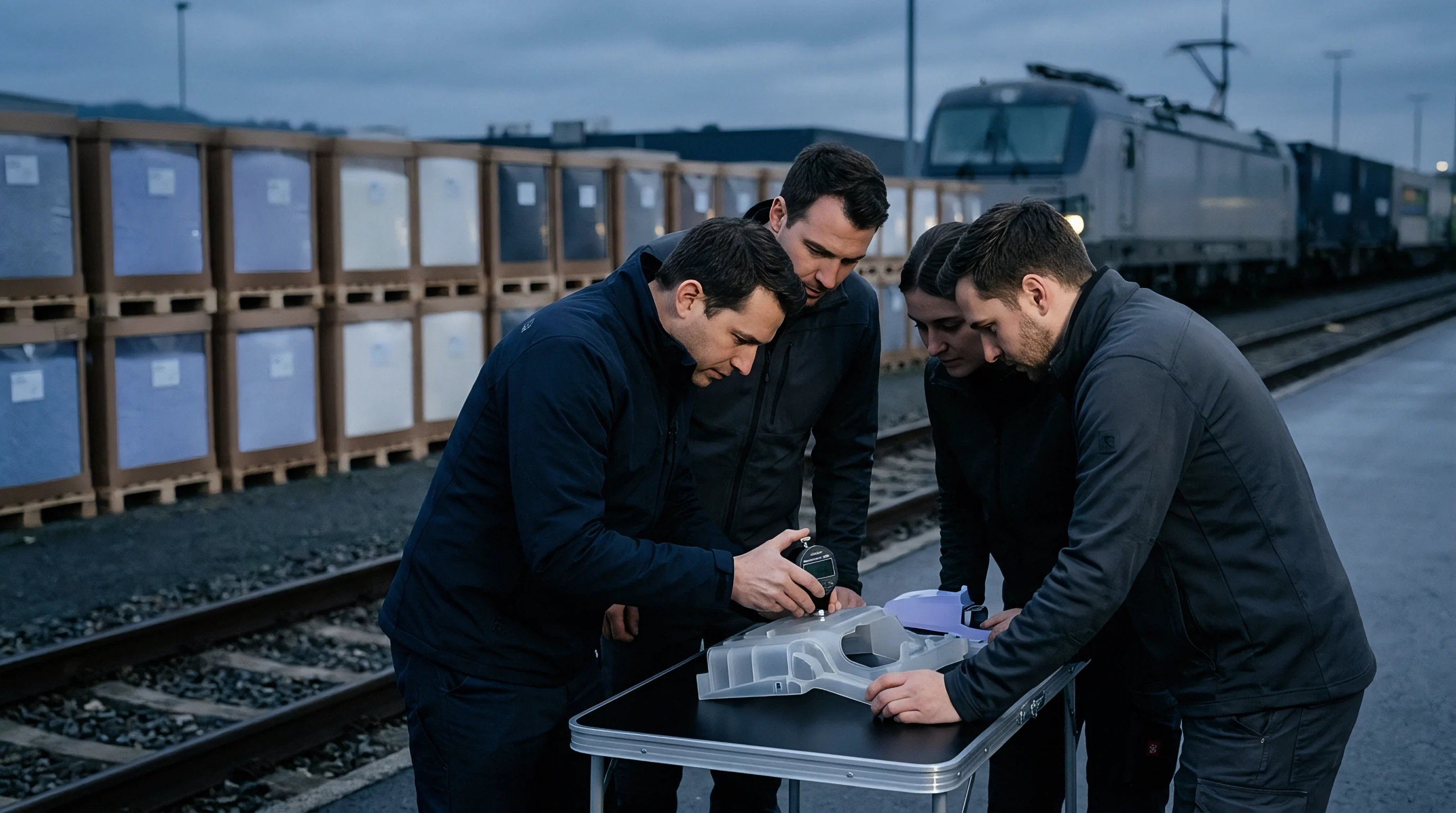
Acceptance testing at the receiving dock protects processing assets. Bulk truckloads of bio-polyester pellets must remain parked until incoming quality inspection confirms moisture compliance via coulometric oven Karl Fischer analysis. Taking composite samples across top, middle, and bottom hopper compartments ensures representative testing, avoiding the pitfall of sampling only surface pellets exposed to condensation inside tank domes.
When the titration cell yields moisture readings exceeding contractual limits, purchasing agreements dictate whether the shipment is rejected outright, subjected to commercial price penalties, or accepted under supplier-funded drying allowances. A clear incoming quality dossier containing calibrated Karl Fischer titration curves, baseline drift recordings, and traceable water standard recoveries provides the objective evidence required to uphold purchase rejections and settle raw material disputes without litigation.
Contract Language for Moisture Defect Claims
Commercial contracts for bio-based polyesters link payment terms directly to analytical criteria. The technical appendix of a resin supply contract must specify the test apparatus, heating parameters, sample preparation steps, and the exact ISO or ASTM standard governing dispute resolution. Without these operational definitions, suppliers counter rejection claims by arguing that converter gravimetric balances caused false failures through volatile monomer loss or that ambient air entered testing vessels during unpacking.
A rigorous specification binds supplier certificates of analysis to ISO 15512 Method B2 with an extraction temperature of 150 degrees Celsius, requiring a sample mass of at least 2.0 grams and a coulometric detection cell. The agreement establishes that moisture values measured upon seal breaking represent the authoritative condition of the cargo. The buyer retains the legal right to debit the supplier account for off-specification resin, warehouse demurrage, and verification testing fees whenever the delivered pellets exceed agreed moisture thresholds.