
Determining Hydrolytic Degradation Thresholds in Virgin Resin Feedstocks
Hydrolytic degradation thresholds require drying virgin polyesters below 0.02 percent and polyamides below 0.10 percent water before melt processing.
Hydrolytic degradation thresholds require drying virgin polyesters below 0.02 percent and polyamides below 0.10 percent water before melt processing.
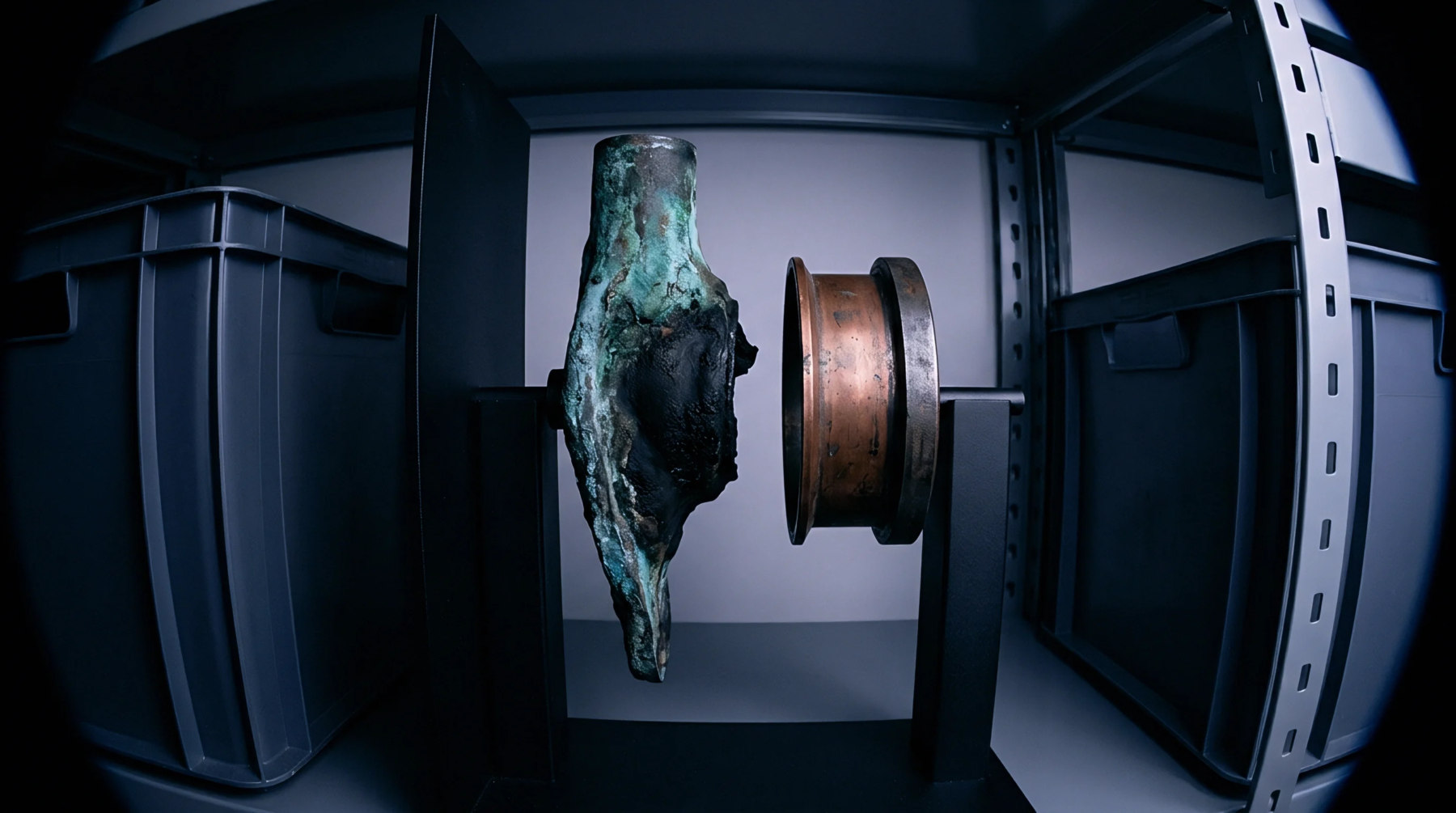
Melt viscosity loss in bio-polyesters stems from moisture hydrolysis and shear; maintaining under 200 ppm moisture and tight processing thermal windows prevents severe scrap penalties.

Industrial composting compliance requires verifying bio-carbon via ASTM D6866, disintegration via EN 13432, and total fluorine screening below 100 ppm.

Semi-quantitative LC-MS screening of bio-based cyclic esters requires probabilistic uncertainty propagation to prevent toxicological misclassification.
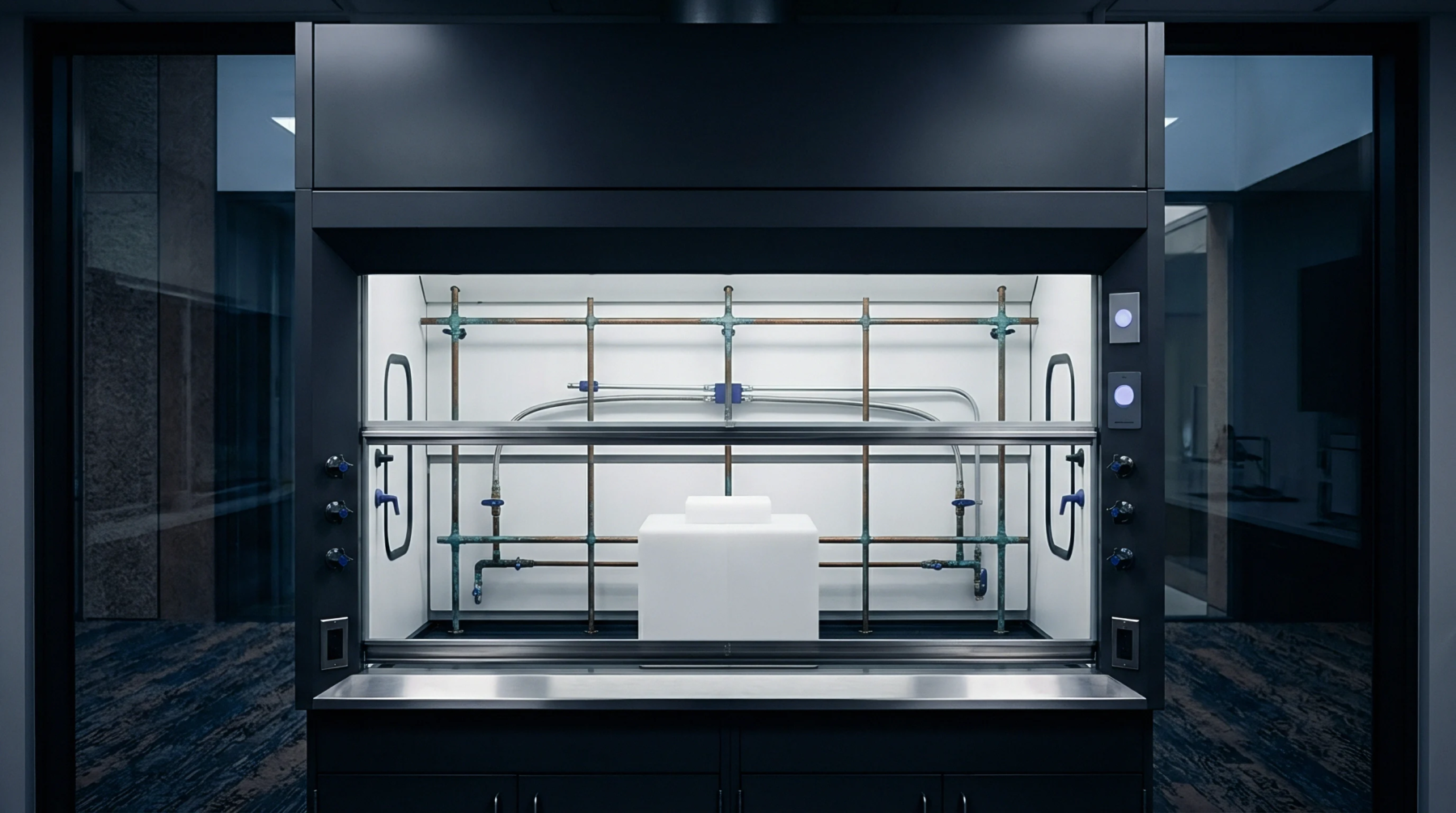
Dynamic carrier gas velocity sweeps separate trace moisture from catalyst-driven transesterification side-products during coulometric vaporization.
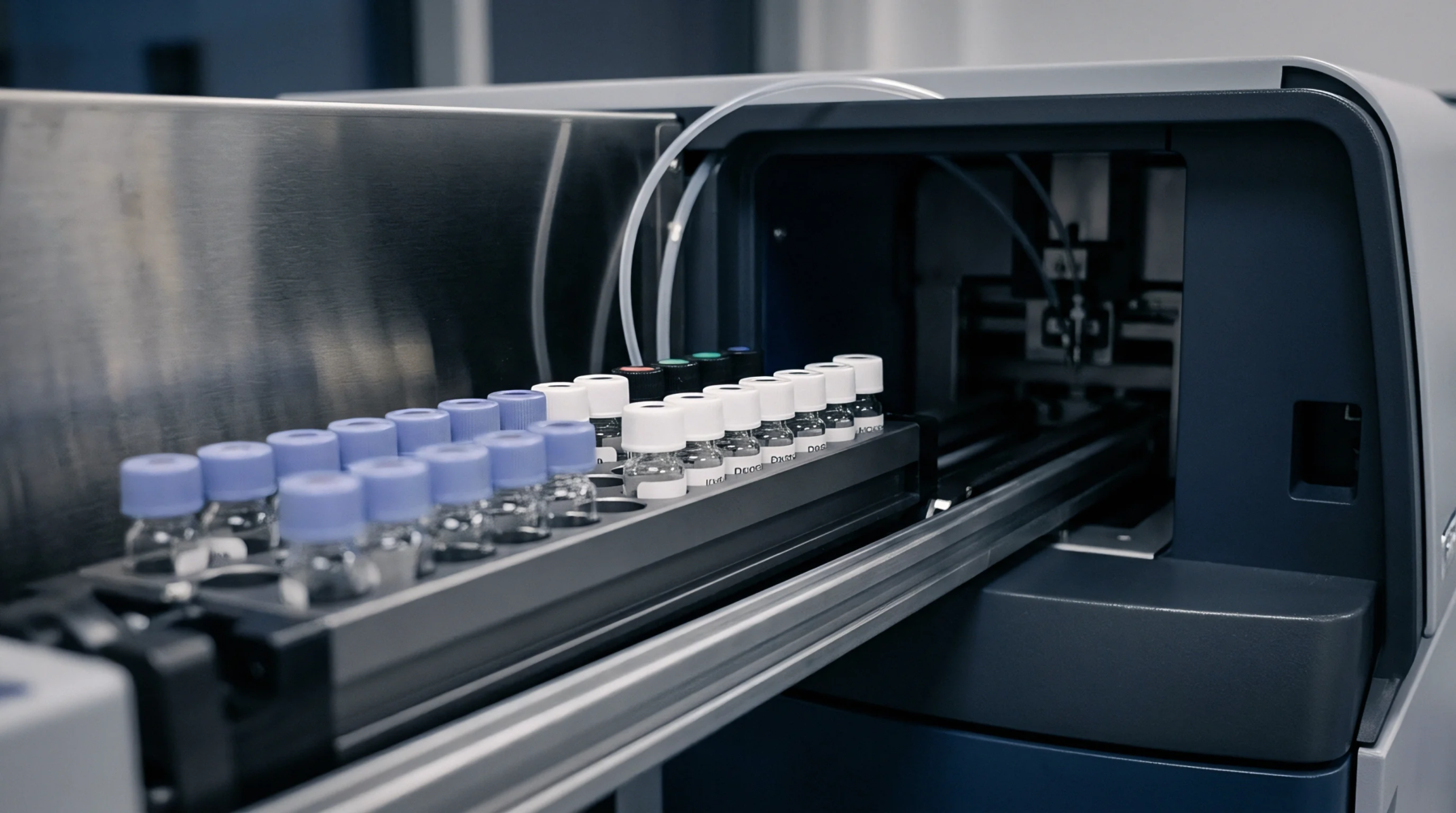
Solid-phase transesterification releases stoichiometric reaction water during vaporization coulometry, creating analytical bias that requires linear baseline deconvolution.

Matching resin melt stability and wall thickness to regional waste facility residence times prevents unexpected landed part cost escalation.

Solid-state transesterification generates parasitic water during thermal extraction; dynamic baseline deconvolution prevents false moisture rejections.
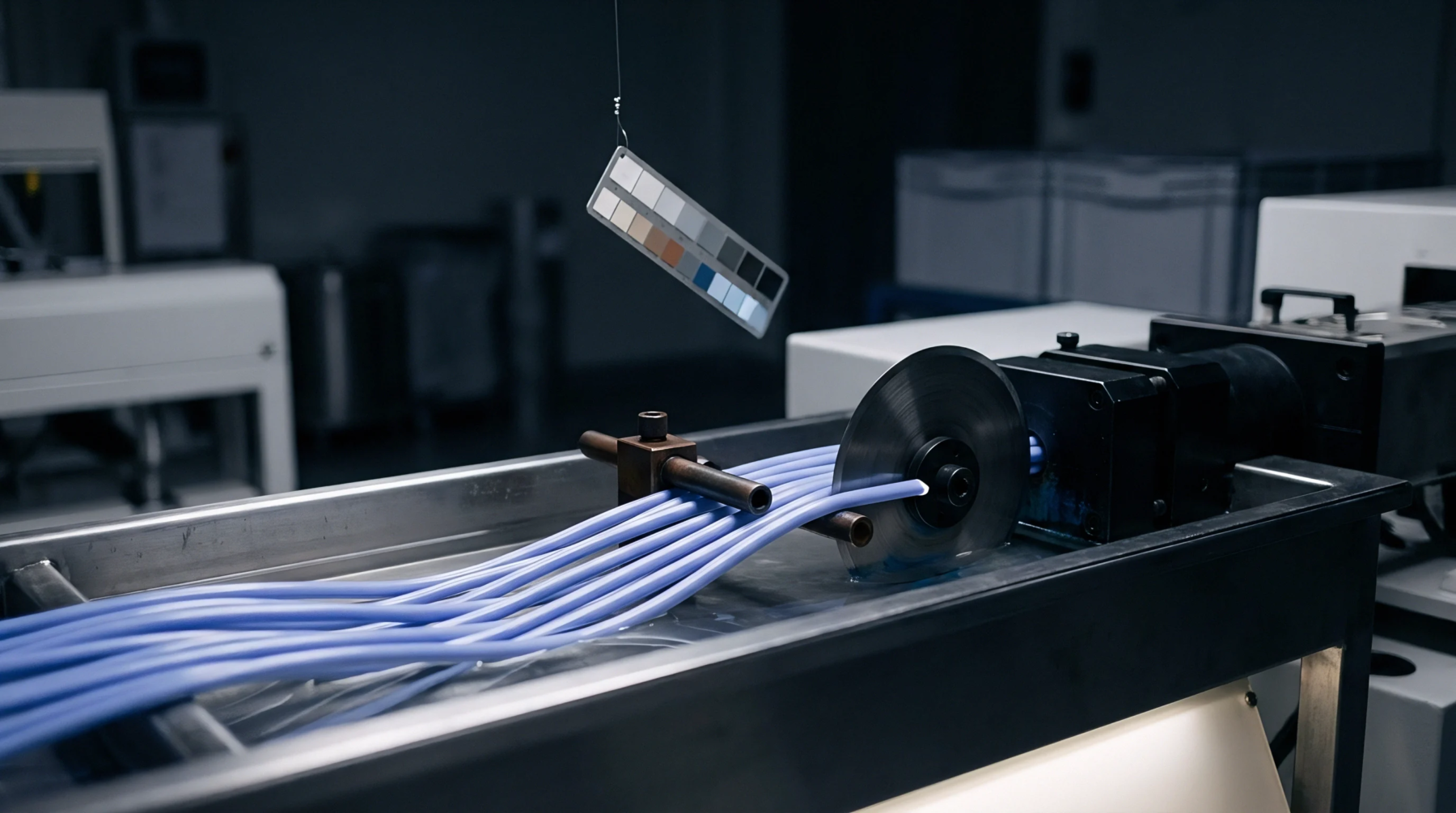
Calculating mass spectrometry relative response factors for uncharacterized cyclic ester oligomers requires ionization efficiency modeling to prevent migration underestimation.
Expertise is a utility, not a secret. sentiention™ publishes its working knowledge as open reference: intelligence layer covering the materials it sources, the markets it enters, and the reference that serves both.