Bio Based Grades Priced against the Composting Route They Need
Matching resin melt stability and wall thickness to regional waste facility residence times prevents unexpected landed part cost escalation.

Dock
Pellet shipments arriving in aluminum moisture-barrier bags come with strict processing constraints on the receiving floor. Bio-polyesters absorb moisture as soon as they hit the air. Unloading octabins without inspecting liner seals risks feeding hydrolytically compromised material straight into plant silos.
Polylactic acid, polybutylene adipate terephthalate, and polyhydroxyalkanoate grades all carry polar ester linkages that pull in ambient water. At processing temperatures, that trapped moisture triggers ester hydrolysis, cleaving the polymer backbone and dropping molecular weight.
Karl Fischer titration is the primary check at receiving. Standard loss-on-drying scales are not sensitive enough to separate surface moisture from bound volatile organic compounds in modified bio-polyester blends. Water content has to stay under two hundred fifty parts per million for standard extrusion grades, while high-clarity or thin-wall injection molding grades require less than one hundred parts per million.
Drying polylactic acid pellets above fifty-five degrees Celsius without continuous vacuum or desiccant airflow sinters the material. Amorphous grades soften near their glass transition point, creating dense aggregates that bridge hopper throats and jam feeder screws.
Drying polylactic acid pellets above fifty-five degrees Celsius without continuous mechanical agitation induces particle agglomeration within two operating hours.
Pellet dimensions and bulk density govern how consistently hoppers feed. Bio-based resin grades synthesized through emulsion or solution processes often produce uneven pellet geometries. Shifted pellet volumes mess with volumetric feeder intake, causing output surges down the extruder barrel.
Testing melt flow rate at the receiving dock verifies batch uniformity right away. Measuring melt flow rate per ISO 1133 under a two point one six kilogram load at one hundred ninety degrees Celsius sets baseline viscosity. Any deviation over ten percent from the certificate of analysis points to material degradation, bad storage, or batch contamination.
| Resin Grade Family | Max Moisture Content (ppm) | Drying Temperature (°C) | Drying Time (Hours) | ISO 1133 Test Condition | Nominal MFR Range (g/10min) |
|---|---|---|---|---|---|
| Semi-Crystalline PLA | 200 | 80 – 85 | 4 – 6 | 210 °C / 2.16 kg | 3.0 – 8.0 |
| Amorphous PLA | 100 | 45 – 50 | 6 – 8 | 190 °C / 2.16 kg | 15.0 – 30.0 |
| PBAT Compound | 250 | 60 – 65 | 3 – 4 | 190 °C / 2.16 kg | 2.0 – 5.0 |
| PHBV Copolymer | 150 | 60 – 70 | 4 – 5 | 170 °C / 2.16 kg | 5.0 – 10.0 |

Receiving Foil Lined Containers and Moisture Limits
Aluminum foil liners protect dry bio-polyester compounds during ocean transit and long warehouse storage. Any breach in a container seal allows ambient humidity to creep through the outer packaging. In practice, high moisture levels turn up in incoming octabins when secondary sea transport goes through tropical thermal cycling.
Water vapor condenses on the inner liner walls, forming localized wet pockets. Sourcing engineers require checking moisture profiles at three separate depth levels in an octabin before releasing material to compounding.
Desiccant bed dryers need dew point verification below minus forty degrees Celsius. Standard hot-air dryers cannot pull bound moisture out of bio-polyester structures, accelerating thermal hydrolysis instead. Running an unvented extruder screw on wet feedstock drops intrinsic viscosity immediately.
The melt bubbles at the die exit, loses strength, and sags severely during blow molding.

Pellet Uniformity and Melt Index Sanity Checks
Receiving inspection checks pellet geometry, color uniformity, and mechanical density before material hits the silos. Color variations across a batch point to uneven heat during masterbatch blending or regrind contamination. When evaluating bio-polyester shipments, receiving protocols require Karl Fischer titration alongside melt index testing for every batch container.
Shear sensitivity varies across modified aliphatic polyester formulations; material with a compliant melt flow rate under light loads can still suffer severe wall slip under high shear inside injection runners.
Pellet dust and fines build up during pneumatic transport from delivery trucks into storage silos. Bio-based resins produce fine particulates that melt early in the extruder feed zone. These fines plug throat cooling jackets, causing thermal bridging and uneven melt output.
Screening incoming lots through a two-millimeter sieve catches this dust before it reaches machine hoppers.
Downstream melt degradation often originates from factory floor humidity rather than unvented extruder barrels or inadequate desiccant bed airflow.

Chemistry
A bio-based polyester’s molecular structure controls its mechanical strength and its susceptibility to enzymatic attack. Monomer sequence along the polymer backbone sets how fast it degrades chemically under specific end-of-life conditions. Polylactic acid consists of repeating lactic acid units derived from fermented plant sugars.
Synthesis through ring-opening polymerization of lactide intermediates yields controlled ratios of L-lactide and D-lactide enantiomers, and that chain stereochemistry governs crystallization and heat deflection.
Semi-crystalline polylactic acid contains high levels of L-lactide, typically over ninety-eight percent purity. Pure L-polylactic acid forms organized lamellar crystals that withstand thermal deformation up to one hundred fifty degrees Celsius when fully annealed. Adding D-lactide enantiomers above two percent disrupts chain symmetry, slowing crystallization and yielding amorphous polymers.
These amorphous grades soften at their glass transition temperature near fifty-seven degrees Celsius, which limits their use in hot-fill packaging.
Polybutylene adipate terephthalate balances ductility and biodegradability by combining aliphatic and aromatic monomer segments. Aliphatic 1,4-butanediol and adipic acid blocks supply flexible segments open to enzymatic hydrolysis, while aromatic terephthalic acid blocks add thermal stability, tensile strength, and impact resistance similar to low-density polyethylene. Pushing the aromatic terephthalate mole fraction past fifty-five percent stops microbial degradation in industrial composting, as ester cleavage enzymes can no longer reach the sterically hindered aliphatic links.
Polyhydroxyalkanoates are intracellular energy-storage polyesters produced through bacterial fermentation. Polyhydroxybutyrate forms a stiff, highly crystalline homopolymer with a tight processing window that breaks down thermally near its melting point of one hundred eighty degrees Celsius. Copolymerizing hydroxybutyrate with hydroxyvalerate yields polyhydroxybutyrate-co-valerate, lowering the melting point, boosting impact toughness, and widening the melt processing window.
Bio-content percentages measured through ASTM D6866 carbon fourteen isotope analysis do not track with end-of-life compostability. Bio-based polyethylene derived from sugarcane bio-ethanol contains one hundred percent bio-based carbon, yet its chemical backbone is identical to fossil-derived polyethylene, leaving it non-biodegradable in soil or industrial composting. Conversely, fossil-derived polycaprolactone carries zero bio-based carbon but breaks down quickly in home compost thanks to accessible ester bonds.
- Aromatic Domain Excess suppresses bacterial enzymatic cleavage in aromatic-aliphatic co-polyesters when terephthalic acid fractions exceed fifty-five mole percent.
- Transesterification Side Reactions reduce average molecular weight distribution during thermal re-melting in un-stabilized bio-polyester masterbatches.
- Plasticizer Exudation Phase creates oily surface residues and lowers long-term mechanical impact resistance in modified starch compounds.
- Stereocomplex Disparity generates erratic melting points when blending D-lactide and L-lactide polymer chains without continuous thermal monitoring.

Aliphatic Ester Backbone Mechanics and Hydrolysis Rates
Hydrolytic degradation of aliphatic polyesters follows a two-step mechanism driven by water diffusion and chemical ester cleavage. Water molecules penetrate the amorphous domains of the polymer matrix first, cleaving ester linkages to form carboxylic acid and hydroxyl end groups. These carboxylic acid end groups then catalyze further ester cleavage in an autocatalytic loop that accelerates molecular weight decay and reduces melt strength.
Below the glass transition temperature, rigid chain immobilization slows water diffusion and confines hydrolysis to surface layers. Above the glass transition temperature, increased chain mobility lets water migrate rapidly into the bulk matrix, shifting breakdown from surface erosion to bulk erosion. This bulk erosion leads to sudden structural failure long before any significant mass loss is visible.
EN 13432 mandates ninety percent carbon conversion to carbon dioxide within one hundred eighty days under thermophilic aerobic conditions.

Bio Content Quantification versus End of Life Fate
Carbon fourteen dating by accelerator mass spectrometry separates bio-based carbon from fossil carbon. Living plants absorb atmospheric carbon dioxide with a known ratio of carbon fourteen to carbon twelve isotopes, whereas fossil petrochemical feedstocks contain no carbon fourteen after millions of years of decay. Test method ASTM D6866 measures the beta-decay emission rate or directly counts carbon fourteen atoms to compute the exact renewable bio-based percentage.
Procurement specifications frequently confuse bio-based carbon content with end-of-life packaging performance. A bio-based resin compound containing seventy percent starch-derived bio-carbon blended with thirty percent fossil polybutylene adipate terephthalate fully meets EN 13432 industrial composting standards. Meanwhile, a bottle made of one hundred percent bio-based bio-polyethylene terephthalate fails every industrial and home composting standard, persisting in landfills indefinitely.
Higher aliphatic ester density accelerates microbial cleavage, though it reduces long-term thermal resistance.
Rheology
Melt deformation under shear stress determines how bio-resins fill mold cavities and hold bubble stability during extrusion. Linear bio-polyesters like unmodified polylactic acid show limited shear thinning and low melt elasticity compared to branched fossil polyolefins. Under high shear at injection mold gates, unmodified polylactic acid flows pseudoplastically, but its low zero-shear viscosity causes severe post-gate drool and flash.
Extrusion blow molding requires higher melt strength to stop parisons from sagging under gravity during continuous head accumulation.
Hydrolytic degradation during melt processing alters rheology rapidly. Water content above three hundred parts per million at two hundred degrees Celsius causes chain scission within ninety seconds of screw rotation. Melt flow testing shows a fifteen percent viscosity drop across three regrind cycles when processing un-dried material.
That reduction in molecular weight spikes the melt flow rate exponentially, turning processing-grade resin into a thin liquid that flushes straight through mold split lines.
Branching agents introduced during reactive extrusion rebuild melt elasticity. Epoxy-functionalized acrylic oligomers or organic peroxides react with hydroxyl and carboxyl end groups to form long-chain branched structures. This long-chain branching introduces pronounced shear thinning and extensional strain hardening, which prevents localized necking during film blowing and allows stable bubble inflation at high blow-up ratios.
| Polymer Chemistry | Test Condition (ISO 1133) | Nominal MFR (g/10min) | Glass Transition Tg (°C) | Flexural Modulus (MPa) | Wall Thickness Multiplier |
|---|---|---|---|---|---|
| Polypropylene Homopolymer | 230 °C / 2.16 kg | 12.0 | -10 | 1,500 | 1.00 |
| Injection Grade PLA | 210 °C / 2.16 kg | 18.0 | 58 | 3,500 | 1.25 |
| Film Grade PBAT Blend | 190 °C / 2.16 kg | 3.5 | -30 | 300 | 1.40 |
| Rigid Molding PHA | 170 °C / 2.16 kg | 8.0 | 5 | 2,200 | 1.15 |
| Extrusion Grade PBS | 190 °C / 2.16 kg | 1.5 | -32 | 650 | 1.30 |

Melt Strength Bottlenecks in Film Extrusion Lines
Blown film lines processing polybutylene adipate terephthalate blends hit melt stability limits that cap line speed relative to low-density polyethylene. Pure PBAT has low melt tension, causing bubble sway and gauge variation across the web. Compounders add fine calcium carbonate filler at twenty to forty weight percent to stiffen the melt and nucleate crystallization.
However, excess calcium carbonate increases overall density, adding weight per square meter of finished film.
Air ring adjustments compensate for the low thermal conductivity of bio-polyesters. Bubbles collapse when cooling lags behind die extrusion velocity. Lowering melt temperatures reduces thermal energy, but it pushes up die pressure and motor torque limits.
Processing windows for modified film compounds often span narrow five-degree bands.
Shorter polymer chains improve flow rates during injection molding while destroying ultimate impact resistance.
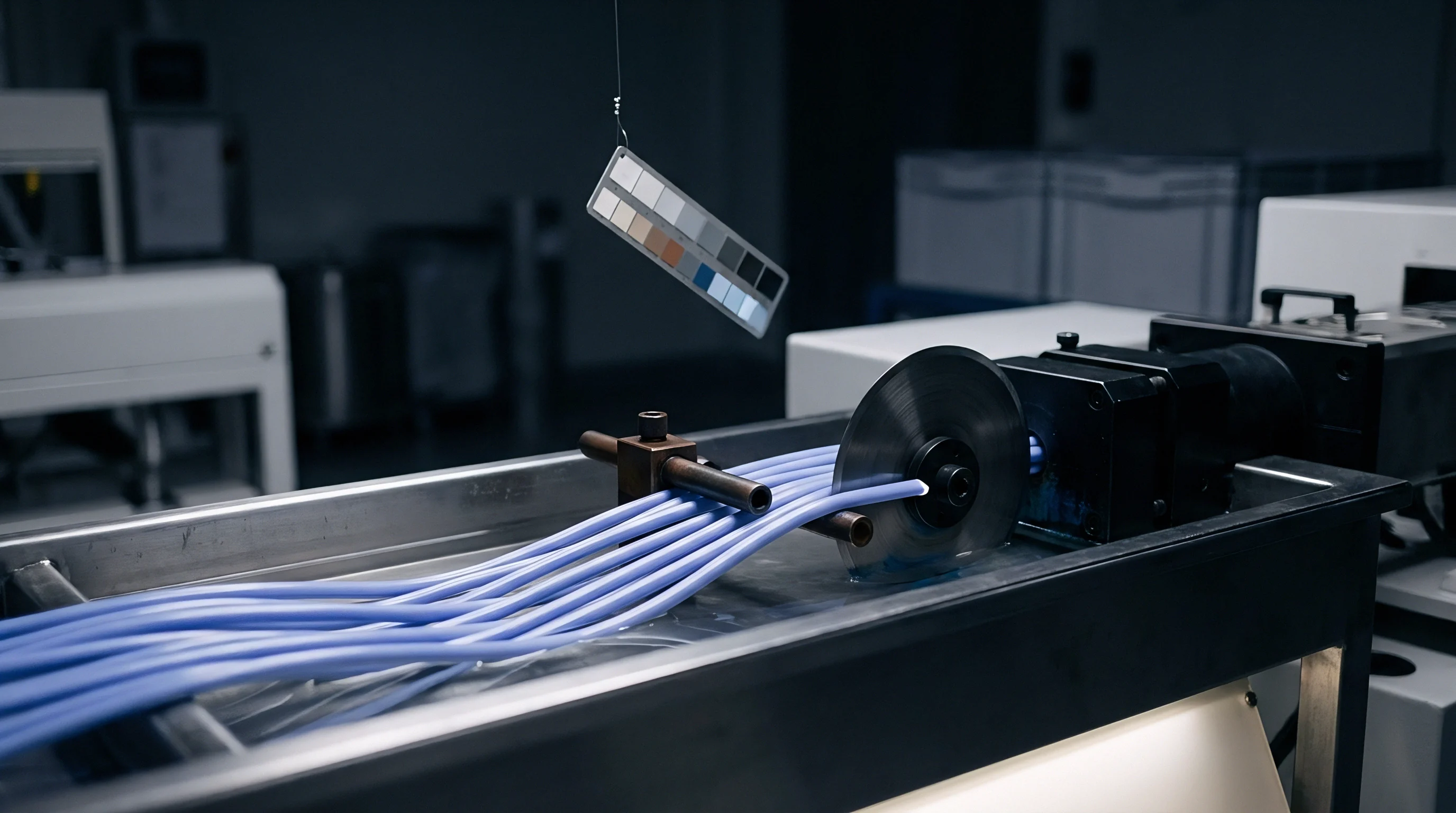
Shear Degradation and Thermal Processing Windows
Thermal stability limits in bio-polyesters govern extruder screw design and residence time. Polyhydroxyalkanoates begin unzipping above one hundred sixty degrees Celsius, generating crotonic acid monomers that corrode screw flights and barrel walls. Residence times beyond four minutes inside hot runner systems break polymer chains, causing severe color shifts and gas generation unless dry air prevents hydrolytic cleavage.
Low-shear screw designs with deep flight channels and distributive mixing elements prevent localized shear heating. High-shear dispersive mixers create thermal hot spots that exceed bulk melt temperature settings by twenty degrees Celsius. Adjusting wall thickness offsets lower impact resistance in rigid moldings, but adding that extra mass prolongs tool cooling cycles.
Processing bio-polyesters outside their narrow thermal window yields brittle components, high field failure rates, and unrecoverable regrind scrap.

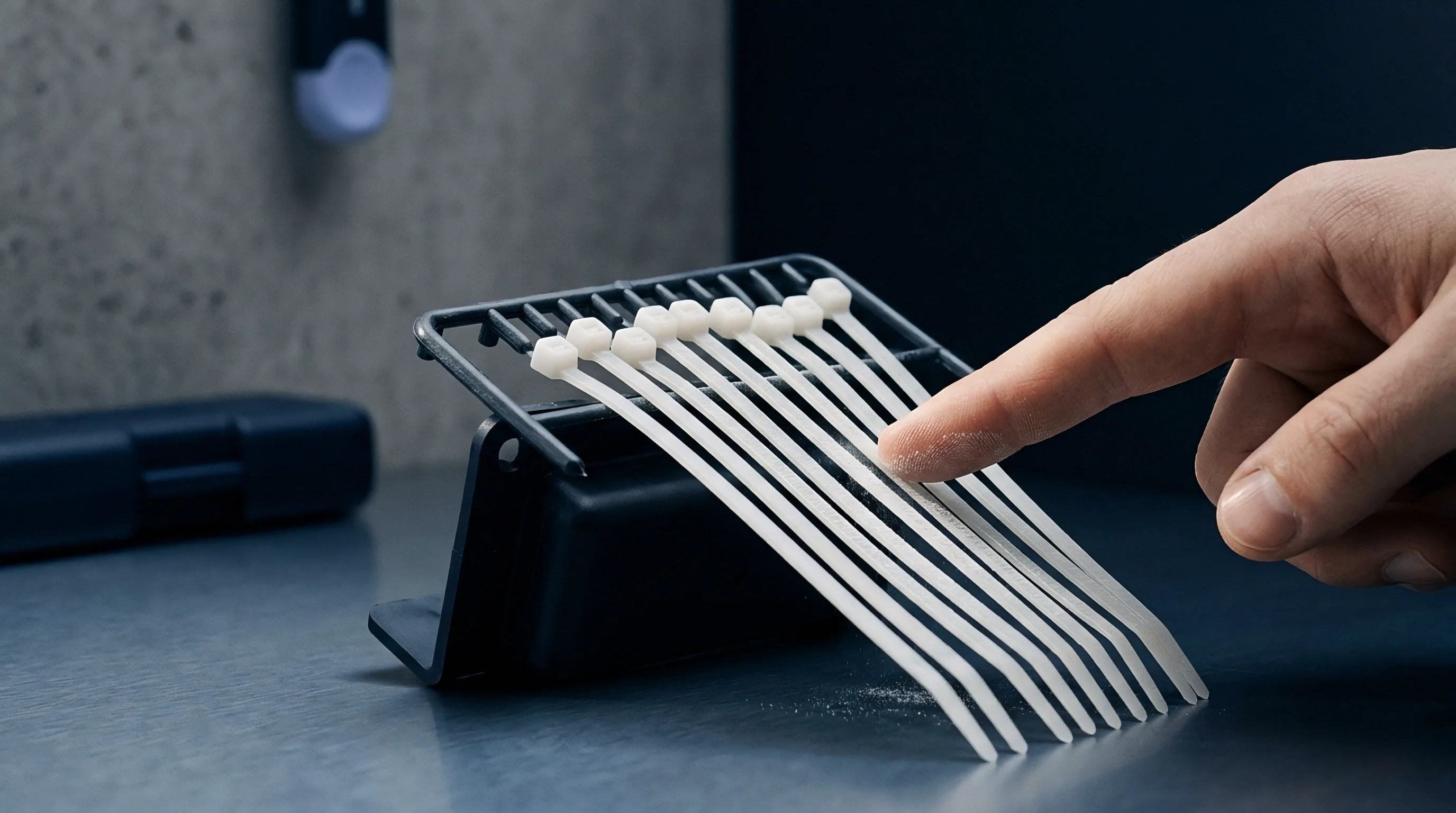
Digestion
Microbial breakdown routes divide between thermophilic industrial composting, ambient home composting, anaerobic digestion, and marine environments. Standards EN 13432, ASTM D6400, and ISO 17088 define industrial composting parameters. Standard protocols require ninety percent biological conversion of polymer carbon to carbon dioxide within one hundred eighty days at fifty-eight degrees Celsius.
Disintegration mandates that ninety percent of material mass pass through a two-millimeter analytical sieve after twelve weeks in thermophilic compost beds.
Thermophilic regimes between fifty-five and sixty degrees Celsius trigger physical hydrolysis in rigid polylactic acid packaging. Heating polylactic acid above its glass transition temperature increases chain mobility, allowing water to cleave ester bonds. Once hydrolysis drops molecular weight below ten thousand Daltons, thermophilic bacteria and Actinomycetes assimilate the lactic acid oligomers.
Without temperatures above fifty-five degrees Celsius, polylactic acid remains physically intact for decades in mesophilic soil.
Anaerobic digestion facilities treat municipal organic waste in enclosed tanks without oxygen. Standard high-solids systems run residence times between fourteen and twenty-one days. Rigid polylactic acid fails to disintegrate during these short cycles because slow hydrolysis under oxygen-depleted conditions requires far more time.
Digestate containing intact bioplastic fragments fails agricultural quality standards, forcing plant operators to landfill the output.
- Sample incoming pellet lots for initial intrinsic viscosity and moisture levels using Karl Fischer titration.
- Expose molded test specimens to thermophilic conditions at fifty-eight degrees Celsius for fourteen days.
- Measure fragment mass distribution through a two-millimeter analytical sieve.
- Quantify evolved carbon dioxide gas using continuous infrared analyzer lines.
- Determine residual heavy metal concentrations through inductively coupled plasma optical emission spectrometry.

Why Do Industrial Composting Lines Reject Polylactic Acid?
Commercial industrial composting facilities prioritize throughput over maximum biological mineralization windows. Operators turn windrows and empty aerated static piles on short cycles lasting fourteen to twenty-eight days to maximize tipping fee revenue. Rigid polylactic acid packaging requires eighty-four days for complete physical disintegration under standard laboratory conditions.
When partially degraded packaging emerges from short composting cycles, mechanical trommel screens remove the bioplastic fragments alongside non-compostable contaminants.
Bioplastic fragments screened out at composting facilities end up in incinerators or landfills. Facility operators view rigid bioplastics as visual contaminants that lower the market value of finished compost.
Municipal composting operators actively screen out rigid bioplastic packaging to prevent film contamination in commercial soil amendment products.
Disintegration Criteria versus Real World Residence Times
Standard disintegration protocols test material thickness under controlled laboratory conditions with ideal moisture, microbial density, and temperature. Real-world commercial compost heaps experience thermal gradients, dry zones, and irregular mixing. A rigid packaging design passing EN 13432 tests at a calibrated wall thickness of zero point eight millimeters routinely fails field disintegration when actual wall thickness reaches one point two millimeters at corner ribs or gate locations.
Home composting standards such as NF T 51-800 and OK Compost Home mandate full biodegradation at ambient temperatures between twenty and thirty degrees Celsius within twelve months. Polyhydroxyalkanoates and specialized starch compounds achieve home composting certification because their molecular bonds undergo enzymatic cleavage without requiring thermal activation above fifty degrees Celsius. These formulations cost significantly more per kilogram while displaying lower tensile strength and higher moisture sensitivity during processing.
Whether regional waste facilities will adapt residence times to match regulatory disintegration windows remains an open question for packaging buyers.

Arrears
Financial liabilities linked to environmental marketing claims and end-of-life regulations accumulate long after resin sales close. Extended Producer Responsibility laws across Europe and North America impose eco-modulation fees on packaging producers based on recyclability and circular design. Packaging made from bio-resins lacking established recycling streams faces higher fee surcharges than conventional polyolefins.
Eco-modulation fee structures penalize bio-based grades that enter organic recycling streams only to get screened out and landfilled.
European Union packaging rules enforce strict green claim substantiation under the Green Claims Directive. Labeling a product compostable without specifying whether certification applies to industrial or home composting exposes brand owners to regulatory fines and litigation. Products labeled compostable that fail regional infrastructure acceptance face mandatory recalls and administrative fines tied to annual corporate revenue.
Customs classification codes and import tariffs vary across bio-based chemical categories. Chemically modified bio-polyesters fall under HS Code 3907, carrying different duty rates than unmodified natural polymers under HS Code 3913. Sourcing imported bio-resins without verifying specific tariff classifications risks retroactive duty assessments during customs audits unless contract terms clearly define liability limits.
- Certificate of Disintegration Pass issued by an accredited third-party laboratory confirming two-millimeter sieve compliance.
- Carbon Isotope Analysis Report conforming to ASTM D6866 standards to substantiate renewable bio-based origin percentage.
- Terrestrial Ecotoxicity Evaluation Dossier matching OECD 208 guidelines to demonstrate zero plant seedling growth inhibition.
- Heavy Metal Impurity Certification verifying trace element concentrations remain below EN 13432 regulatory caps.
Extended Producer Responsibility Surcharges and Tariff Codes
Eco-modulation frameworks reward packaging formats that fit seamlessly into established mechanical recycling operations. Polyethylene terephthalate bottles carry lower fee structures because of established curbside recovery. Bio-based drop-in polymers like bio-polyethylene benefit from existing polyolefin infrastructure, avoiding eco-modulation penalties.
Conversely, compostable packaging formats pay maximum EPR fee surcharges where municipal organic waste systems exclude bioplastics.
Customs declaration audits evaluate bio-content assertions when applying preferential trade tariffs. Importers claiming duty exemptions based on renewable agricultural origin must produce verifiable supply chain traceability dossiers linking raw crops to final compound shipments, protecting brand equity during audit reviews.
Green Claim Dossier Audit Hazards and Fines
Regulatory authorities inspect technical dossiers supporting environmental marketing claims. A third-party test report verifying EN 13432 compliance for raw resin pellets does not cover a thick-walled finished product. Modifying additives, pigment masterbatches, or structural wall dimensions invalidates raw resin compostability certifications, requiring independent testing on the final part.
Brand owners relying on resin supplier sales literature without maintaining certified product test dossiers bear full legal liability for deceptive packaging claims. Regulators reject claims whenever final packaging wall thickness exceeds the dimensional limits specified in third-party certification documents.
Incorporating EN 13432 Clause 4.3 into resin supply contracts shifts eco-modulation tax liability back to the compounder if third-party batch disintegration fails.

Invoice
Commercial accounting for sustainable resin conversions requires evaluating total landed expense per good unit produced rather than raw pellet price per kilogram. Virgin fossil polyolefins priced at one dollar and thirty cents per kilogram set the baseline cost benchmark for rigid packaging operations. Semi-crystalline polylactic acid grades average two dollars and sixty cents per kilogram, while home compostable polyhydroxyalkanoate compounds reach five dollars and fifty cents per kilogram.
Assessing resin economics purely on purchase orders ignores differences in density, part weight scaling, process cycle times, and scrap handling.
Polylactic acid has a density of one point twenty-four grams per cubic centimeter, compared to zero point ninety-one grams per cubic centimeter for polypropylene homopolymer. Molding an identical volume container in polylactic acid increases raw part weight by thirty-six percent from material density alone. Lower flexural modulus and impact resistance demand increasing wall thickness by twenty-five percent to maintain stack load strength.
Combined, the higher density and thicker walls raise final part weight from ten grams in polypropylene to fifteen grams in polylactic acid.
Processing cycle times increase when molding polylactic acid due to slow crystallization inside the tool, and cooling time scales with the square of wall thickness. Mold cycle time extends from four point five seconds for polypropylene to six point eight seconds for polylactic acid, cutting hourly machine output by thirty-four percent. Hourly press operating rates of eighty dollars are spread across fewer completed units, raising machine overhead per part.
Scrap generation costs escalate when working with hydrochemically sensitive bio-polyesters. Polypropylene runner systems and quality rejects undergo immediate closed-loop regrind at full utilization without property loss. Thermal and hydrolytic degradation limit polylactic acid regrind blends to a maximum twenty percent ratio.
Excess bio-polyester regrind that cannot be re-introduced gets scrapped as chemical waste, incurring disposal costs instead of offsetting virgin resin purchases and driving up part costs.
Part cost depends on delivered net yield across full production runs. Converting a food packaging line from polypropylene to a certified industrial compostable polylactic acid blend requires explicit commercial cost modeling across every production variable.
| Cost Parameter | Polypropylene Homopolymer | Industrial Compostable PLA | Home Compostable PBAT / PHA |
|---|---|---|---|
| Virgin Pellet Price ($/kg) | 1.30 | 2.60 | 5.20 |
| Part Mass (grams) | 10.0 | 15.0 | 16.0 |
| Resin Cost per Unit ($) | 0.0130 | 0.0390 | 0.0832 |
| Mold Cycle Time (seconds) | 4.5 | 6.8 | 6.2 |
| Machine Cost per Unit ($) | 0.0100 | 0.0151 | 0.0138 |
| Scrap Rate Yield Loss ($) | 0.0005 | 0.0032 | 0.0078 |
| EPR Eco-Modulation Fee ($) | 0.0020 | 0.0080 | 0.0010 |
| Total Landed Unit Cost ($) | 0.0255 | 0.0653 | 0.1058 |

Base Resin Cost versus Landed Part Cost Calculations
Financial calculations walking from virgin pellet quotes to final unit landed expense highlight the compound cost penalty inherent in bio-polyester conversions. A packaging unit produced in polypropylene carries a total landed cost of two point fifty-five cents, including resin, machine time, scrap loss, and standard EPR fees. Converting that same packaging format to an industrial compostable polylactic acid grade drives the final landed cost to six point fifty-three cents per unit ~ a two hundred fifty-six percent increase in total manufacturing expense, even though raw resin pricing only doubled.
Home compostable compounds based on polyhydroxyalkanoate blends raise landed unit costs to ten point fifty-eight cents. Reduced EPR fees for certified home compostable formats fail to offset higher raw material costs and mass scaling penalties. Sourcing practices must evaluate whether consumers will accept price premiums for certified compostable packaging before committing to long-term resin supply agreements.

Financial Post Mortem on Fossil versus Compostable Conversions
Long-term commercial viability relies on managing raw material price volatility and supply contracts. Bio-polyester pricing hinges on agricultural harvests, chemical conversion capacity, and freight surcharges. Contracts specifying fixed resin pricing across annual volume commitments protect buyers from spot market supply shocks.
Tipping fees alter landed economics. Factoring in real-world processing scrap rates, cooling extensions, density penalties, and regional packaging taxes yields an accurate financial assessment. Balancing resin cost against physical property trade-offs ultimately determines the economic viability of compostable packaging conversions.