Meaning
Chemical degradation involving the breaking of ester bonds within a polymer chain results in a significant loss of molecular weight. Ester cleavage is the primary mechanism by which polyesters and polycarbonates fail when processed with excessive moisture. This reaction turns a high-performance resin into a brittle material with poor mechanical properties.
Hydrolytic Mechanism
Water molecules react with the polymer backbone at elevated temperatures to split the chains into shorter fragments. Ester cleavage occurs inside the injection barrel where the combination of heat and shear accelerates the chemical attack. The presence of even a few hundred parts per million of water is enough to initiate this process.
Melt Viscosity
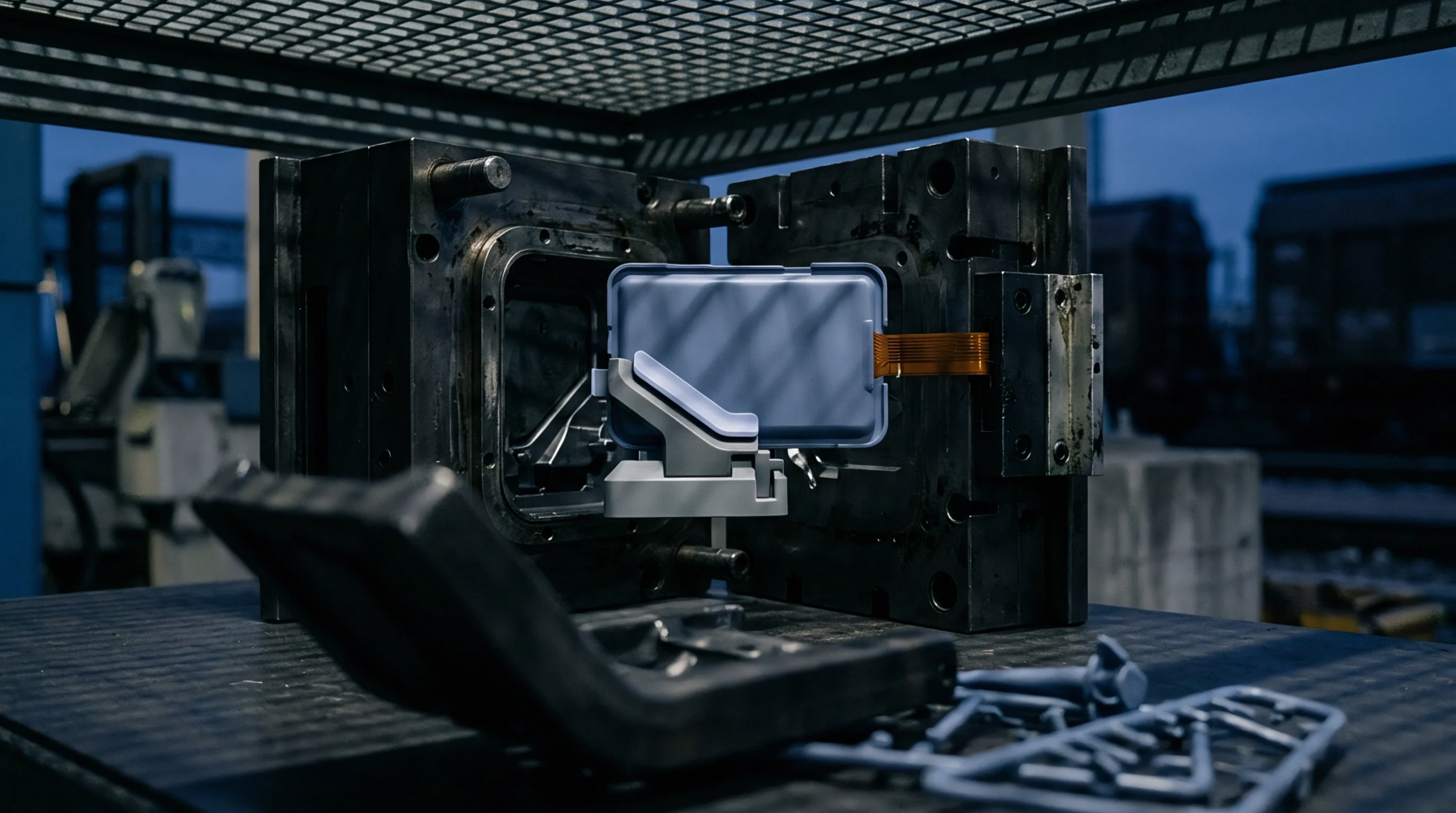
Fluidity of the plastic increases dramatically as the polymer chains are shortened by the degradation. Ester cleavage is often detected by a sudden drop in the pressure required to fill the mould or by the appearance of flash on the part. A moulder might notice that the melt becomes watery or drools from the nozzle during the carriage return.
Moisture Control
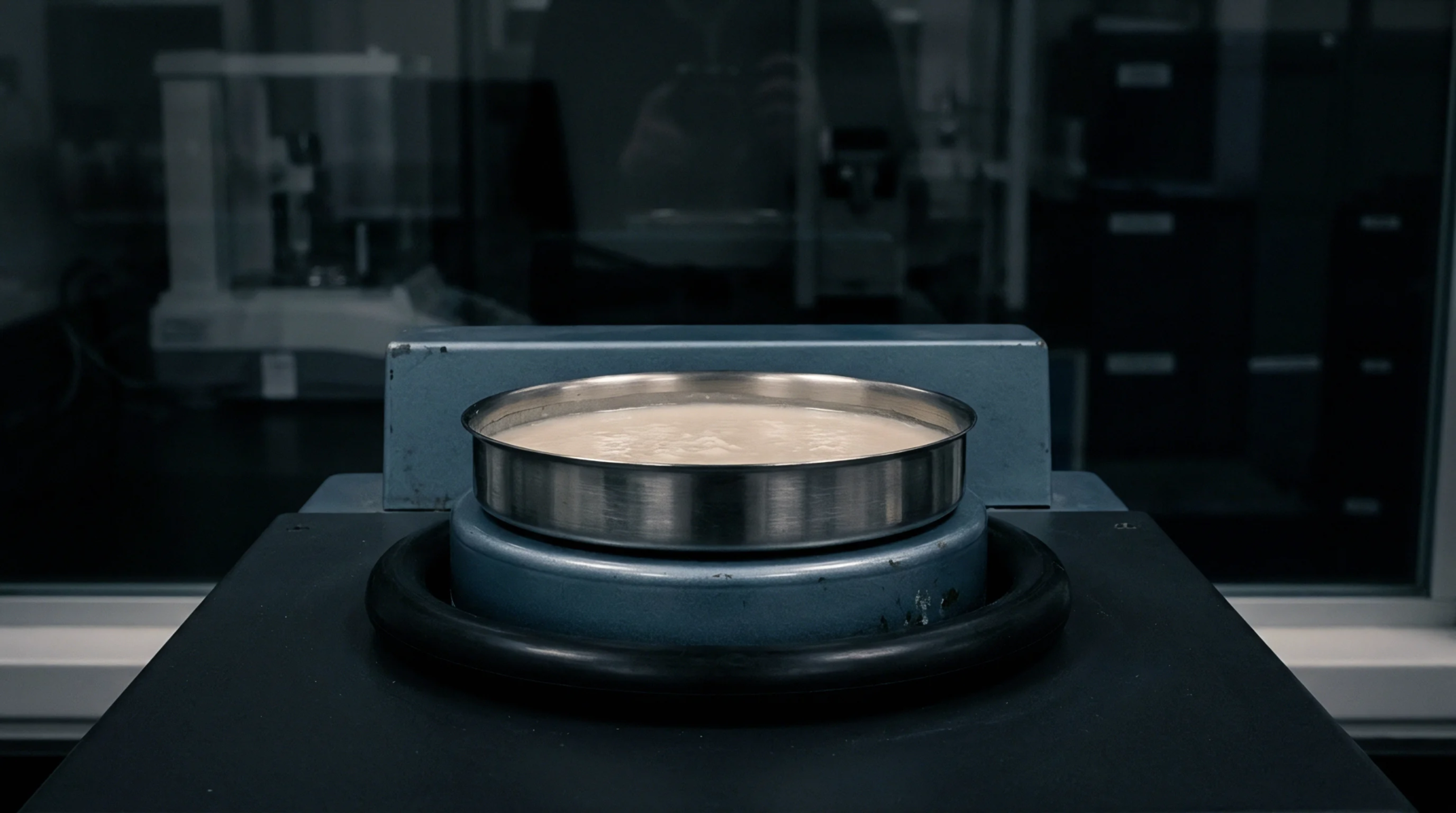
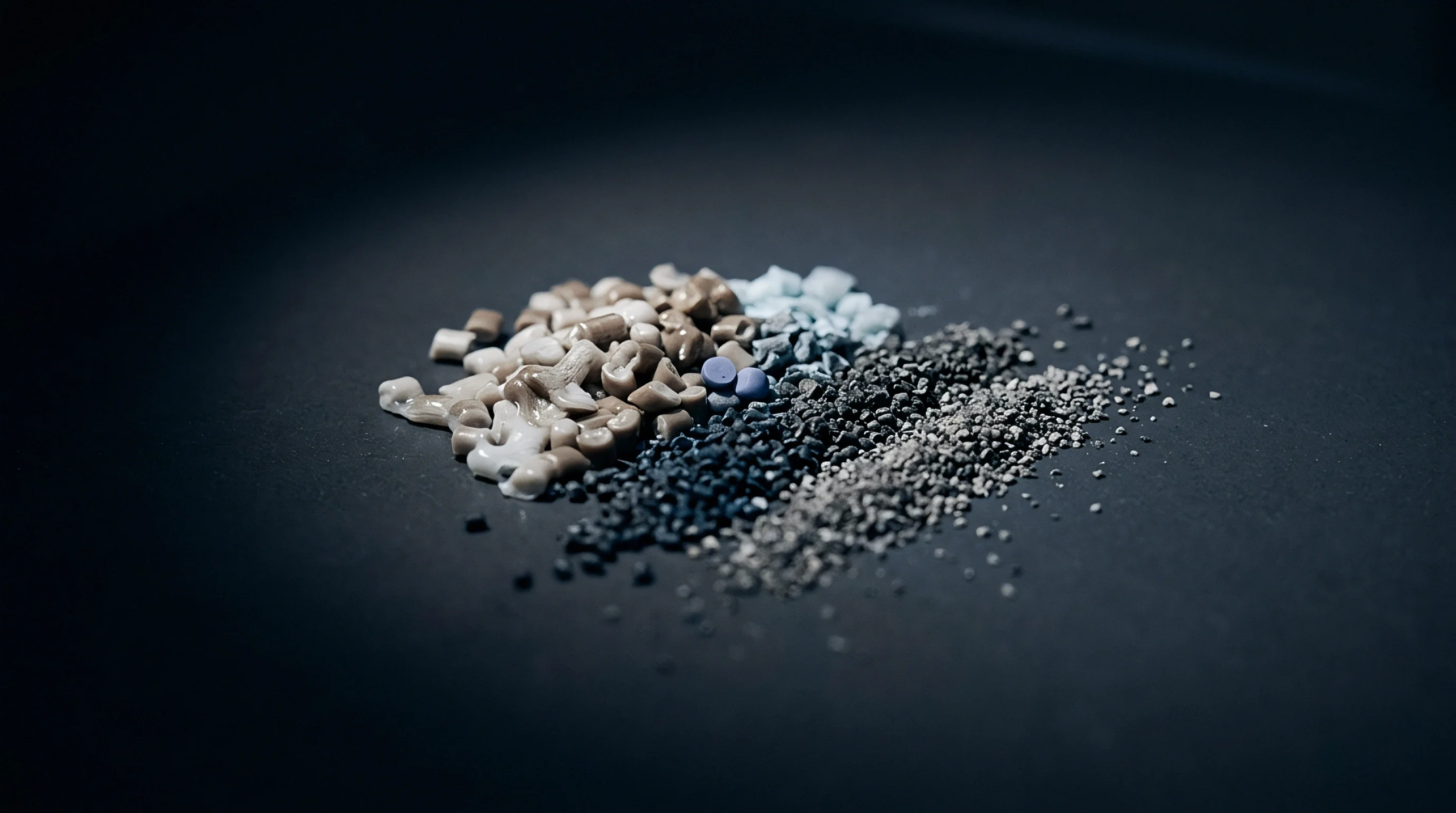
Prevention of material failure requires the use of high-efficiency desiccant dryers to remove water from the resin pellets before they enter the press. Ester cleavage can be avoided by maintaining the moisture content below the specific limit defined on the material datasheet. Testing the resin with a moisture analyzer provides a quantifiable check before production starts.
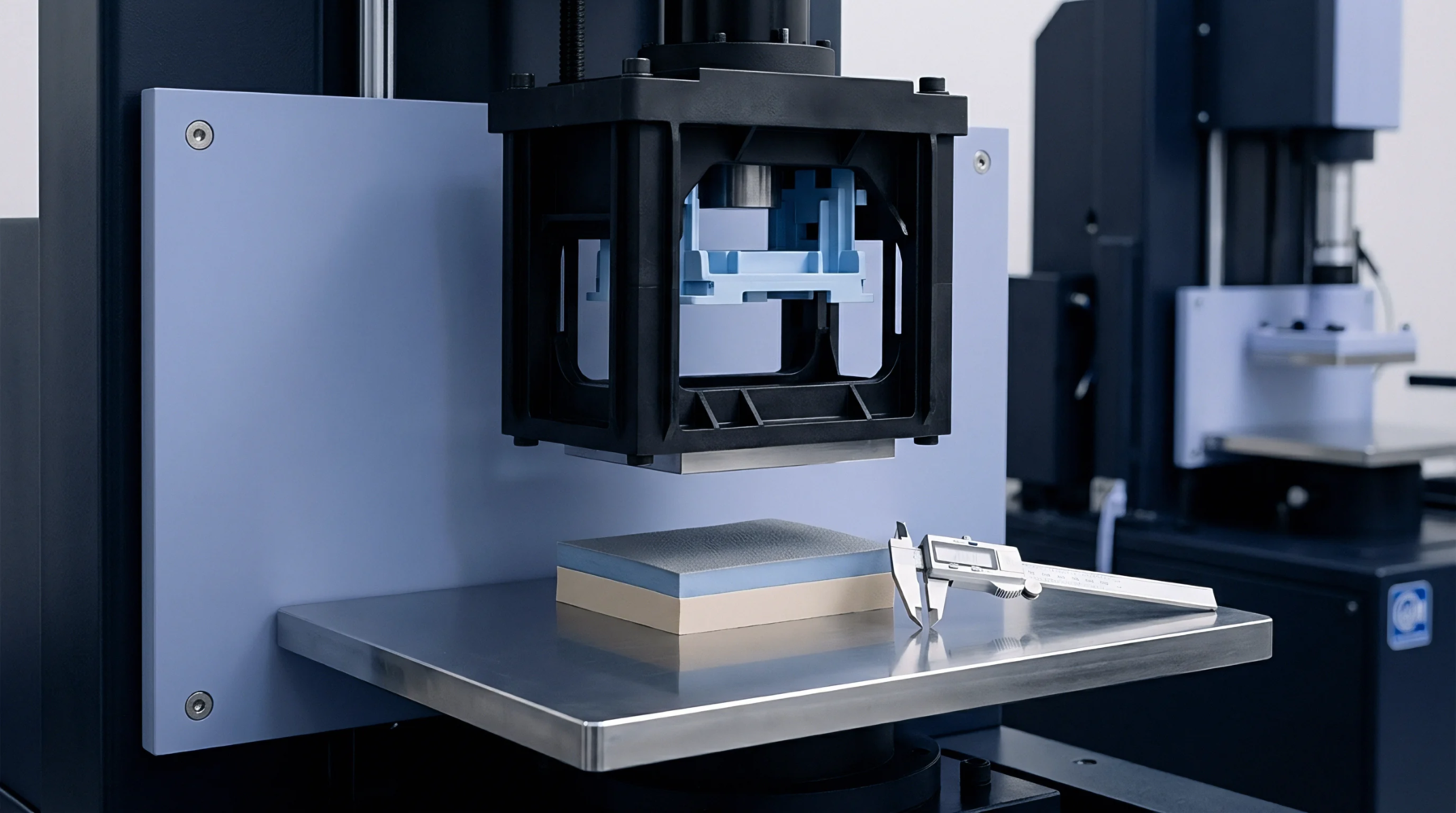
Once the bonds are broken, the damage is irreversible and the regrind cannot be used for high-stress applications. Parts moulded from degraded resin will often fail during assembly or shortly after entering service due to their inability to withstand impact or stress.