Meaning
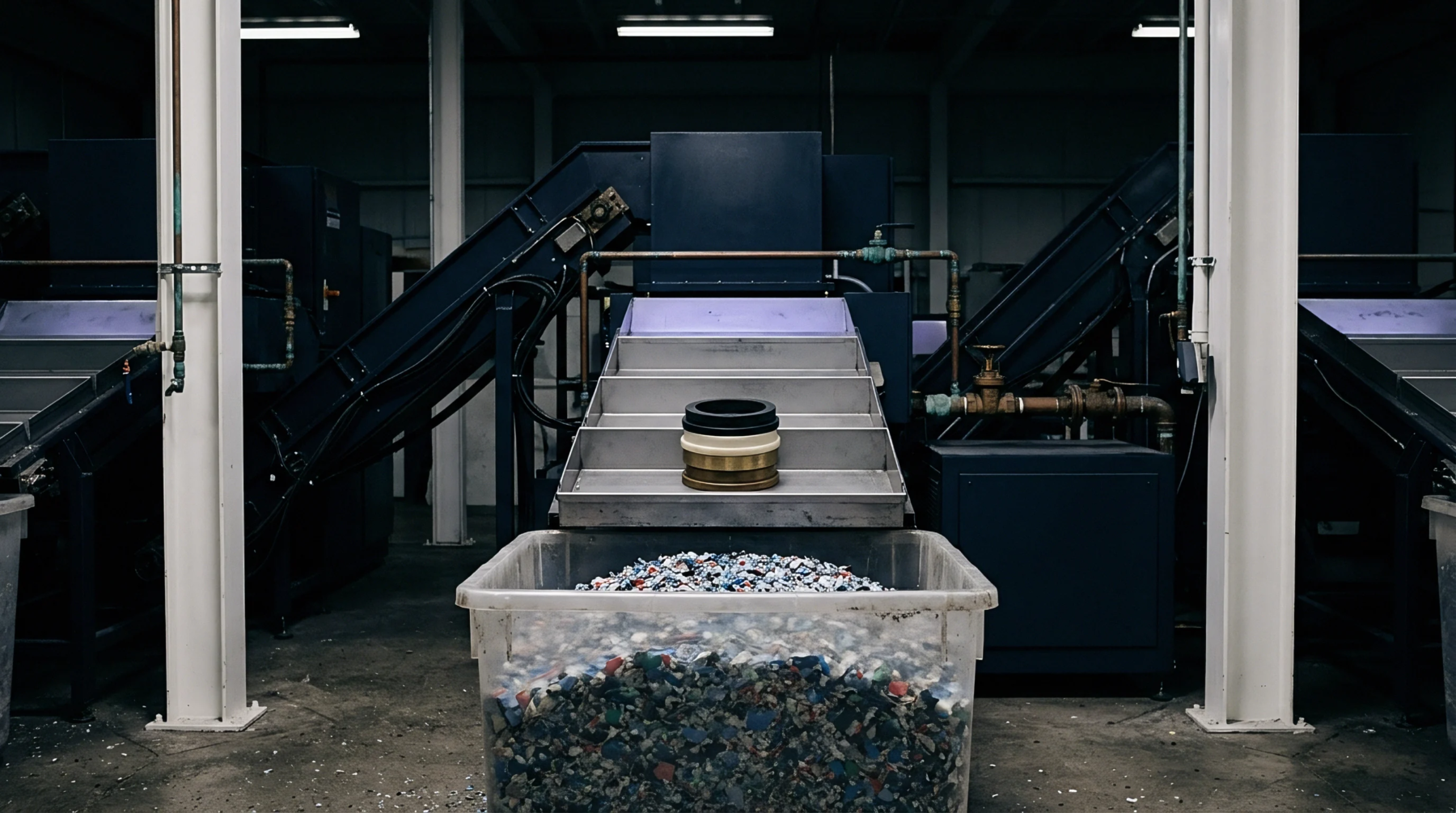
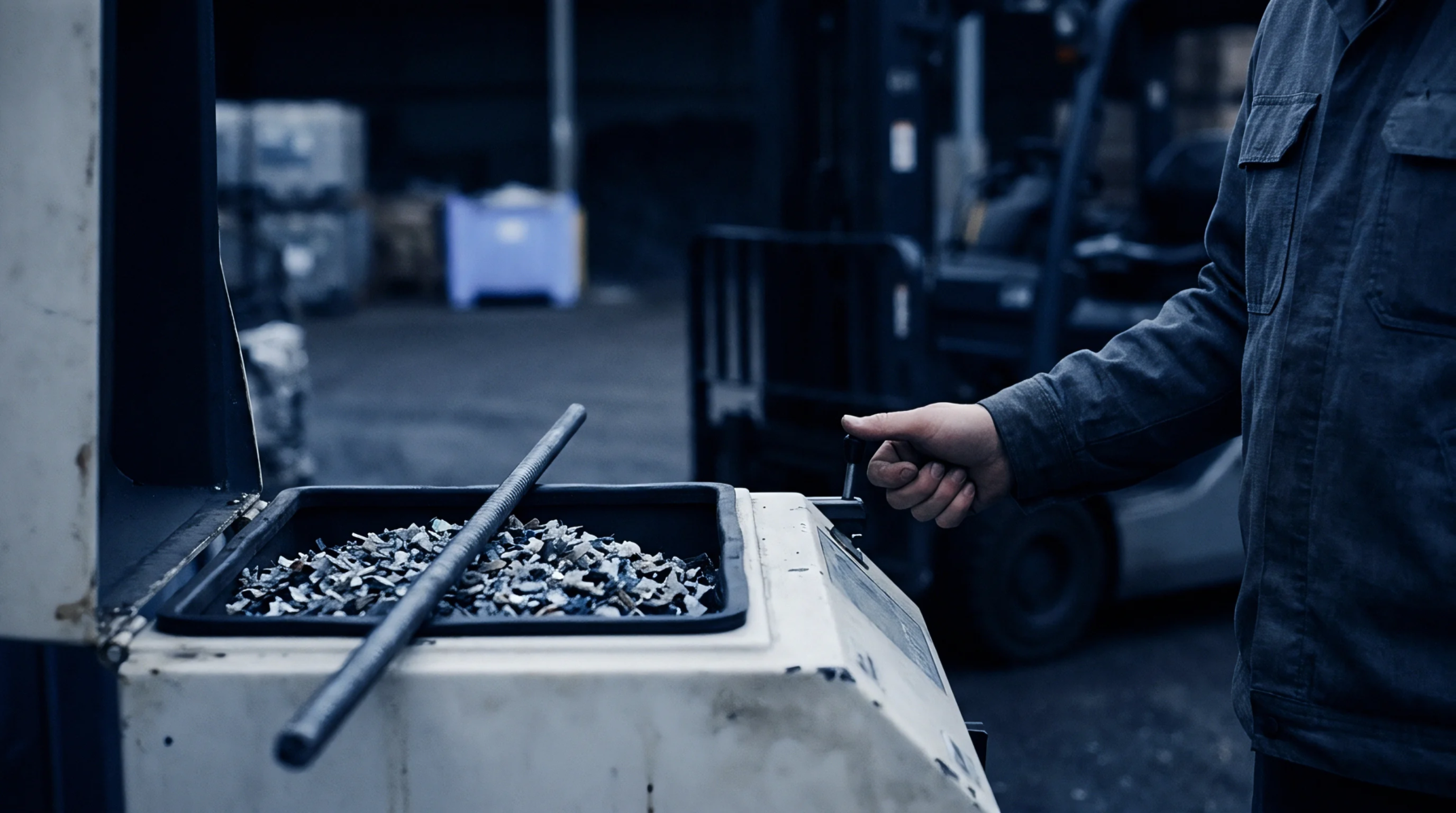
Reprocessed thermoplastic resin originating from post-consumer or post-industrial waste streams serves as a sustainable feedstock for manufacturing durable goods by excluding virgin petroleum-based monomers from the initial production cycle. Recycled polyethylene originates from common packaging waste including blown film and blow-moulded containers which undergo shredding, washing and melt filtration to reach a pelletized state suitable for subsequent processing. Mechanical degradation during these recovery phases frequently alters the molecular weight distribution compared to the parent resin, which limits the mechanical performance of the material in high-stress applications.
Boundary conditions for this classification require the source material to have reached a discrete consumer or industrial product state before undergoing collection for circular utility, thereby distinguishing such outputs from internal factory scrap which remains within the original conversion plant.
Polymer Rheology
Melt flow rate variations remain the primary indicator of batch consistency for these materials, as repeated thermal cycles during extrusion and injection moulding induce chain scission or cross-linking effects. A moulder observes these fluctuations as changes in cavity pressure profiles, where inconsistent cooling rates during production run cycles lead to dimensional drift or part shrinkage beyond the tolerance set for virgin grades. Stabilizers added during the compounding phase manage these viscosity changes, though effective control rests on the incoming contamination levels found within the feedstock batch.
Part specifications requiring high environmental stress crack resistance often fail when the processed resin exhibits high levels of residual additives or mixed copolymer contents that prevent uniform crystallization across the part geometry.
Economic Integration
Price structures for these resins fluctuate based on the availability of clean sorting streams and the energy inputs required for secondary processing, whereas virgin material costs correlate directly with upstream oil indices. Manufacturers assess the viability of adopting regrind by balancing the lower procurement cost against the higher defect rates and increased maintenance needs of tooling prone to abrasion from residual contaminants. Procurement strategies often prioritize pellet uniformity to minimize the risk of clogging fine-mesh screen packs during high-speed extrusion lines where downtime costs accrue rapidly.
High demand for food-grade circular polymers creates a supply tension that forces non-packaging sectors to accept lower-tier resins with higher variability.
Processing Dynamics
Injection pressures require frequent adjustment during the moulding of recycled polyethylene to account for the lowered melt strength that occurs when thermal history compromises the chain length of the base polymer. Operators fix the hold pressure based on real-time monitoring of weight per part to compensate for the drift in material density that arises from batch-to-batch variation in crystallinity. Tooling designers specify larger gates to prevent shear-induced degradation as the melt passes into the cavity, as even minor increases in temperature trigger the oxidative breakdown of polymer chains.
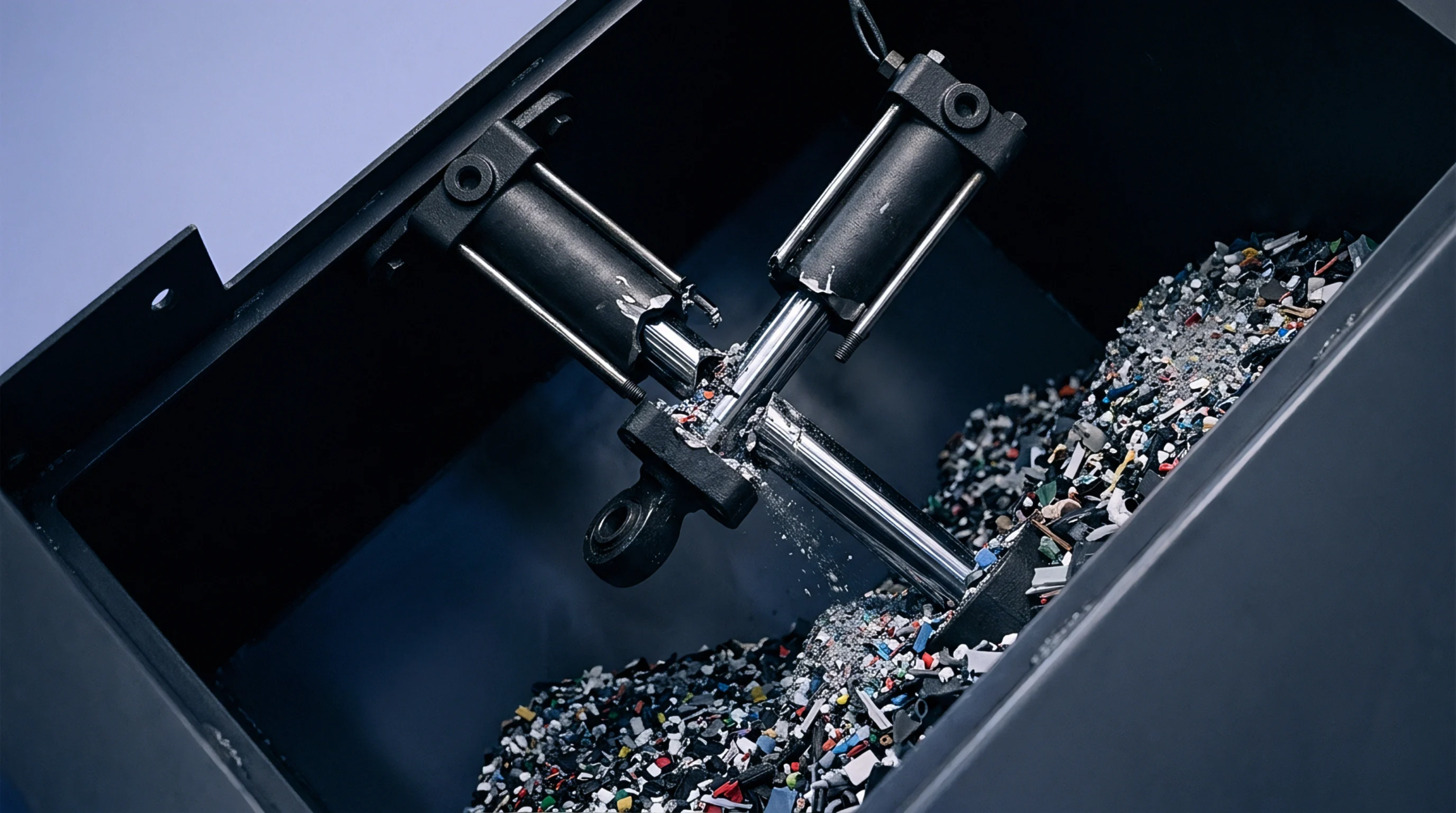
Moulders manage this uncertainty by blending virgin pellets with the regrind stream to anchor the physical property envelope and maintain the cycle times required for commercial production volumes. Proper thermal management within the nozzle and screw assembly prevents the accumulation of degraded material that creates structural weak points. Reliable performance of the final component hinges on strict control of the thermal budget during every conversion pass.