Determining Hydrolytic Degradation Thresholds in Virgin Resin Feedstocks
Hydrolytic degradation thresholds require drying virgin polyesters below 0.02 percent and polyamides below 0.10 percent water before melt processing.
Hydrolytic degradation thresholds require drying virgin polyesters below 0.02 percent and polyamides below 0.10 percent water before melt processing.

Drift calibration isolates cell background current from true sample moisture, preventing hydrolytic degradation and avoiding false incoming resin lot rejections.
Polyethylene terephthalate trace moisture determination relies on Karl Fischer coulometric oven extraction at 170 to 180 degrees Celsius to prevent chain scission.
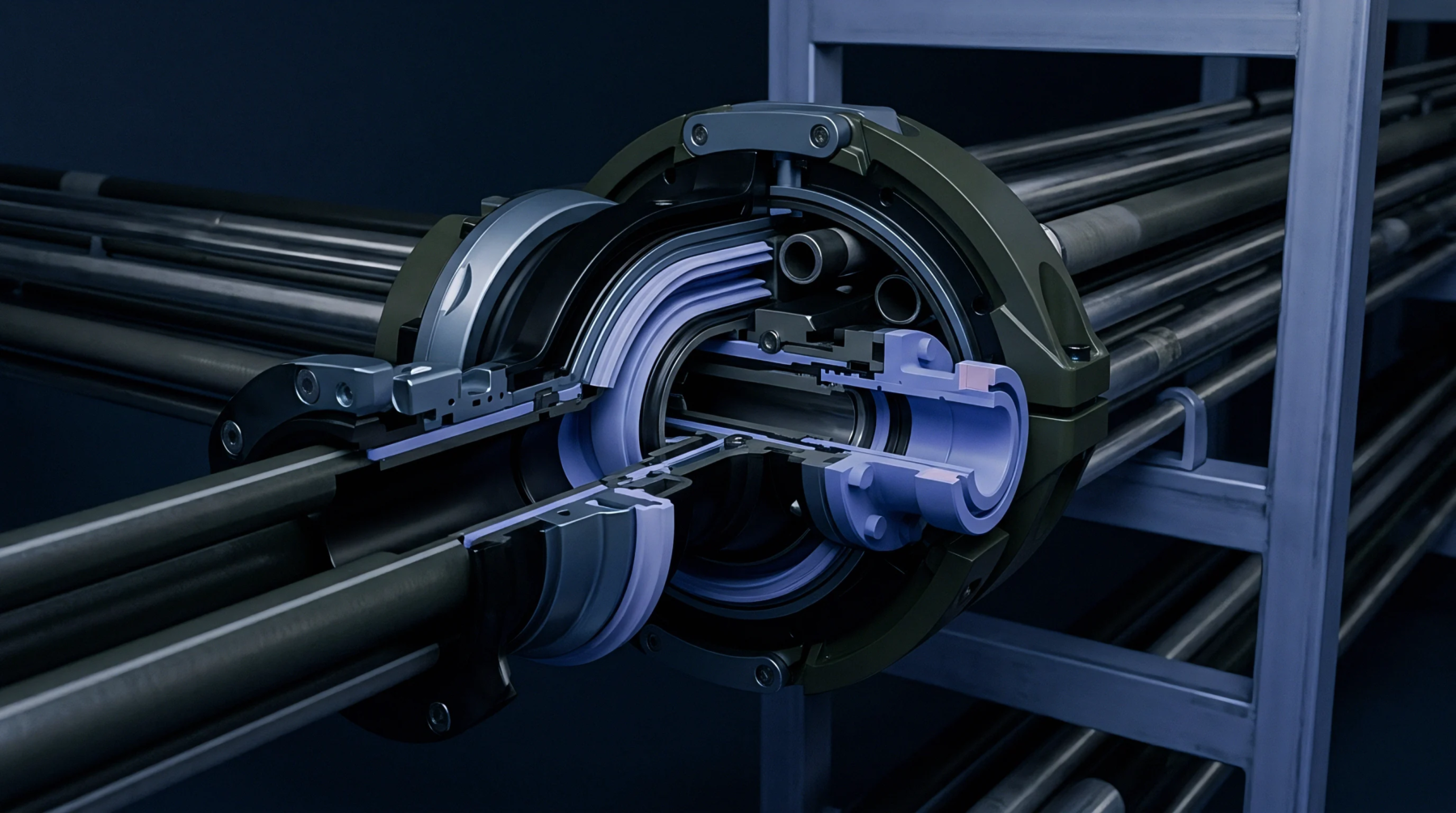
Controlling micro-zone hydrolytic degradation in PET extrusion requires suppressing boundary-layer moisture below 30 ppm and limiting local shear heating spikes.
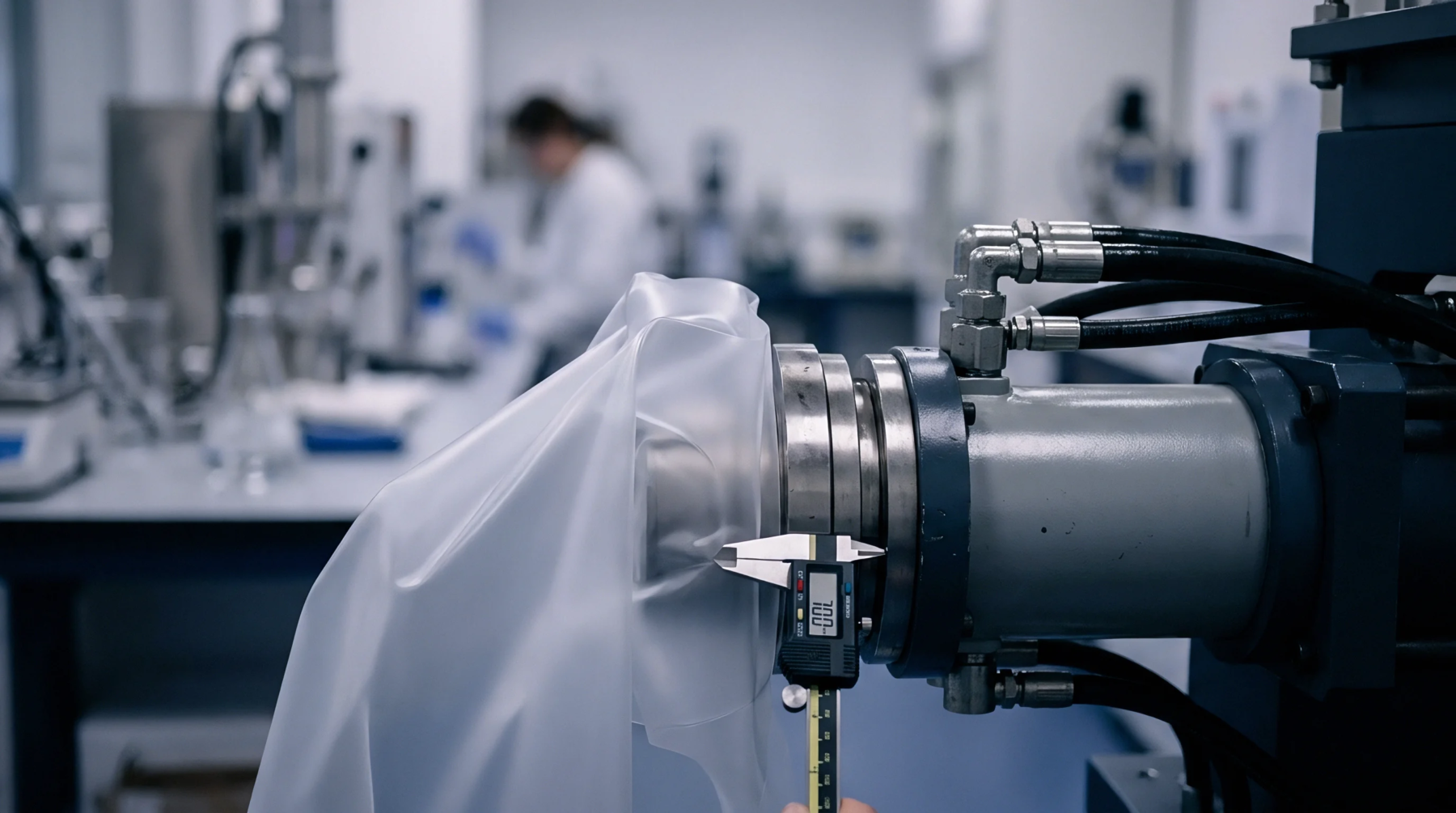
Extruding polyesters above 280°C demands moisture below 30 ppm to prevent ester hydrolysis, intrinsic viscosity loss, and catastrophic part brittleness.
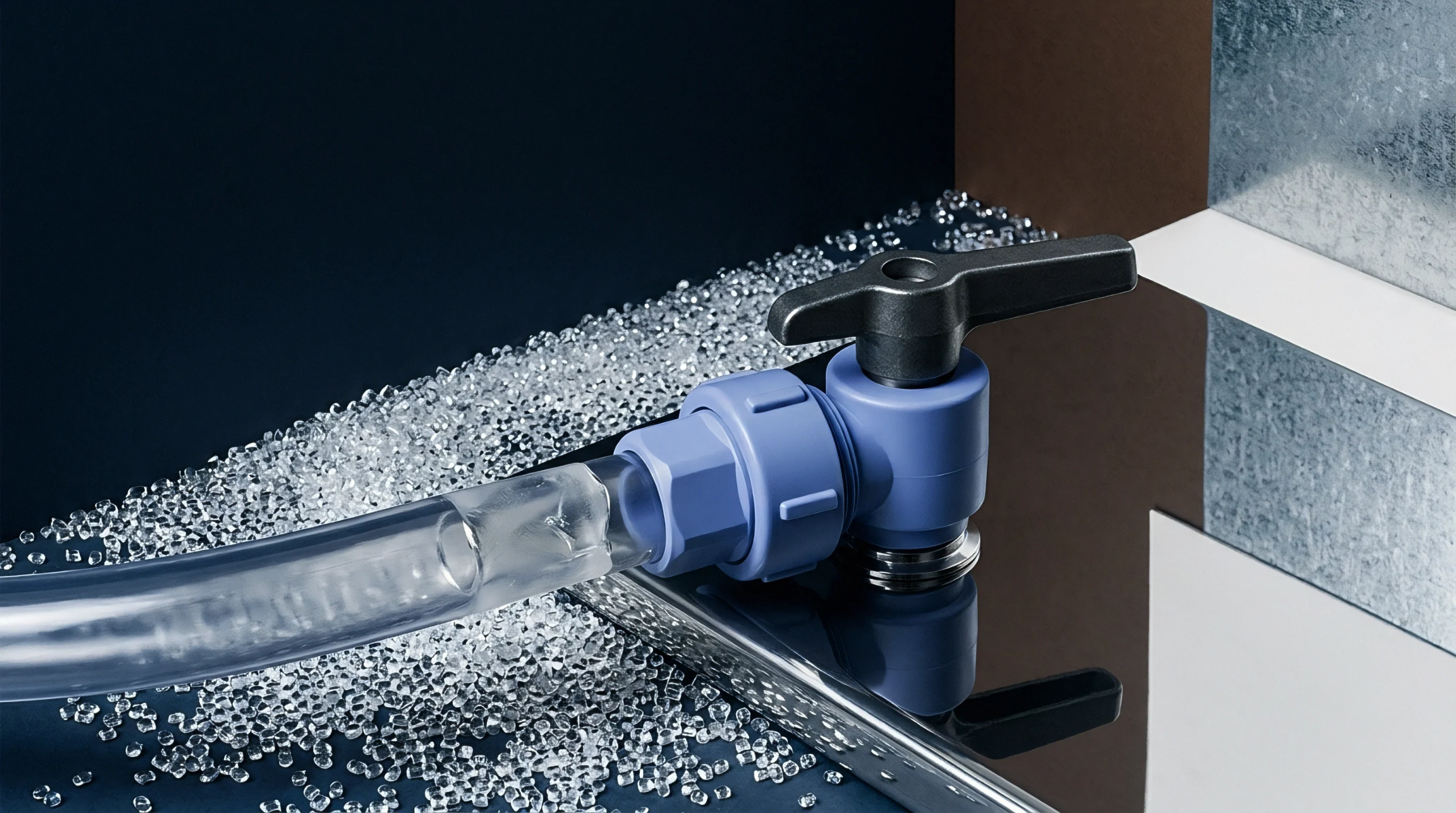
Coupling thermal desorption solvent extraction with non aqueous potentiometric titration quantifies volatile contaminants and acid values in recycled polyolefins.

Accurate rPET flake volatile testing pairs ASTM D6980 sensor drying for moisture with ASTM F2013 headspace gas chromatography for acetaldehyde and solvents.
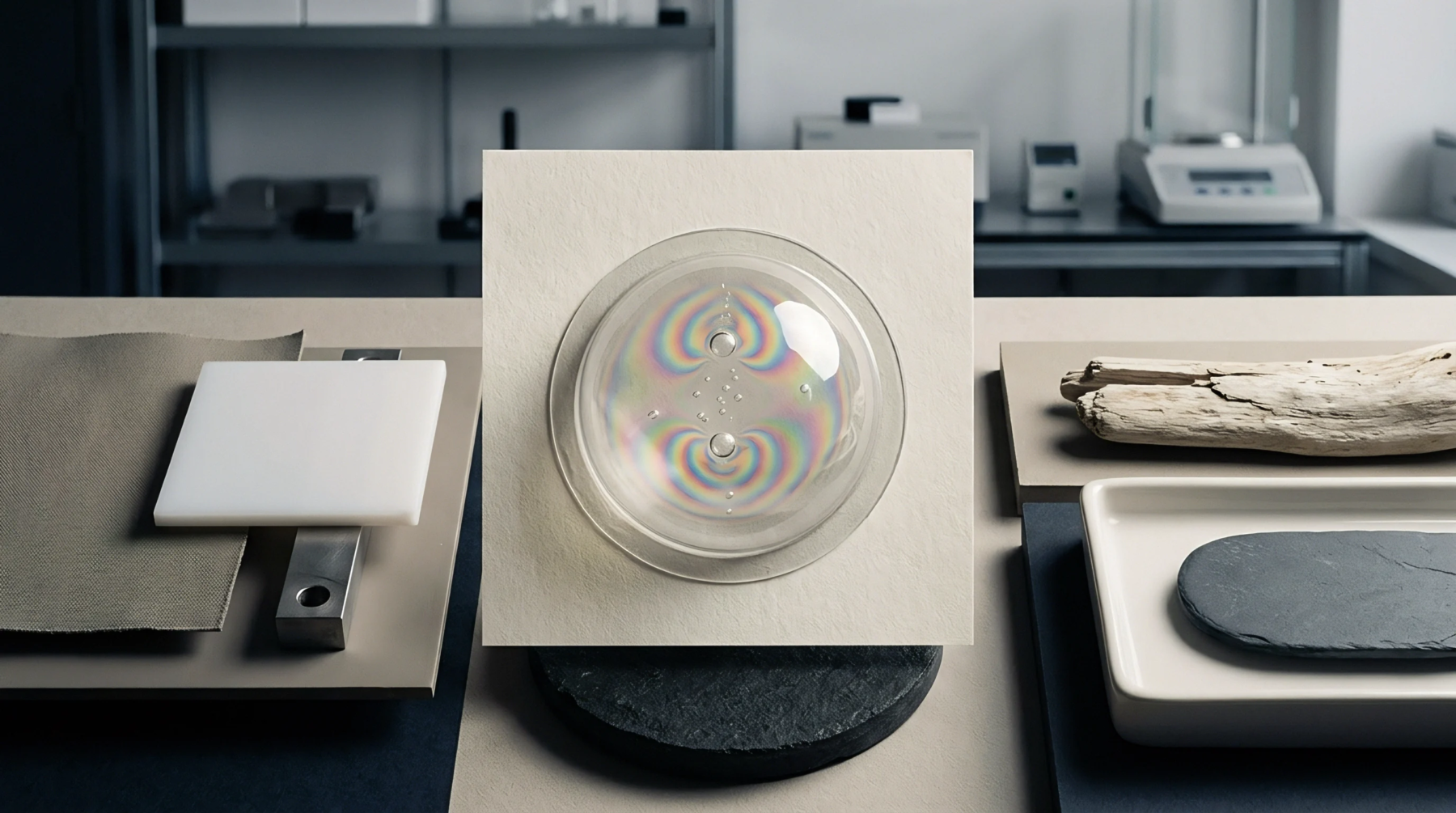
Karl Fischer moisture testing of recycled PET flake requires thermal desorption at 170 C with methanol-free reagents to eliminate volatile interference.

Optimize rPET desiccant drying at 160-170°C with -45°C dew point dry air to maintain moisture under 30 ppm and prevent intrinsic viscosity drop.
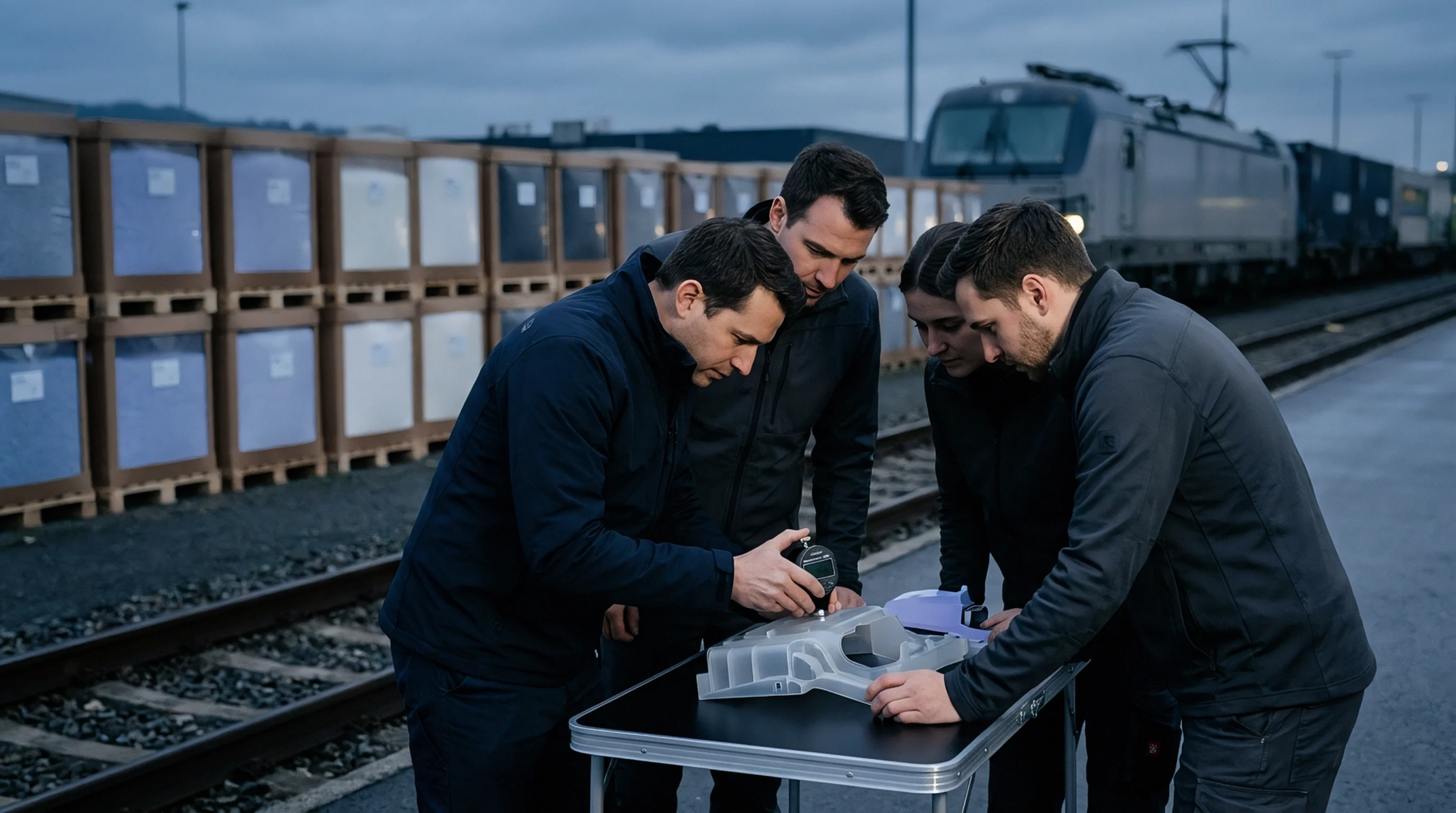
Coulometric Karl Fischer titration with thermal desorption isolates true moisture in bio-polyesters, preventing false readings from monomer breakdown and avoiding melt hydrolysis.
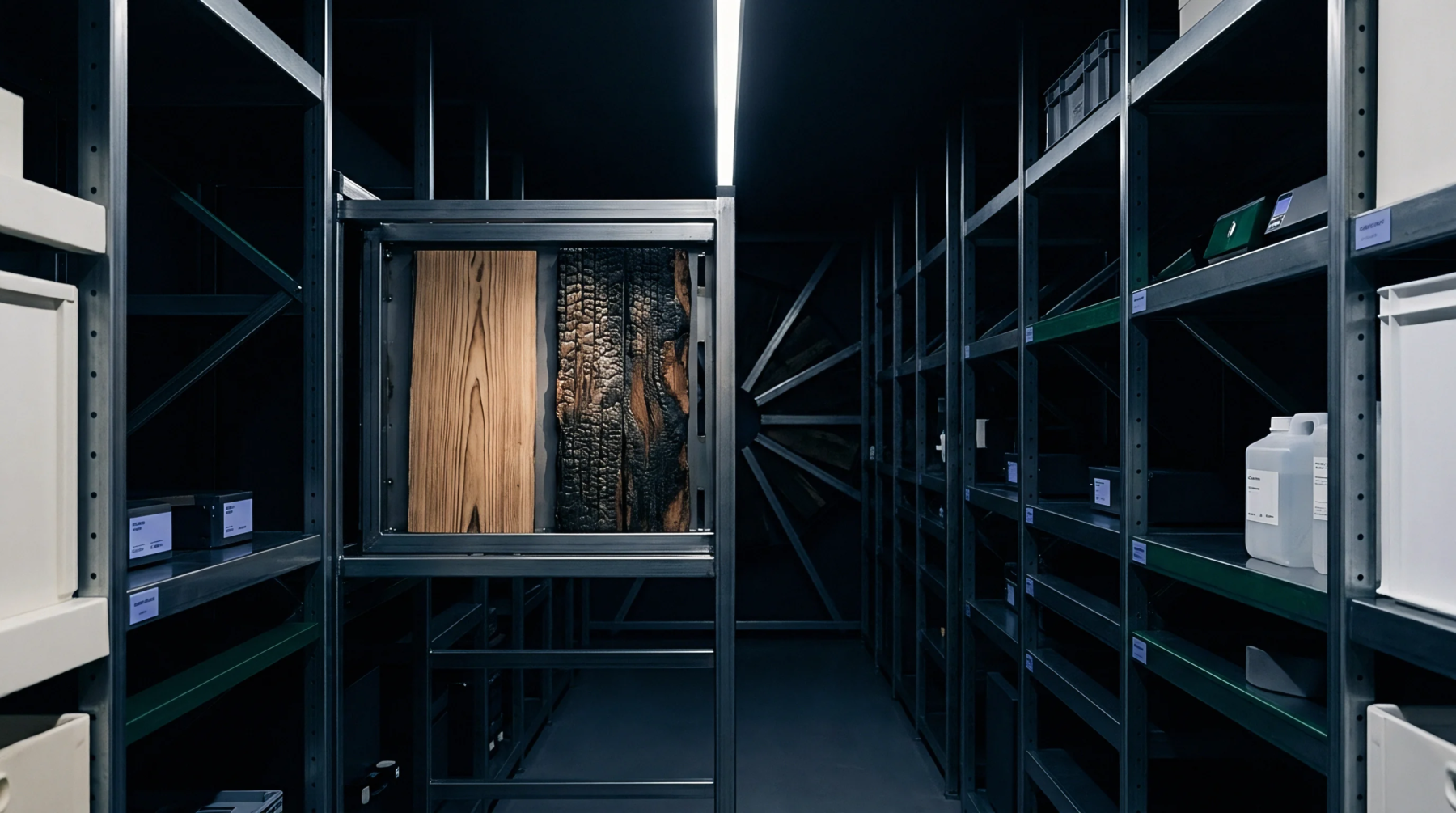
Proving undisclosed hydrolytic degradation in polyamides requires solution viscometry per ISO 307 and carboxyl end-group titration per ISO 16533.
Calculate downtime penalties by summing unabsorbed press hourly burden, loaded labor, scrapped resin mass, purge cycles, and hot runner clearing expenses.
Headspace Karl Fischer titration requires temperature optimization between desorption and polymer decomposition to measure true moisture without pyrolytic errors.

Coulometric Karl Fischer testing with oven desorption at 170 °C isolates true water content in rPET below 50 ppm, preventing costly IV degradation during melt processing.
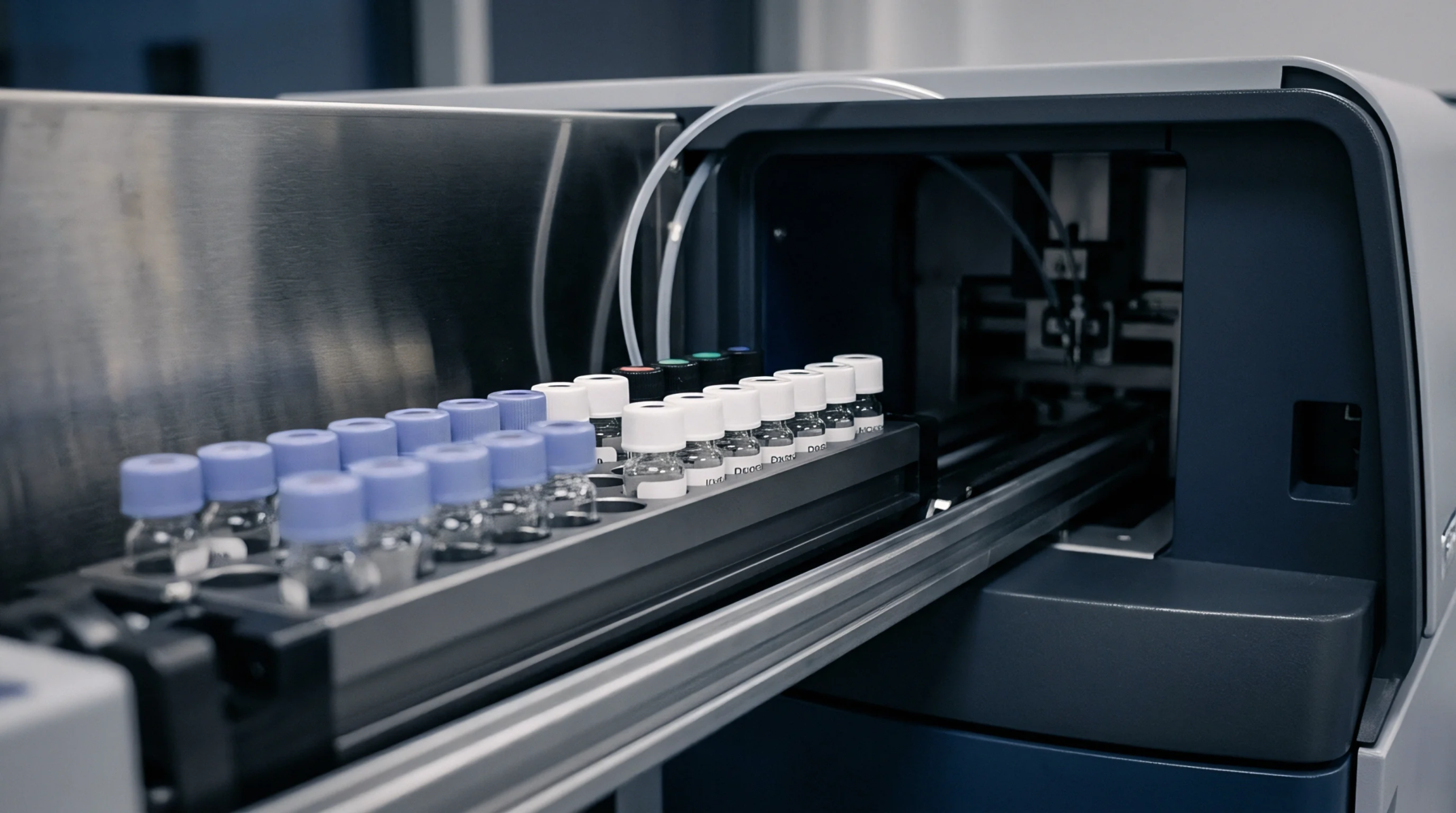
Solid-phase transesterification releases stoichiometric reaction water during vaporization coulometry, creating analytical bias that requires linear baseline deconvolution.
Polyethylene terephthalate ester bonds hydrolyze rapidly in melt above 270 °C, requiring drying below 30 ppm moisture to prevent intrinsic viscosity collapse.

Thermal desorption titration quantifies non-aqueous volatiles in rPET down to 2.5 ppm when cryogenic milling eliminates diffusion limits and baseline drift is corrected.
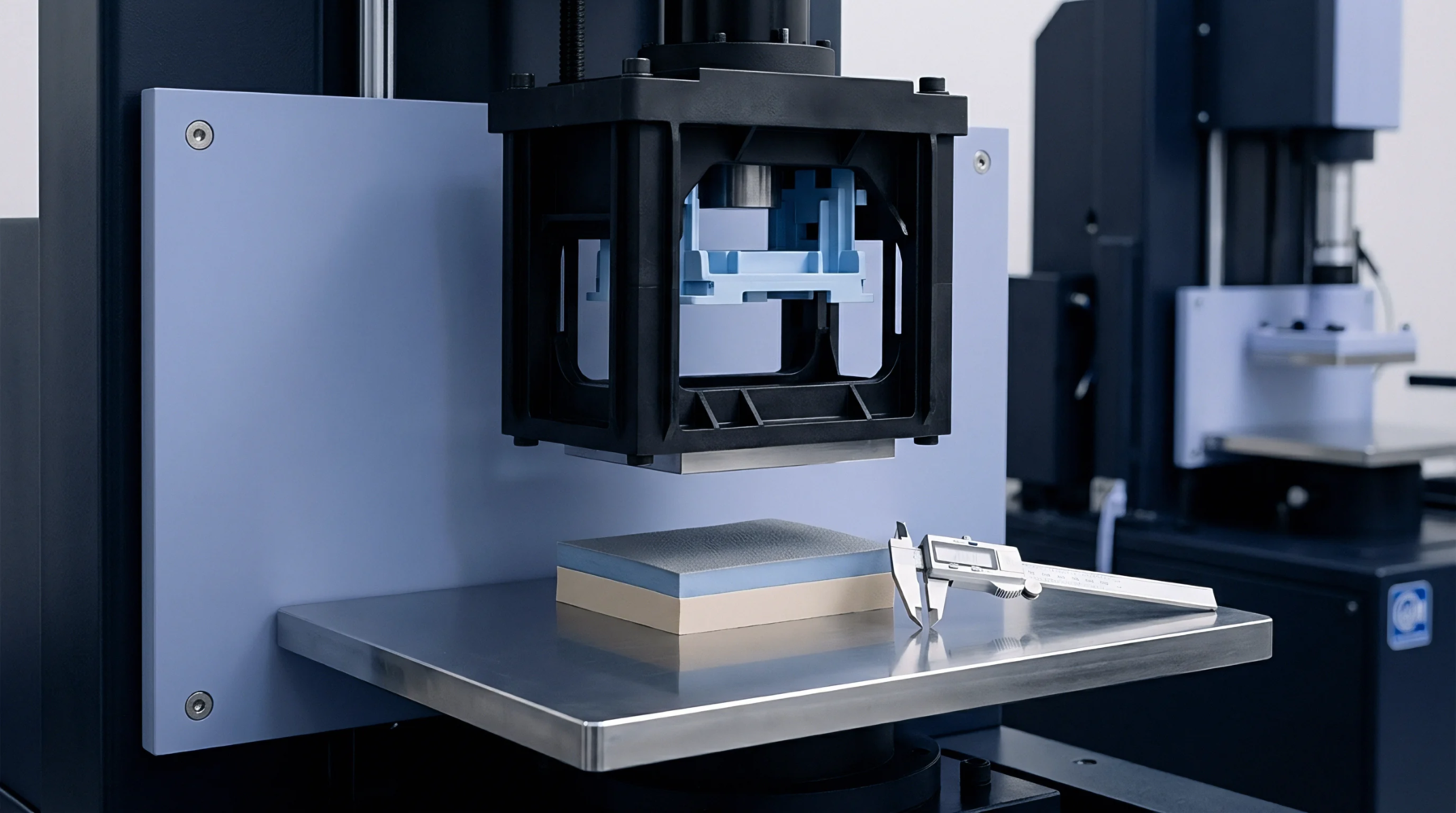
Accurate moisture testing below 50 ppm via Karl Fischer oven titration prevents hydrolytic intrinsic viscosity degradation in recycled PET during melt processing.

Solid-state transesterification generates parasitic water during thermal extraction; dynamic baseline deconvolution prevents false moisture rejections.

Coulometric baseline deconvolution separates true matrix moisture from organic volatile interference in rPET, preventing false lot rejections and IV degradation.
Mathematical integration models decouple physical moisture from thermal ester cleavage off-gas water to ensure accurate resin quality control.

Evidencing post-consumer recyclate requires batch-level physical mass balance audit trails, independent radiocarbon or DSC testing, and rigorous dock-side sampling before silos accept delivery.
Expertise is a utility, not a secret. sentiention™ publishes its working knowledge as open reference: intelligence layer covering the materials it sources, the markets it enters, and the reference that serves both.