
Determining Moisture Absorption Limits in Virgin Polyethylene Terephthalate
Virgin PET requires desiccant drying to below 50 ppm moisture to prevent hydrolytic degradation and intrinsic viscosity loss during thermal processing.
Virgin PET requires desiccant drying to below 50 ppm moisture to prevent hydrolytic degradation and intrinsic viscosity loss during thermal processing.

High-temperature Karl Fischer testing overestimates rPET moisture via peroxide breakdown; extracting at 160°C or applying scavenger additives eliminates the artifact.
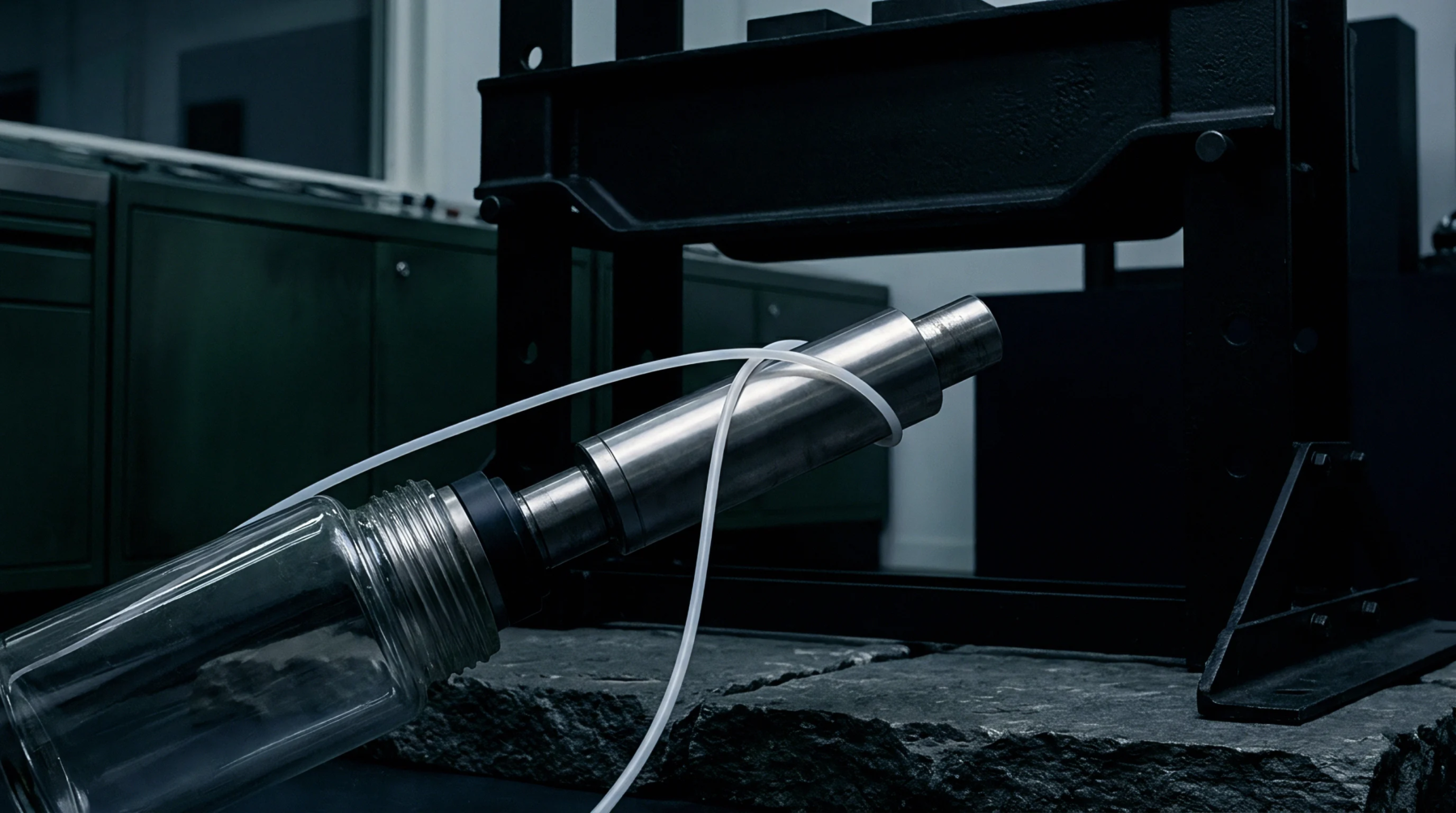
Stepped thermal vaporization coulometry separates surface and internal moisture from degradation water in polyesters to eliminate false high moisture readings.
In-line solid-phase trapping at 85 C strips terpene and fatty acid volatiles, preventing false coulometric moisture spikes in post-consumer polyolefin analysis.

Chromatographically coupled coulometry separates true polymer moisture from volatile organic contaminants, eliminating false titration readings in recycled resin.

Coulometric Karl Fischer titration with thermal vaporization quantifies micro-ppm moisture in polyesters to prevent hydrolytic chain scission during processing.

Set oven desorption temperatures twenty degrees below polymer degradation points while maintaining carrier gas sweep rates between forty and seventy milliliters.

Drift calibration isolates cell background current from true sample moisture, preventing hydrolytic degradation and avoiding false incoming resin lot rejections.
Selective thermal desorption and specialized reagent chemistry eliminate non-aqueous volatile errors during post-consumer recyclate moisture analysis.

Coulometric Karl Fischer titration paired with thermal desorption measures water down to 10 ppm while preventing matrix degradation in recycled polymers.

Thermal desorption titration quantifies non-aqueous volatiles in rPET down to 2.5 ppm when cryogenic milling eliminates diffusion limits and baseline drift is corrected.
Expertise is a utility, not a secret. sentiention™ publishes its working knowledge as open reference: intelligence layer covering the materials it sources, the markets it enters, and the reference that serves both.