Meaning
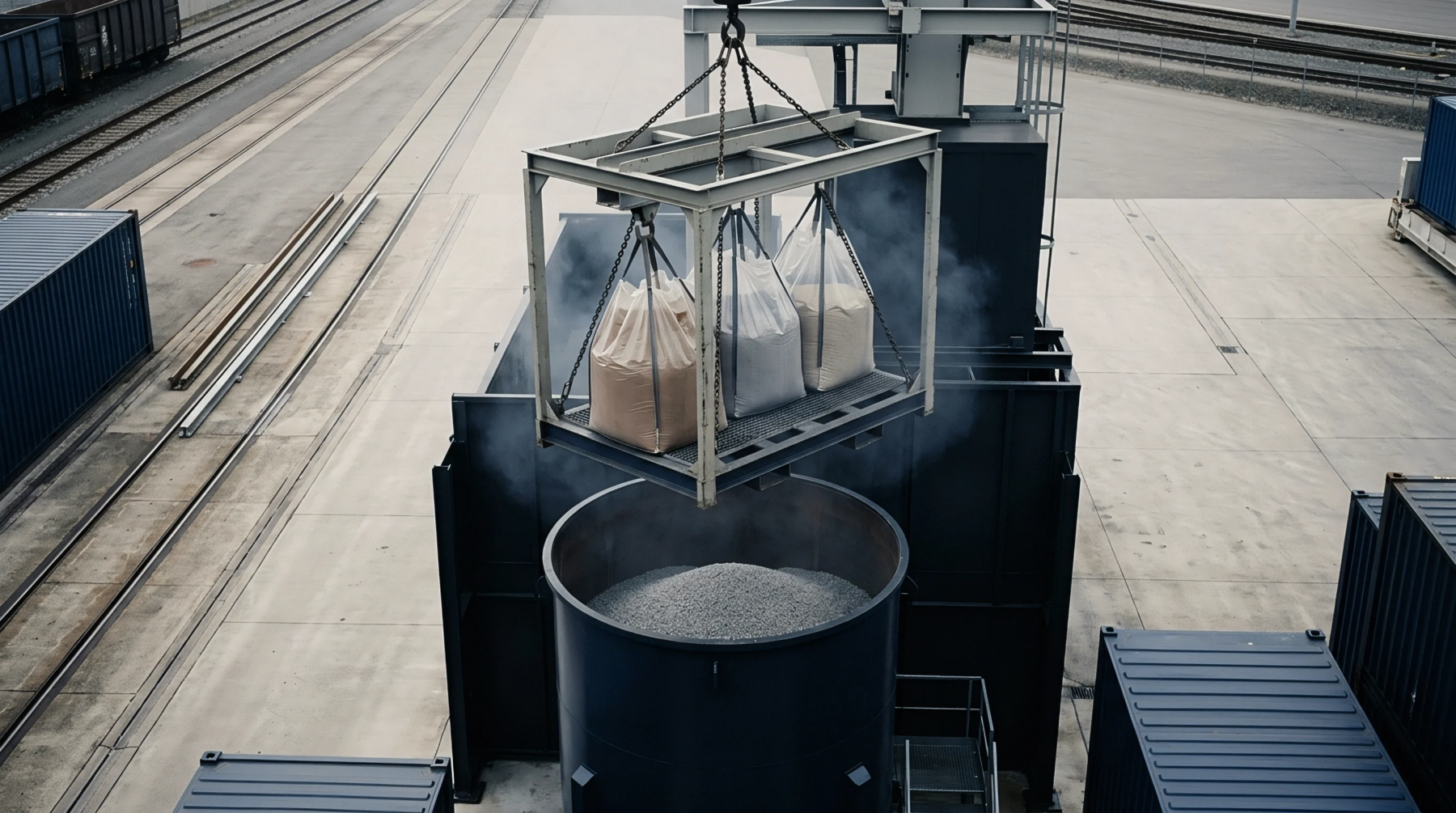
Solid state polymerization is a thermal upgrading process applied below the melting point of a resin to increase molecular weight and remove residual volatiles from preformed pellets. Chemical condensation reactions continue inside the polymer chains while the material remains solid, driven by elevated temperature and inert gas purging or vacuum exposure. This operation governs intrinsic viscosity and residual acetaldehyde content, and the processing step occurs between initial pellet production and high performance conversion.
Thermal degradation limits stop applying when chain extension stalls or moisture induces excessive hydrolysis instead of proper chain growth.
Thermal Kinetics
Processing temperatures must remain strictly below the pellet softening point to prevent particle agglomeration inside the reactor vessel. Heat transfer efficiency dictates the rate at which condensation byproducts diffuse out of the core of the chip. Temperature drift upward causes bridging across reactor walls, while insufficient thermal energy halts molecular weight advancement entirely.
Residence time distribution inside the column determines the final viscosity spread across virgin batches.
Resin Economy
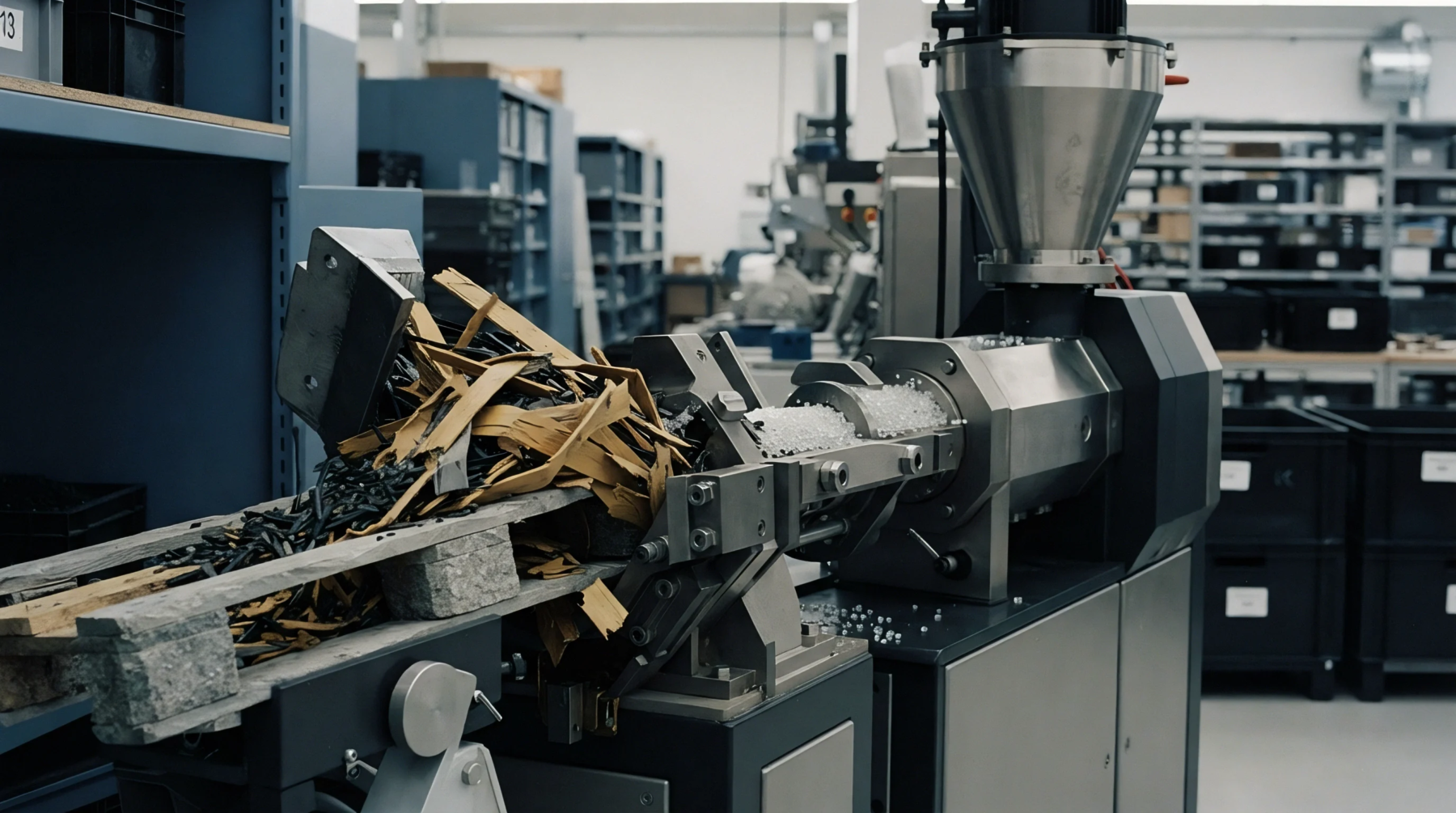
Virgin resin economics depend heavily on upgrading lower grade pellets through this thermal treatment to achieve bottle or engineering specifications without purchasing entirely new high viscosity polymers. Regrind material introduces broad molecular weight distributions that complicate solid state polymerization kinetics because fine particles sinter differently than uniform virgin pellets. Datasheet values represent steady state laboratory runs, whereas active shop floor extruders must contend with fluctuating pellet crystallinity and varying moisture levels inherited from the upstream reactor.
Moulding Defect
Extrusion blow moulding operations suffer from parison sag and wall thickness variation if the supplied resin lacks the necessary intrinsic viscosity achieved during upgrading. Part specifications demand consistent melt strength to support the hanging tube before mould closure, and molecular weight drift causes immediate dimensional failure in large containers. Thermal processing faults leave residual acetaldehyde that contaminates sensitive food packaging and causes severe taste rejection during final consumer testing.