Post-Consumer Polyester Non-Aqueous Volatile Desorption Kinetics Baseline
Non-aqueous volatile desorption kinetics in post-consumer polyester depend on flake thickness, Arrhenius diffusion limits, and sweep gas partial pressures.


Solvent
Post-consumer poly(ethylene terephthalate) streams carry complex mixtures of non-aqueous organic species absorbed during prior packaging lifecycles. These compounds diffuse into the polymer bulk during storage of liquid contents, industrial wash cycles, printing operations, and post-consumer collection exposure. Standard washing steps remove surface oil and aqueous residues, yet non-aqueous volatile organic compounds stay trapped inside the solid matrix.
Removing these deeply absorbed contaminants during thermal processing is the core challenge of producing high-purity recycled resins.
Desorption kinetics in non-aqueous volatile systems differ fundamentally from moisture stripping. Water possesses a small molecular radius, low polarizability, and high hydrogen-bonding affinity with ester linkages, allowing predictable thermal release during standard drying. Non-aqueous volatiles span a broad spectrum of molecular weights, polarities, and solubility parameters.
Flavor compounds like limonene, industrial solvents like toluene and methyl ethyl ketone, printing ink carriers, and packaging additives like plasticizer fragments exhibit distinct interaction energies with poly(ethylene terephthalate) chains.
Isolating the diffusion regime from moisture desorption clarifies how non-aqueous organic volatiles behave in post-consumer polyester. Water vapor departs rapid heating zones early in thermal conditioning, whereas non-aqueous volatile molecules remain bound within amorphous polymer domains. The rate at which these organic molecules migrate to the pellet surface governs the thermal dwell time needed to reach food-contact purity levels, with flake thickness setting the overall diffusion rate.
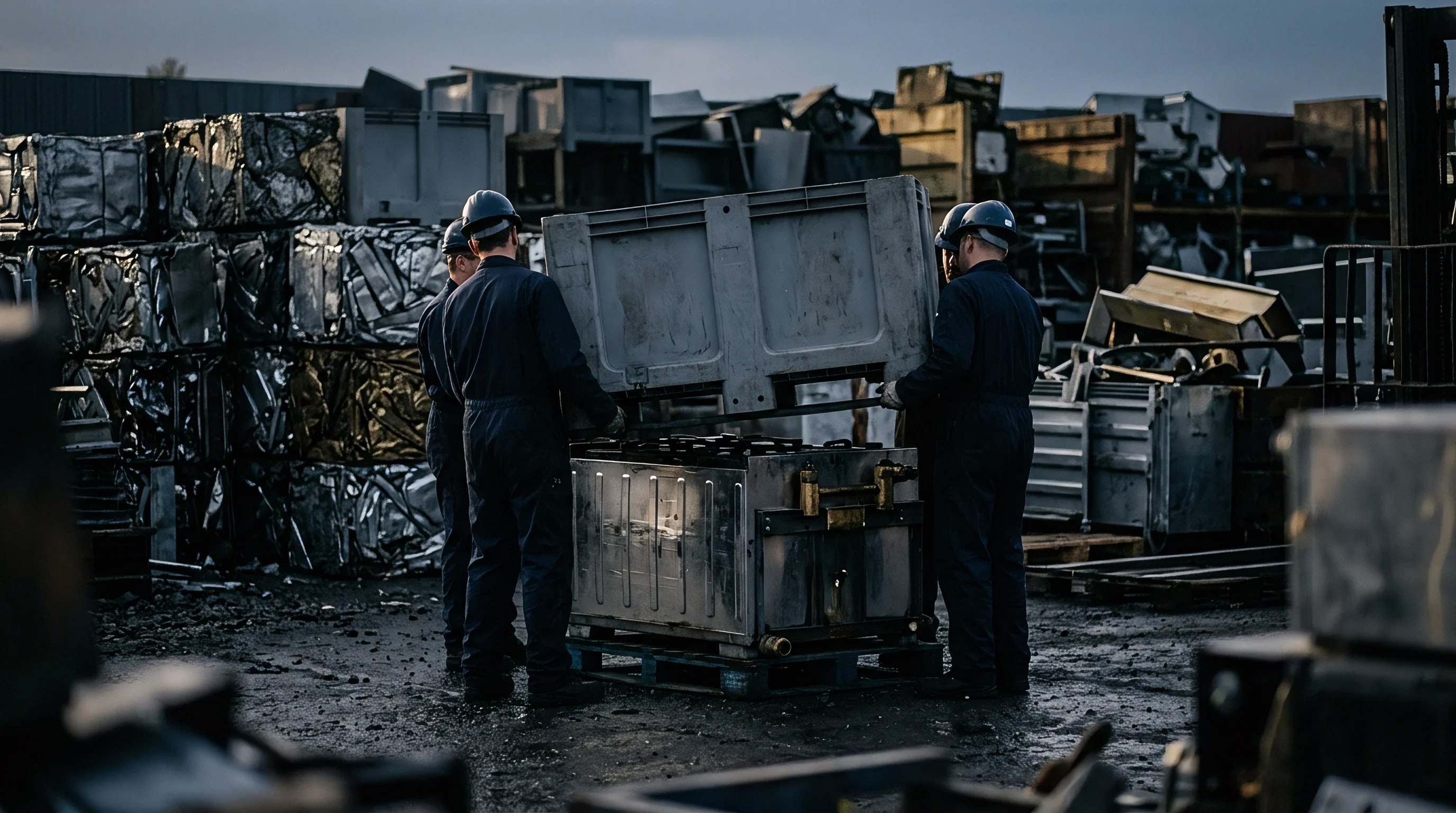
Chemical Taxonomy of Contaminants
Absorbed organic compounds in post-consumer packaging flakes originate from industrial washing fluids, printing inks, adhesives, and consumer contents like flavorings. Non-polar aromatics such as toluene and xylene dissolve readily into amorphous polyester regions during short contact times. Polar species like ethyl acetate, methyl ethyl ketone, and substituted alcohols display moderate solubility, forming localized dipole interactions with carbonyl groups along the polyester backbone.
Terpenes like limonene present high molecular volumes, generating substantial steric hindrance that slows mass transport through the polymer matrix.
Linear and branched alkanes from mineral oil residue present high octanol-water partition coefficients, driving preferential absorption into non-polar polymer phases during liquid contact. Cyclic oligomers originating from the poly(ethylene terephthalate) polymerization reaction itself also act as volatile contaminants under extreme processing temperatures. These trimers, tetramers, and pentamers volatilize above two hundred degrees Celsius, co-eluting with foreign non-aqueous organic species during thermal devolatilization analytical sweeps.
Absorption depth correlates directly with contact duration and environment temperature during the primary use phase of the container. Bottles stored under elevated ambient temperatures absorb higher total concentrations of volatile flavor compounds into bulk amorphous regions. Flakes derived from thick-walled container necks carry higher volumetric contaminant loads than thin sidewall fractions.
Variations in feedstock origin create unpredictable initial volatile concentration baselines across incoming post-consumer resin lots.

Matrix Plasticization Dynamics
Polymer free volume expands when small organic molecules penetrate the amorphous domains of poly(ethylene terephthalate). High concentrations of absorbed solvents reduce the glass transition temperature of the polymer matrix, increasing local chain segment mobility. This plasticization effect shifts the activation energy required for molecular jumping, altering desorption kinetics as the contaminant concentration drops during thermal processing.
Initial desorption rates from highly plasticized post-consumer polyester appear deceptively fast. As volatile species migrate out of the solid phase, free volume contracts, causing local glass transition temperatures to rise back toward eighty degrees Celsius. The polymer structure stiffens during the devolatilization process, creating a self-retarding diffusion profile.
Secondary desorption phases require significantly higher thermal energy inputs to drive out remaining trace volatiles.
Limonene desorption from a zero point five millimeter post-consumer polyester flake at one hundred and eighty degrees Celsius exhibits a diffusion coefficient of three point two times ten to the minus eleven square centimeters per second.
Crystalline domains within post-consumer polyester reject foreign organic molecules during spherulite growth. Contaminants concentrate exclusively within amorphous inter-spherulitic regions, creating localized high-concentration pockets. The effective path length for a diffusing volatile molecule around crystalline obstacles exceeds the geometric thickness of the polymer flake, extending the time required to complete volumetric decontamination.
Chain scission from prior thermal processing loops alters matrix density in recycled polyester. Low molecular weight polymer chains increase total free volume, yielding higher baseline diffusion rates compared to virgin resin grades. Repeated extrusion cycles generate carboxyl end groups that interact strongly with polar non-aqueous volatiles, altering the thermodynamic activity coefficient of residual solvents within the polymer bulk.
Unresolved questions remain regarding how specific ester end-group concentrations alter the binding energy of high-boiling aromatic contaminants in long-term vacuum dwell stages.


Partition
Thermodynamic equilibrium dictates the distribution of volatile species between the solid polymer matrix and the surrounding gaseous atmosphere. The partition coefficient defines the concentration ratio of a specific volatile compound in the polymer phase relative to its concentration in the vapor phase at equilibrium. Low partition coefficients favor rapid release into sweeping gas streams, while high partition coefficients indicate strong chemical affinity between the contaminant and the poly(ethylene terephthalate) backbone.
Desorption kinetics depend simultaneously on the internal diffusion coefficient through the solid polymer and the thermodynamic equilibrium across the polymer surface boundary. Gas-phase partial pressures of the volatile compound directly influence the concentration gradient at the solid surface. If the surrounding gas stream carries residual volatile molecules, the surface concentration remains elevated, suppressing the driving force for outward volumetric diffusion from the polymer core.
Uncleaned post-consumer flakes trap high molecular weight aromatic residues inside amorphous regions. Thermal conditioning drives these molecules toward the surface, where they must evaporate into a sweeping purge gas or high-vacuum environment. Temperature increases both the internal Fickian diffusion rate and the vapor pressure of the contaminant, accelerating overall desorption kinetics through exponential Arrhenius scaling.

Fickian Mass Transport in Amorphous Regions
Molecular diffusion through semi-crystalline polyesters follows temperature-dependent rates governed by an Arrhenius relationship. The mathematical description of mass transport under constant thermal conditions relies on Fick’s second law, assuming a constant diffusion coefficient across low contaminant concentrations. The diffusion coefficient incorporates a pre-exponential factor and an activation energy barrier unique to each polymer-penetrant pair.
Small non-polar molecules move through poly(ethylene terephthalate) with relatively low activation energy requirements. Benzene and toluene require approximately seventy to ninety kilojoules per mole to jump between free volume cavities within amorphous domains. Bulky molecules such as benzophenone or methyl stearate demand activation energies exceeding one hundred and twenty kilojoules per mole, requiring processing temperatures near the polymer melting point to achieve measurable desorption rates.
Sorption isotherms for non-aqueous organic vapors in poly(ethylene terephthalate) exhibit Henry’s law behavior at low concentrations, transitioning to dual-mode sorption models when microvoids exist in unannealed flakes. The dual-mode model accounts for Henry’s law dissolution in dense amorphous polymer matrix alongside Langmuir-type adsorption within frozen microvoid spaces. Desorption from Langmuir sites requires additional energy input to unbind the volatile molecule before Fickian transport through dense regions can proceed.

Crystallite Obstruction Effects
Spherulitic structures created during thermal conditioning act as impermeable barriers to migrating volatile molecules. As post-consumer polyester flake undergoes crystallization during pre-heating stages, amorphous chain segments organize into ordered lamellae. This morphological transition reduces total amorphous volume fraction while increasing path tortuosity for diffusing organic species.
The tortuosity factor scales inversely with amorphous volume fraction, effectively reducing the measurable macroscopic diffusion coefficient. Rapid crystallization during early thermal processing stages traps volatile species within narrow amorphous channels between growing lamellae. High heat-up rates elevate local crystallinity before substantial volatile removal occurs, trapping high molecular weight solvents deep within dense semi-crystalline structures.
| Volatile Species | Molecular Weight (g/mol) | Temperature (°C) | Diffusion Coeff (cm²/s) | Activation Energy (kJ/mol) | Partition Coeff (Polymer/Gas) |
|---|---|---|---|---|---|
| Toluene | 92.14 | 160 | 1.4 x 10⁻¹⁰ | 82.4 | 1.2 x 10³ |
| Toluene | 92.14 | 180 | 4.8 x 10⁻¹⁰ | 82.4 | 4.5 x 10² |
| Toluene | 92.14 | 200 | 1.5 x 10⁻⁹ | 82.4 | 1.8 x 10² |
| Limonene | 136.23 | 160 | 8.5 x 10⁻¹² | 104.1 | 8.4 x 10³ |
| Limonene | 180 | 180 | 3.2 x 10⁻¹¹ | 104.1 | 2.9 x 10³ |
| Limonene | 136.23 | 200 | 1.1 x 10⁻¹⁰ | 104.1 | 9.8 x 10² |
| Benzophenone | 182.22 | 160 | 4.1 x 10⁻¹³ | 128.6 | 4.2 x 10⁴ |
| Benzophenone | 182.22 | 180 | 2.0 x 10⁻¹² | 128.6 | 1.3 x 10⁴ |
| Benzophenone | 182.22 | 200 | 8.7 x 10⁻¹² | 128.6 | 4.1 x 10³ |
| Data measured via gravimetric thermal desorption mass spectrometry under pure nitrogen sweep at standard atmospheric pressure. | |||||
Controlling thermal ramps during devolatilization prevents premature crystallization, allowing high mobility in amorphous regions while volatile concentrations remain high. Higher processing temperatures increase diffusion rates faster than they alter crystalline fraction growth kinetics once primary crystallization completes. Maintaining solid-state decontamination systems near two hundred degrees Celsius optimizes the balance between rapid Fickian mass transfer and crystal growth dynamics without causing thermal sintering or pellet agglomeration in continuous flow vessels.
Equilibrium partition values drop significantly as vessel temperatures approach two hundred degrees Celsius, shifting volatile species into the gas phase. Sweep gas flow rate must maintain surface gas concentrations far below saturation limits to prevent mass transfer stagnation. Non-aqueous volatile stripping remains mass-transfer limited within the solid phase when purge gas velocities exceed minimum fluidization thresholds.
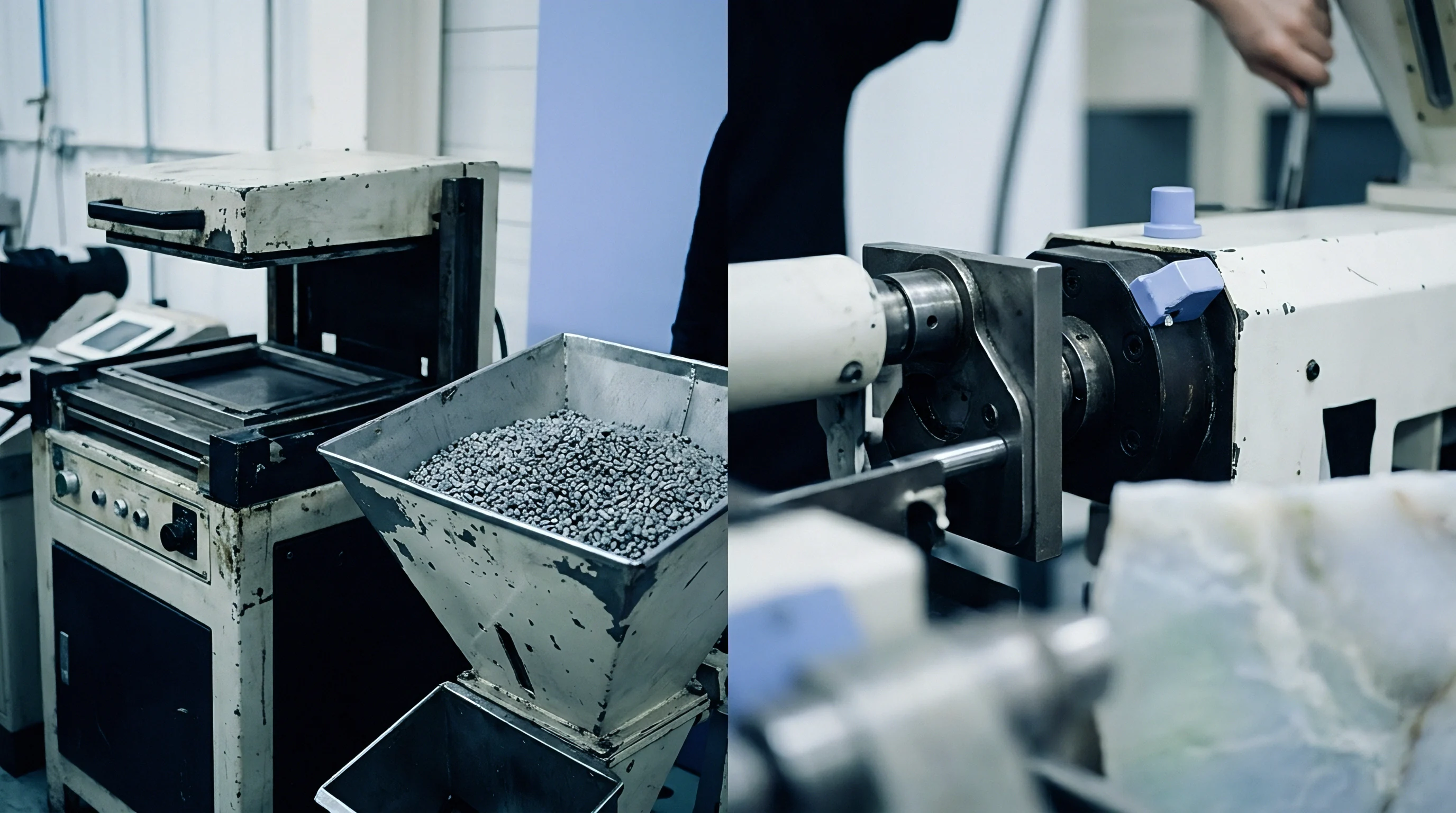

Chamber
Industrial scale devolatilization relies on mechanical agitation, elevated temperatures, and continuous gas sweeps. Vessels designed for solid-state decontamination operating on post-consumer poly(ethylene terephthalate) include continuous vertical gravity-flow reactors, tumbling batch vacuum dryers, and multi-stage twin-screw devolatilizing extruders. Each equipment configuration establishes distinct mass transfer boundary conditions across the solid-gas interface.
Vertical continuous reactors employ dry hot nitrogen gas introduced at the vessel base, flowing counter-current to descending polymer flakes or pellets. The nitrogen sweep carries away desorbed organic vapors from the particle boundaries, maintaining a steep concentration gradient between the polymer surface and bulk gas. Vacuum reactors eliminate sweep gas consumption by maintaining internal pressures below five millibars, continuously pulling evaporated volatiles into mechanical vacuum pumps equipped with cold traps.
Mechanical agitation in tumbling dryers or continuous stirring shafts breaks up stagnant gas boundary layers around individual flakes. Uniform heating prevents localized thermal degradation while ensuring consistent volatile release rates as the sweep stream clears away boundary layer buildup across the batch volume.
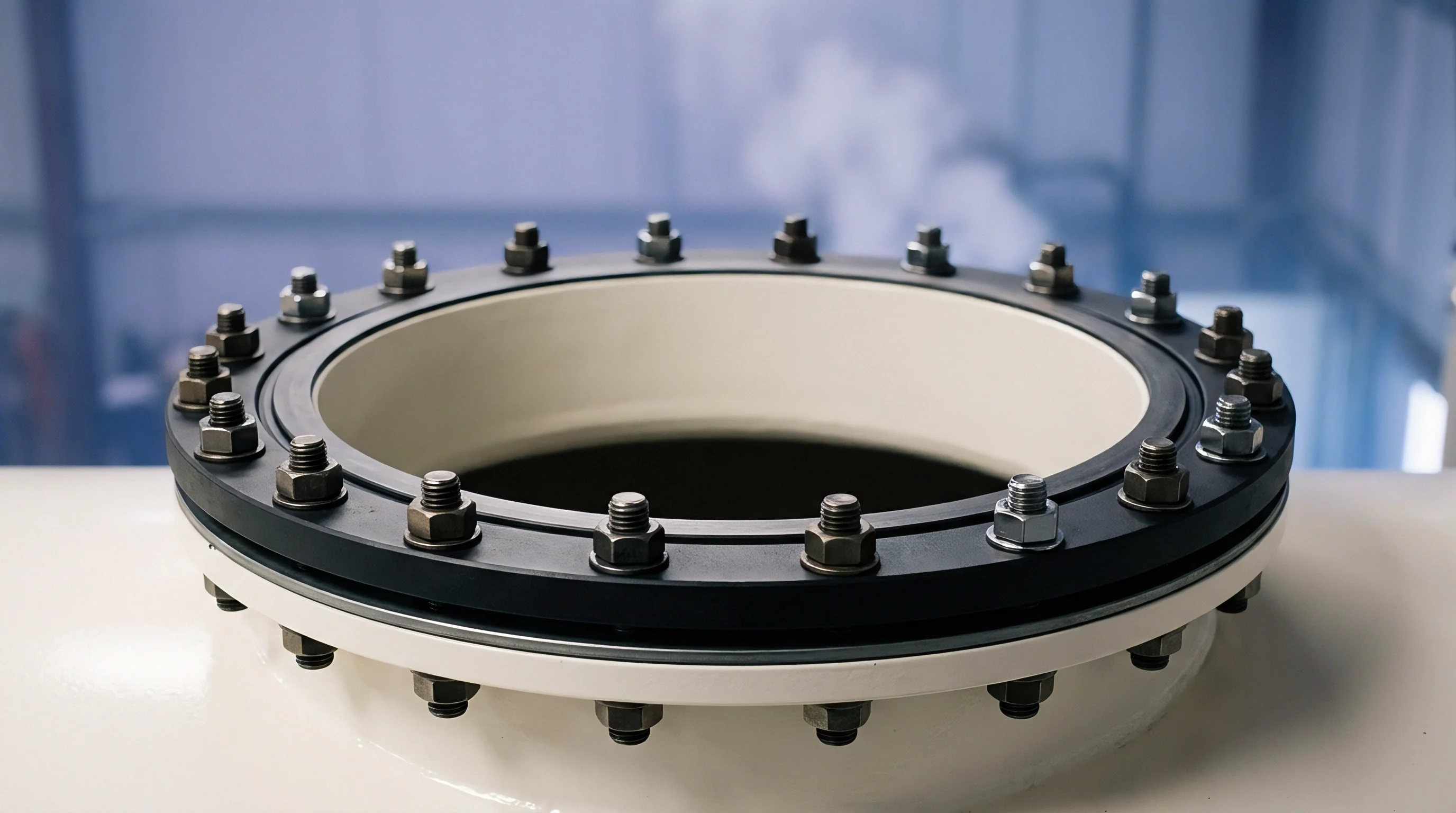
Where Does Boundary Layer Resistance Limit Extraction?
Mass transfer away from the exterior boundary of a solid polyester flake depends heavily on sweep gas velocity and vessel pressure. Boundary layer thickness decreases as gas velocity increases around suspended or falling particles. Under low-flow sweep conditions, desorbed organic molecules accumulate in the immediate gas film surrounding the polymer surface, raising the local partial pressure of the contaminant.
Elevated local partial pressures reduce the thermodynamic driving force for outward volatile migration. In high-vacuum devolatilization systems operating below two millibars, convective boundary layer resistance disappears entirely, leaving internal Fickian diffusion within the solid polymer matrix as the absolute rate-limiting step. High-vacuum systems effectively isolate polymer mass transfer mechanics from external gas phase hydrodynamics.
Continuous twin-screw extruders melt the recycled polyester to eliminate solid-state Fickian diffusion path length limitations. Melt devolatilization relies on rapid surface renewal generated by intermeshing screw elements under deep vacuum vents operating below one millibar. High melt viscosity and short residence times under vent zones limit volatile extraction efficiency for high-boiling contaminants compared to long-dwell solid-state reactors.
Polymer melt devolatilization efficiency drops rapidly when processing resins with low initial intrinsic viscosity due to aggressive bubble formation disrupting stable melt seals.

Geometry Dependent Desorption Times
Flake thickness dictates the total path length required for an absorbed molecule to reach the outer surface. Fickian diffusion models confirm that time required to achieve ninety-nine percent volatile extraction scales with the square of the characteristic diffusion distance. Thin bottle sidewall flakes measuring zero point three millimeters in thickness undergo rapid decontamination compared to thick neck rings or re-extruded pellets.
| Particle Geometry | Characteristic Thickness (mm) | Process State | Vacuum Pressure (mbar) | Desorption Rate Constant (1/s) | Time to 95% Decontamination (hr) |
|---|---|---|---|---|---|
| Thin Bottle Flake | 0.30 | Solid State (190°C) | 1.0 | 4.2 x 10⁻⁴ | 1.98 |
| Medium Flake | 0.50 | Solid State (190°C) | 1.0 | 1.5 x 10⁻⁴ | 5.55 |
| Thermoform Flake | 0.80 | Solid State (190°C) | 1.0 | 5.9 x 10⁻⁵ | 14.10 |
| Spherical Pellet | 2.50 (Diameter) | Solid State (190°C) | 1.0 | 2.1 x 10⁻⁵ | 39.60 |
| Cylindrical Pellet | 3.00 (Length) | Solid State (190°C) | 1.0 | 1.4 x 10⁻⁵ | 59.40 |
Re-pelletizing contaminated post-consumer flake prior to deep thermal decontamination increases the required diffusion path length from zero point four millimeters to over two point five millimeters. Converting thin flakes into thick pellets extends the required solid-state polymerization dwell time by an order of magnitude to reach equivalent non-aqueous volatile residual concentrations.
Processing mixed geometry feedstocks without prior sorting leads to severe non-uniformity in final volatile concentrations because retention time dictates decontamination efficiency. Thin flakes fully decontaminate while thick flake fractions retain hazardous levels of absorbed solvents. Operating continuous decontamination chambers on un-sieved regrind streams results in incomplete volatile removal across the heavy fraction of the processed batch.
Compliance with European Food Safety Authority decontamination criteria requires continuous validation of minimum residence time distributions within solid-state reactors.
Inadequate gas distribution across large-diameter reactor vessels creates stagnant channels where local solvent partial pressures rise. Sweeping gas streams short-circuit through low-resistance paths near reactor walls, leaving center-bed polymer particles exposed to saturated gas environments. Skipping fluidization velocity verification during reactor setup leads to immediate regulatory non-compliance when final package migration tests reveal residual organic solvent carryover.


Assay
Analytical measurement of non-aqueous volatile desorption kinetics demands instrumentation capable of separating thermal degradation products from pre-existing absorbed contaminants. Gas chromatography combined with mass spectrometry serves as the benchmark technique for quantifying volatile organic compounds desorbed from post-consumer polyester. Accurate kinetics determinations require precise temperature control during sample conditioning to prevent artificial volatile generation through polymer chain scission.
Static headspace gas chromatography involves sealing post-consumer polyester samples in airtight vials, heating them to target temperatures, and injecting a portion of the equilibrated gas space into the chromatographic column. Static methods establish total volatile concentration limits but provide minimal resolution regarding dynamic desorption rates. Dynamic headspace sampling continuously sweeps the heated sample chamber with inert gas, trapping liberated volatiles on sorbent beds at discrete time intervals for sequential chromatographic analysis.
Tracking desorption kinetics across varying flake thicknesses establishes minimum solid-state polymerization dwell times. Dynamic thermal desorption gas chromatography allows real-time tracking of desorption flux curves, extracting diffusion coefficients and activation energies from a single analytical run. Precise baseline calibration requires running matrix blanks consisting of ultra-pure virgin poly(ethylene terephthalate) subjected to identical thermal profiles.
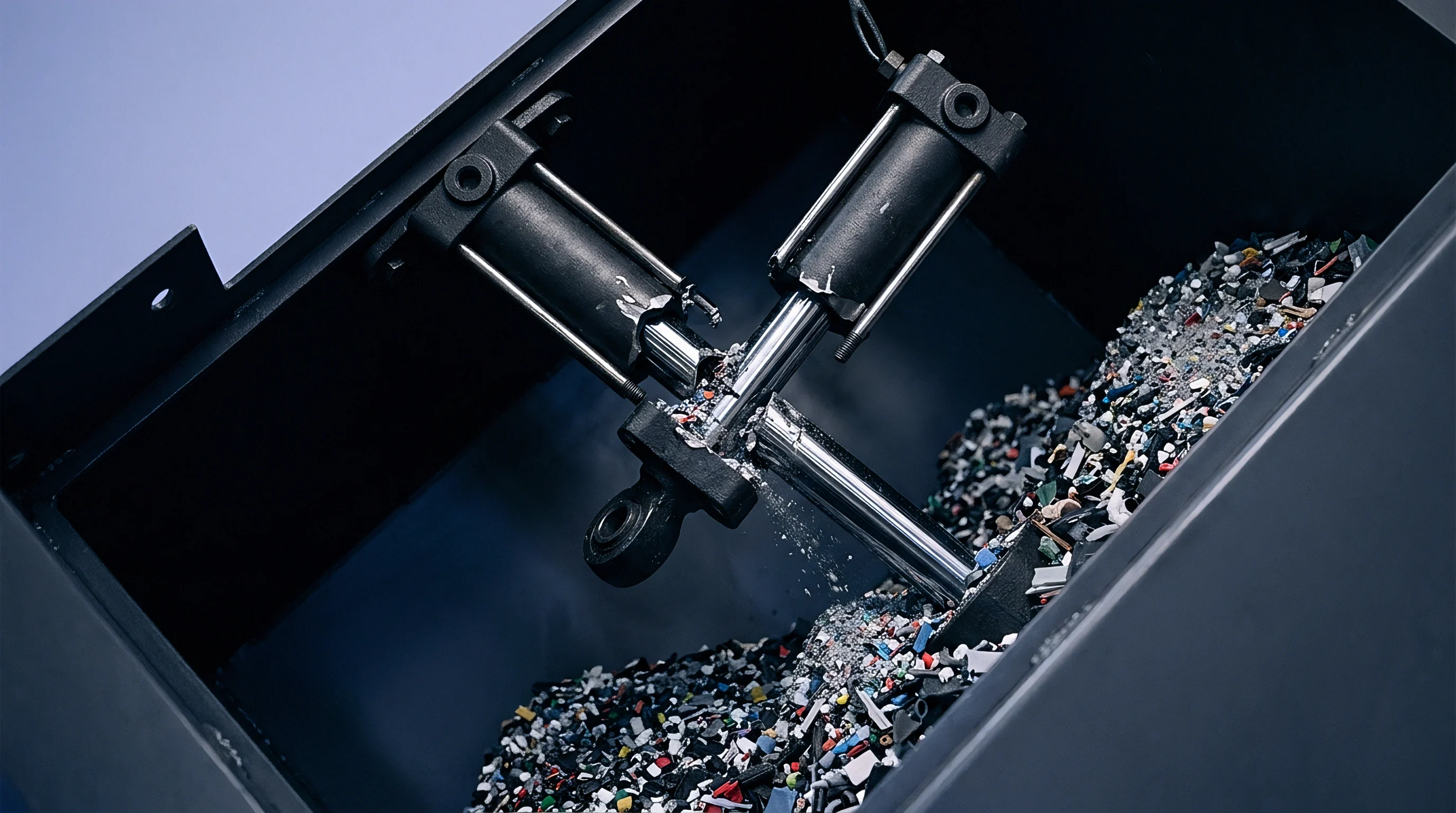
Headspace Gas Chromatography Methods
Thermal desorption analytical protocols use specialized sampling tubes packed with Tenax TA or carboxen sorbents. Samples of post-consumer polyester weighing between fifty milligrams and five grams are placed in quartz desorption tubes heated rapidly inside a targeted thermal desorption unit. Cryogenic focusing traps liberated compounds at minus thirty degrees Celsius prior to ballistically heating the trap to inject a concentrated volatile plug onto the capillary column.
Column selection dictates the resolution of polar and non-polar non-aqueous volatile species. Non-polar dimethylpolysiloxane stationary phases separate aliphatic hydrocarbons and aromatic solvents based on boiling points. Polyethylene glycol phase columns resolve polar alcohols, esters, and aldehydes that tend to co-elute on non-polar stationary phases.
Flame ionization detectors quantify total hydrocarbon carbon mass, while electron impact mass spectrometers confirm compound identities against spectral reference libraries.
Quantitative calibration relies on internal standards spiked directly onto the polymer sample or sorbent trap. Fluorinated aromatic compounds like fluorobenzene or deuterated analogs such as toluene-d8 serve as internal reference markers due to their similar physical characteristics and absence from real post-consumer waste streams. System sensitivity achieves detection limits below five parts per billion for targeted non-aqueous volatile species.

Challenge Test Surrogate Selection
Regulatory compliance for food-contact recycled polyester relies on challenging decontamination equipment with model organic compounds. Standard challenge test protocols mandate soaking virgin polyester flakes in a surrogate cocktail representing diverse chemical classes before passing the material through industrial decontamination processes.
The standard surrogate cocktail includes volatile non-polar species like toluene, volatile polar species like chlorobenzene, non-volatile non-polar species like tetradecane or methyl stearate, and non-volatile polar species like benzophenone. Phenylcyclohexane serves as a model compound representing high molecular weight aromatic contaminants.
Standardized challenge tests mandate surrogate incorporation levels of at least five hundred milligrams per kilogram of poly(ethylene terephthalate) prior to decontamination validation.
Measuring residual surrogate concentrations before and after devolatilization yields the cleaning efficiency percentage for each chemical class. European and United States regulatory frameworks require decontamination efficiencies exceeding ninety-nine percent for volatile surrogates and ninety-five percent for non-volatile model compounds to issue letters of non-objection for direct food contact applications.
- Sample Preparation Collection of representative fifty-gram post-consumer polyester flake samples using multi-point sampling probes inserted across incoming container lots.
- Cryogenic Milling Grinding frozen flake under liquid nitrogen to pass through a five-hundred-micrometer sieve, preventing volatile loss while increasing surface area for extraction.
- Dynamic Sorption Assay Loading ten milligrams of milled powder into a dynamic vapor sorption analyzer under continuous dry nitrogen sweep at target decontamination temperatures.
- Isothermal Extraction Maintaining sample temperature at one hundred and eighty degrees Celsius for four hours while continuously monitoring mass loss via microbalance.
- Chromatographic Elution Thermal desorption injection of liberated vapors into a gas chromatograph coupled to a mass spectrometer operating in selective ion monitoring mode.
- Data Regression Fitting non-linear mass loss curves against Fickian diffusion models to calculate absolute diffusion coefficients and residual volatile limits.
Analytical laboratories frequently attribute low volatile removal performance to equipment failure when incoming flake size exceeds testing specifications. Lingering solvent signals are often attributed to background thermal degradation of packaging labels rather than absorbed contaminants within the polyester bulk. Laboratory audits confirm that inadequate cryogenic milling during sample preparation artificially suppresses measured initial volatile release rates, yielding falsely low baseline diffusion coefficients.


Penalty
Residual non-aqueous volatile organic compounds cause severe downstream processing defects and regulatory non-compliance in recycled polyester applications. Unremoved solvents, flavor residues, and industrial chemicals vaporize inside injection molding barrels and sheet extrusion lines, creating severe structural and optical flaws in finished components. The financial consequences of processing inadequately devolatilized resin extend from immediate scrap rate increases to total product recall liabilities.
Outgassing of volatile compounds during melt processing generates gas pockets trapped within solidifying polymer walls. In thick-walled preforms or technical injection molded parts, these expanding gas pockets create interior voids, micro-bubbles, and surface haze. Residual organic acids or trace water desorbing alongside solvents catalyze hydrolytic and thermal chain scission, dropping intrinsic viscosity rapidly during extrusion.
Supply agreements structured around verified desorption rates rather than basic intrinsic viscosity metrics protect buyers from hidden volatile contamination that only emerges under high-temperature processing. Thermal processing of contaminated resin degrades mold surfaces as liberated volatile organic acids condense on chilled core pins.
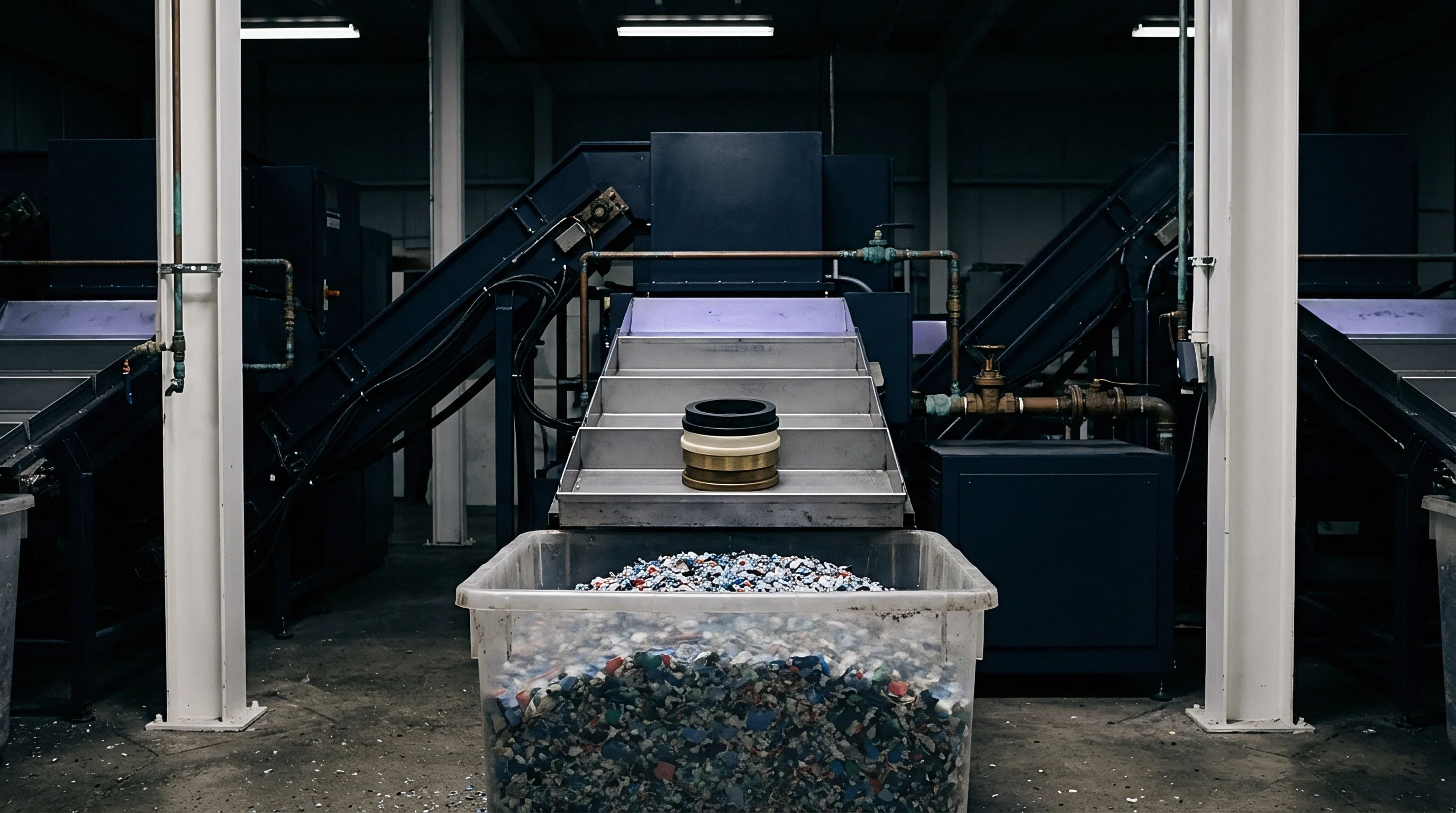
Outgassing Induced Defects in Processing
Melt processing of contaminated recycled polyester liberates trapped volatile species inside the extruder barrel. As the melt exits the extrusion die or enters an injection mold cavity, sudden pressure drops allow dissolved gases to expand out of solution. Bubble formation within thin-walled thermoform sheets creates visible pinholes, decreasing barrier performance against oxygen and moisture ingress.
Aromatic solvents like toluene vaporize at standard processing temperatures, producing micro-voids that scatter light and induce optical haze. Highly volatile ester residues decompose into gaseous products that cause severe surface streaking, commonly identified as splay or silver streaks, across polished mold surfaces. Deposited degradation products form a corrosive film on mold cavities, requiring frequent tool cleaning and accelerating surface pitting on chrome-plated tooling.
Volatiles containing reactive functional groups, such as substituted amines or chlorinated solvents, react directly with polyester ester linkages at melt temperatures above two hundred and seventy degrees Celsius. These chemical reactions cause severe yellowing, quantified by increases in yellowing index values, alongside rapid drops in melt strength that lead to parison sag during blow molding operations.

Compliance Risks in Packaging
Food contact regulations enforce strict migration limits on recycled polyester resins intended for direct food packaging. Residual non-aqueous volatiles remaining in package walls migrate into food stimulants over long storage periods. Flavor compounds like limonene alter the organoleptic profile of bottled water at concentrations as low as ten parts per billion, altering taste profiles without posing toxicological hazards.
Toxicological solvents like benzene, toluene, or chlorinated industrial residues carry zero-tolerance migration thresholds under international food safety legislation. If incoming post-consumer resin contains unremoved industrial chemicals, finished containers fail overall migration and specific migration tests mandated by regulatory standards. Retaining uncleaned resin in food-grade manufacturing lines triggers immediate quarantine of downstream inventory.
- Optical Haze and Surface Splay Vaporization of absorbed volatile solvents inside injection molding barrels creates expanding gas bubbles that manifest as streaks and optical clarity loss in finished preforms.
- Accelerated Intrinsic Viscosity Loss Residual reactive organic acids and trace moisture liberate at elevated melt temperatures, accelerating hydrolytic chain scission and dropping melt viscosity below structural design thresholds.
- Mold Surface Corrosion and Fouling Condensation of acidic volatile species onto cool mold cavity surfaces forms corrosive deposits that pit expensive tooling steel and require frequent downtime for manual cleaning.
- Organoleptic Package Failure Migration of residual flavor compounds such as limonene from bottle walls into packaged liquids alters beverage taste, triggering consumer rejection despite structural package integrity.
- Regulatory Seizure and Inventory Loss Failure to achieve mandatory surrogate removal efficiencies during decontamination exposes resin lots to immediate regulatory non-compliance, rendering entire production runs unusable for food contact.
| Contamination Grade | Residual Volatiles (ppm) | Required Decontamination Time (hr) | Energy Cost Penalty ($/MT) | Yield Loss (%) | Landed Cost Adjustment (%) |
|---|---|---|---|---|---|
| Class A (Food Grade) | < 10 | 4.0 | $28.50 | 0.5 | Base Price |
| Class B (Technical Grade) | 10 – 50 | 8.0 | $57.00 | 1.2 | – 8.5% |
| Class C (Industrial Grade) | 50 – 200 | 16.0 | $114.00 | 2.8 | – 18.0% |
| Class D (Severely Polluted) | > 200 | 24.0+ (Double Pass) | $171.00 | 5.5 | – 34.0% |
Purchase contracts for post-consumer recycled polyester include specific rejection clauses governing volatile organic content limits. The standard delivery contract specifies that if dynamic headspace gas chromatography reveals total non-aqueous volatile concentrations exceeding fifty parts per million, the buyer holds the absolute right to reject the lot at the supplier’s expense or apply a mandatory discount of eighty dollars per metric ton to cover extended solid-state decontamination processing cycles.

Valuation
Commercial pricing models for post-consumer recycled poly(ethylene terephthalate) directly reflect the energetic cost of removing volatile organic contaminants. Clear, washed bottle flakes containing high residual solvent burdens trade at significant discounts relative to decontaminated food-grade pellets. The price gap between raw flake and decontaminated resin represents the capital expenditure, thermal energy, sweep gas consumption, and yield loss associated with operating high-vacuum solid-state devolatilization reactors.
Energy consumption during devolatilization constitutes the largest variable operating expense for recyclers. Raising polymer temperature to one hundred and ninety degrees Celsius and maintaining vacuum levels below one millibar for extended dwell times requires substantial electricity and thermal oil heating capacity. High initial volatile concentrations demand lower throughput rates to ensure target residual limits, directly decreasing line productivity and raising processing cost per metric ton.
Yield loss during devolatilization includes desorbed volatile organic compounds, evaporated moisture, and removed low molecular weight polyester oligomers. Heavily contaminated feedstock streams suffer yield losses exceeding three percent during deep thermal decontamination. Commercial valuation models factor these mass losses directly into landed pellet cost calculations.
Devolatilization Operating Costs
Solid-state polymerization and decontamination systems consume between one hundred and twenty and two hundred and twenty kilowatt-hours of energy per metric ton of processed polyester pellet. Operating vacuum systems at deep vacuum levels below zero point five millibars increases electrical power requirements for multi-stage Roots blowers and liquid ring vacuum pump combinations, and higher moisture levels in the incoming feed push those energy demands further.
Dry nitrogen sweep configurations substitute electrical vacuum power for gas generation and recycling logistics. Nitrogen consumption scales with polymer throughput, requiring efficient solvent condensation and catalytic oxidation systems to clean and recirculate sweep gas. Energy required to continuously regenerate desiccant beds and chill solvent recovery units adds approximately forty-five dollars per metric ton to baseline decontamination costs.
Recyclers operating continuous solid-state decontamination units must adjust hourly mass balance sheets to account for combined volatile, moisture, and oligomer losses that erode operating margins. Processing un-sieved, high-volatile flake increases filter screen pack change frequencies on pre-pelletizing extruders, adding material loss and manual intervention costs to the production line balance sheet.

Contractual Specifications for Volatiles
Raw material specifications for premium recycled polyester resin explicitly define allowable residual limits for non-aqueous volatile species. Standard technical data sheets stating only intrinsic viscosity, bulk density, and color coordinates fail to protect buyers from volatile outgassing problems during high-speed converting processes. Sophisticated procurement specifications set clear boundaries for dynamic volatile desorption rates.
Resin qualification dossiers demand verified desorption rate constants measured at specified processing temperatures. Buyers enforce maximum concentration thresholds for specific chemical markers like limonene, toluene, and total volatile organic carbon. Material qualification protocols mandate running batch challenge tests whenever feedstock collection sources change significantly.
- Volatiles Baseline Guarantee Require supplier certificates of analysis to state total residual non-aqueous volatile content measured via thermal desorption gas chromatography below twenty parts per million.
- Desorption Kinetics Specification Mandate a minimum volatile desorption rate constant of three times ten to the minus four per second at one hundred and eighty degrees Celsius for incoming flake lots.
- Geometry Uniformity Limits Restrict flake size distribution to ensure ninety percent of incoming lot mass falls within two to six millimeters, preventing thick geometry dwell time failures.
- Surrogate Efficiency Certificate Demand third-party challenge test documentation proving greater than ninety-nine percent removal efficiency for volatile surrogates across the specific decontamination reactor model used.
- Yield Deficit Adjustment Clause Incorporate automatic landed price reductions when total volatile and moisture mass loss during initial drying exceeds one point five percent by weight.
Pricing formulas for food-grade recycled polyester link pellet premiums directly to virgin resin market indexes alongside natural gas and electricity benchmarks. When energy costs spike, the spread between raw post-consumer flake and fully devolatilized food-contact pellets expands to reflect elevated thermal decontamination expenses. Buyers locked into fixed-margin supply agreements without energy indexation clauses face immediate supply disruptions as compounders curtail reactor dwell times to preserve operating margins, delivering resin lots with incomplete volatile desorption profiles that fail downstream processing verification.