Meaning
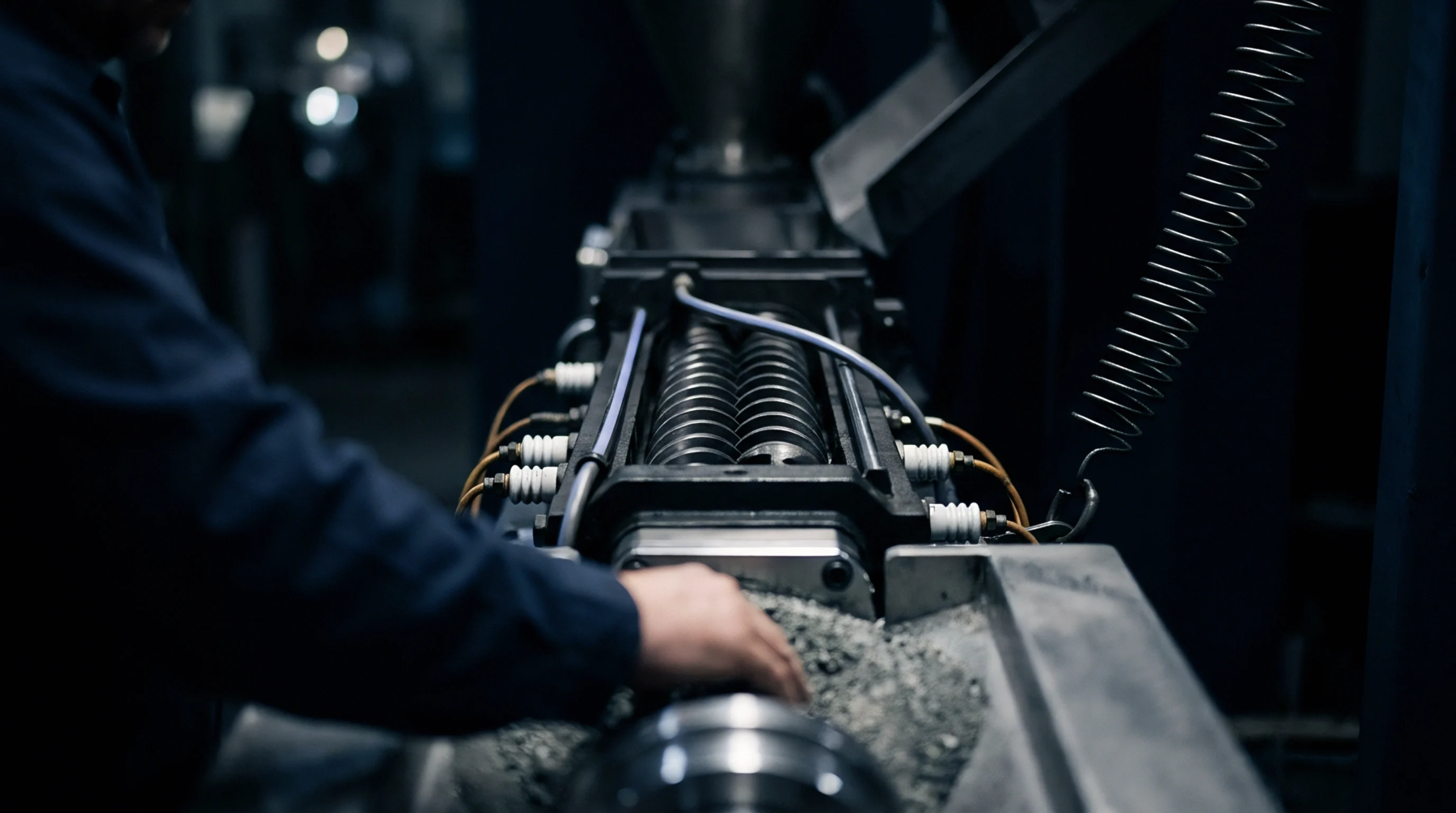
Solvent recovery describes the active extraction of cyclic monoterpene hydrocarbons from polymer substrates or cleaning fluids used in injection moulding. The process of limonene removal restores the purity of process solvents and reduces the accumulation of organic contaminants on mould surfaces. Efficient separation of this compound prevents chemical degradation of thermoplastic materials and maintains the structural integrity of moulded components.
Resin Compatibility
Residual terpene concentration influences the physical properties of amorphous resins during high temperature processing. Limonene removal mitigates the risk of stress cracking or surface hazing that occurs when these solvents interact with the molecular chains of susceptible polymers. Moulders monitor the output of filtration systems to ensure the remaining solvent level stays below established safety thresholds for specific resin grades.
Tooling Maintenance
Degreasing protocols rely on the periodic purging of solvents to maintain consistent mould release performance. The action of limonene removal from circulation systems prevents the buildup of waxy deposits that typically cause part sticking or excessive flash. Technicians quantify the efficacy of this maintenance by measuring the acidity of the recovered solvent batch.
Economic Impact
Industrial production cycles benefit from the internal recycling of cleaning agents rather than disposal and replacement of virgin solvents. Limonene removal decreases the raw material expenditure for secondary maintenance chemicals while complying with regional environmental regulations regarding volatile organic compound emissions. Total operational savings correspond directly to the volume of solvent recovered through effective site equipment.