Meaning
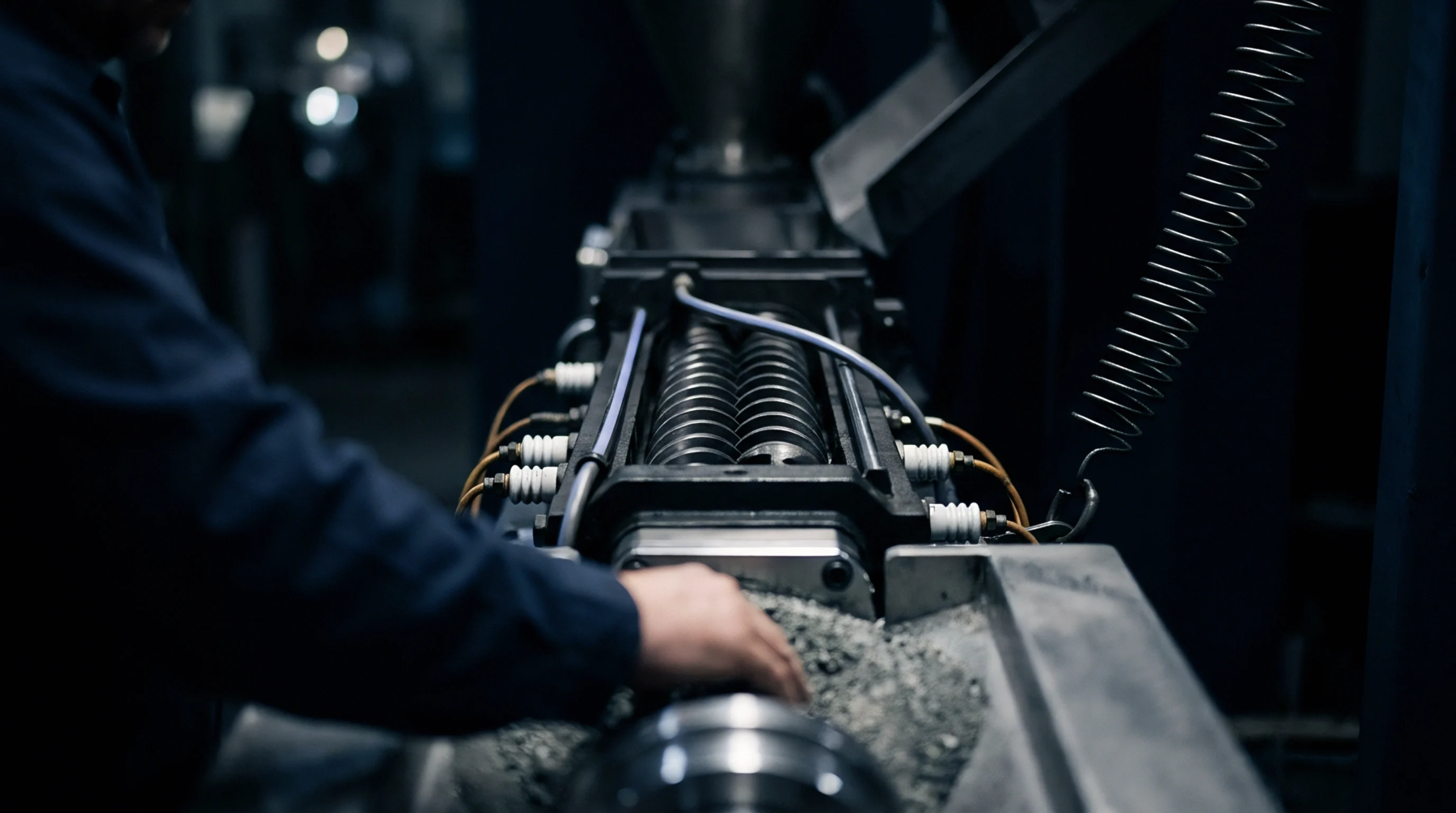
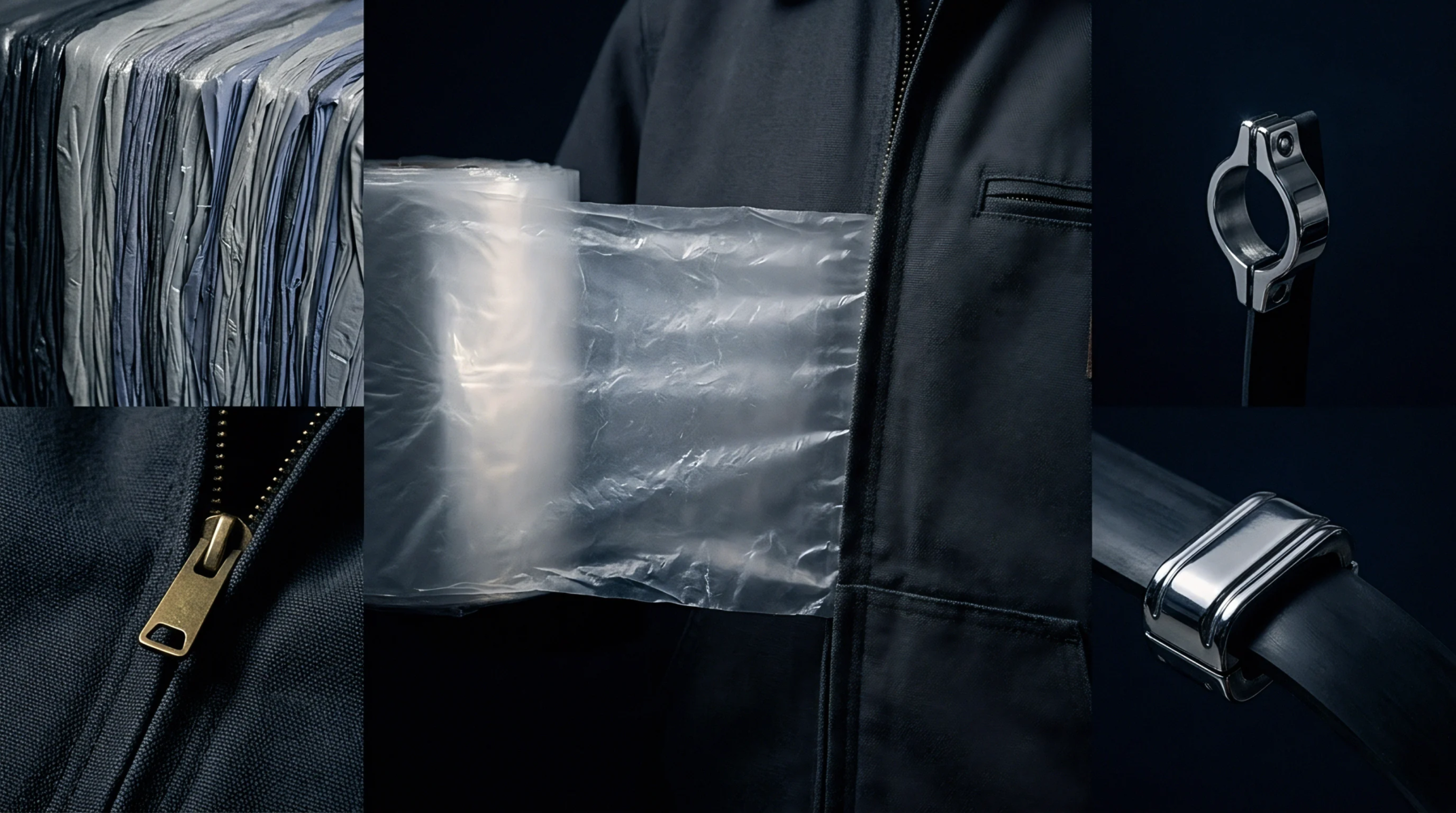
Recycled resin streams derived from packaging and textiles that have fulfilled their intended commercial service life undergo re-processing for secondary manufacturing. Post-consumer polyester originates primarily from collected soft drink bottles and thermoformed containers that undergo sorting, washing and flake mechanical pelletization. Compounders and moulders reintroduce this material into bottle preforms, strapping and staple fibers to satisfy sustainability mandates and reduce virgin resin consumption.
The material designation stops applying to industrial scrap generated within moulding plants before consumer distribution.
Contamination Profile
Waste collection streams introduce organic residues, adhesives, non-polyester polymers and metallic fragments into recycled flake feedstocks. Cross-contamination by polyvinyl chloride causes thermal degradation and severe black speck formation during polyester extrusion. Intensive washing, color sorting and melt filtration remove physical contaminants to preserve mechanical properties in secondary manufacturing.
Property Restoration
Solid state polymerization elevates intrinsic viscosity in recycled flakes.
Recyclate Economics
Integrating recycled flakes with virgin resin alters melt behavior, requiring melt temperature adjustments inside injection moulding units. Virgin resin pricing fluctuates independently of post-consumer resin collection costs, creating variable compounding economics across market cycles. Variations in melt flow index and moisture absorption rate require continuous drying control and barrel temperature adjustments to maintain part dimension stability.
Standardized material specifications define maximum allowable regrind ratios to ensure consistent mechanical performance in final consumer packaging.