Mass Balance Allocation Auditing Protocols for Certified Post Consumer Polymer Conversion Lines
Certified mass balance allocation requires site-specific physical yield reconciliation, strict energy-stream deductions, and twelve-month credit expiry enforcement.


Feed
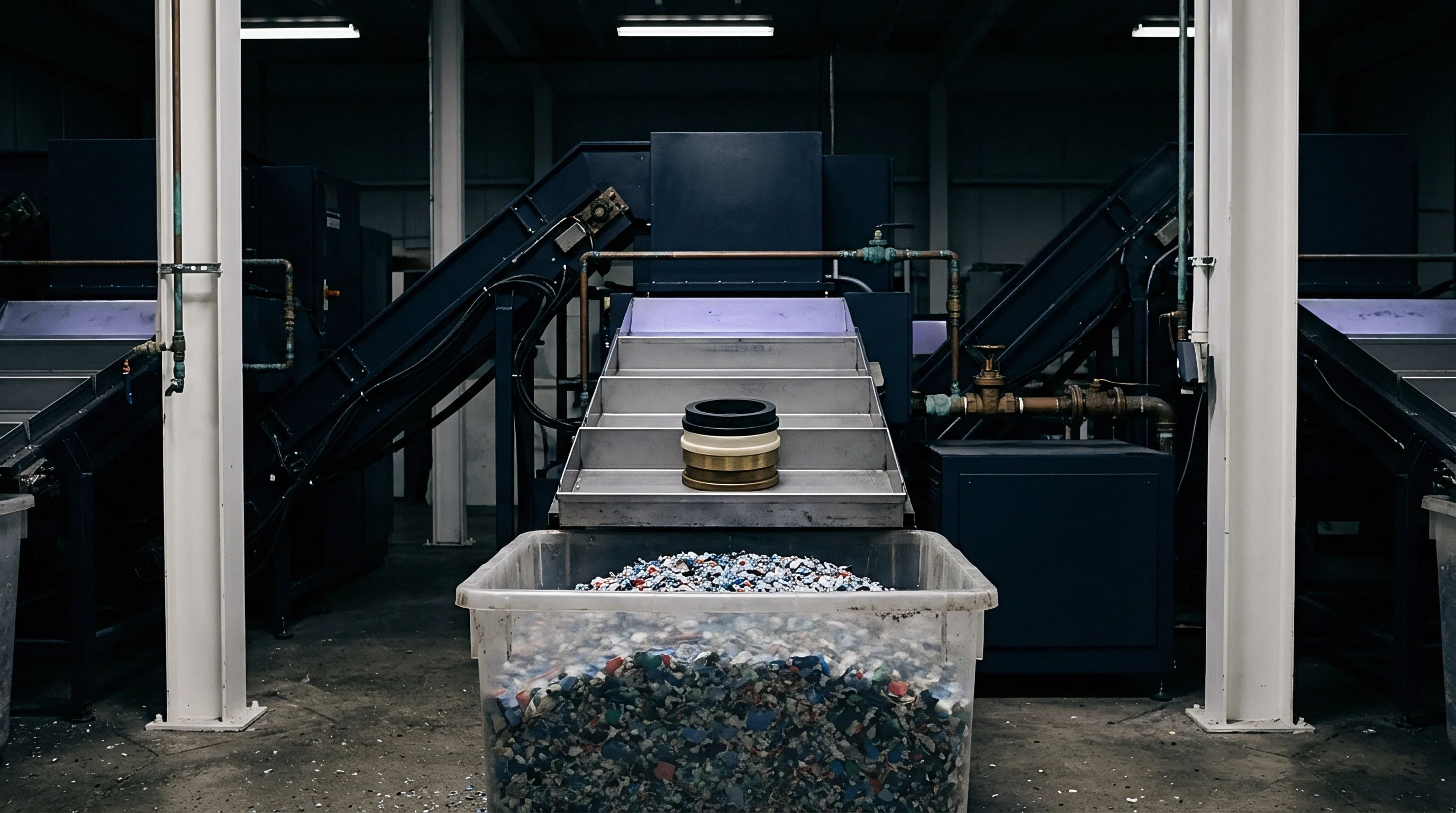
Post-consumer polymer conversion begins with physical intake verification at the plant receiving gate. Mechanical recyclers measure incoming bale composition through optical sorting logs and moisture loss measurements. Chemical recyclers running pyrolysis or gasification reactors require mass-based elemental analysis, quantifying carbon content, halogen concentrations, heavy metals, and moisture levels before raw materials clear quarantine zones.
Intake records establish the baseline volume entering certified allocation streams.
Contamination thresholds dictate physical process yields long before mass balance ledger entries occur. High moisture content, non-polymeric debris, and unseparable multi-material laminates reduce net hydrocarbon yield. Processing facilities calculate net dry plastic input by subtracting moisture fractions and non-target reject masses measured during initial pre-sorting and shredding steps.

Physical Input Qualification Criteria
Incoming post-consumer flake or baled waste undergoes sampling under ASTM D7263 or EN 15343 standards to determine bulk density and volatile organic content. Polymer purity thresholds must be verified per load. Contaminants above defined percentages force batch reclassification or yield adjustments.
Mechanical recycling lines tolerate maximum non-target polymer contamination of two percent by weight to maintain structural melt flow index parameters. Pyrolysis oil plants enforce stricter limits on polyvinyl chloride content, capping total chlorine at fifty parts per million to protect downstream hydrotreating catalysts from hydrochloric acid corrosion. Chlorine levels exceeding this threshold demand chemical neutralizers or dilution with virgin naphtha, directly altering the output mass calculation.
| Conversion Line Type | Target Input Polymer | Max Non-Polymer Impurity (%) | Max Halogen Content (ppm) | Standard Processing Loss (%) |
|---|---|---|---|---|
| Mechanical Flake Extrusion | PET Flake | 0.50 | 50 | 3.50 |
| Mechanical Pellet Compound | Rigid HDPE | 1.50 | 100 | 5.20 |
| Thermal Pyrolysis | Mixed Polyolefins | 3.00 | 50 | 22.00 |
| Solvent Dissolution | Polypropylene | 1.00 | 200 | 8.00 |

Stoichiometric Mass Losses in Pyrolysis Lines
Thermal cracking breaks long polymer chains into gas, liquid oil, and solid carbonaceous char fractions. High temperatures generate non-condensable hydrocarbons including methane, ethane, and propane. Process loss destroys allocation credits.
A reaction chamber operating at five hundred degrees Celsius produces approximately fifteen percent non-condensable gas, seventy-two percent pyrolysis oil, five percent solid coke, and eight percent aqueous waste. Non-condensable gases burned on-site for process heating cannot be converted into post-consumer polymer mass credits. Auditors verify that mass allocations match liquid output yields rather than gross solid plastic input.
Inaccurate measurement of solid residue and moisture loss causes illegal inflation of certified resin allocations. Operating teams that skip incoming moisture subtraction assign virgin polymer outputs to post-consumer credits that do not exist in physical reality. Regulatory authorities reviewing certified claims penalize sites that fail to reconcile wet intake mass against dry reactor feed.

Conversion
Determining net mass balance allocation factors requires strict tracking of mass transformation inside reactor and extrusion units. Conversion factors bridge raw input streams and marketable post-consumer credits. Process yield factors depend on chemical stoichiometry, operational temperatures, and physical separation efficiency.
Yield ratios determine credit volume. Operators express physical conversion through calculated yield factors, defined as net output mass divided by dry input mass. Mechanical lines report yield factors between ninety and ninety-six percent, accounting for melt filtration purge and volatilized low-molecular-weight fractions.
Chemical conversion lines yield lower net polymer ratios due to crack-gas combustion and distillation bottom residues.

Net Yield Factor Determination
Pyrolysis naphtha fed into a steam cracker undergoes high-temperature thermal cracking to yield basic olefins. Ethylene and propylene fractions are separated from pyrolysis gasoline, heavy fuel oils, and methane streams. Auditors calculate net post-consumer credits by multiplying the mass of post-consumer pyrolysis oil by the specific cracker yield factor for targeted monomer fractions.
Consider a steam cracker receiving one thousand tonnes of certified post-consumer pyrolysis oil. Steam cracking yields thirty-one percent ethylene, sixteen percent propylene, ten percent butadiene, and forty-three percent mixed aromatics, fuel oil, and light gas. Only the forty-seven percent monomer fraction for ethylene and propylene qualifies for polyolefin mass balance allocation.
Allocating the fuel gas or aromatic fraction toward post-consumer polyethylene production breaches certification standards.
One thousand tonnes of certified post-consumer pyrolysis oil yields precisely four hundred and seventy tonnes of polyolefin monomer credits under standard steam cracking yields.

Off Gas Deduction Rules for Pyrolysis Oils
Energy recovery streams are excluded from material mass balance credit pools under ISCC PLUS and REDcert2 frameworks. Light hydrocarbon gases synthesized during cracking often power site boilers or furnace burners. Off gas yields zero polymer credits.
- Uncounted moisture subtraction introduces artificial weight into the input ledger, inflating downstream resin credits above physical yield capability.
- Energy recovery inclusion assigns post-consumer material status to methane and ethane streams consumed in facility burners.
- Purge waste inclusion credits polymer mass to contaminated filter media and solid carbon char removed during melt refinement.
- Cross-site credit pooling transfers allocation credits between physically unlinked processing plants, violating boundary rules.
Mass loss calculations undergo formal verification during annual surveillance audits. Discrepancies between theoretical mass balance allocations and physical yield balances require immediate ledger corrections. The supplier claimed process losses were negligible under steady-state thermal equilibrium.


Ledger
Mass balance credits reside in audited accounting ledgers managed under standardized chain-of-custody protocols. Systems operate on physical site balances where input quantities match output credit assignments within designated timeframe windows. Book-and-claim trading across independent physical sites remains prohibited under current packaging sustainability regulations.
Credit balances require strict site-level containment. Physical receipt of certified post-consumer feedstock at a specific plant location is mandatory before allocation credits accrue in the site accounting record. Multi-site certificate holders may aggregate data in centralized enterprise software, but physical material movement between sites must back every inter-company credit transfer.

Accounting Period and Credit Rollover Rules
Certification schemes define balance calculation periods, typically capped at three calendar months. Credit balances created during one period carry forward for a maximum of twelve calendar months from the date of physical material receipt. Mass credits expire after twelve months.
Negative credit balances at the end of an auditing period represent non-compliance. Facilities that allocate more post-consumer resin credits to customers than physical post-consumer feedstock processed within the window trigger major audit non-conformities. Audit protocols require immediate cancellation of over-allocated Sustainability Declarations.
- Verify physical raw material delivery notes against incoming weight scale receipts and certified sustainability declarations.
- Subtract moisture and non-polymer contaminant fractions identified during gate sampling protocols.
- Apply certified chemical conversion factors to calculate available net monomer or polymer credit quantities.
- Log outgoing product shipments against site credit balances in the accounting ledger.
- Reconcile total remaining credits at the end of the three-month balance period, retiring credits older than twelve months.

Whose Regulatory Authority Governs Cross-Border Credit Transfers?
National customs authorities and environmental ministries enforce regional packaging rules regardless of private voluntary certification schemes. European Union directives mandate physical site verification within the customs territory for products claiming recycled content tax relief. Credit documentation must align with official bills of lading and import entry customs documentation.
| Standard Framework | Max Balance Period | Credit Rollover Window | Negative Balance Allowed | Cross-Site Pooling |
|---|---|---|---|---|
| ISCC PLUS | 3 Months | 12 Months | No | Physical Link Required |
| REDcert2 | 3 Months | 12 Months | No | Site Specific Only |
| RSB Advanced Products | 1 Month | 6 Months | No | Mass Flow Restricted |
| ISO 22095 Mass Balance | User Defined | Contract Defined | No | Explicit Transfer Required |
Under ISCC PLUS System Document 203 Section 4.3, negative mass balance credit balances at the end of a reconciliation period invalidate associated sustainability declarations.
Every commercial invoice carrying a certified post-consumer claim must state the unique certificate number of the seller and the precise credit quantity transferred. Supply contracts specify that mass balance claims lacking verified credit balances in the seller ledger at shipment release render the delivery non-conforming, triggering price reductions to virgin resin benchmarks.


Purity
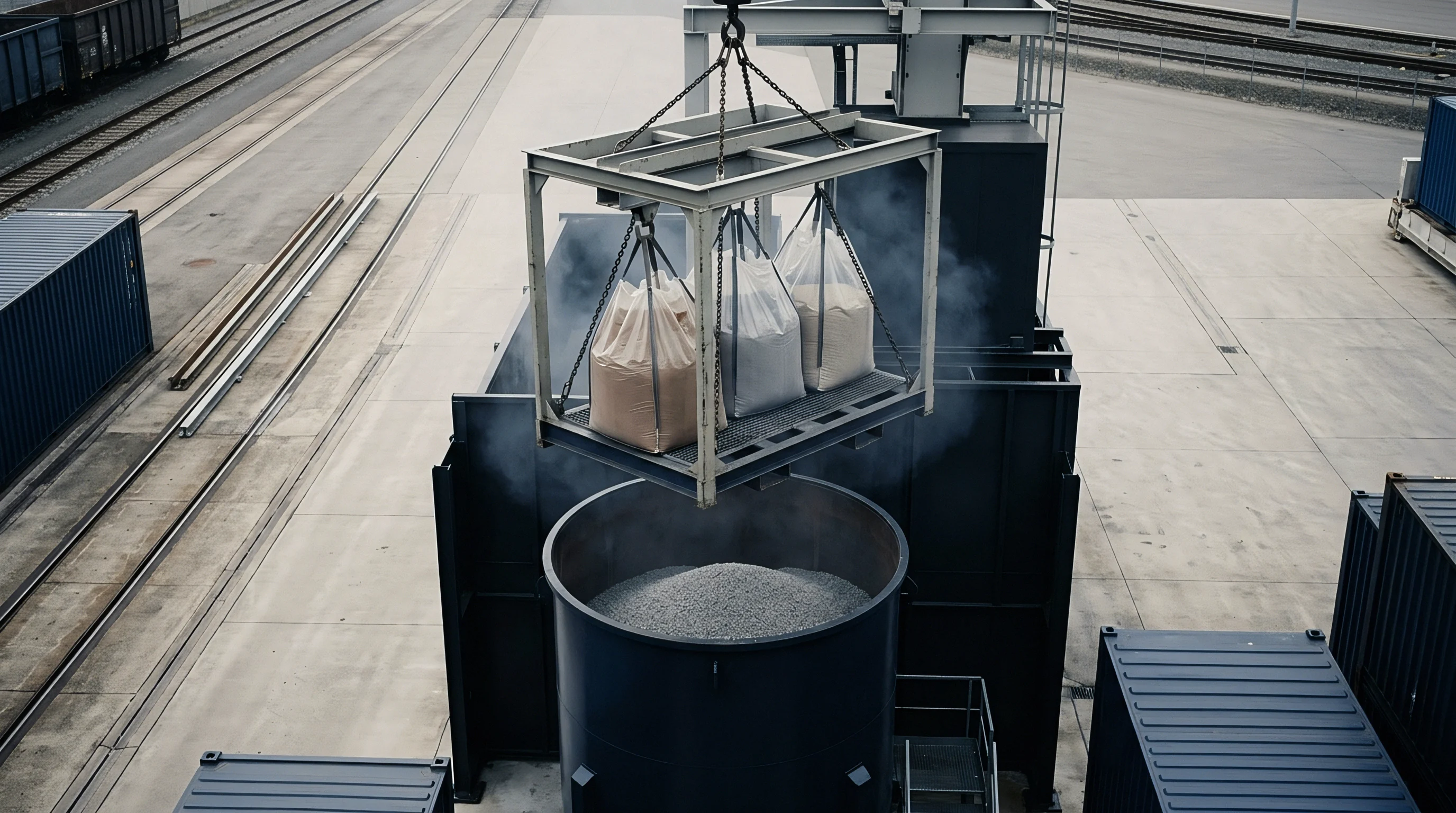
Mass balance bookkeeping allocation does not alter physical chemical composition. A polymer granule credited as one hundred percent post-consumer through mass balance accounting contains an identical physical atomic mixture of virgin and recycled molecules as the rest of the reactor batch. Chemical identity limits migration risks.
Food-contact compliance demands physical safety verification regardless of administrative credit allocations. Resins assigned post-consumer status under mass balance accounting must satisfy overall and specific migration limits established in Regulation (EU) 10/2011 and US FDA food contact notifications. Mass balance cannot clean polymer.

Food Contact Limits for Mass Balance Resins
Chemical recycling via pyrolysis breaks polymers down to basic monomers, effectively purifying material streams by removing legacy additives, heavy metals, and non-food contaminants. Post-consumer polyolefins converted through validated pyrolysis routes achieve food-contact compliance equal to virgin polymer, provided hydrotreating and distillation steps clear residual aromatic compounds.
Mechanical recycling lines face tighter regulatory thresholds. Under Regulation (EU) 2022/1616, post-consumer mechanical plastic used in direct food contact must originate from suitable decontamination processes capable of removing surrogate contaminants to concentrations below toxicological concern. Decontamination efficacy must be verified through challenge tests demonstrating a minimum ninety-nine percent cleaning efficiency for volatile and semi-volatile model organic compounds.

Screening Mechanisms for Unknown Degradation Byproducts
Repeated thermal processing and chemical cracking generate non-intentionally added substances (NIAS). Gas chromatography coupled with mass spectrometry screens output resins for cyclic oligomers, oxidized synthetic fatty acids, and flame retardant breakdown products.
Migration testing uses specific food simulants under controlled temperature and duration profiles. Overall migration limits cap total non-volatile substance transfer into food at ten milligrams per square decimetre of packaging surface area.
- Ten percent ethanol simulant models aqueous food contact during ten-day exposure testing at forty degrees Celsius.
- Three percent acetic acid simulant tests acidic food contact conditions for heavy metal and amine migration risks.
- Fifty percent ethanol simulant evaluates dairy products and lipophilic food matrices under elevated thermal stress.
- Vegetable oil and Tenax simulants simulate fatty and dry food contact surfaces respectively at temperatures up to sixty degrees Celsius.
Physical chemical safety metrics take absolute precedence over administrative mass balance allocations in food-contact authorization.
The core compliance issue remains whether chemical recycling technologies that yield complex hydrocarbon mixtures require individual substance risk assessments under food-contact safety frameworks when processing non-food grade post-consumer waste feeds.

Verification
Audit verification protocols demand physical cross-checking between facility enterprise resource planning (ERP) databases, batch production logs, and mass balance accounting ledgers. Auditors review physical yield calculations against actual utility consumption, raw material bills of lading, and inventory weigh-scale data. Administrative records must mirror physical manufacturing realities.
Batch records prove physical receipt. Auditors verify that physical inventory movements match ledger entries within a statistical tolerance band of plus or minus one percent. Unmatched claims trigger tax penalties.

Physical ERP Reconciliation Workflows
Auditors cross-reference sap material master movements with certified output ledgers. Good receipts for incoming post-consumer feedstock are checked against official weighbridge records and supplier Sustainability Declarations. Discrepancies between billed weight and scale weights demand immediate deduction from available mass balance credit pools.
Sample size depends on volume. Auditors apply ISO 2859-1 acceptance sampling protocols when selecting physical shipments and corresponding documentation for verification. High-volume conversion lines processing over ten thousand tonnes annually require representative sampling across at least thirty discrete production batches per year.
| Document Type | Cross-Check Parameters | Audit Failure Triggers | Tolerance Threshold |
|---|---|---|---|
| Weighbridge Scale Ticket | Gross weight, tare weight, bill of lading ID | Weight variance vs ERP entry | 0.50% |
| Sustainability Declaration | Certificate ID, credit volume, scope matches | Expired or revoked certificate ID | 0.00% |
| Yield Measurement Log | Input mass vs liquid output volume | Theoretical yield exceeding stoichiometry | 1.00% |
| Product Invoice | Credit allocation claim vs available balance | Negative credit balance at issue date | 0.00% |

Decision Steps for Credit Claim Verification
Downstream buyers perform verification before accepting delivery of certified mass balance resins. Systematic checks prevent invalid claims from entering corporate sustainability accounting records.
- Certificate status validation requires searching the central database of the relevant certification body to verify active certification status.
- Scope check confirmation ensures the seller certificate explicitly covers the specific site, manufacturing process, and polymer type.
- Mass balance declaration match confirms that delivery notes state the exact volume of post-consumer credits assigned to the batch.
- Balance window verification validates that credit generation dates fall within twelve months of the physical delivery date.
Audit trails require clear records linking every physical shipment directly to a verified credit entry in the site ledger.
When physical records diverge from ledger claims, the conservative physical figure governs the compliant credit balance.


Discrepancy
Credit deficits and incorrect allocations carry substantial financial liability. Unmatched mass balance declarations expose importers and brand owners to national plastic packaging taxes, customs penalties, and civil legal action. Over-allocating post-consumer status to virgin polymer constitutes misrepresentation under regulatory compliance frameworks.
Financial exposure under regional plastic packaging taxes represents an immediate cost risk. The United Kingdom Plastic Packaging Tax charges two hundred and seventeen pounds and eighty-five pence per tonne on plastic packaging containing less than thirty percent recycled content. Similar national packaging levies across European Union member states charge up to eight hundred euros per tonne on non-recycled plastic waste.
Invalidated mass balance credits convert certified shipments into taxable virgin resin retrospectively.

Financial Exposure under Packaging Tax Audits
Tax authorities inspect mass balance documentation during corporate tax audits. If an auditor invalidates a facility mass balance allocation model due to uncounted moisture loss or invalid conversion factors, tax exemptions claimed across entire production years are revoked. Fraudulent claims forfeit tax exemptions.
Consider a converter importing five thousand tonnes of resin claimed as thirty percent post-consumer material under an invalidated mass balance declaration. The UK Plastic Packaging Tax exposure equals three hundred and twenty-six thousand seven hundred and seventy-five pounds, plus compound interest and failure-to-comply penalties reaching one hundred percent of the unpaid tax balance. False declarations invite criminal liability.

Legal Remedies for Unallocated Virgin Substitution
Commercial contracts include specific indemnity clauses covering regulatory penalties resulting from seller audit failures. Standard supply agreements specify that sellers must reimburse buyers for all packaging tax assessments, legal costs, and administrative fines resulting from invalid or cancelled Sustainability Declarations.
Supply agreements incorporate specific breach provisions. Discovery of non-compliant credit allocations grants the buyer the right to reject pending deliveries, cancel long-term supply contracts, and demand cash refunds for price premiums paid for certified post-consumer content. Certified conversion lines maintaining physical audit trails protect both regulatory standing and commercial market access.