Selecting Tariff Lines for Importing Polymer Masterbatches
Masterbatch tariff classification hinges on active chemical loading, where inorganic pigments above specific mass thresholds shift import codes from Chapter 39.
Carrier
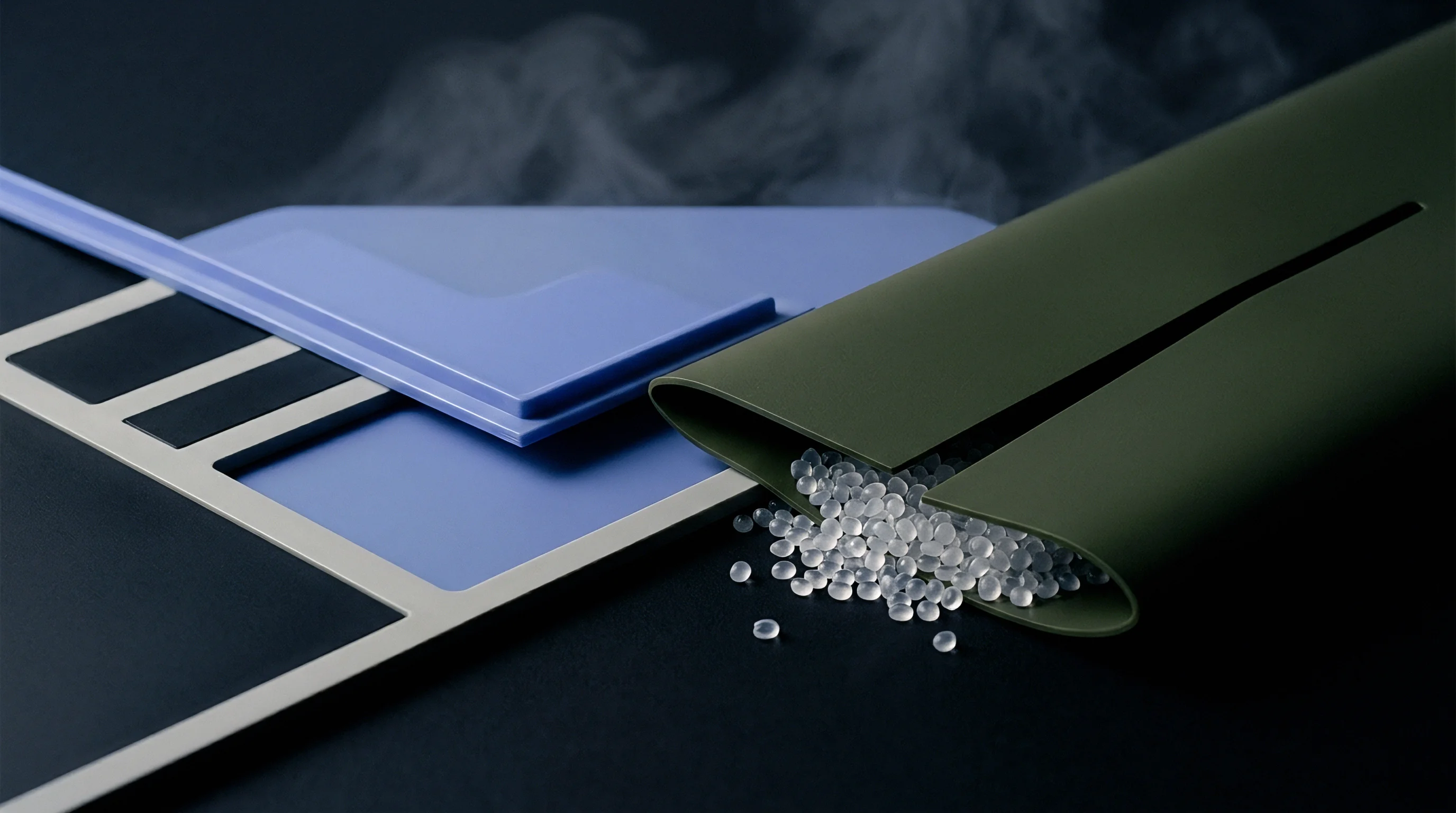
Masterbatch formulations disperse active additives or pigments into a compatible resin substrate for dilution during downstream converting. These concentrates allow clean, metered feeding of difficult colorants, anti-block agents, flame retardants, and ultraviolet stabilizers during injection moulding or profile extrusion. The thermoplastic carrier serves as the delivery medium throughout compounding, with low density polyethylene, polypropylene homopolymers, linear low density polyethylene, polystyrene, and ethylene vinyl acetate most commonly forming the binder phase.
Active loadings range from 20 percent to 80 percent by weight, governed by additive chemistry and the torque limits of the compounding extruder. Higher pigment loadings lower freight volume per active unit, though they alter melt flow rates and bulk density considerably.
Concentrate Formulations and Matrix Polymer Compatibility
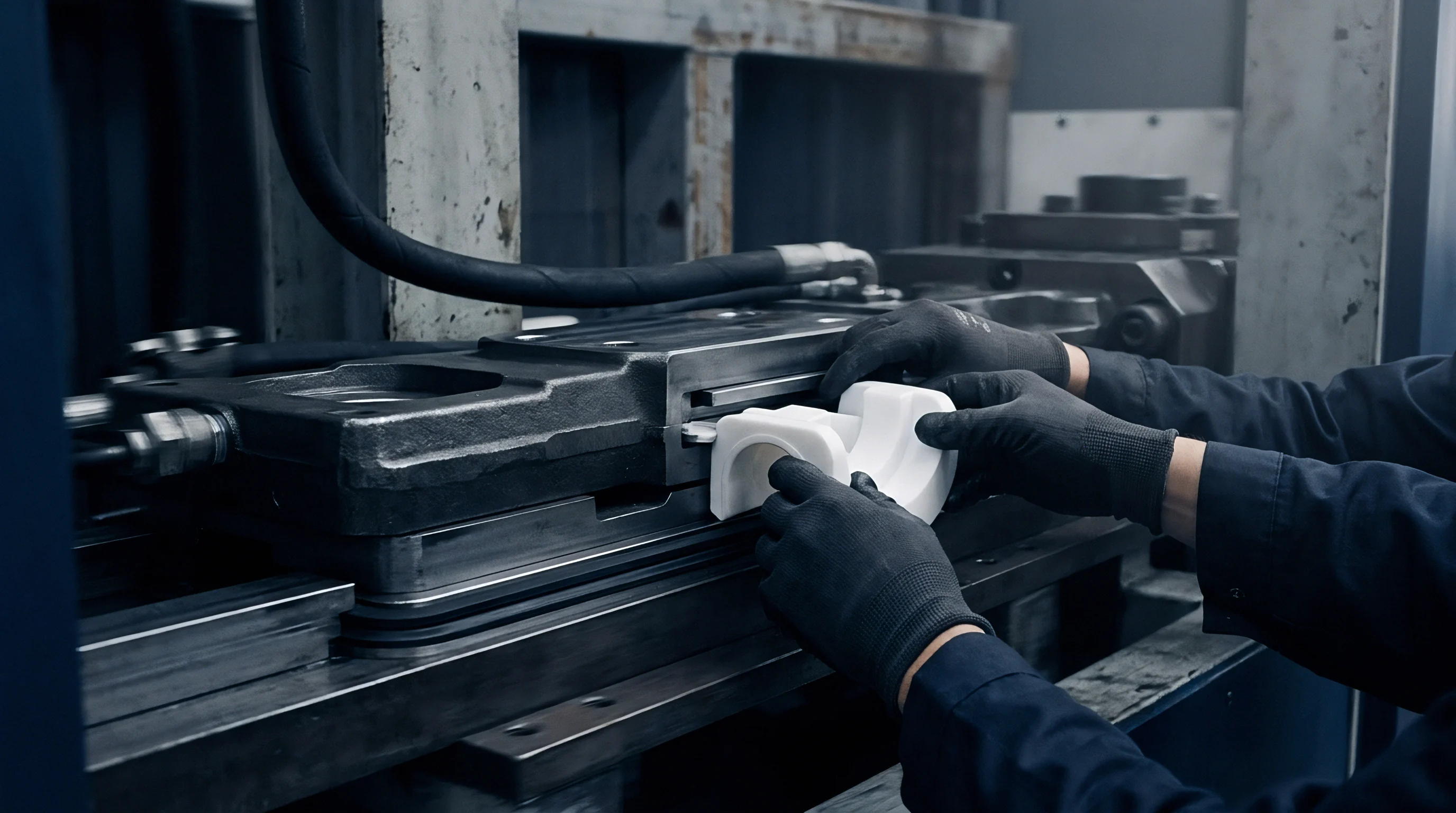
Matching the substrate melt flow rate to the host resin prevents dispersion defects in extruded film and moulded parts. Polypropylene film blowing, for instance, requires a carrier resin with a melt mass-flow rate (MFR) between 12 g/10 min and 25 g/10 min under ISO 1133 conditions (230 °C, 2.16 kg load). Polyethylene carriers generally use low-density grades with MFR values between 2 g/10 min and 20 g/10 min (ISO 1133 at 190 °C, 2.16 kg load).
Low molecular weight polyethylene waxes or stearate lubricants lower melt viscosity during compounding to assist pigment wetting.

Additive Loading Limits and Rheological Behavior
Inorganic pigments such as rutile titanium dioxide (ISO 591-1 Class R2) and carbon black (ASTM D1765 classifications) require high-shear twin-screw compounding to break agglomerates below 1 micron. Calcium carbonate filler concentrates can reach loadings of 70 to 80 percent by mass, leaving the carrier polymer to make up less than a quarter of total shipment weight and shifting the melt rheology from standard plastic flow toward high yield stress behavior.
High mineral loadings frequently prompt debate over whether a heavily filled pellet remains a primary polymer or converts into a chemical preparation exempt from base resin tariffs.

Classification
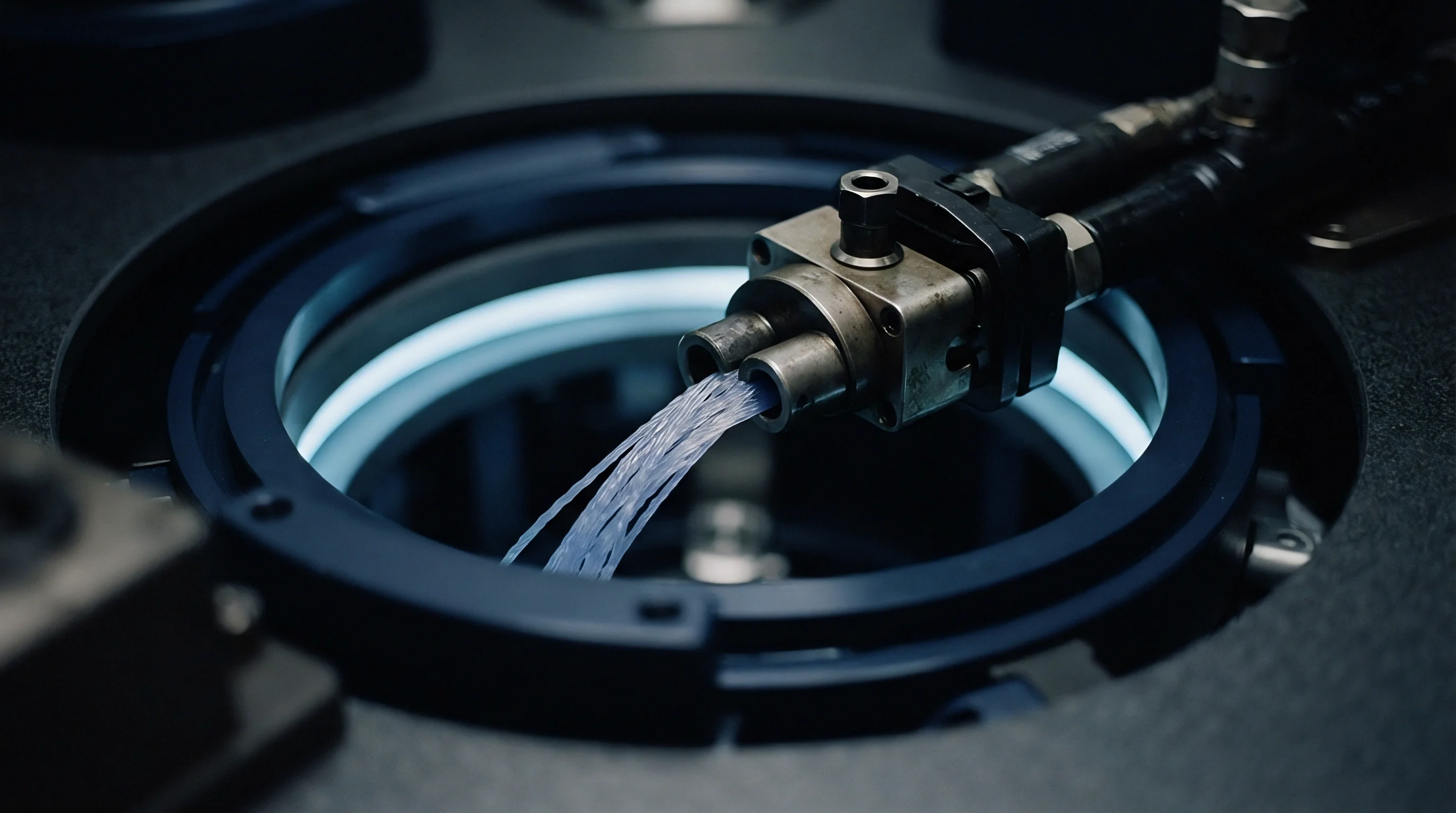
Selecting the proper Harmonized System code for imported masterbatch depends on the active constituent’s primary function and the weight fraction of the resin binder. Chapter 32 covers synthetic organic coloring matter, titanium dioxide preparations, and inorganic pigments. Chapter 38 encompasses miscellaneous chemical products, including high-concentration mineral filler masterbatches, while Chapter 39 applies to primary polymers carrying low additive levels.
Note 3 to Chapter 39 defines primary forms as liquids, pastes, blocks, granules, and pellets, including polymers containing added substances like colorants or fillers added during or after production. When the pigment or functional additive defines the primary character, specific subheadings in Chapter 32 or Chapter 38 take legal precedence over general resin lines in Chapter 39.
When Does a Color Concentrated Matrix Cross into Heading 3206?
Preparations based on titanium dioxide fall under HS heading 3206.11 when containing 80 percent or more by weight of titanium dioxide calculated on dry matter. Concentrates with lower titanium dioxide concentrations fall under HS heading 3206.19 or HS heading 3204.17 for organic pigments.
- Heading 3204 covers synthetic organic coloring matter dispersed in a polymer matrix, applying when the organic colorant provides the primary character of the concentrate.
- Heading 3206 applies to inorganic coloring preparations, including white concentrates containing titanium dioxide or iron oxide pigments within a thermoplastic binder.
- Heading 3824 includes non-colored mineral filler masterbatches containing calcium carbonate, talc, or silica suspended in polyolefin carriers where filler weight exceeds fifty percent.
- Heading 3901 through 3911 covers primary polymers containing light stabilizers, antioxidants, or slip agents where additive loadings remain under five percent by weight.
Distinguishing Chemical Preparations from Primary Resin Concentrates
Distinguishing a functional masterbatch from an additive-modified base resin requires assessing active concentrations. A slip masterbatch with 5 percent erucamide in linear low density polyethylene remains under HS 3901.10 or 3901.20 because the polyolefin represents the principal material. Conversely, an antioxidant concentrate carrying 20 percent hindered phenol or phosphite additives moves into HS 3824.99 because the functional chemistry governs its commercial purpose.
| Tariff Heading | Description Criteria | Typical Active Content | Ad Valorem Duty Range |
|---|---|---|---|
| HS 3204.17 | Synthetic organic pigments dispersed in plastic matrix | 15% to 40% organic colorant | 0.0% to 6.5% |
| HS 3206.11 | Titanium dioxide concentrates (80%+ TiO2 dry basis) | 50% to 75% TiO2 overall mass | 0.0% to 6.0% |
| HS 3206.49 | Other inorganic coloring preparations (carbon black) | 20% to 50% inorganic pigment | 3.0% to 6.5% |
| HS 3824.99 | Chemical preparations (filler masterbatches) | 50% to 80% calcium carbonate or talc | 5.0% to 6.5% |
| HS 3901.20 | Polyethylene in primary forms (low additive content) | Under 5% functional additives | 6.5% + anti-dumping risk |
Declaring a titanium dioxide masterbatch under raw polyethylene tariff lines triggers immediate border delays, retroactive duty assessments, and potential seizure of non-compliant shipments.


Laboratory
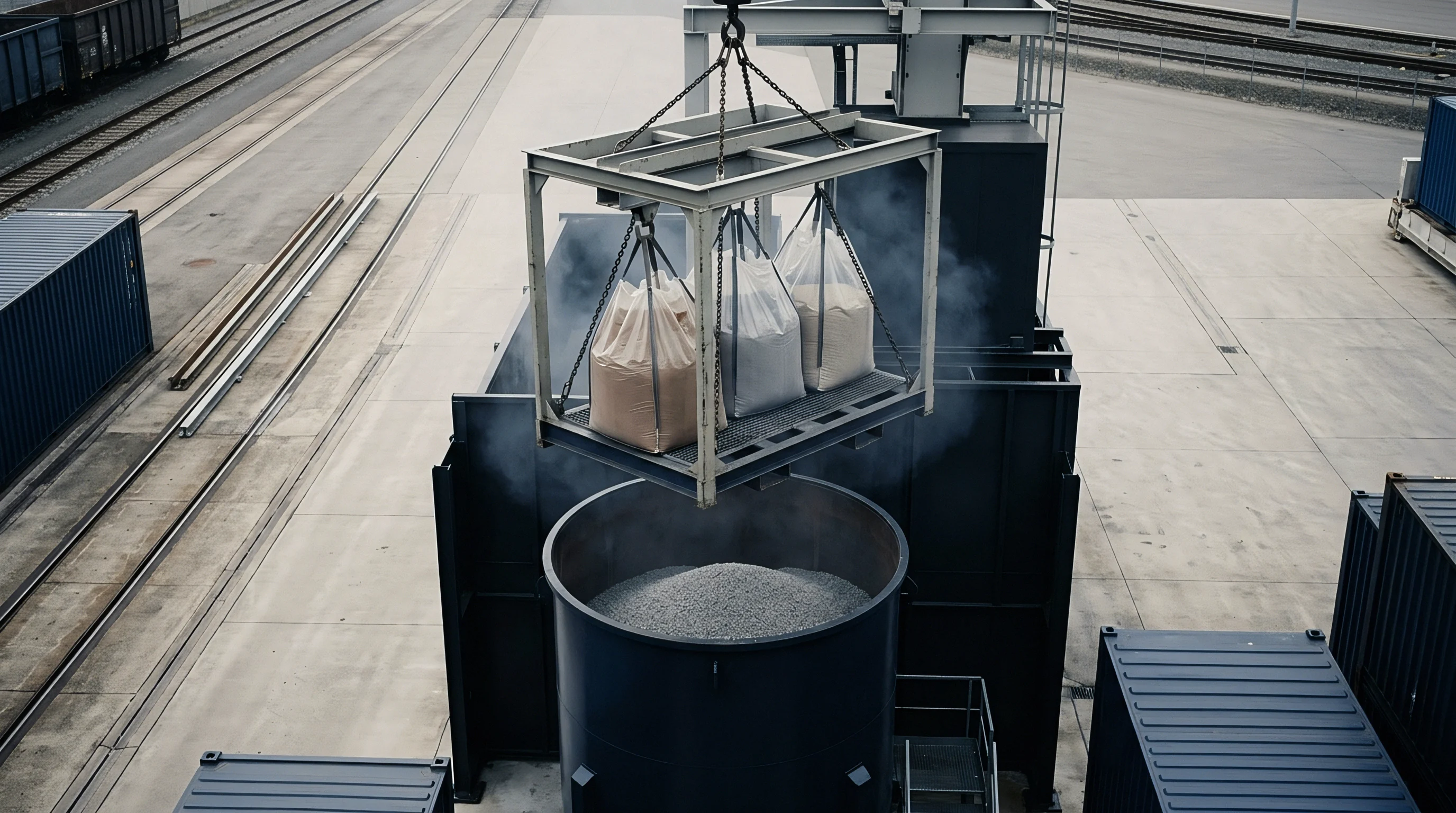
Analytical verification of incoming masterbatch lots establishes the precise ratio between active chemistry and carrier resin. Customs laboratories test imported pellets to verify that declared tariff codes match physical composition, while importers run standardized QA protocols to validate vendor certificates of analysis.

Quantitative Ash Determination and Polymer Mass Fractions
Inorganic pigment and filler concentrations are measured using ISO 3451-1 Method A or ASTM D5630. A 5-gram pellet sample is placed in a muffle furnace at 600 °C until the polymer binder pyrolyzes completely, leaving an inorganic residue that represents the filler and pigment mass fraction. In calcium carbonate masterbatches, exposure above 750 °C calcines calcium carbonate into calcium oxide and carbon dioxide; holding the furnace at 600 °C avoids this decomposition error.
- Sample five random bags from the imported container to collect a representative ten-gram pellet composite.
- Perform ash content testing in accordance with ISO 3451-1 Method A at 600 °C to determine total inorganic loading.
- Execute thermogravimetric analysis under nitrogen atmosphere per ASTM E1131 from 30 °C to 800 °C at 20 °C per minute to separate organic additives from carrier resin degradation steps.
- Collect Fourier-transform infrared spectra of the pyrolyzed polymer condensate according to ISO 10601 to verify carrier resin identity against baseline polymer references.
- Measure melt mass-flow rate under ISO 1133 conditions using specified temperature and load parameters to confirm matrix viscosity matches technical declarations.
Ash content above 60 percent by weight measured via ISO 3451-1 Method A reclassifies mineral masterbatches from primary polymers into preparations of Heading 3824.
Spectroscopic Verification of Matrix Chemistries
Thermogravimetric analysis per ASTM E1131 resolves multi-component formulations by monitoring mass loss during heating from ambient to 800 °C under nitrogen. Low molecular weight wax aids volatilize between 200 °C and 350 °C, polyolefin carriers degrade between 380 °C and 500 °C, and carbon black or mineral residues remain stable until air is introduced at 600 °C. Attenuated total reflectance FTIR spectroscopy following ISO 10601 identifies the specific carrier polymer structure.
Standard import contracts incorporating ISO 10601 testing protocols bind the vendor to financial liability for customs penalties resulting from carrier resin deviations.

Dispute
Conflicting tariff interpretations between national customs agencies and importers generate substantial classification risk. The General Rules for the Interpretation of the Harmonized System (GRI) govern tariff assignment: Rule 1 bases classification on heading terms and relevant section or chapter notes, while Rule 3(b) directs that mixtures and composite goods be classified by the component that imparts essential character.
Essential Character Determination under Harmonized System Rules
Auditors assess whether the carrier resin or the functional additive provides the material’s essential character. For black masterbatches containing 40 percent carbon black in 60 percent polyethylene, customs authorities generally find that the carbon black provides the primary character under HS 3206.49, rejecting importer claims that processing behavior anchors the product in HS 3901.20. European Union Binding Tariff Information (BTI) decisions consistently assign carbon black masterbatches to Heading 3206 on the basis of optical function.

Binding Tariff Information and Precedent Rulings
United States Customs and Border Protection rulings categorize functional additive masterbatches according to active chemistry. Flame retardant concentrates containing 50 percent decabromodiphenyl ethane in polystyrene fall under HS 3824.99, as do UV stabilizer concentrates formulated with 20 percent hindered amine light stabilizers in polyolefin carriers.
- Carrier polymer dominance occurs when additive content remains below five percent, keeping classification firmly within primary plastic resin headings of Chapter 39.
- Pigment character primacy forces masterbatch classification into Chapter 32 whenever organic or inorganic pigments provide the defining optical function of the pellet concentrate.
- Chemical preparation designation applies under Heading 3824 when functional additives such as flame retardants, blowing agents, or antistatic compounds exceed ten percent by weight.
- Binding tariff applications provide certainty by securing official customs rulings on specific masterbatch formulations prior to commercial shipment execution.
European Binding Tariff Information ruling precedents require organic pigment masterbatches with over 15 percent carrier polymer to be evaluated under Chapter 32 headings.
Whether international trade bodies will eventually harmonize threshold percentage rules for carrier resin classification across global customs boundaries remains an open policy question.

Ledger
Import financial modeling balances base purchase price, freight, and tariff exposure across candidate HS codes. Ad valorem duty rates diverge between raw primary resins and formulated preparations: primary polyethylene under HS 3901 typically faces a 6.5 percent duty in major markets, whereas titanium dioxide preparations under HS 3206.11 carry rates between 0.0 percent and 3.0 percent.
Duty Rate Sensitivity and Concentration Economics
Importing high-concentration masterbatch reduces total transport volume but shifts shipments into specific chemical headings. On a 40-tonne delivery of white polyethylene masterbatch valued at 2,200 USD per tonne CIF and formulated at 70 percent titanium dioxide, the goods clear under HS 3206.11 at a 3.0 percent ad valorem rate. Duty totals 2,640 USD, producing a landed cost of 2,266 USD per tonne.
Landed Cost Calculation for Masterbatch Import Shipments
Compounding that same 40-tonne order at 30 percent titanium dioxide and 70 percent LLDPE changes the calculation. Reclassification by customs as modified polyethylene under HS 3901.10 raises the duty rate to 6.5 percent, increasing total duty to 5,720 USD and landed cost to 2,343 USD per tonne. Furthermore, primary polyolefins from certain origins carry trade defense and anti-dumping duties exceeding 15 percent, whereas Chapter 32 pigment preparations remain outside resin anti-dumping orders.
| Tariff Heading | Masterbatch Type | Declared Value per Tonne | Standard Duty Rate | Landed Cost per Tonne |
|---|---|---|---|---|
| HS 3206.11 | 70% TiO2 White Masterbatch | 2,200 USD | 3.0% | 2,266 USD |
| HS 3206.49 | 40% Carbon Black Masterbatch | 1,850 USD | 3.0% | 1,905 USD |
| HS 3824.99 | 70% CaCO3 Filler Masterbatch | 950 USD | 5.0% | 997 USD |
| HS 3901.20 | 30% TiO2 Low-Load Concentrate | 2,200 USD | 6.5% | 2,343 USD |
| Calculations assume cost insurance freight shipping terms at base contract price with standard port handling charges included. | ||||
Optimizing concentrate pigment loading reduces total duty expenditure when carrier resins carry higher ad valorem tariffs than active colorants.
Maximizing pigment concentration within carrier matrices consistently lowers total duty fees when raw polymer headings carry trade defense tariffs.
Audit
Maintaining customs compliance requires establishing detailed records that link mill certificates, bill of lading documentation, and laboratory test results to every entry summary. Customs authorities conduct post-clearance reviews up to five years after entry release. Discrepancies between declared tariff descriptions and physical pellet composition lead to retroactive duty demands, penalty interest, and administrative sanctions.

Post Clearance Verification and Entry Reconciliation
Internal compliance procedures reconcile supplier technical datasheets with actual chemical composition verified by incoming laboratory inspection. Certificates of analysis provided by compounders state exact carrier resin percentages, pigment trade names, CAS numbers for active additives, and measured ash content under ISO 3451-1. Matching lot batch numbers on incoming gaylord boxes to customs clearance documentation protects the importer during regulatory compliance reviews.

Traceability Records for Masterbatch Deliveries
Retaining retention samples from every imported lot provides material evidence if customs authorities challenge historical tariff entries. Keep a 500-gram sealed pellet sample from each container load alongside thermoanalytical test records for five years. Demonstrating rigorous analytical verification deters civil fraud penalties and establishes good-faith compliance effort during customs inquiries.
Establishing structured sampling documentation for every imported container establishes an auditable chain of custody that withstands regulatory scrutiny.