Meaning
High-molecular-weight thermoplastic resin derived from propylene gas constitutes the primary structural component of a vast range of rigid containers, durable automotive parts, and flexible packaging films. Polypropylene represents a semi-crystalline polymer formed through catalytic polymerization under high pressure, resulting in a material defined by a distinct methyl group attachment along the carbon backbone. This molecular structure imparts high chemical resistance, a low density among commercial plastics, and the ability to maintain structural integrity during repeated flexural cycles.
Production creates grades categorized by their melt flow index, which indicates how easily the molten material moves through the heated barrel of an injection machine. Boundaries for its utility exist where extreme low-temperature ductility or continuous long-term ultraviolet exposure without stabilizers becomes necessary.
Polymer Rheology
A critical variable governed by this material is the melt flow rate, measured in grams per ten minutes to quantify viscosity under a standard load and temperature. Processing machines determine the specific range required for a project based on the distance the melt travels through a mould cavity. Low melt flow grades provide high impact strength but force the motor to work against higher pressure, while high melt flow grades fill thin sections quickly yet remain brittle after cooling.
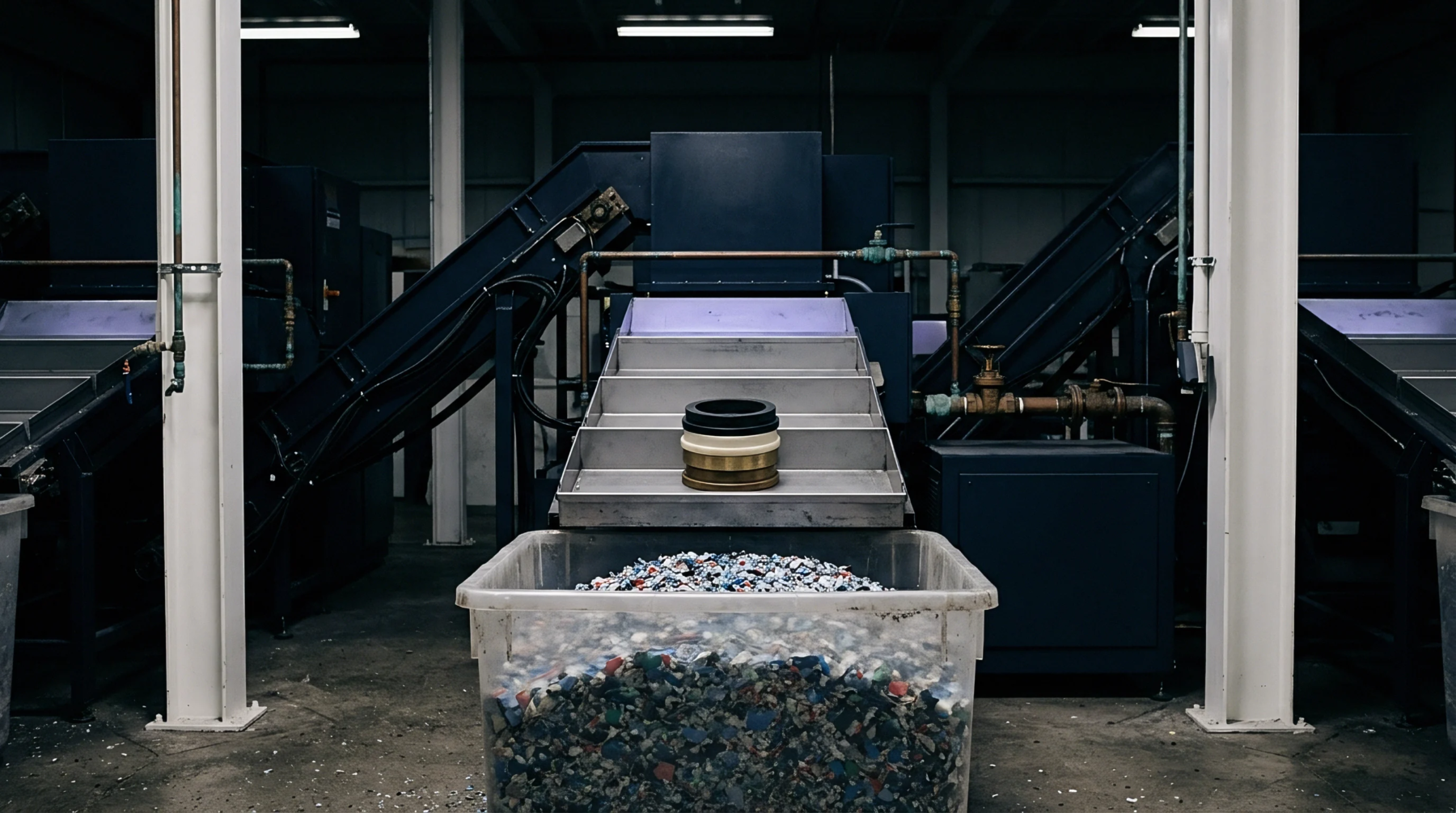
Moulders track the difference between the resin datasheet value and the value observed during a production run to account for the thermal degradation caused by repetitive heating. Variations in regrind usage further shift this rheology because discarded parts undergoing secondary heat cycles experience chain scission, which lowers the molecular weight and alters the fill characteristics. Operators adjust the back pressure on the screw to compensate for these variances to maintain part dimensions and density.
Crystallization Kinetics
Controlled cooling within the steel mould determines the final mechanical properties by regulating how efficiently polymer chains align into a lattice structure. Rapid quenching against cold tooling results in smaller spherulites, which improve the optical clarity of thin films and reduce the total cycle time per part. Slow cooling allows for larger crystal growth, which boosts the tensile strength and the heat deflection temperature of thicker items like industrial buckets.
Technicians monitor the surface finish for signs of uneven crystal distribution, a defect known as blush that appears when the molten resin hits the cold wall too quickly. Shrinkage remains the largest cost factor associated with this material, as amorphous regions contract differently than crystalline areas when the temperature drops. Correct cooling channel placement prevents warpage by ensuring that the wall thickness cools at a uniform rate regardless of the geometry.
Production Economics
Purchasing decisions involve a choice between virgin resin and mechanically recycled streams based on the intended function of the finished item. Parts demanding high purity or consistent cosmetic finish require virgin feedstock, while stable housing components often tolerate blends to reduce the total material expense per unit. Tooling design requires accurate compensation for the high shrinkage rate characteristic of the resin, as this material moves more than other commodity plastics during the phase change.
Consistent monitoring of the melt temperature ensures the internal molecular bonds remain stable across large production batches. This polymer maintains a stable cost base relative to engineered resins.