Meaning
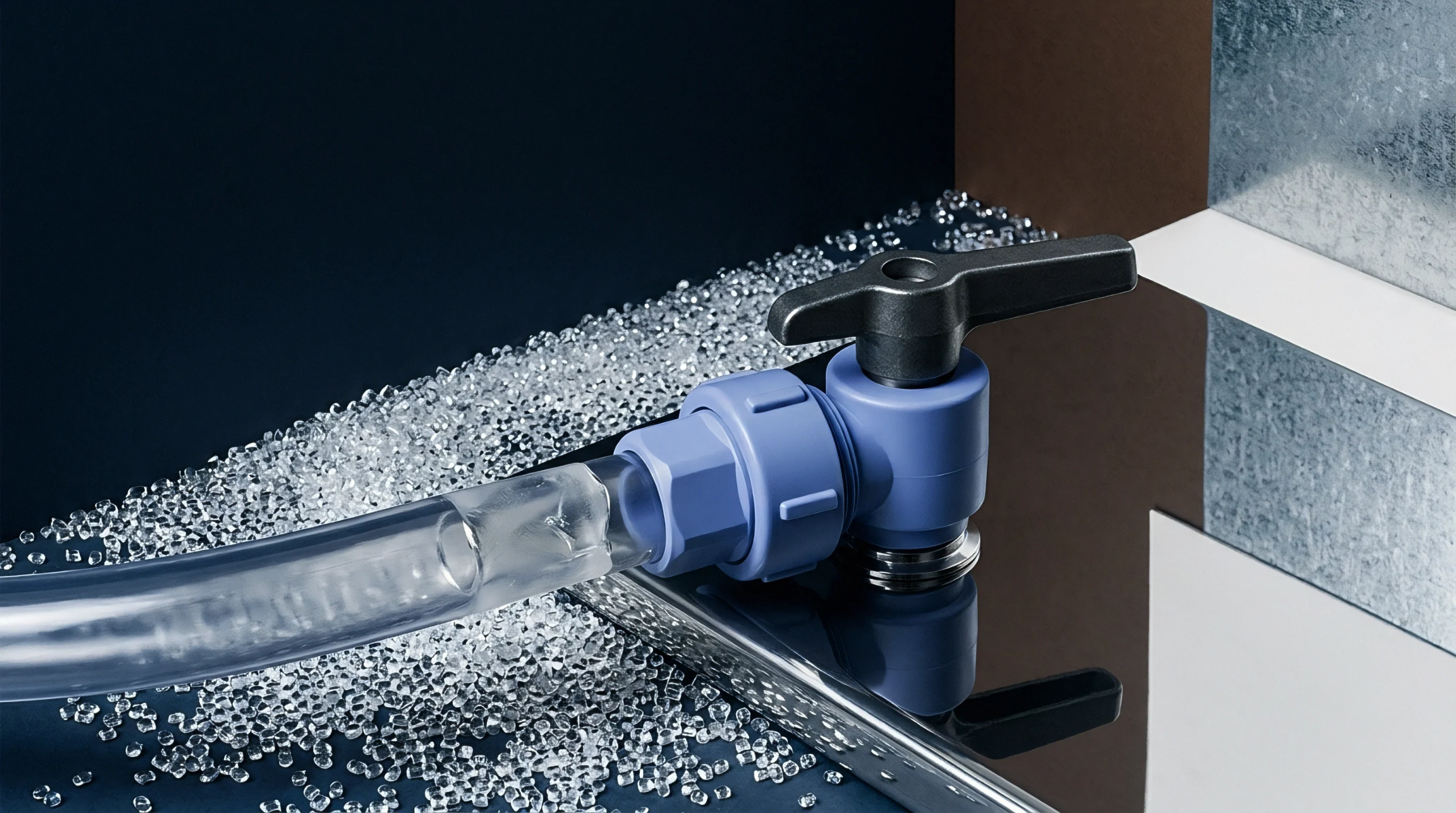
A thermoplastic homopolymer created through the catalytic polymerization of propene gas functions as a lightweight structural resin featuring high fatigue resistance and a semi crystalline molecular structure. Polypropylene governs melt flow index values alongside crystallization shrinkage rates during high pressure tool filling. Thermal degradation occurs when barrel temperatures exceed safe processing limits during prolonged residence times.
Crystallization Kinetics
Shrinkage behavior depends directly upon cooling rates established inside the metal tooling. Molten resin transforms into a solid part as spherulites grow radially from nucleation sites during the freezing phase. Rapid chilling suppresses crystal size, which increases impact resistance while reducing tensile modulus across thin wall sections.
Uneven mold wall temperatures create differential shrinkage, causing warping and dimensional distortion in finished components. Part specifications establish tolerances that require strict control over coolant circulation and cycle times. Resin suppliers publish nominal melt flow rates tested under standardized load conditions, yet actual machine performance varies according to shear heating inside the screw channel.
Shear forces align polymer chains along the flow direction, producing anisotropic mechanical properties that engineers must accommodate during gate placement design.
Regrind Economics
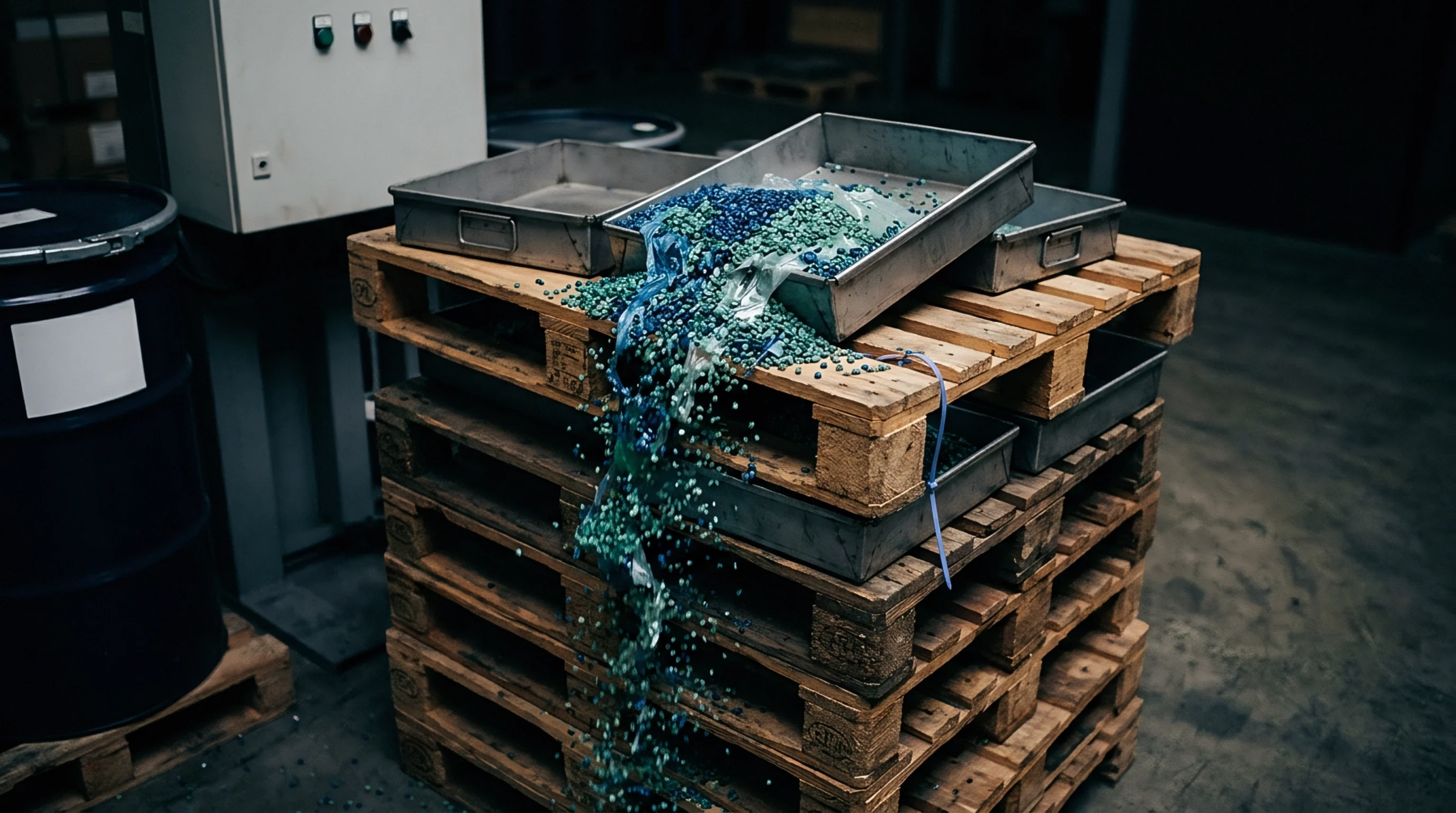
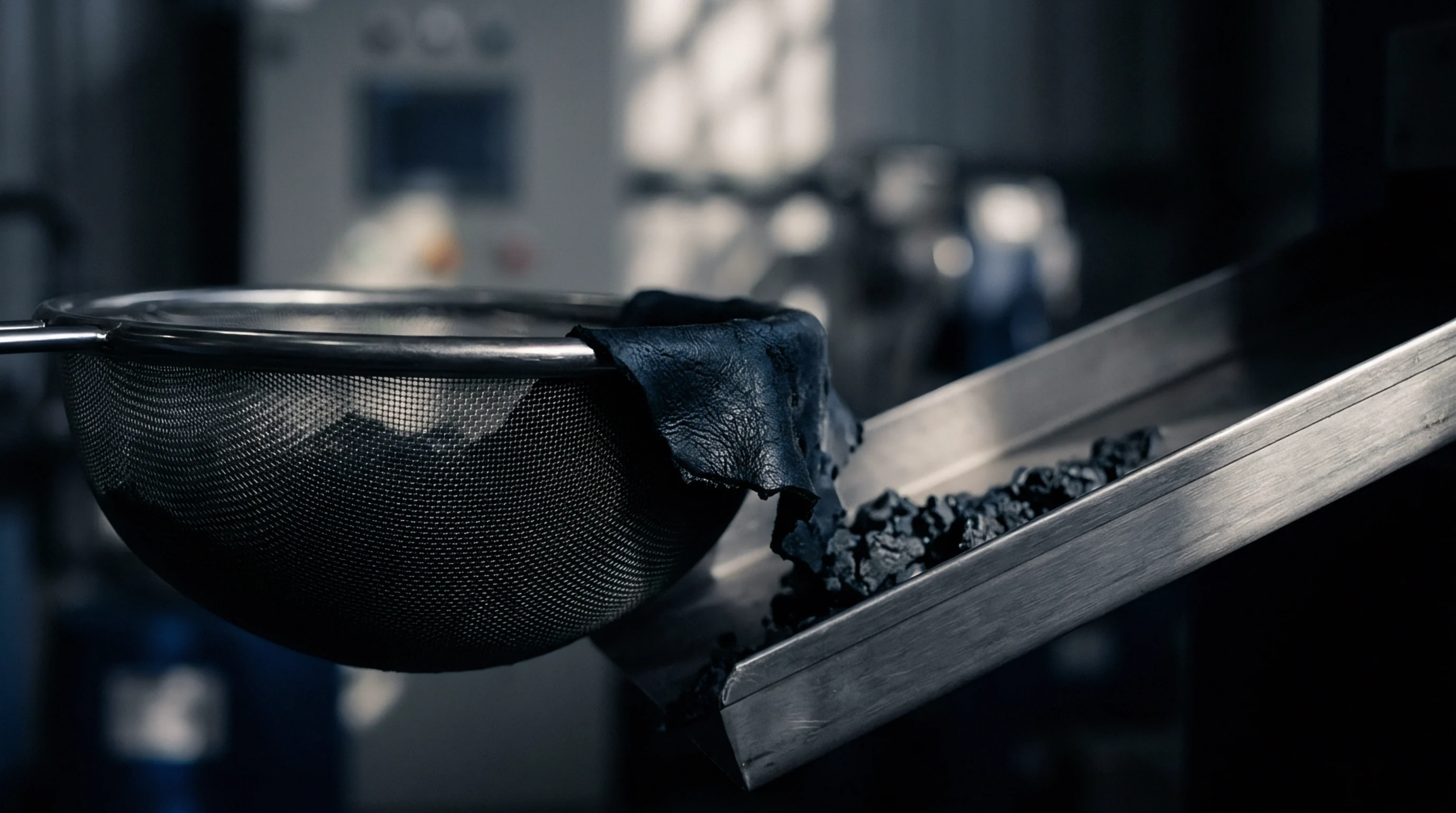
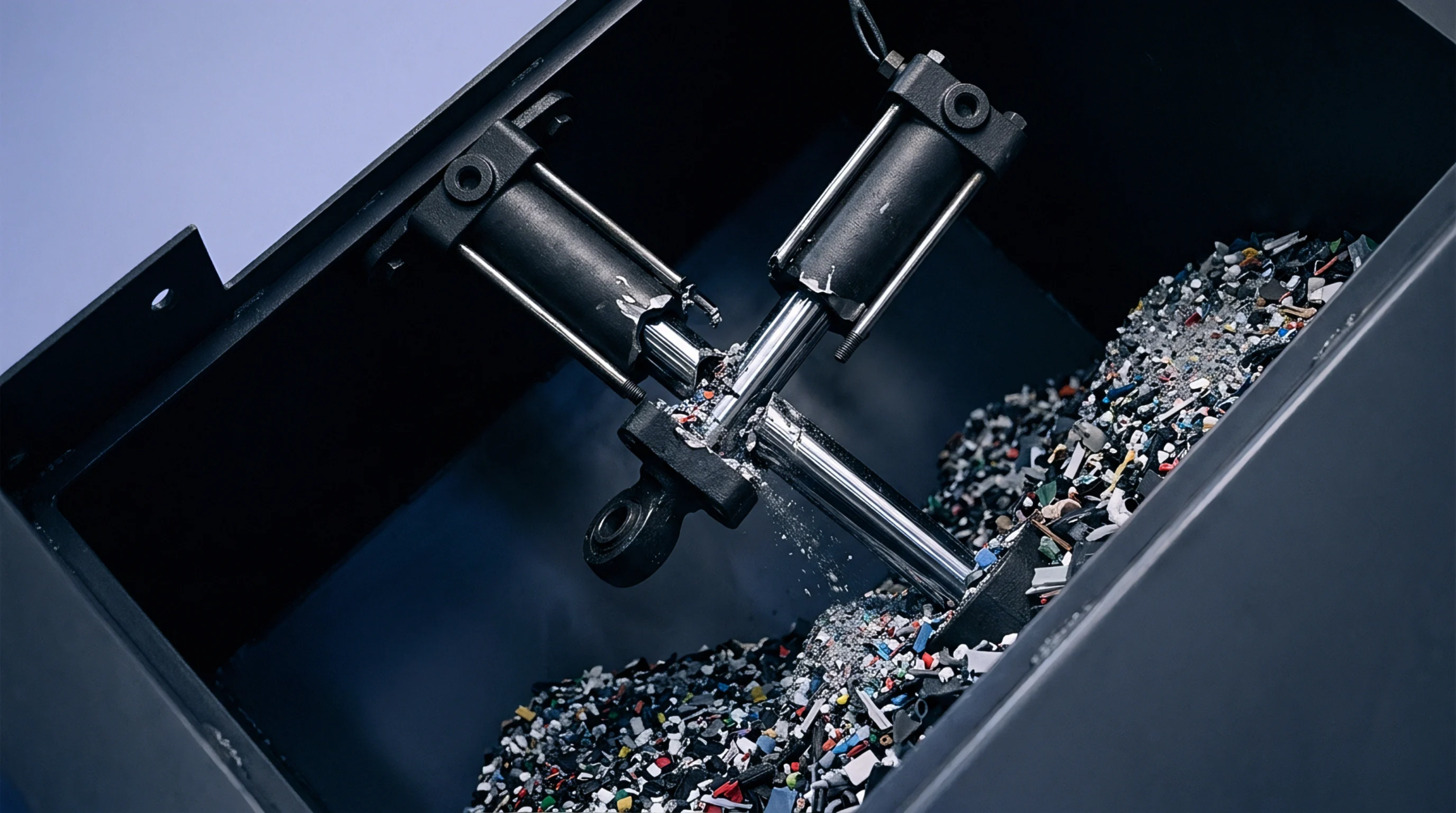
Economic pressures frequently compel manufacturers to blend scrap material back into primary feed hoppers to reduce raw material expenditures. Repeated thermal cycles break polymer chains through chain scission, lowering molecular weight and shifting melt flow indexes upward. Virgin pellets exhibit predictable viscosity profiles, whereas secondary material introduces batch to batch variability that destabilizes cavity pressure curves.
Injecting high percentages of regrind leads to flash formation, sink marks, and premature mechanical failure under load. Material specifications dictate strict ratios for recycled content to prevent degradation of structural integrity in safety critical applications. Purchasing departments weigh the immediate savings of scrap utilization against the long term costs of scrap rejection rates and machine downtime.
Shrinkage Control
Dimensional stability relies heavily on holding pressure phases that counteract volumetric contraction during freezing. Volumetric shrinkage ranges from normal to severe depending on initial melt temperature and ambient factory conditions. Process technicians adjust packing profiles to eliminate voids while avoiding overpacking that induces internal residual stresses.
Excessive clamping tonnage compensates for poor thermal regulation, yet creates high residual stress zones near injection gates. Material datasheets provide baseline shrinkage ranges derived from laboratory plaques, but production parts require empirical adjustments to tooling dimensions. Component geometry dictates how local wall thickness variations influence cooling rates, demanding localized cooling channels within the mold base to achieve uniform shrinkage outcomes.