Determining Antioxidant Depletion Thresholds in Recycled Polypropylene Extrusion Processing
Oxidation induction time testing at 200 °C establishes true additive depletion in recycled polypropylene before melt processing causes chain scission.
Radicals
Thermal-mechanical stress inside an extrusion barrel cleaves carbon-carbon bonds along the polypropylene backbone. Shearing forces at molten temperatures between 190 °C and 240 °C generate alkyl carbon-centered radical species on the tertiary carbons. Oxygen present in barrel feed zones reacts with these sites at diffusion-controlled rates.
Peroxyl radicals form rapidly as a result. These active oxygen species abstract hydrogen atoms from adjacent polymer chains, generating hydroperoxides alongside new carbon-centered active sites. The process creates an autocatalytic degradation cascade that lowers polymer molecular weight through beta-scission.
Phenolic Antioxidant Scavenging Mechanisms
Sterically hindered phenols interrupt this degradation cascade during melt processing. Primary antioxidants, such as pentaerythritol tetrakis(3-(3,5-di-tert-butyl-4-hydroxyphenyl)propionate), donate reactive hydrogen atoms from their hydroxyl groups to peroxyl radical species. The resulting phenoxyl radical remains stable through steric hindrance provided by bulky tert-butyl groups at the ortho positions.
This stability halts chain propagation. Each hindered phenol molecule scavenges two peroxyl species before complete conversion into quinone derivative structures. Consumption rates scale directly with melt temperature and residence time inside the processing equipment.
Hydroperoxide Decomposition Pathways
Phosphite compounds act as secondary stabilizers during thermal exposure. Trivalent phosphorus molecules, including tris(2,4-di-tert-butylphenyl) phosphite, react directly with hydroperoxide intermediates generated during processing. The phosphite abstracts oxygen from the hydroperoxide, converting the reactive molecule into a stable alcohol while oxidizing the phosphite to a phosphate structure.
This non-radical pathway prevents hydroperoxide homolysis into alkoxy and hydroxyl free radicals. Phosphites react preferentially with hydroperoxides, sparing the primary phenolic additive from premature consumption during initial processing passes.
The exact quantitative relationship between screw shear rate energy input and phosphite oxidation rates across filled post-consumer polypropylene formulations remains unmapped across industrial compounding processing windows.

Probe
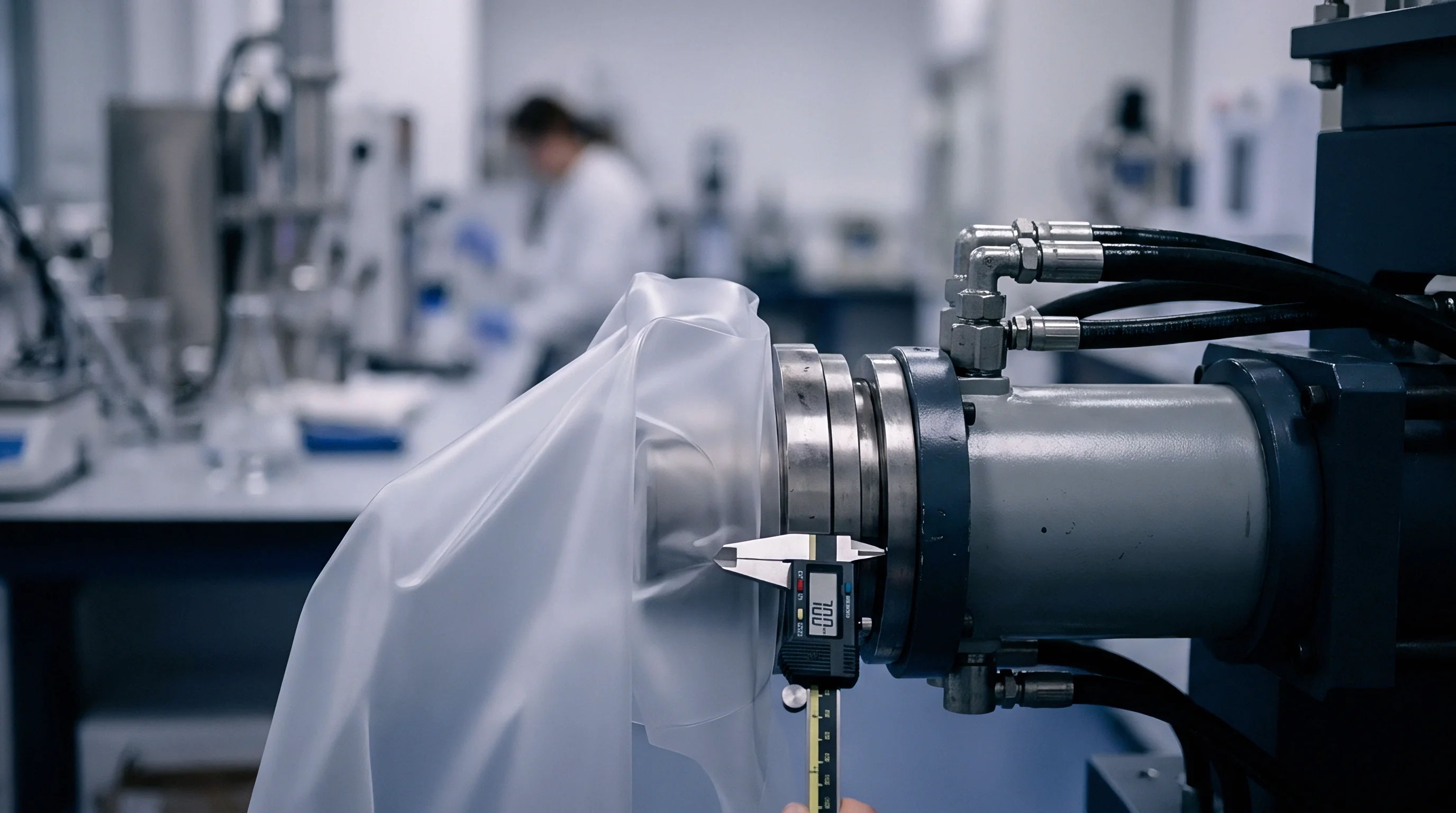
Quantifying additive depletion in recycled polypropylene relies on thermal and chromatographic laboratory procedures. Incoming scrap streams possess unknown thermal histories and varying baseline additive retention. Testing measures both residual active stabilizer concentration and existing polymer backbone damage.
Isothermal Thermal Testing Protocols
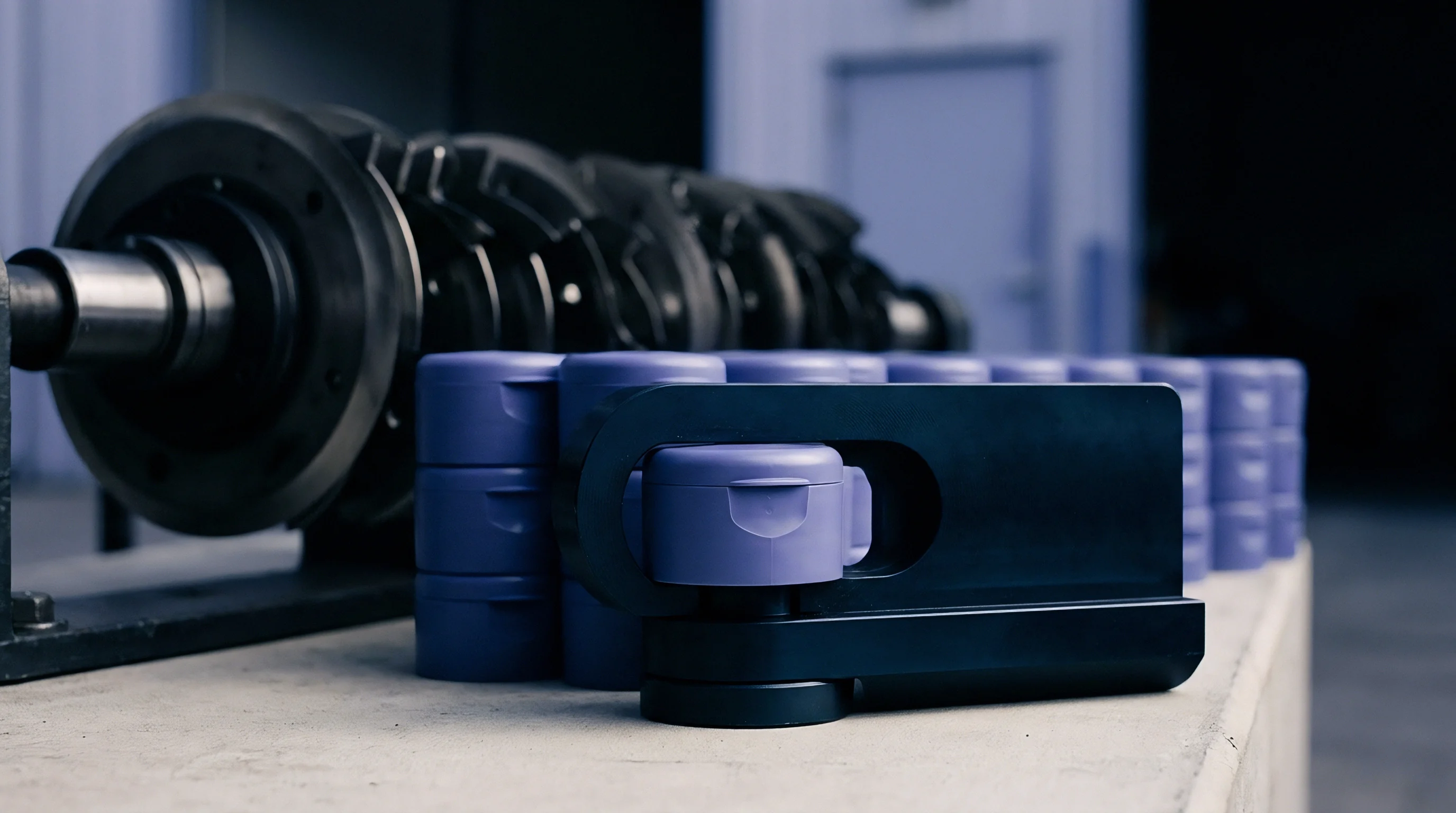
Standard ASTM D3895 and ISO 11357-6 procedures define Oxidation Induction Time testing using differential scanning calorimetry. Specimen pans hold five-milligram polymer samples under continuous nitrogen flow while heating to an isothermal temperature of 200 °C. Switching the sweep gas to pure oxygen at 50 mL/min marks time zero. The aluminum pan acts as a container while the instrument records exothermic heat flow.
An abrupt upward deflection in the thermal signal marks the onset of rapid polymer oxidation. Virgin polypropylene compounds stabilized for long-term outdoor exposure yield oxidation induction times exceeding 45 minutes at 200 °C. Un-stabilized or fully depleted recycled pellets undergo exothermic combustion in under two minutes under identical test conditions.
An oxidation induction time below ten minutes at two hundred degrees Celsius under pure oxygen indicates near-complete depletion of phenolic stabilization in polypropylene matrix resin.
Chromatographic and Viscometric Measurements
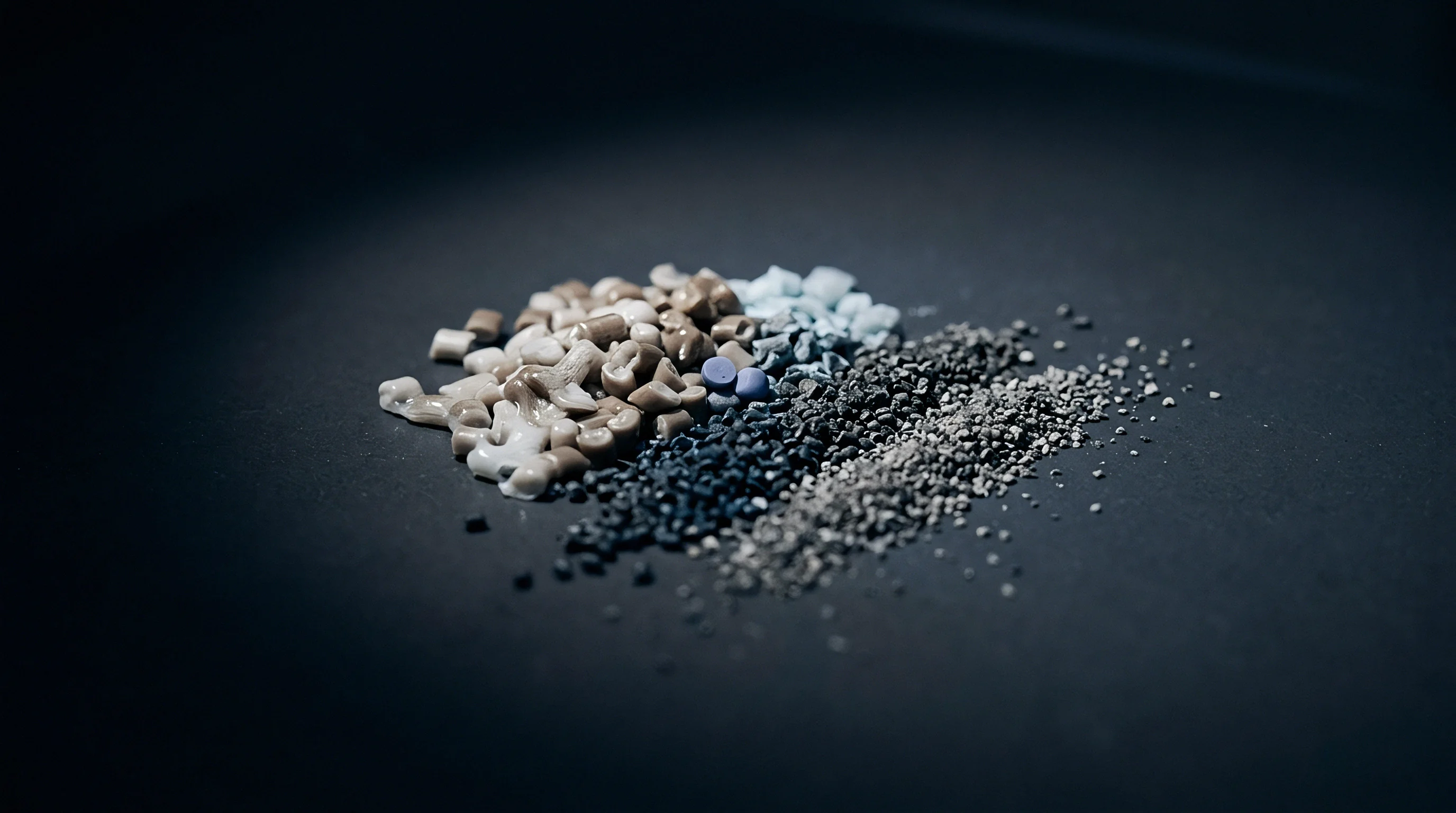
High-performance size exclusion chromatography measures the molecular weight distribution changes resulting from thermal degradation. Beta-scission shifts the distribution curve toward lower molecular weights, broadening the polydispersity index beyond initial virgin values. Melt flow rate testing per ISO 1133-1 under a 2.16 kg load at 230 °C provides an immediate plant-floor proxy for molecular weight loss.
A rising melt flow rate demonstrates backbone degradation. Gel permeation chromatography isolates whether low-viscosity readings stem from polymer chain scission or low molecular weight wax contamination.
| Test Method | Standard Reference | Primary Measurement Parameter | Target Value Range | Detection Limit |
|---|---|---|---|---|
| Oxidation Induction Time | ISO 11357-6 / ASTM D3895 | Time to exothermic oxidation onset at 200 °C | 15 to 45 minutes | 0.5 minutes |
| Melt Flow Rate | ISO 1133-1 Condition M | Extrudate mass output at 230 °C / 2.16 kg load | 8 to 25 g/10 min | 0.1 g/10 min |
| Size Exclusion Chromatography | ISO 16014-4 | Weight-average molecular weight (Mw) | 180,000 to 320,000 g/mol | 1,000 g/mol |
| Fourier Transform Infrared | ASTM E168 | Carbonyl Index at 1715 cm-1 wave number | 0.01 to 0.15 absorbance units | 0.005 units |
| All test specimens undergo drying at 80 °C for four hours prior to analytical execution to remove surface moisture. | ||||
High melt flow rate variability across an incoming lot signals uneven stabilizer depletion across the original source waste stream.

Threshold
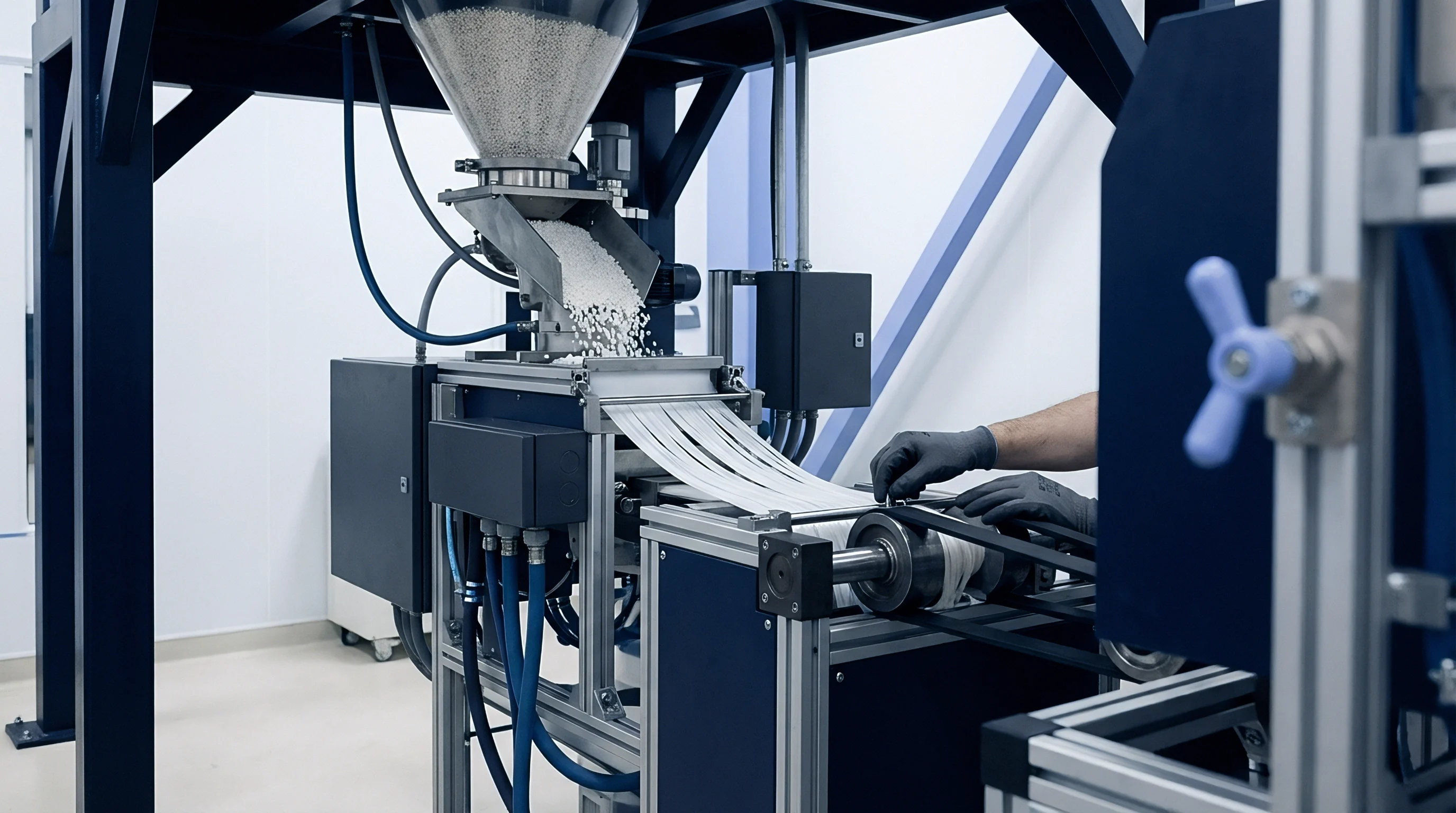
Polypropylene degrades through rapid tertiary carbon chain scission when primary phenolic stabilization drops below minimum protection levels. Unlike polyethylene, which undergoes competitive cross-linking under low oxygen conditions, polypropylene experiences irreversible backbone cleavage. The transition from controlled processing to catastrophic molecular weight collapse occurs over narrow additive concentration ranges.

What Residual Oxidation Induction Time Prevents Processing Degradation?
An oxidation induction time threshold of 10 minutes at 200 °C forms the boundary between stable reprocessing and uncontrolled chain scission. Above ten minutes, primary phenolic molecules remain available to capture radicals generated during screw transport. Below five minutes, radical generation rates outpace hydrogen donation.
Beta-scission then dominates the melt dynamics. Polypropylene processed below this threshold exhibits exponential melt flow rate inflation upon each subsequent heating pass.
Purchasing agreements incorporating ISO 11357-6 testing clauses reject recycled polypropylene shipments when the oxidation induction time falls below twelve minutes at test temperature.

Degradation Kinetics across Consecutive Extrusion Cycles
Consider a post-industrial polypropylene homopolymer lot starting with an initial melt flow rate of 12.0 g/10 min (230 °C / 2.16 kg) and an oxidation induction time of 42 minutes. Extrusion through a 90 mm single-screw line at 220 °C consumes additive inventory. Pass one drops the oxidation time to 19 minutes while melt flow rate rises slightly to 13.8 g/10 min.
Pass two reduces oxidation induction time to 4.2 minutes, causing melt flow rate to surge to 24.5 g/10 min. Pass three yields an oxidation induction time of 0.6 minutes. Melt flow rate spikes to 58.0 g/10 min.
Yellow Index measurements per ASTM E313 increase from 2.1 to 16.8 over these three passes, driven by quinone color-body formation from consumed phenolic stabilizers.
Processing polymer depleted past this baseline causes severe physical property decay. Tensile yield strength drops. Impact resistance falls precipitously.
A homopolymer losing 60 percent of its weight-average molecular weight shows a 75 percent loss in notched Izod impact strength at 23 °C per ISO 180/A.
Operating extruders with additive levels below critical protection boundaries yields brittle parts that crack under design loads during assembly.


Dose
Re-stabilization restores thermal protection to post-consumer and post-industrial polypropylene streams. Adding fresh stabilizer combinations during regrind compounding stops further molecular weight degradation during conversion.
Binary Antioxidant Blend Ratios
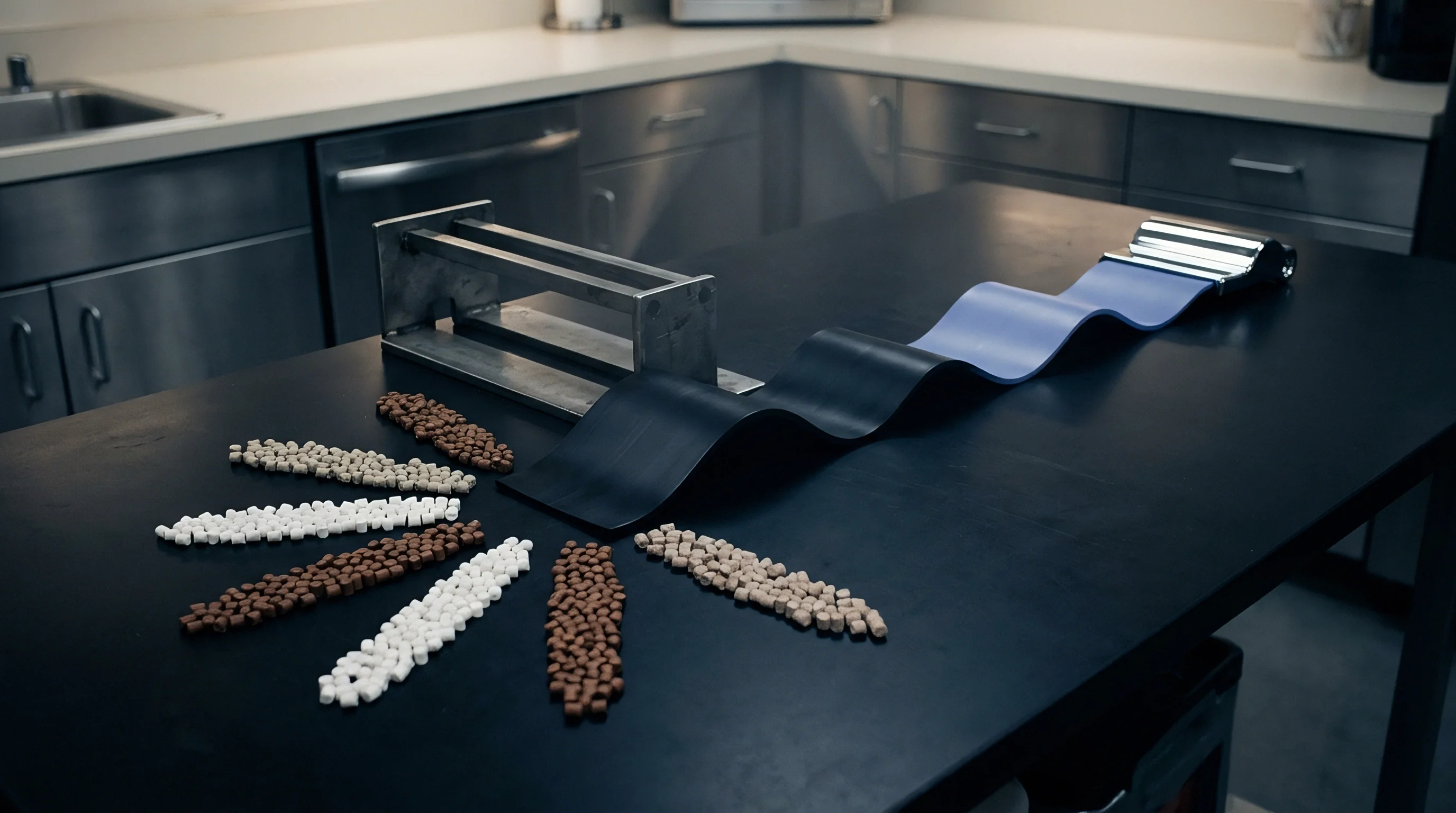
Commercial re-stabilization relies on a 1:2 ratio of hindered phenol to trivalent phosphite. The primary phenolic component captures active radicals, while the phosphite component converts accumulating hydroperoxides. Blend additions between 0.15 percent and 0.45 percent by weight re-establish baseline processing stability in standard recycled streams.
Heavily degraded or multi-pass materials demand total additive dosing up to 0.75 percent by weight.
Re-Stabilization Execution Sequence
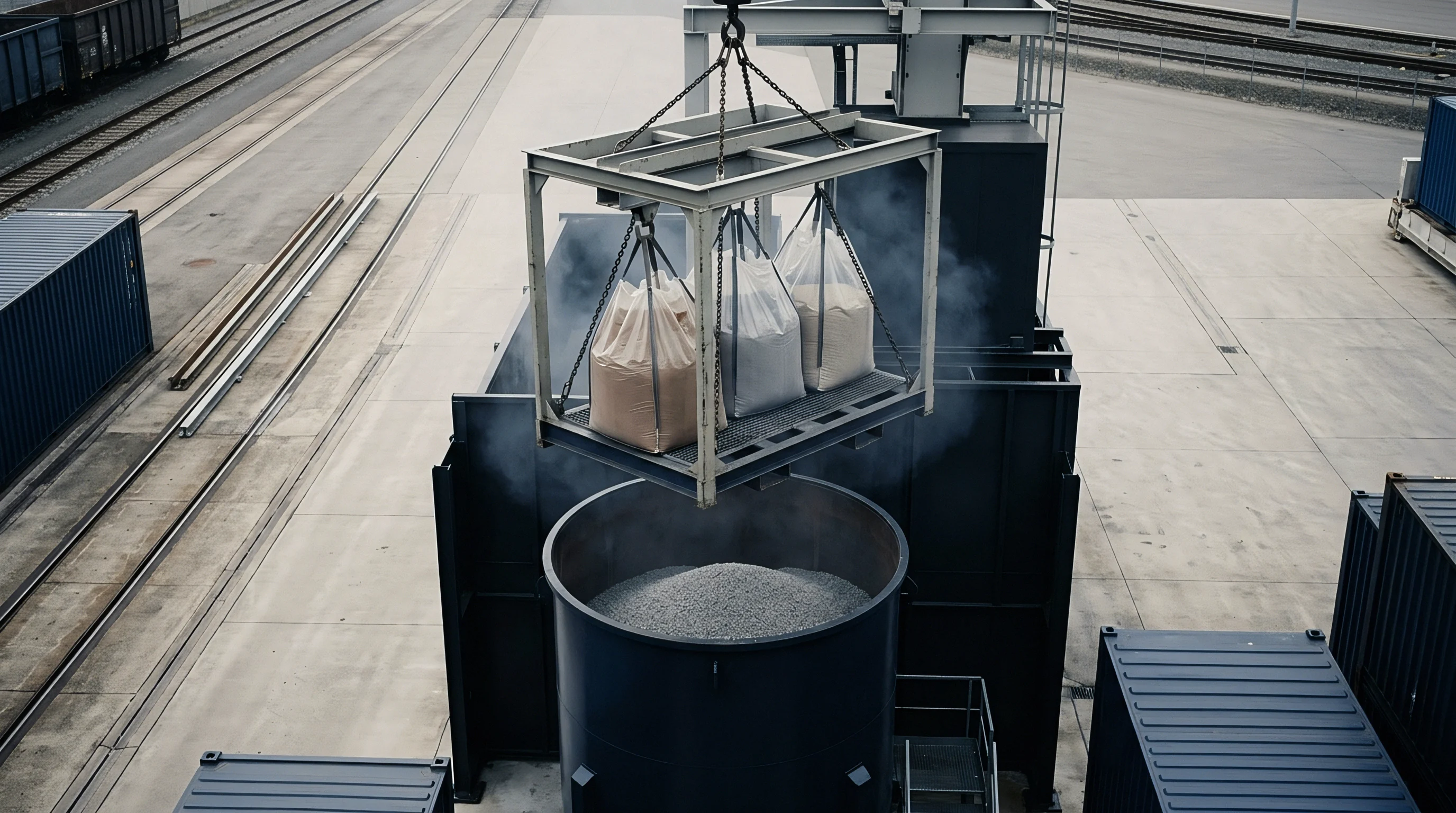
Re-stabilizing degraded polypropylene regrind during melt compounding follows a fixed operational sequence.
- Sample incoming raw regrind across five distributed bag locations to establish baseline oxidation induction time per ISO 11357-6.
- Calculate required masterbatch let-down ratio based on target oxidation induction time exceeding 25 minutes at 200 °C.
- Dry the polypropylene regrind in a desiccant hopper at 80 °C for three hours to achieve moisture levels below 0.05 percent by weight.
- Pre-blend the concentrate masterbatch with raw regrind in a high-intensity gravimetric blender to prevent additive segregation.
- Feed the blend into a co-rotating twin-screw extruder featuring side-feeders and vacuum devolatilization at 210 °C barrel zone settings.
- Pelletize the re-stabilized melt stream through an underwater pelletizer to maintain uniform geometry and minimize thermal exposure time.
| Formulation Code | Primary Phenolic (wt%) | Secondary Phosphite (wt%) | Resulting OIT at 200 °C | MFR Change After 220 °C Pass |
|---|---|---|---|---|
| Un-stabilized Control | 0.00% | 0.00% | 1.8 minutes | +185% |
| Standard Re-charge | 0.10% | 0.20% | 18.5 minutes | +12% |
| High-Demand Re-charge | 0.20% | 0.40% | 38.2 minutes | +3% |
| Extracted Hydrotalcite Blend | 0.15% | 0.30% | 29.0 minutes | +5% |
Suppliers frequently claim their recycled grades contain proprietary long-term protection packages, despite laboratory oxidation induction times testing below five minutes on arrival.
Penalty
Failure to maintain stabilizer levels drives operational scrap costs up during thin-wall injection molding and profile extrusion. Inconsistent melt flow rates create filling fluctuations, flash, and short shots across multi-cavity tooling.
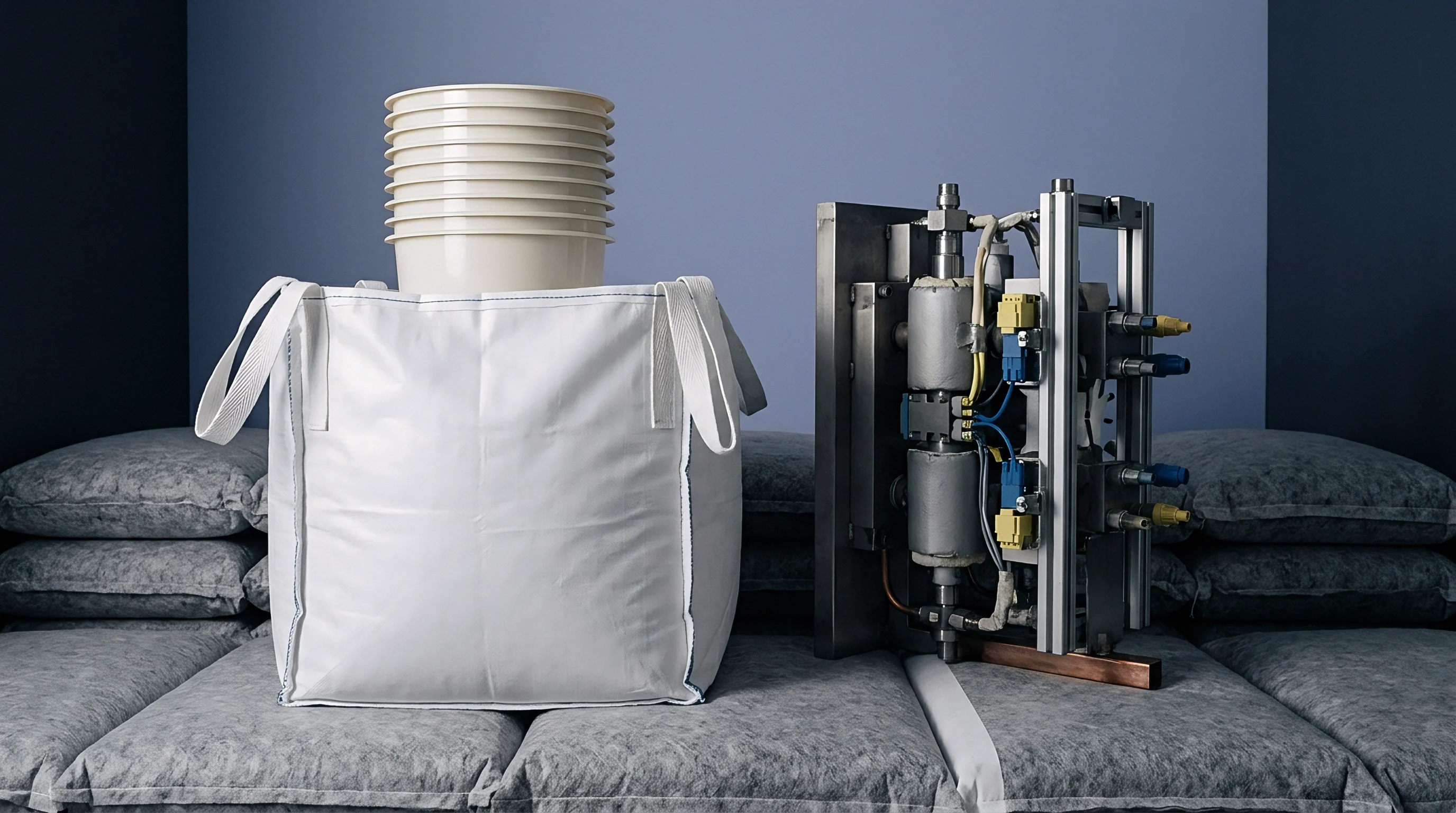
Cost Impact of Degraded Recycled Polypropylene Processing
Degraded polymer leads to part failure during downstream manufacturing operations. Molecular weight drop shifts melt viscosity out of process windows. Tooling designed for an 11 g/10 min melt flow resin flashes severely when filled with degraded 28 g/10 min material.
Component rejection rates climb rapidly. Processing un-stabilized regrind introduces high commercial risk into finished product lines.
Sourcing raw un-stabilized regrind to save on initial pellet invoice pricing drives total delivered part costs higher through scrap generation and tool instability.

Commercial Failure Mechanisms in Recycled Compounds
- Uncontrolled Melt Flow Shift ~ Volumetric filling variations cause sink marks and dimensional instability in precision injection molded housings.
- Peroxide Residual Accumulation ~ Trapped active peroxide species continue chain scission inside hot runner systems, producing severe localized viscosity loss.
- Phase Incompatibility Drag ~ Un-stabilized polyethylene fractions present in post-consumer polypropylene waste streams oxidize prematurely, forming dark gel specks across extruded film surfaces.
| Compounding Strategy | Additive Cost per Tonne | Regrind Resin Landed Cost | Molding Scrap Rate | Effective Cost per Good Tonne |
|---|---|---|---|---|
| Zero Stabilization Addition | $0.00 | $1,120.00 | 18.5% | $1,374.23 |
| Minimal Additive Dose (0.15%) | $18.50 | $1,138.50 | 4.2% | $1,188.41 |
| Optimal Additive Dose (0.35%) | $42.00 | $1,162.00 | 0.8% | $1,171.37 |
| Over-Stabilized Package (0.80%) | $98.00 | $1,218.00 | 0.7% | $1,226.58 |
Standard commercial supply contracts insert non-conformity penalties when delivered melt flow rates deviate by more than 20 percent from agreed specification sheets.
Assurance
Inbound quality control prevents un-stabilized recycled polypropylene from entering production silos. Testing incoming lots verifies additive presence prior to silo discharge.

Certificate of Analysis Verification Requirements
Certificates of analysis supplied with recycled resin lots must carry specific analytical evidence. Single numerical claims without clear test temperature, load, and standard indicators fail verification checks.
Incoming recycled pellet lots without verified additive retention certificates exhibit wide property variations across single production shifts.

Quality Agreement Verification Framework
- Differential Scanning Calorimetry Trace ~ Confirms residual thermal protection curves across sample lots rather than listing generic historical assumptions.
- Secondary Phosphite Ratio Proof ~ Verifies remaining un-oxidized phosphite concentrations relative to total phosphorus content via high-performance liquid chromatography.
- Filter Mesh Pressure Delta Log ~ Tracks pressure rise across twin-screw extruder melt filtration screens to verify gel-free polymer homogenization.
Rigorous verification procedures protect processing machinery, tooling assets, and finished part performance. Establishing mandatory baseline oxidation induction time limits on purchase orders stops sub-standard recycled polypropylene from entering manufacturing facilities. Receiving labs run fast screening tests on every railcar or gaylord shipment.
Sourcing practices that enforce these technical boundaries secure consistent mechanical properties while utilizing recycled polyolefin feedstock.