
Controlled Rheology Visbreaking Degradation Risks in Food Contact Packaging Resins
Visbroken polypropylene risks organoleptic contamination and thermal degradation; verify residual peroxide, NIAS limits, and OIT before food contact use.
Visbroken polypropylene risks organoleptic contamination and thermal degradation; verify residual peroxide, NIAS limits, and OIT before food contact use.

Controlled rheology visbreaking lowers sub-zero polypropylene drop toughness by removing high molecular weight tie chains, demanding elastomer modification to prevent brittle container shatter.
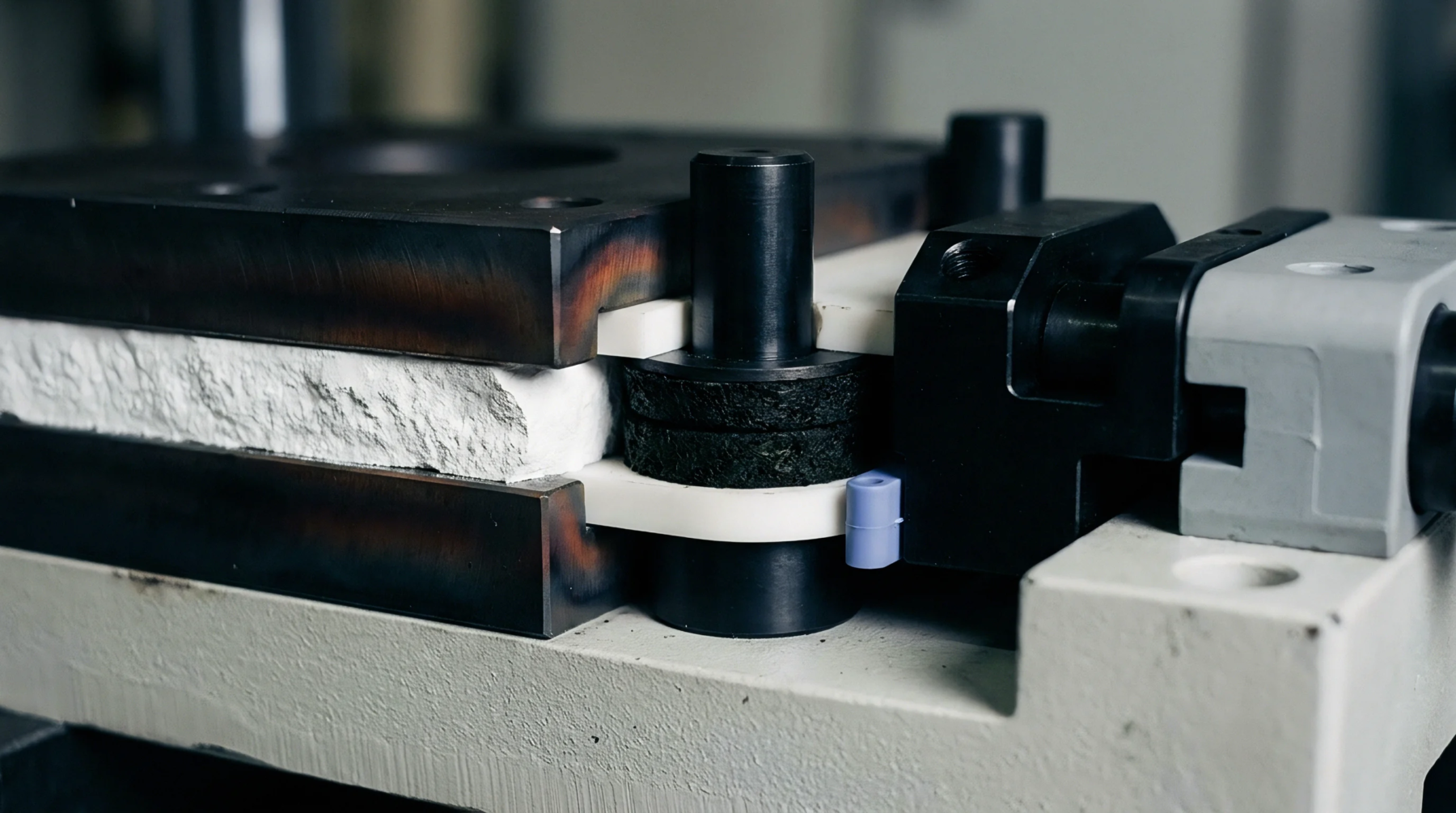
Dynamic frequency sweeps isolate polyolefin molecular weight distribution and branching where melt index fails, fixing processability and reject thresholds.
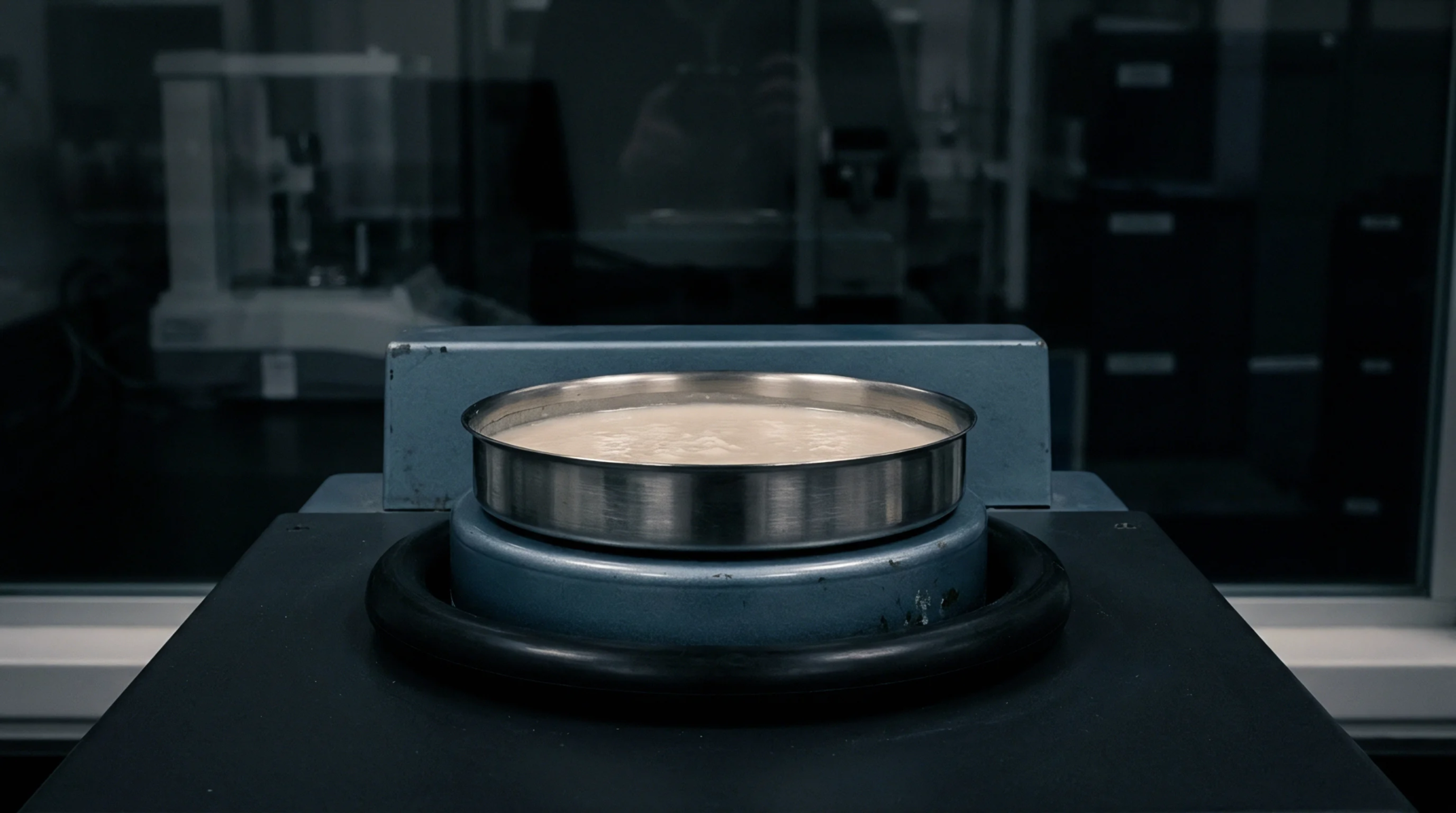
Dynamic low-frequency rheometry identifies thermal degradation in recycled polyolefins that single-point melt flow tests miss entirely.
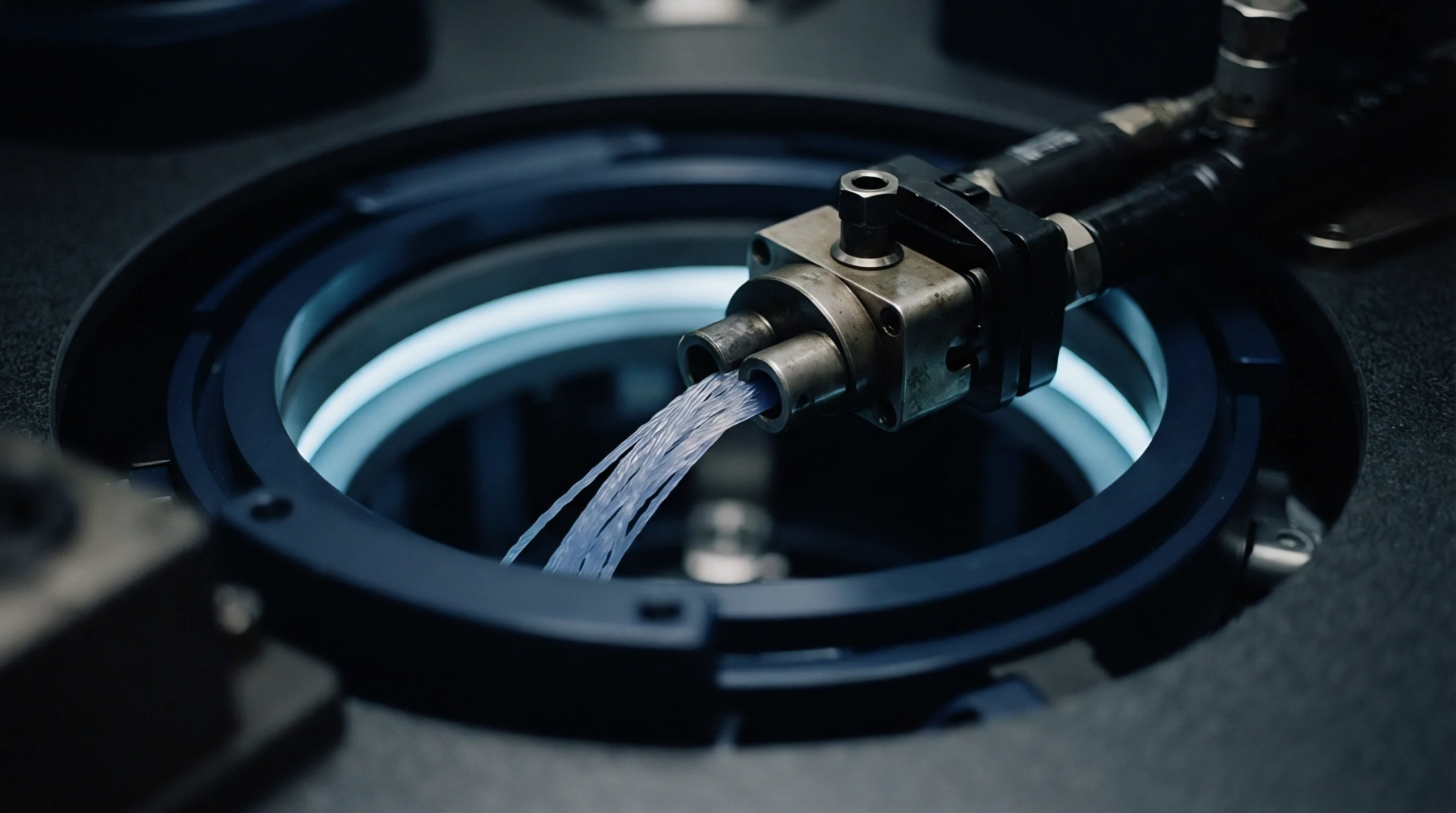
Zero-shear viscosity drops exponentially before MFR shifts, providing an early indicator of antioxidant depletion in recycled polypropylene.

Tracking melt flow changes and oxidation time prevents part failure from degraded recycled polyolefin resins.
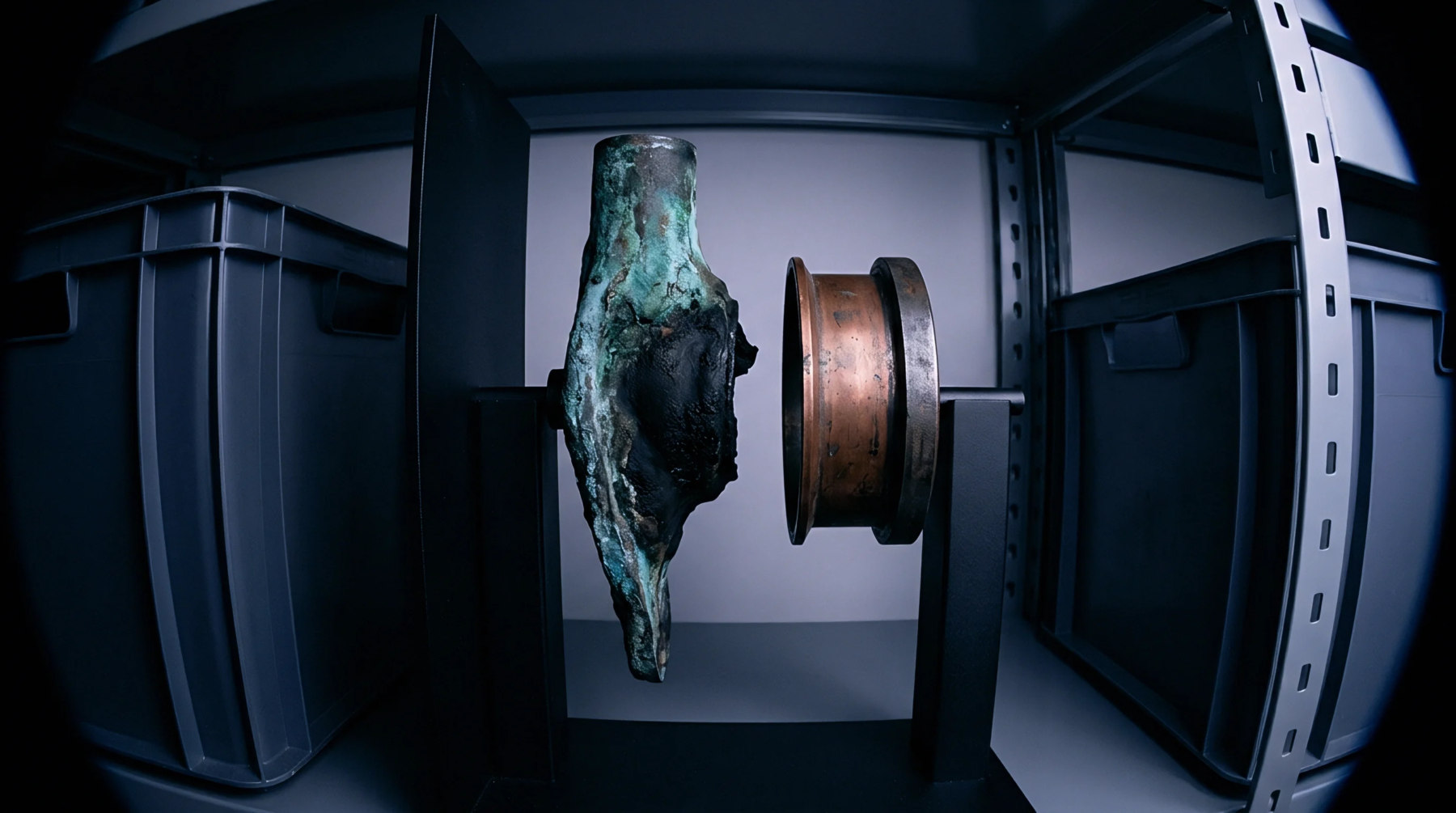
Polyolefin property degradation stems from chain scission, oxidation, and contamination; managing property drift requires strict OIT, melt index, and blend controls.
Expertise is a utility, not a secret. sentiention™ publishes its working knowledge as open reference: intelligence layer covering the materials it sources, the markets it enters, and the reference that serves both.