Meaning
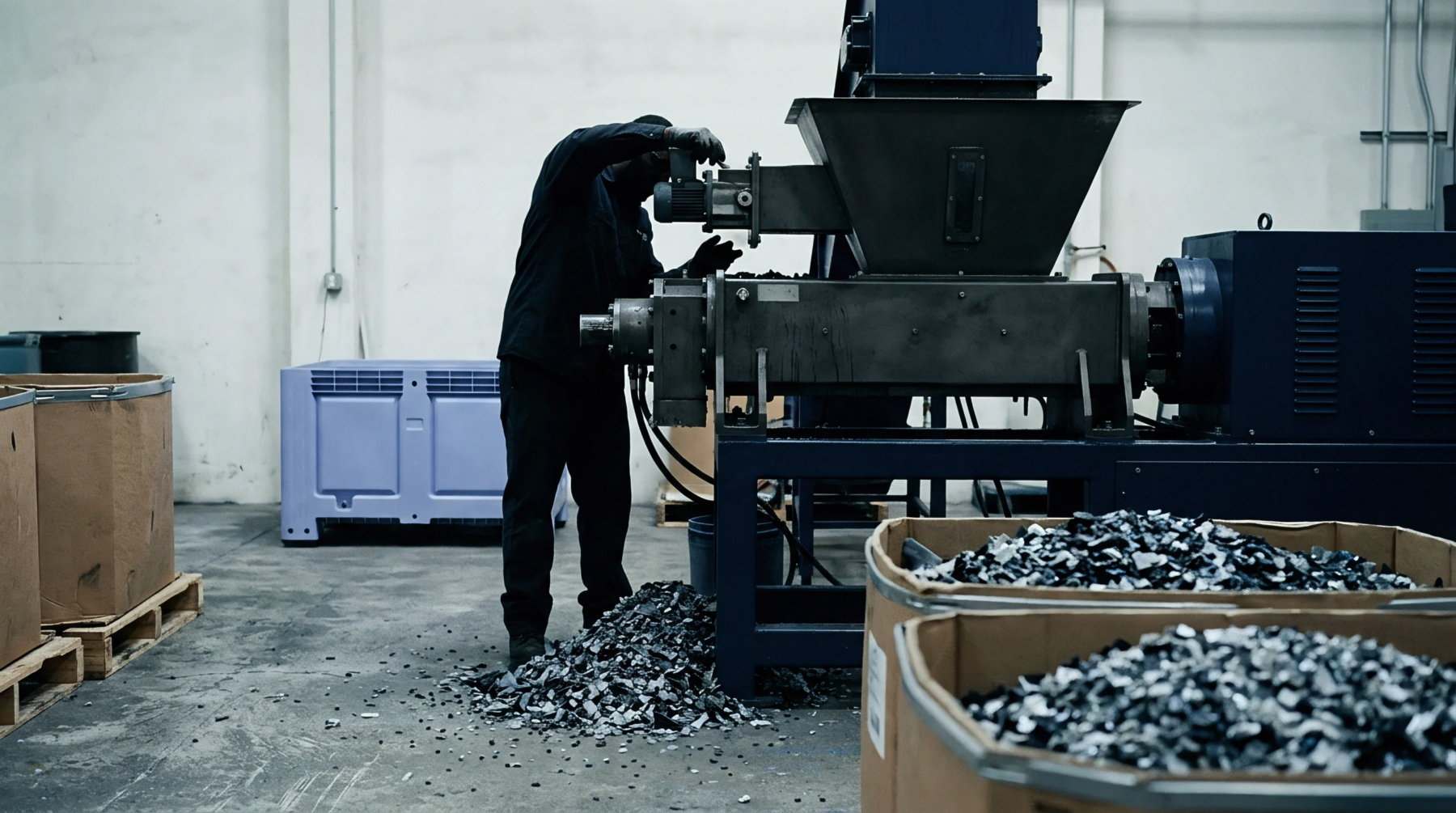
Polymer compounding processes restore the protective additive package in recycled or reground resins. The practice of re-stabilization involves adding primary and secondary antioxidants to the polymer melt to prevent degradation during subsequent processing cycles. This step is necessary to maintain the physical properties of the material when incorporating regrind.
Additive Replenishment
Antioxidants are consumed during each heat cycle as they scavenge free radicals and decompose hydroperoxides. When regrind is added to the moulding process, the remaining stabilizer level is often insufficient to protect the material from further thermal stress. Replenishing these additives prevents the rapid degradation of the polymer chain.
Melt Retention
Without adequate protection, repeated extrusion cycles lead to chain scission or crosslinking, which alters the viscosity of the polymer. The re-stabilization of the resin helps to maintain a stable melt flow index, ensuring consistent flow during the filling of the mould. This melt stability translates directly to more consistent part dimensions and fewer rejects.
Cycle Viability
Extending the life of the polymer through multiple processing cycles is essential for both economic and environmental reasons. By adding stabilizers to the regrind, the processor can increase the recycle loop without compromising the strength of the final product. This additive technology allows for higher regrind ratios in demanding industrial applications.
In many cases, it enables the use of hundred percent recycled content in non-structural parts that would otherwise require virgin resin to survive the moulding process.