Meaning
Oxidative induction time measured under elevated oxygen pressure evaluates thermal stability for polyolefin resins destined for demanding thermal environments. High-Pressure OIT accelerates degradation kinetics by raising test gas partial pressure, forcing antioxidant depletion within minutes instead of hours. The method subjects a small polymer sample to pure oxygen at pressures reaching several megapascals inside a differential scanning calorimeter chamber.
Thermal stabilization packages protect the polymer backbone during compounding, yet standard atmospheric testing often masks slow antioxidant consumption. Elevated pressure forces oxygen diffusion deep into semi-crystalline morphology, revealing depletion rates that atmospheric scans miss entirely.
Thermal Window
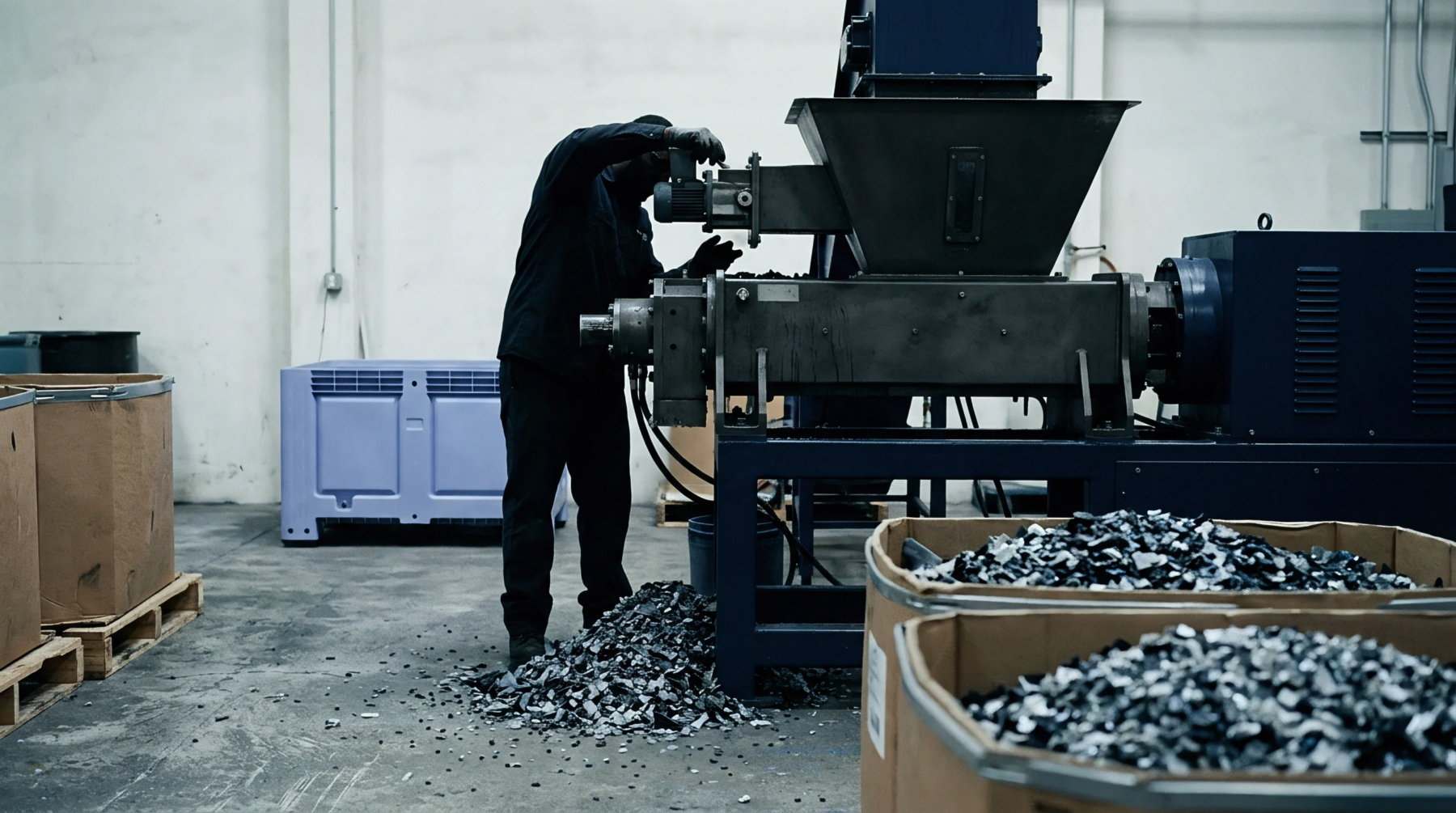
Polymer processors rely on this accelerated test to set extruder barrel temperatures and residence times without triggering premature chain scission. Extrusion thermal profiles generate severe shear heating that consumes primary antioxidants before pellets leave the die. Excessive melt temperatures deplete stabilizers rapidly, leaving moulded components vulnerable to premature embrittlement during secondary joining operations.
Moulding cycle times depend heavily on maintaining sufficient residual stabilization after plastication, because degraded polymer flows inconsistently and forms weak weld lines. Tool design must balance cooling efficiency against residence time to prevent localized thermal degradation during thick-wall component production.
Specification Boundary
Material specifications define baseline oxidation resistance for virgin resin pellets, whereas part specifications govern the degraded state of finished moulded articles. Virgin pellets consistently show high induction times because virgin stabilization packages remain intact prior to thermal processing. Moulded parts inevitably exhibit lower induction values due to thermal history accumulated during injection moulding or extrusion.
Regrind incorporation accelerates this depletion further, dropping induction times below critical thresholds even when mixed at low percentages with virgin material. Datasheet values provided by resin suppliers reflect ideal laboratory conditions on pristine pellets, rendering them useless for predicting real component performance after harsh processing.
Degradation Cost
Premature stabilizer depletion causes catastrophic polymer embrittlement, manifesting as surface crazing, discoloration, and structural failure under load. Component cracking during field service originates from uncontrolled thermal degradation during initial plastication stages. Scrap rates escalate when injection moulders push melt temperatures upward to improve flow length while ignoring the destruction of phenolic and phosphite additives.
Financial losses mount rapidly when parts fail leak tests or drop impact resistance requirements due to excessive residence time in the barrel. Laboratory testing isolates these processing failures by quantifying remaining antioxidant capacity before moulders release batches for commercial shipment.